Indoor Gardening: Essential Tips for Thriving Houseplants

Indoor gardening brings the joy of growing plants into your home year-round. With the right setup, you can grow herbs, indoor plants, and flowers even without outdoor space. Many people find it rewarding to nurture plants and harvest fresh produce from their own indoor gardens.

Indoor gardening systems make it easy to grow a variety of plants with minimal effort. These compact units provide ideal light, water, and nutrients for plants to thrive. Popular options include hydroponic systems that grow plants in water and smart gardens with built-in sensors. Some indoor gardens are small enough to fit on a kitchen counter, while others can be freestanding towers.

Growing plants indoors has many benefits. It allows you to enjoy gardening regardless of climate or season. Indoor herbs and vegetables provide fresh ingredients for cooking. Houseplants can also improve air quality and add natural beauty to your living space. Anyone can become an indoor gardener with some basic knowledge and the right tools.

Basics of Indoor Gardening

Indoor gardening lets you grow plants year-round. It’s a fun way to bring nature inside your home. You can grow herbs, flowers, and even some veggies indoors with the right setup.

indoor gardening for beginners

Understanding Indoor Environment

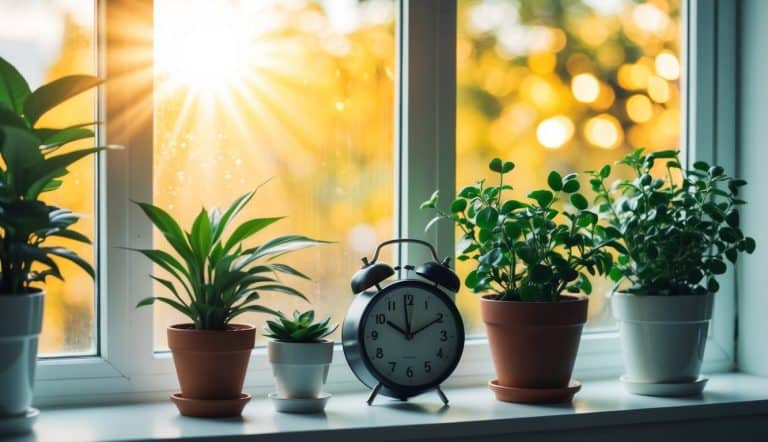
Light is key for indoor plants. Most need 6-8 hours of bright light daily. South-facing windows work best. If natural light is low, use grow lights.

Temperature matters too. Most indoor plants like 60-75°F (15-24°C). Keep them away from cold drafts and heat vents.

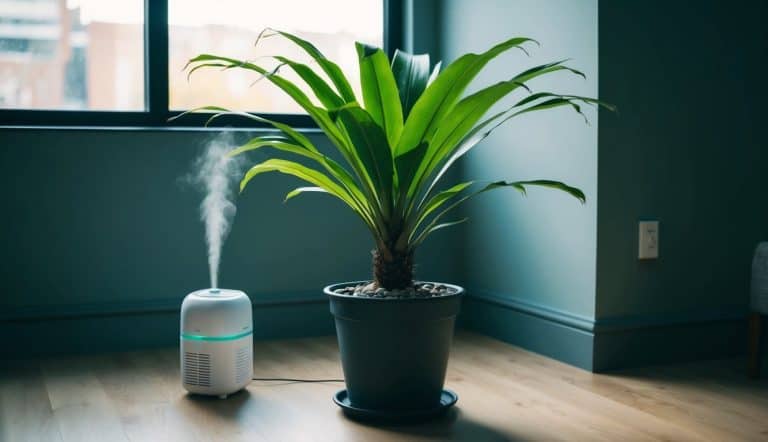
Humidity helps plants thrive. Many homes are too dry. To boost moisture, mist plants or use a pebble tray with water. A humidity level of 40-60% is good for most plants.

Good air flow prevents mold and pests. Use a small fan if air is stagnant. Don’t place plants too close together.

Selecting the Right Plants

Choose plants that match your indoor space. Low-light plants work well in darker rooms. Succulents are great for sunny spots.

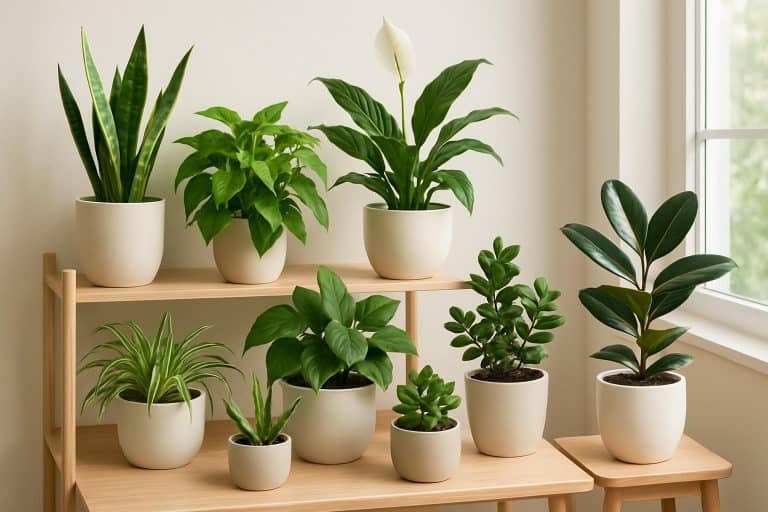
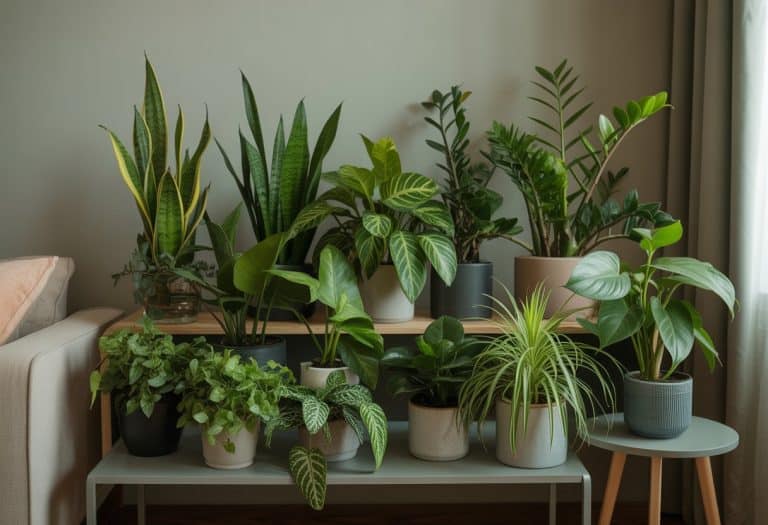
Start with easy plants like pothos, spider plants, or snake plants. They’re hard to kill and grow well indoors.

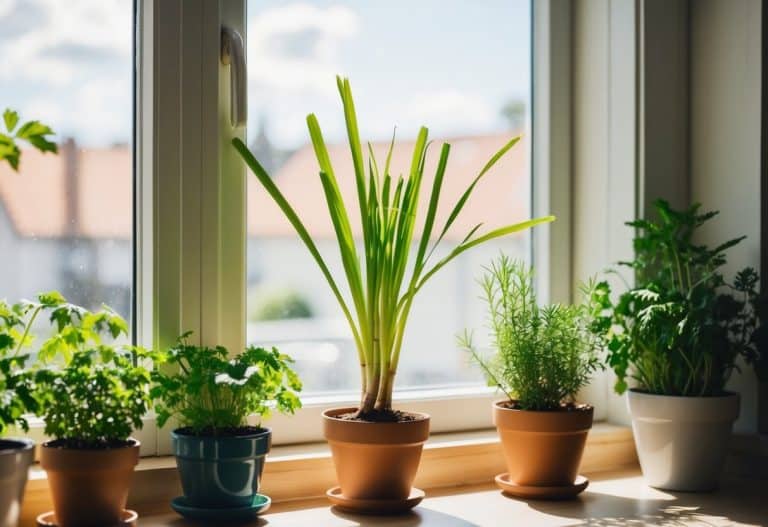
Herbs are perfect for kitchens. Basil, mint, and chives grow fast and taste great in cooking.

Check plant labels for care info. Pick plants that fit your schedule and skill level.

Size matters indoors. Small plants are easier to move and care for. Large plants make bold statements but need more space.


Costa Farms Anthurium Plant, Live Indoor Houseplant with Red Flowers, Easy Grow Flowering House Plant in Cute Décor Pot, Birthday, Housewarming, Get Well Soon, Home, Room, Office Décor, 12-Inches Tall

Check out How Many Inches Does a Plant Grow In a Week?

Setting Up Your Indoor Garden

Creating an indoor garden requires careful planning and preparation. Proper setup is key to growing healthy plants in your home. Let’s explore the essential steps to get your indoor garden thriving.

Choosing the Right Location

Pick a spot with enough natural light for your plants. South-facing windows work well for most indoor gardens. If natural light is limited, use grow lights to give plants the energy they need.

Consider temperature and humidity too. Most plants like temperatures between 60-75°F. Some need extra humidity, so group them together or use a pebble tray with water.

Avoid drafty areas near doors or vents. Make sure there’s enough space for your plants to grow. Think about how you’ll access the plants for watering and care.

Selecting Containers and Pots

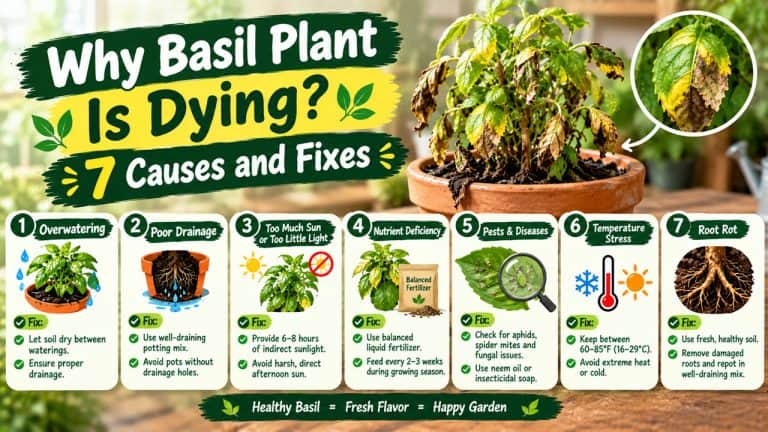
Choose pots that fit your space and plants. Make sure they have drainage holes to prevent root rot. Clay pots are good for plants that like dry soil. Plastic pots work well for plants that need more moisture.

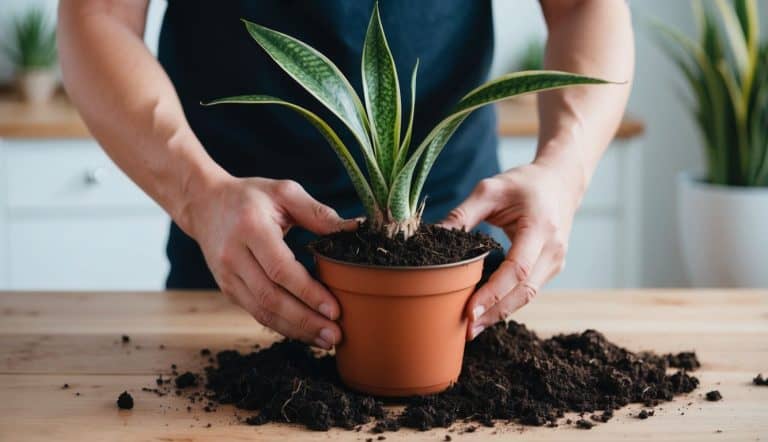
Size matters – pick pots that give roots room to grow. Start with smaller pots and repot as plants get bigger. Use saucers under pots to catch water and protect surfaces.

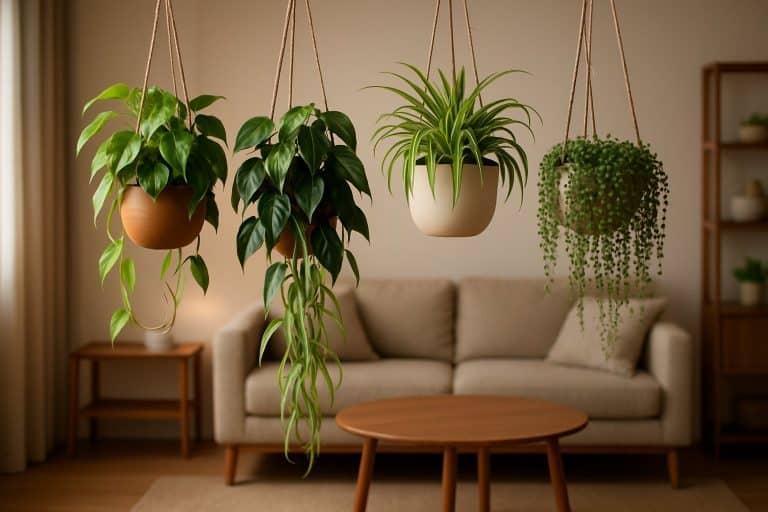
Consider self-watering containers for low-maintenance gardening. Hanging baskets and wall planters can save floor space.

Check out 9 Indoor Pots for Plants

Essential Tools and Equipment

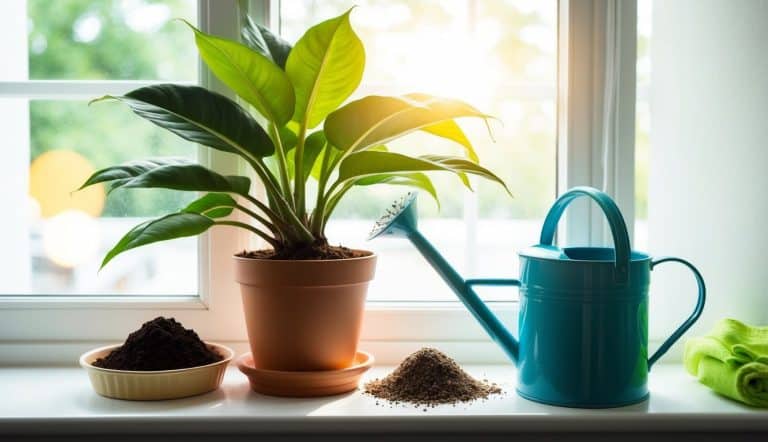
  • Potting mix: Use a high-quality, well-draining soil made for indoor plants.
  • Watering can: Get one with a long spout for hard-to-reach plants.
  • Pruning shears: Keep plants tidy and healthy with regular trimming.
  • Fertilizer: Choose a balanced, water-soluble formula for indoor use.
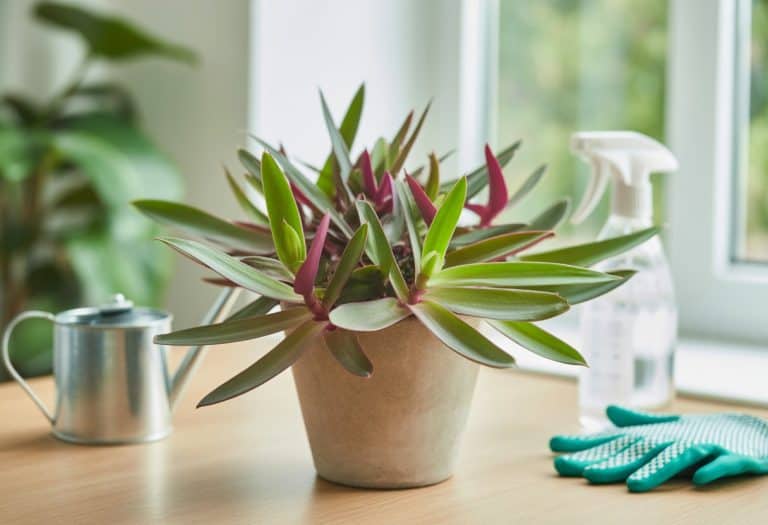
  • Spray bottle: Mist plants that need extra humidity.
  • Gloves: Protect your hands while working with soil and plants.

Don’t forget a small trowel for repotting and a moisture meter to check soil dampness. Labels help keep track of different plants and their needs.


Essential Houseplant Collection (4PK) Live Plants Indoor Plants Live Houseplants in Plant Pots, Easy House Plants Indoors Live, Snake Plant, Pothos in Potting Soil, Clean Air Plants by Plants for Pets

Indoor Plant Blogs

Here are some indoor plant blogs you can check out:

Lighting for Indoor Gardens

Proper lighting is crucial for successful indoor gardening. Plants need light to grow and thrive, whether from natural sunlight or artificial sources.

Grow Lights vs. Natural Sunlight

Natural sunlight is ideal for plants, but it’s not always available indoors. Windows may not provide enough light, especially in winter or for plants with high light needs.

Grow lights offer a solution. They can supplement or replace natural light, giving plants the energy they need for photosynthesis.

Grow lights let gardeners control light intensity, duration, and spectrum. This control helps plants grow better and faster than they might with just window light.

Types of Grow Lights

LED grow lights are popular for indoor gardens. They use less energy than other types and produce less heat. LEDs can be tailored to emit specific light colors that plants need most.

Fluorescent lights work well for seedlings and low-light plants. They’re affordable and don’t generate much heat.

High-intensity discharge (HID) lights are powerful options for larger indoor gardens. They provide intense light but use more energy and create more heat.

Some grow lights come as part of complete indoor garden systems. These often include water reservoirs and timers for easy plant care.

Check out Best Grow Lights for Indoor Plants

Optimizing Light Exposure

Plants need different amounts of light. Most vegetables and flowering plants require 12-16 hours of light per day.

Place grow lights close to plants, usually 6-12 inches away. Adjust the distance based on the light’s intensity and the plant’s needs.

Use timers to ensure plants get consistent light each day. This helps mimic natural day-night cycles.

Rotate plants regularly to ensure all sides get equal light exposure. This promotes even growth and prevents plants from leaning toward the light source.


Costa Farms Live House Plants (6 Pack), Easy to Grow Live Indoor Houseplants, Grower's Choice Air Purifier Set, Potted in Indoors Garden Plant Pots, Potting Soil, Housewarming Gift, Home or Room Decor

Watering and Nutrition

Indoor plants need the right amount of water and nutrients to thrive. Proper watering techniques, balanced fertilizers, and self-watering systems can help keep your plants healthy and vibrant.

Watering Techniques

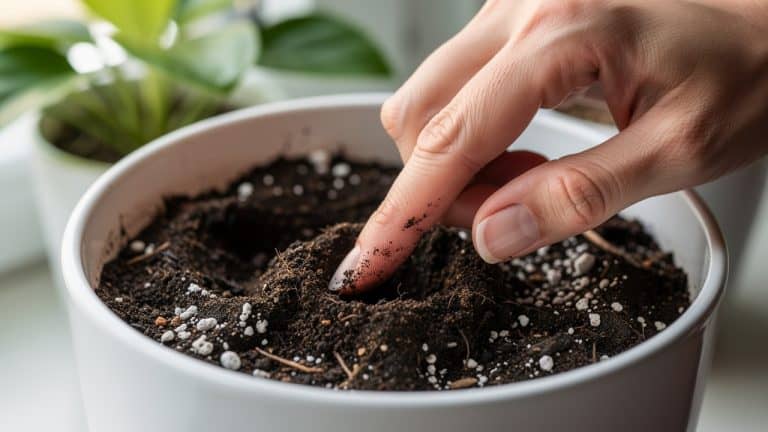
Watering indoor plants correctly is key to their health. Check the soil moisture by sticking your finger about an inch deep. If it feels dry, it’s time to water. Water thoroughly until it drains from the bottom of the pot. Don’t let plants sit in standing water, as this can lead to root rot.

Morning is the best time to water plants. This gives leaves time to dry during the day, reducing the risk of fungal growth. Use room temperature water to avoid shocking the roots.

For most plants, wait until the top inch of soil dries out before watering again. Succulents and cacti need less frequent watering. Adjust your watering schedule based on factors like:

  • Plant type
  • Pot size
  • Indoor temperature
  • Humidity levels
  • Season

Nutrients and Fertilizers

Plants need more than just water to grow well. They require various nutrients, which can be provided through fertilizers. The three main nutrients are:

  • Nitrogen (N): Promotes leaf growth
  • Phosphorus (P): Supports root and flower development
  • Potassium (K): Enhances overall plant health

Fertilizers come in different forms:

  1. Liquid: Easy to apply, fast-acting
  2. Granular: Slow-release, long-lasting
  3. Organic: Made from natural sources

Most indoor plants benefit from fertilizing every 4-6 weeks during the growing season. Use a balanced, water-soluble fertilizer diluted to half strength. Always follow the instructions on the package to avoid over-fertilizing, which can damage plants.

Indoor Gardening Tips

Self-Watering Systems

Self-watering systems can make plant care easier and more consistent. These systems use a water reservoir to supply moisture to the soil as needed. They work well for busy plant owners or those who travel often.

Types of self-watering systems include:

  • Wick systems: A wick draws water from a reservoir into the soil
  • Sub-irrigation planters: Plants sit above a water reservoir and absorb water through holes in the bottom of the pot
  • Smart planters: Use sensors to monitor soil moisture and water plants automatically

Some self-watering systems come with apps that let you track your plant’s water needs. While convenient, these systems still require some oversight. Check the water level in the reservoir regularly and refill as needed. Clean the system periodically to prevent algae growth.

Soil and Growing Mediums

Soil and growing mediums play a crucial role in indoor gardening. They provide plants with support, nutrients, and moisture. The right choice can make a big difference in plant health and growth.


Miracle-Gro Organic Raised Bed & Garden Soil with Quick Release Natural Fertilizer, Peat Free, 1 cu. ft., 2-Pack

Choosing Soil for Container Gardening

Indoor plants need different soil than outdoor plants. Regular garden soil is too heavy for containers. It can become compacted and hold too much water. This can lead to root rot.

The best soil for indoor plants is light and well-draining. Look for potting soil made for container plants. It often contains peat moss, perlite, and vermiculite. These ingredients help with drainage and aeration.

Some plants have special soil needs. Cacti and succulents need very fast-draining soil. Orchids do best in bark-based mixes. Always check the plant’s specific requirements before choosing soil.

Alternatives to Traditional Soil

Some indoor gardeners use soil-free growing mediums. These can be great for certain plants and growing methods.

Hydroponics uses water instead of soil. Plants grow with their roots in nutrient-rich water. This method can lead to faster growth and higher yields. It’s popular for growing herbs and vegetables indoors.

Other soil alternatives include:

  • Coco coir: Made from coconut husks
  • Rockwool: Made from melted rock spun into fibers
  • Perlite: A volcanic glass that’s very light

These mediums are often used in hydroponics or mixed with soil to improve drainage.

Significance of Potting Mix

Potting mix is not the same as potting soil. It’s a soil-less blend designed for container plants. Potting mix offers several benefits:

  1. Better drainage
  2. Lighter weight
  3. Sterile (free from pests and diseases)
  4. Consistent quality


Miracle-Gro Indoor Potting Mix - Blended for a Wide Variety of Container Plants, 16 qt. (2-Pack)

A good potting mix contains materials like peat moss, perlite, and vermiculite. These help with water retention and aeration. Some mixes also include slow-release fertilizers.

Potting mix is ideal for most indoor plants. It provides the right balance of moisture and air around the roots. This helps prevent common problems like overwatering and root rot.

Check out 20 Best Non Flowering Plants

Hydroponics in Indoor Gardening

Hydroponics is a soil-free growing method that uses nutrient-rich water to nourish plants. It offers many benefits for indoor gardeners, including faster growth and higher yields in small spaces.


Hydroponics Growing System Indoor Garden - DRYADES 44 Pods Herbs Garden Kit Indoor with LED Grow Light Grow Anything Plants Germination Kit (No Seeds) Harvest Vegetable Lettuce for Home Kitchen

Basics of Hydroponic Systems

Hydroponic systems rely on water, nutrients, and a growing medium to support plants. The roots hang directly in nutrient solution or in a porous material like rock wool. A water pump circulates the solution, delivering oxygen and food to the roots.

Key parts of a hydroponic setup include:

  • Reservoir for nutrient solution
  • Growing tray or containers
  • Pump and tubing
  • Air stone for oxygenation
  • Grow lights

Plants get everything they need without soil. This leads to faster growth and bigger harvests compared to traditional growing methods.

Types of Hydroponic Setups

Several hydroponic systems work well for indoor gardens. Here are some popular options:

  1. Deep Water Culture: Plants float on top of nutrient solution.
  2. Nutrient Film Technique: A thin film of water flows over the roots.
  3. Ebb and Flow: Trays flood with solution then drain.
  4. Drip Systems: Nutrients drip onto the plant roots.
  5. Vertical Systems: Plants grow up walls or towers.

Each type has pros and cons. Deep Water Culture is simple for beginners. Vertical systems save space in small rooms.

Maintaining Hydroponic Systems

Proper care keeps hydroponic gardens healthy. Check pH and nutrient levels weekly. Aim for a pH between 5.5 and 6.5 for most plants. Change the nutrient solution every 2-3 weeks.

Clean the system regularly to prevent algae growth. Wash reservoirs, pumps, and tubing with mild soap and water. Rinse well before refilling.

Watch for signs of trouble like yellow leaves or wilting. These can mean nutrient issues or root problems. Adjust your care as needed.

Prune plants to manage growth in your space. Remove dead leaves promptly to avoid disease. With good care, your hydroponic garden will thrive indoors year-round.


Misting Hydroponic Growing System 15 Pods Herb Garden Kit Indoor, 5L Large Tank Plant Germination Kit with Adjustable Height Grow Light to “20", Quiet Pump, Auto Timer, Gardening Christmas Gifts

Smart Indoor Gardening Systems

Smart indoor gardening systems use technology to make growing plants at home easier. These systems automate many tasks and connect to other smart home devices.

Automated Features and Smart Technology

Smart gardens use sensors to monitor plant health. They check soil moisture, light levels, and nutrient needs. Many systems have built-in LED grow lights that turn on and off automatically. Some even adjust the light spectrum as plants grow.

Water pumps deliver the right amount of water on a set schedule. Nutrient dosing systems add fertilizer when needed, eliminating guesswork and helping plants thrive.

Some gardens have mobile apps. These let users check on their plants from anywhere. The apps send alerts about water levels or when it’s time to harvest.

Comparing Popular Smart Gardens

The AeroGarden Bounty Basic is a top choice for many. It grows up to 9 plants and has a touchscreen control panel. The Click & Grow Smart Garden 3 is good for beginners. It’s simple to use and grows 3 plants at a time.

For larger setups, the Smart Garden 9 can grow 9 plants. It has pro-grow lights and a water tank that lasts up to 3 weeks.

These systems use pre-seeded pods, which contain seeds, nutrients, and growing medium, making starting plants easy.

Integration with Home Assistants

Some smart gardens work with home assistants like Amazon Alexa. Users can check on their garden or control it with voice commands.

Wi-Fi enabled gardens connect to smart home systems. This allows for remote control and monitoring.

Users can set up routines. For example, the lights could dim when it’s bedtime. Or the system could send a phone alert when the water is low.

These features make indoor gardening fit into a connected home. They also make it easier for busy people to grow fresh herbs and vegetables.

Maintenance and Care

Regular care keeps indoor plants healthy and thriving. Watching for signs of trouble and taking action quickly helps prevent major issues. Good habits like proper watering and pest control lead to lush, beautiful plants.

Indoor Gardening

Monitoring Plant Health

Check plants often for problems. Look at leaves, stems, and soil. Yellow or brown leaves may mean too much or too little water. Drooping plants need water. Pale leaves could lack nutrients.

Feel soil moisture with your finger. Water when the top inch is dry. Don’t let plants sit in water. Empty saucers after watering.

Give plants enough light. Most need 12-16 hours daily. Use grow lights if needed. Rotate plants for even growth.

Test soil pH yearly. Most plants like slightly acidic soil. Add lime to raise pH or sulfur to lower it.

Managing Pests and Diseases

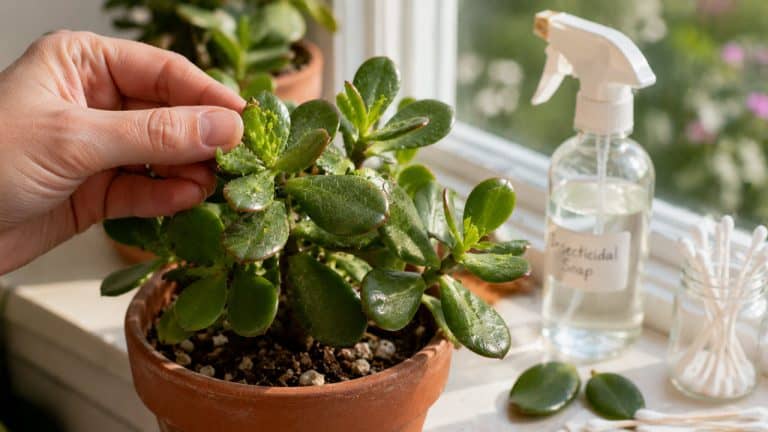
Watch for bugs like aphids, mealybugs, and spider mites. Look under leaves and at stems. Wipe off small numbers with a damp cloth. For bigger problems, use insecticidal soap.

Check for fungus and mold. Remove affected parts. Improve air flow. Water plants are planted in the morning, so leaves dry by night.

Quarantine new plants for two weeks to prevent pests from spreading. Clean tools between plants to prevent disease spread.

Use sticky traps to catch flying pests. Place near plants. Check and replace often.

Pruning and Harvesting

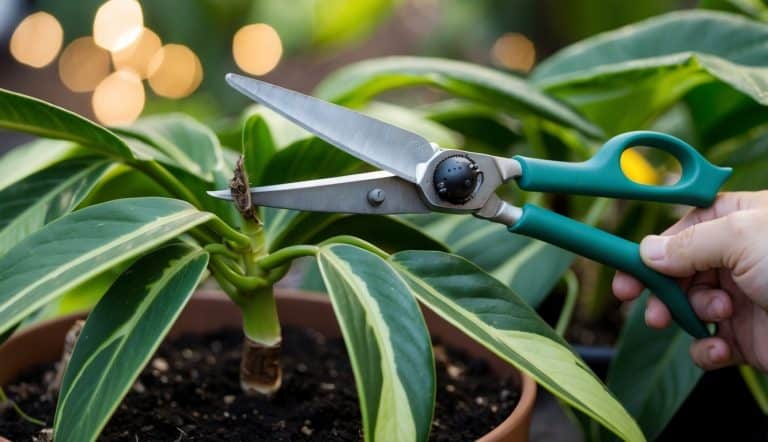
Trim dead or yellow leaves to keep plants neat and healthy. Use clean, sharp scissors, cutting close to the stem.

Pinch off growing tips to make bushy plants. This works well for herbs and some flowers. Pinch just above a leaf node.

Harvest herbs often to keep them growing. Pick outer leaves first. Don’t take more than one-third of the plant at once.

For indoor fruit and veggies, pick when ripe. This encourages more production. Check plants daily during harvest time.

Prune long stems to keep plants compact. This is good for vines and trailing plants. Cut just above a leaf node.

Check out 12 Plants That Release Oxygen at Night

Common Plants for Indoor Gardening

Many plants thrive indoors with proper care.

Here are 25 common plants for indoor gardening in the United States, with explanations:

Snake Plant (Sansevieria trifasciata)

Known for its tall, upright leaves with green and yellow variegation, the snake plant is a low-maintenance and resilient houseplant that can tolerate neglect and low light conditions.

Snake plants are excellent air purifiers, removing toxins such as formaldehyde and benzene from the air. Due to their easy care and striking appearance, snake plants are among the most popular houseplants.


Costa Farms Snake Plant, Live Indoor and Outdoor Sansevieria Plant, Easy Care Tropical Houseplant Potted in Nursery Pot, Air Purifying Succulent Plant in Soil, Housewarming, Home Décor, 2-3 Feet Tall

Pothos (Epipremnum aureum)

This trailing vine features heart-shaped leaves with yellow or white variegation. It is a fast-growing, low-maintenance plant that can tolerate low light and irregular watering.

Pothos, also known as Devil’s Ivy, is a plant with colorful and vibrant leaves. It is known for its air-purifying qualities and its ability to remove pollutants like benzene and formaldehyde from the air.

Spider Plant (Chlorophytum comosum)

With its long, slender leaves and arching stems, the spider plant is a popular choice for hanging baskets. It is easy to care for and can tolerate a wide range of conditions, including low light and infrequent watering.

Spider plants are also known for their ability to remove indoor air pollutants, such as formaldehyde and xylene.

Philodendron

A genus of tropical plants with large, glossy leaves, philodendrons are popular for their adaptability and easy care. Depending on the species, they can be grown as trailing vines or upright plants.

Philodendrons efficiently remove indoor air pollutants and thrive in medium to bright indirect light. Philodendrons are very common indoor plants that rarely attract pests.


Birkin Philodendron in 6 Inch Pot for Indoor Plants Live Houseplants, Office Plants, Easy Plant Gift, Philodendron Plant Live Plants Indoor Plants Live House Plants Live Plant Decor by Plants for Pets

Check out:

Peace Lily (Spathiphyllum)

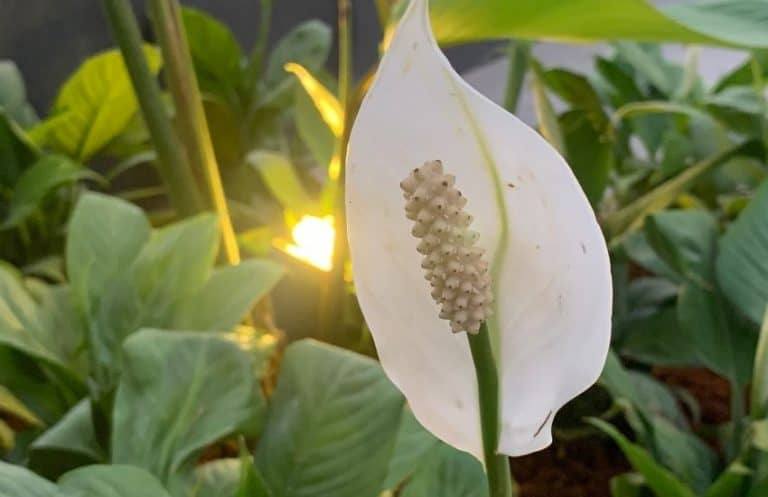
Known for its glossy, dark green leaves and white, spathe-like flowers, the peace lily is a low-maintenance plant that thrives in low to medium light. It is an excellent air purifier, removing pollutants such as ammonia, benzene, and formaldehyde from the air.

Peace lilies also help to increase humidity levels, making them ideal for dry indoor environments.

Aloe Vera

A succulent with thick, fleshy leaves, aloe vera is known for its medicinal properties and its ability to soothe burns and skin irritations. It thrives in bright, indirect light and requires minimal watering, making it an easy-care houseplant. Aloe vera also helps to remove pollutants like formaldehyde from the air.


Live Aloe Vera Plant Live Succulents Plants Live Plants (1G), Aloe Plant Live Succulent Plants Live Aloe Plants Live Houseplants, Aloe Vera Plant Indoor Succulents Indoor Plants by Plants for Pets

English Ivy (Hedera helix)

This evergreen vine features lobed leaves and can be grown as a trailing plant or trained to climb a trellis. English ivy is adaptable and can tolerate a range of light conditions, from low to bright indirect light. It is also an excellent air purifier, removing pollutants such as benzene, formaldehyde, and xylene from the air.

Chinese Evergreen (Aglaonema)

With its attractive, variegated leaves and tolerance for low light conditions, the Chinese evergreen is a popular choice for indoor gardening. It is a slow-growing plant that requires minimal care, making it ideal for beginners.

Chinese evergreens also help to filter indoor air pollutants, such as benzene and formaldehyde.

Dracaena

A genus of tropical plants with long, slender leaves, dracaenas are known for their adaptability and ease of care. They can tolerate a wide range of light conditions and efficiently remove indoor air pollutants, such as formaldehyde and benzene. Dracaenas are popular houseplants with colorful and vibrant leaves.

ZZ Plant (Zamioculcas zamiifolia)

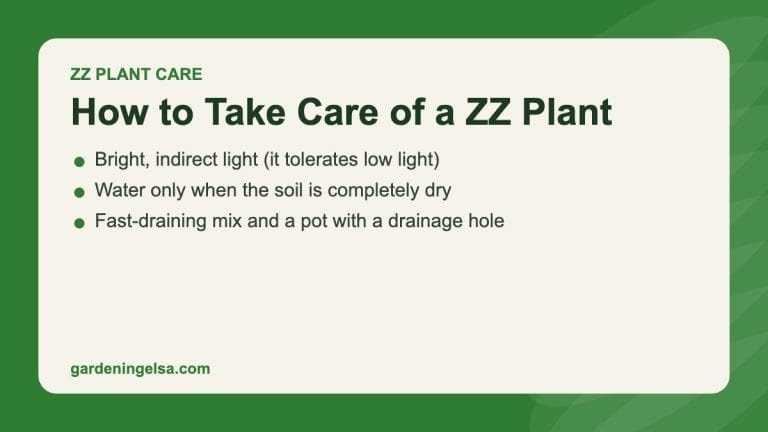
Known for its glossy, dark green leaves and tolerance for low light and neglect, the ZZ plant is an ideal choice for beginners or those with busy lifestyles. It is a slow-growing plant that requires minimal watering and is resistant to pests and diseases.

Due to their easy care requirements, ZZ plants are one of the most popular houseplants.


Costa Farms ZZ Live Indoor Tabletop Plant in 6-Inch Grower Pot

Rubber Plant (Ficus elastic)

With its large, glossy leaves and upright growth habit, the rubber plant is a striking addition to any indoor space. It thrives in bright, indirect light and requires moderate watering.

Rubber plants are also known for their air-purifying qualities, removing pollutants such as formaldehyde and xylene from the air.

Monstera Deliciosa (Swiss Cheese Plant)

This tropical plant features large, fenestrated leaves that develop holes as they mature, giving it a unique appearance.

Monstera deliciosa thrives in bright, indirect light and requires moderate watering. It is an excellent air purifier, removing pollutants such as formaldehyde and benzene from the air.

Bamboo Palm (Chamaedorea seifrizii)

With its feathery, arching fronds, the bamboo palm is a popular choice for indoor gardening. It thrives in bright, indirect light and requires moderate watering.

Bamboo palms are also known for their air-purifying qualities, removing pollutants such as formaldehyde and benzene from the air.

Dieffenbachia

A genus of tropical plants with large, variegated leaves, dieffenbachias are known for their striking appearance and ease of care. They thrive in bright, indirect light and require moderate watering.

Dieffenbachias also efficiently remove indoor air pollutants, such as formaldehyde and xylene.

Jade Plant (Crassula ovata)

A succulent with thick, glossy leaves, the jade plant is an easy-care houseplant that thrives in bright, indirect light. It requires minimal watering and is resistant to pests and diseases.

Jade plants are also known for their air-purifying qualities, removing pollutants such as formaldehyde and benzene from the air. Jade plants are one of the trendiest houseplants that make a statement in a bright room.

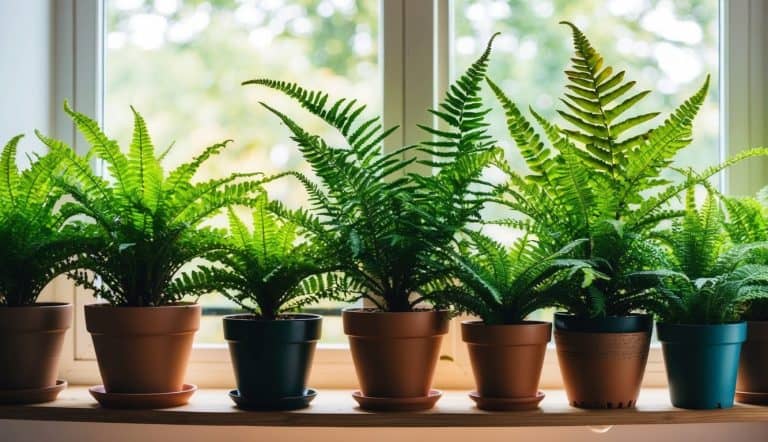
Boston Fern (Nephrolepis exaltata)

With its lush, arching fronds, the Boston fern is a popular choice for hanging baskets or as a floor plant. It thrives in high humidity and requires consistent moisture, making it ideal for bathrooms or kitchens.

Boston ferns also efficiently remove indoor air pollutants, such as formaldehyde and xylene.

Fiddle Leaf Fig (Ficus lyrata)

Known for its large, violin-shaped leaves, the fiddle leaf fig is a trendy and striking houseplant. It thrives in bright, indirect light and requires moderate watering.

Fiddle leaf figs are also known for their air-purifying qualities, removing pollutants such as formaldehyde and xylene from the air.

Bird’s Nest Fern (Asplenium nidus)

With its large, wavy fronds that resemble a bird’s nest, this fern is a unique and attractive addition to any indoor space. It thrives in medium to low light and requires consistent moisture.

Bird’s nest ferns also efficiently remove indoor air pollutants, such as formaldehyde and xylene.

Areca Palm (Dypsis lutescens)

Known for its feathery, arching fronds and clumping growth habit, the areca palm is a popular choice for indoor gardening. It thrives in bright, indirect light and requires moderate watering.

Areca palms are also known for their air-purifying qualities, removing pollutants such as formaldehyde and xylene from the air.

Calathea

A genus of tropical plants with striking, patterned leaves, calatheas are known for their unique appearance and movement in response to light. They thrive in bright, indirect light and require consistent moisture.

Calatheas also efficiently remove indoor air pollutants, such as formaldehyde and benzene.

Prayer Plant (Maranta leuconeura)

The prayer plant is a striking and unique houseplant. It is known for its colorful, patterned leaves that fold up at night like praying hands. It thrives in bright, indirect light and requires consistent moisture.

Prayer plants are also known for their air-purifying qualities, removing pollutants such as formaldehyde and benzene from the air.

Croton (Codiaeum variegatum)

With its colorful, variegated leaves in shades of yellow, red, and green, the croton is a striking and vibrant houseplant. It thrives in bright, indirect light and requires moderate watering.

Crotons are also known for their air-purifying qualities, removing pollutants such as formaldehyde and benzene from the air.

Anthurium

Anthuriums are known for their long-lasting blooms and striking appearance, a genus of tropical plants with glossy, heart-shaped leaves and colorful, spathe-like flowers. They thrive in bright, indirect light and require moderate watering.

Anthuriums also efficiently remove indoor air pollutants, such as formaldehyde and ammonia.

Monstera Adansonii (Swiss Cheese Vine)

Similar to its larger cousin, Monstera deliciosa, this trailing vine features smaller, fenestrated leaves that develop holes as they mature. It thrives in bright, indirect light and requires moderate watering. Monstera is a popular houseplant prized for their unique, holed leaves.

Peperomia

Peperomias is a genus of compact, diverse plants with fleshy leaves in various shapes, sizes, and colors known for its adaptability and ease of care. It thrives in bright to medium indirect light and requires moderate watering. Peperomias also efficiently remove indoor air pollutants, such as formaldehyde and benzene.


Watermelon Peperomia Live Indoor Plant, 6 Inch Pot, Home and Office Decor

Air plants

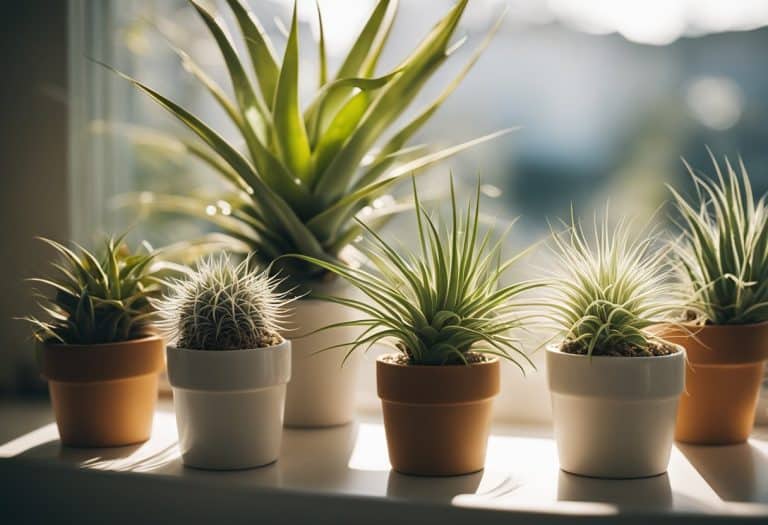
Air plants, also known as Tillandsia, are a unique and fascinating group of plants that don’t require soil to grow. Instead, they absorb nutrients and moisture from the air through their leaves, making them incredibly low-maintenance and adaptable to various environments. These plants come in a wide range of shapes, sizes, and colors, from tiny, delicate specimens to large, striking varieties.


Ionantha Guatemala Tillandsia Air Plant, Guatemala Tillandsia Live Airplant, Healthy Arrival Guaranteed, Great Indoor Plant, Home Decor & Gift (Rainbow)

Air plants are native to the Americas, where they can be found growing on trees, rocks, and even power lines. Their ability to thrive without soil makes them popular among plant enthusiasts, as they can be displayed creatively in terrariums, on wreaths, or even as living jewelry.

With proper care, which includes regular misting, adequate air circulation, and bright, indirect light, air plants can provide a beautiful and unique addition to any home or office.

Money Tree Plant (Pachira Aquatica Plant)

The Money Tree, or Pachira aquatica, is a popular houseplant known for its braided trunk and vibrant green leaves. Native to Central and South America, this plant is believed to bring good luck and prosperity to its owner. It thrives in bright, indirect light and prefers well-draining soil.


2-Pack Money Tree Pachira Plants, Braided Stems, 4 Inch Pots, Indoor Live Houseplants- La Costa Plants, Green

The Money Tree is relatively low-maintenance, requiring moderate watering and occasional pruning to maintain its shape. With proper care, this attractive plant can grow up to 6-8 feet tall indoors, making it a striking addition to any home or office.

Conclusion

Indoor gardening brings nature into your home. It offers many benefits for plant lovers and novice gardeners alike. Fresh herbs and vegetables can be grown year-round, regardless of outdoor conditions.

Plants help purify indoor air and create a calming environment. Caring for indoor plants can reduce stress and boost mood. It’s a rewarding hobby that connects people with nature.

While indoor gardening requires some effort, the rewards are worthwhile. With the right setup, anyone can create a thriving indoor garden. Proper lighting, watering, and care are key to success.

Indoor gardening allows for creativity in small spaces. Vertical gardens, hanging planters, and windowsill herb boxes maximize limited room. Even apartment dwellers can enjoy cultivating plants.

As interest grows, new technologies make indoor gardening easier. Smart planters, LED grow lights, and hydroponic systems offer exciting options. These innovations open up possibilities for urban farming and sustainable living.

Indoor gardening is more than just a trend. It’s a practical way to grow food, beautify spaces, and improve well-being. With some planning and dedication, anyone can reap the benefits of an indoor garden.

You may also like:

vegetable garden ideas

10 Vegetable Garden Layout Ideas