ZZ plants, also known as Zamioculcas zamiifolia, Zanzibar gems, or eternity plants, are popular houseplants known for their resilience. These glossy-leaved indoor plants can thrive in various conditions, but their watering needs often confuse new plant owners.
ZZ plants typically need water only every 2-4 weeks, allowing the soil to dry out completely between waterings. This low-maintenance aroid palm stores water in its thick rhizomes and stems, making it extremely drought-tolerant. Some ZZ plants can even survive without water for up to 2 months in certain conditions.
The watering frequency may change based on light levels and seasons. Plants in brighter locations might need water more often, while those in low light areas require less. To check if your ZZ plant needs water, simply insert your finger about an inch into the soil – if it feels dry, it’s time to water this hardy houseplant.
Understanding ZZ Plant Water Needs
ZZ plants have evolved to store water in their thick rhizomes, making them highly drought-tolerant houseplants. Getting the watering schedule right is crucial for keeping these hardy plants healthy and preventing common problems.
Water Requirements for Healthy Growth
ZZ plants prefer their soil to dry out completely between waterings. Watering every 2-3 weeks is sufficient for most home environments, but this varies based on several factors.
Light exposure directly affects water needs. Plants in brighter locations may need more frequent watering, while those in low light require less.
Your potting mix plays a crucial role too. Well-draining soil helps prevent root rot, so use a mix containing:
- Regular potting soil (60%)
- Perlite or pumice (30%)
- Coarse sand (10%)
Season and climate impact watering frequency. During winter or in humid environments, ZZ plants need less water. In summer or dry climates, they might require more frequent attention.
The finger test is reliable: insert your finger about 1 inch into the soil. Only water when it feels completely dry at this depth.
Signs of Underwatering and Overwatering
Underwatering signs are rare but include:
- Curling, wrinkled leaves
- Brown, crispy leaf tips
- Slow or stunted growth
- Dry, hard soil that pulls away from pot edges
Overwatering, the more common problem, shows through:
- Yellowing leaves throughout the plant
- Soft, mushy stems near the soil line
- Black or brown soft spots on leaves
- Foul smell from the potting mix
If you notice overwatering symptoms, immediately check the rhizomes for rot. Healthy rhizomes should be firm, not soft or mushy. Remove the plant from its pot and trim away any rotted sections with clean scissors.
Allow the soil to dry completely before resuming a more conservative watering schedule. Remember: ZZ plants recover better from underwatering than overwatering.
Check out ZZ Plant Toxic to Cats
Soil and Potting Mix Considerations
The right soil mix is crucial for ZZ plant health and preventing water-related problems. Your potting mix choices directly impact how well water drains and how often you’ll need to water your plant.
Choosing the Right Soil
ZZ plants thrive in well-draining soil that prevents water from pooling around their rhizomes and roots. A mix of 60% regular potting soil with 40% cactus mix creates an ideal growing medium for these drought-tolerant plants. This combination provides enough organic material while ensuring excess water doesn’t remain in the pot.
Another effective option is mixing equal parts (1:1) of cactus potting soil and perlite. This works particularly well in environments with about 50% humidity. For areas with higher humidity, increasing the perlite ratio further improves drainage.
Commercial succulent or cactus soils can also work well for ZZ plants with minimal modifications. These specialized mixes contain coarse materials that create air pockets in the soil.
Importance of Drainage
Proper drainage is essential for ZZ plant health and directly prevents root rot. When soil remains soggy, ZZ plant roots and rhizomes can quickly begin rotting, which is often fatal to the plant. Well-draining soil allows excess water to flow away from the roots.
Always choose pots with drainage holes when growing ZZ plants. Even the best soil mix will cause problems if water has nowhere to escape. Terracotta pots are particularly beneficial as they absorb excess moisture from the soil.
When watering, pour water slowly and evenly across the soil surface until it flows from the drainage holes. This ensures the soil is thoroughly moistened without becoming waterlogged.
Environmental Factors Affecting Water Intake
ZZ plants adapt their water needs based on their surroundings. The environment plays a critical role in determining how often you’ll need to water these resilient houseplants.
Lighting Conditions
Light exposure directly affects how quickly a ZZ plant uses water. Plants in bright indirect light will typically need more frequent watering than those in low light areas. This happens because brighter conditions increase photosynthesis and evaporation.
A ZZ plant might need water every 2-3 weeks in south or west-facing windows with filtered light. The same plant in a dim corner might only need water once a month or less.
When daylight hours decrease in winter, water needs drop significantly regardless of position. Always check the soil before watering – even plants in bright spots may need less water than you expect.
Be cautious with direct sunlight, which can scorch leaves and increase water needs beyond healthy levels for ZZ plants.
Ambient Humidity Levels
The moisture in the air around your ZZ plant affects how quickly soil dries out. In dry environments with low humidity, water evaporates faster from the soil, increasing watering frequency.
Homes with air conditioning or heating often have very dry air, which causes ZZ plants to need water more frequently. In humid bathrooms or kitchens, ZZ plants can sometimes go 3-4 weeks between waterings.
During summer months, increased humidity may help ZZ plants retain moisture longer. However, good air circulation remains important to prevent fungal issues.
Humidity trays or nearby humidifiers aren’t necessary for ZZ plants but can reduce the frequency of watering needed. In extremely dry climates, you might water every 2 weeks rather than every 3-4 weeks in more humid areas.
Common Pests and Issues
ZZ plants are generally pest-resistant, but they can still face a few challenges. Problems usually arise from improper watering practices or when pests manage to find their way to your plant.
Identifying Common Pests
Mealybugs are common ZZ plant invaders, appearing as small white cotton-like clusters in leaf joints and stems. Scale insects form brown bumps that stick firmly to stems and leaves, sucking plant juices and weakening your plant.
Spider mites, though tiny, create fine webbing between leaves and cause yellow stippling. Look for these pests on the undersides of leaves where they often hide.
Aphids might also attack ZZ plants, clustering on new growth and leaving behind sticky honeydew. To check for pests, examine your plant regularly, especially if leaves look damaged or unhealthy.
Treatment options include:
- Wiping leaves with alcohol-soaked cotton balls
- Spraying with insecticidal soap
- Removing heavily infested parts
- Isolating affected plants from other houseplants
Addressing Yellowing Leaves
Yellowing leaves on ZZ plants typically signal watering problems. Overwatering is the most common cause, as soggy soil leads to root rot and yellow leaves that feel soft and mushy.
Underwatering can also cause yellowing, but leaves will appear crisp and dry. Check the soil moisture by inserting your finger 1-2 inches deep – if completely dry and leaves are yellowing, your plant needs water.
Sudden temperature changes or drafts might also trigger leaf yellowing. Keep ZZ plants away from heating vents, air conditioners, and cold windows.
Yellowing prevention tips:
- Wait until soil is completely dry before watering
- Ensure proper drainage in pots
- Maintain consistent room temperatures
- Check for signs of root rot if multiple leaves yellow at once
Plant Care and Maintenance
Once established in the right conditions, ZZ plants require minimal care. Beyond watering considerations, several maintenance practices help keep these plants thriving for years.
Pruning for Health and Aesthetics
ZZ plants rarely need extensive pruning, but occasional trimming helps maintain their appearance and health. When pruning, focus on removing:
- Yellow or brown leaves that indicate age or stress
- Damaged stems that may have been broken
- Overgrown stalks that disrupt the plant’s shape
Always use clean, sharp scissors or pruning shears to make clean cuts. Cut yellowing stems at the base near the soil line rather than halfway up. This prevents unsightly stumps and possible disease entry points.
Pruning is best done during the growing season (spring and summer) when the plant can recover more easily. Don’t worry about aggressive pruning—ZZ plants are resilient and can safely handle reasonable trimming.
Fertilization Needs
ZZ plants have modest fertilization requirements. Their rhizomes store nutrients effectively, reducing the need for frequent feeding.
Recommended fertilization schedule:
- Apply a balanced houseplant fertilizer (10-10-10 or 20-20-20) once every 3-4 months during spring and summer
- Dilute fertilizer to half the recommended strength
- Skip fertilization entirely during fall and winter when growth slows
Over-fertilization is more harmful than under-fertilization for ZZ plants. Signs of fertilizer burn include brown leaf tips and edges. If you notice these symptoms, flush the soil thoroughly with water.
New ZZ plants typically don’t need fertilizer for the first 6 months after purchase, as commercial potting mixes contain slow-release nutrients.
The Role of Air Purification
ZZ plants function as natural air purifiers in indoor environments. They absorb common household toxins through their leaves and convert them into nutrients.
These plants effectively remove volatile organic compounds (VOCs) like:
- Xylene
- Toluene
- Benzene
To maximize the air-purifying benefits, place ZZ plants in areas with poor ventilation or near potential pollution sources like printers or new furniture. One medium-sized ZZ plant can effectively clean the air in approximately 100 square feet of space.
Unlike some air-purifying plants, ZZ plants continue filtering air even in low light conditions. This makes them ideal for offices, bathrooms, and other spaces with limited natural light.
Propagation and Repotting Practices
ZZ plants can be expanded through multiple propagation methods, occasionally requiring repotting to maintain healthy growth. Proper techniques ensure successful development of new plants while minimizing stress during transitions.
Successful Propagation Techniques
ZZ plants can be propagated through leaf cuttings, stem cuttings, or division of rhizomes. For leaf propagation, remove a healthy leaf with its petiole (stem) intact and place it in either water or soil.
When using water propagation, change the water weekly to prevent bacteria growth. Use a well-draining potting mix for soil propagation and keep it slightly moist. Be patient—new rhizomes and shoots may take several months to appear.
Division is the fastest method. During repotting, carefully separate rhizomes with roots attached and plant them in separate pots. This technique yields mature-looking plants more quickly than leaf propagation.
When transitioning water-propagated ZZ plants to soil, keep the soil somewhat moist for about two weeks. This helps water roots adapt to soil conditions before returning to a normal watering schedule.
When and How to Repot
ZZ plants typically need repotting every 2-3 years when they become rootbound. Signs include roots emerging from drainage holes or the plant becoming top-heavy.
The best time to repot is during the growing season (spring or summer). Choose a container 1-2 inches larger than the current pot with good drainage holes. Avoid overly large pots which can lead to excess moisture and potential root rot.
Use a well-draining potting mix—combine regular potting soil with perlite or coarse sand to improve drainage. When repotting:
- Water the plant 1-2 days before repotting
- Gently remove the plant from its current pot
- Loosen bound roots carefully
- Place in the new pot with fresh soil at the same depth as before
- Water thoroughly after repotting to help the plant settle
After repotting, place the ZZ plant in its usual spot and resume normal care. Avoid fertilizing for about a month to prevent stressing the plant.
Frequently Asked Questions
ZZ plants have specific watering needs that change based on environmental conditions and seasons. Proper watering techniques and recognizing the right signs can help your plant thrive while avoiding common problems.
How often should I water my ZZ plant during different seasons?
ZZ plants require less frequent watering during winter months when growth slows down. Watering once every 3-4 weeks is typically sufficient during this dormant period.
In spring and fall, water approximately every 2-3 weeks. These moderate seasons require a balanced approach to watering.
Summer often demands slightly more frequent watering, about every 1-2 weeks, especially in hot or dry environments. Always check soil moisture first rather than following a strict schedule.
What signs indicate that my ZZ plant needs watering?
Dry soil that has pulled away from the sides of the pot is a primary indicator your ZZ plant needs water. The pot will also feel noticeably lighter when lifted.
Slight drooping or wrinkling of the normally firm leaves suggests the plant is thirsty. This typically occurs before any major damage happens.
ZZ plants rarely show dramatic signs of underwatering until they’re severely dehydrated, so regular soil checks are important. The top 2-3 inches of soil should be completely dry before watering.
What is the proper technique to water a ZZ plant?
Water thoroughly until moisture runs from the drainage holes, ensuring complete soil saturation. This encourages deeper root growth.
Use room temperature water, as cold water can shock the plant’s system. Morning watering is ideal as it allows excess moisture to evaporate during the day.
After watering, empty any accumulated water from the saucer or decorative pot. Standing water can lead to root rot and other moisture-related problems.
Can overwatering harm my ZZ plant, and how can I avoid it?
Overwatering is the most common cause of ZZ plant death, leading to root rot and yellowing leaves. ZZ plants store water in their rhizomes, requiring less frequent watering than many houseplants.
Always check that the soil is completely dry before adding more water to avoid overwatering. Using well-draining soil and pots with drainage holes is essential.
If you notice mushy stems or yellowing leaves, reduce watering immediately and check for root rot. You may need to repot the plant with fresh soil in severe cases.
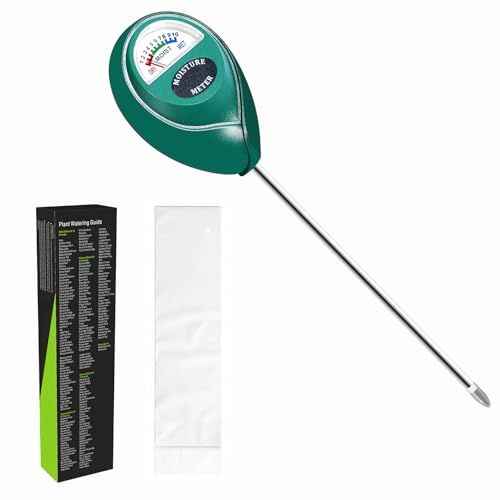
What are the moisture meter readings to aim for with a ZZ plant?
A moisture meter reading between 1-3 (dry to slightly moist) is ideal before watering your ZZ plant. Never water when the reading is above 3.
Insert the moisture meter halfway down the pot to get an accurate reading of the root zone moisture. Surface soil may appear dry while deeper soil remains wet.
For ZZ plants without a moisture meter, the finger test works well. The soil should feel dry at least 2-3 inches deep before watering again.
What care tips can ensure a healthy growth rate for a ZZ plant?
Place your ZZ plant in indirect light for optimal growth. While they tolerate low light, moderate indirect light promotes healthier growth without watering complications.
Use a well-draining potting mix specifically formulated for succulents or add perlite to regular potting soil. This prevents water retention while providing necessary nutrients.
Fertilize sparingly, only during the growing season (spring and summer) with a diluted balanced fertilizer. Over-fertilizing can damage ZZ plants and create more watering issues.

Conclusion
ZZ plants need less water than many indoor plants. They thrive when the soil dries completely between waterings. This usually means watering every 2-4 weeks, depending on your home conditions.
Check the soil by inserting your finger about 2 inches deep. Only water when it feels completely dry. The amount of light your plant receives affects watering frequency—plants in brighter spots may need more water.
Season changes matter too. ZZ plants typically require less water in winter and more in summer. Always use well-draining soil and pots with drainage holes to prevent root rot.
Overwatering is the biggest threat to ZZ plants. When in doubt, it’s better to underwater than overwater. These resilient plants can bounce back from drought but struggle to recover from soggy conditions.
With proper watering habits, ZZ plants will reward you with years of lush, glossy foliage. Their forgiving nature makes them perfect for busy or forgetful plant owners.

Hello there! I’m Elsa, and gardening is my passion. As an avid gardener, I created GardeningElsa.com to share my knowledge and experience with fellow enthusiasts. My website is a comprehensive resource for gardeners of all levels, offering expert advice on a wide range of topics, including plants, flowers, herbs, and vegetable gardening. Whether you’re a beginner looking to start your first garden or a seasoned pro seeking to expand your knowledge, GardeningElsa.com has something for everyone. Read more about me.