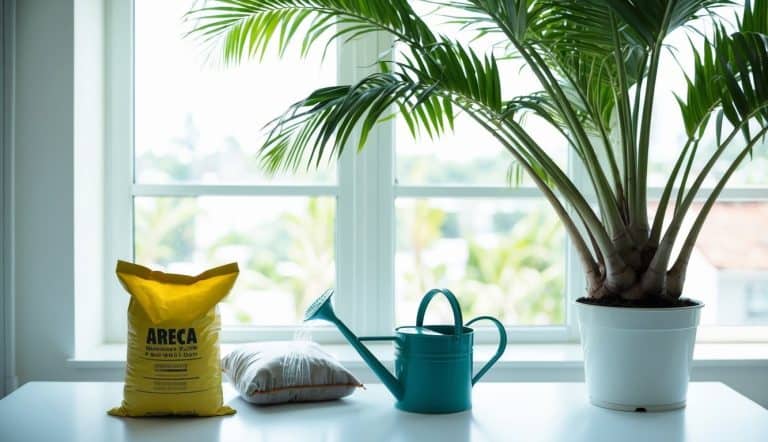
Outdoor Gardening: Essential Tips for a Thriving Green Space

Outdoor gardening brings nature’s beauty right to your home. It allows you to grow vibrant flowers, tasty vegetables, and lush greenery in your yard or patio. With some basic knowledge and a bit of effort, anyone can create a thriving garden space.

The key to successful outdoor gardening is choosing the right plants for your environment and giving them proper care. Sun-loving plants need at least 6 hours of direct sunlight daily. Low-maintenance options like panicle hydrangeas and drought-tolerant native plants are great for beginners. Good soil, regular watering, and occasional pruning help plants stay healthy.

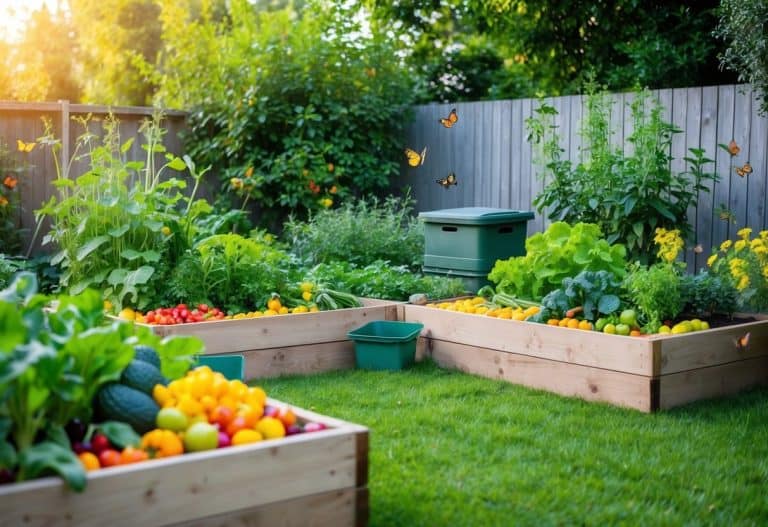
Starting small is a smart approach for new gardeners. A few containers on a patio or a small raised bed are perfect ways to dip your toes into outdoor gardening.

As skills and confidence grow, the garden can expand. With time and care, even modest spaces can become lush, colorful oases that enhance your home’s beauty and provide a relaxing outdoor retreat.

Planning Your Garden Space

A well-planned garden space can boost curb appeal and create an enjoyable outdoor area. Thoughtful design considers location, light conditions, and visual impact.

Start Outdoor Gardening

Choosing the Right Location

Pick a spot that’s easy to access and maintain. Look for level ground to avoid flooding or erosion issues. Consider proximity to water sources for easy watering. Think about views from inside your home. A garden visible from windows adds beauty year-round.

Keep plants away from foundations and utilities. Allow room for growth and maintenance. Group plants with similar needs together. This makes care easier and more efficient.

Check out How to Make an Organic Garden in Home in Your Backyard?

Assessing Sunlight and Shade

Watch how sunlight moves across your yard. Most vegetables and flowers need 6-8 hours of direct sun daily. Shade-loving plants thrive with less light.

Use a sun map to track light patterns. Note sunny and shady spots at different times. This helps match plants to the right growing conditions.

Some plants tolerate partial shade. Others need full sun. Place taller plants where they won’t block sun from shorter ones.

Maximizing Curb Appeal

Create a welcoming entry with colorful flowers or shrubs. Use plants of varying heights for visual interest. Add a focal point like a tree, fountain, or sculpture.

Plan for year-round appeal. Mix evergreens with seasonal blooms. Use hardscaping like paths or walls to define spaces.

Consider your home’s style when choosing plants and materials. A cohesive look boosts curb appeal. Don’t forget night lighting to showcase your garden after dark.

Check out How to Clean Up Your Garden?

Designing Your Outdoor Garden

A well-designed outdoor garden adds beauty and function to your space. Key elements include privacy, comfortable seating, and eye-catching focal points.


Best Choice Products 72x23x30in Raised Garden Bed, Elevated Wood Planter Box Stand for Backyard, Patio, Balcony w/Divider Panel, 6 Legs, 300lb Capacity - Natural

Creating Privacy with Shrubs and Hedges

Shrubs and hedges offer natural screening for your garden. Choose fast-growing evergreens like arborvitae or boxwood for year-round privacy. Plant them in rows along property lines or around seating areas.

Clipped hedges create a neat, formal look. Prune them regularly to maintain shape. For a more relaxed feel, mix different shrub types.

Layer plants of varying heights for depth. Tall shrubs in back, medium ones in the middle, and low-growing plants in front. This creates a lush, private oasis.

Incorporating Seating Areas

Comfortable seating invites relaxation in your garden. Pick a spot with a nice view or tucked away for quiet moments. Add a patio or deck if you don’t have one.

Choose weather-resistant furniture that fits your style. Options include:

  • Wooden benches
  • Adirondack chairs
  • Outdoor sofas
  • Bistro sets

Add cushions and pillows for comfort. An umbrella or shade sail provides protection from sun and rain.

Adding Focal Points with Water Features

Water features create a calming focal point in gardens. The sound of flowing water masks noise and attracts wildlife. Popular options include:

  • Fountains
  • Ponds
  • Waterfalls
  • Bird baths

Choose a size that fits your space. Small gardens benefit from wall fountains or tabletop water features. Larger yards can handle ponds or streams.

Place water features where they’re visible from seating areas. Surround them with plants for a natural look. Add lighting to enjoy them at night.

Soil Preparation and Amendment

Getting your soil ready is key for a great garden. Good soil helps plants grow strong and healthy. Let’s look at how to test and improve your soil.


Back to the Roots 100% Organic Potting Mix (Value 12 Quart) | Premium Blend | Made in The USA

Testing Soil Quality

Start by checking your soil. You can buy a home test kit or send a sample to a lab. These tests show what’s in your soil now. They tell you about nutrients, pH levels, and soil type.

Look for things like nitrogen, phosphorus, and potassium. These help plants grow. Also check the pH. Most plants like soil that’s not too acidic or alkaline.

Soil texture matters too. Is it sandy, clay-like, or loamy? Each type needs different care.

Amend Your Soil for Better Growth

Once you know what your soil needs, you can make it better. Adding organic matter is often a good start. Compost is great for this. It feeds the soil and helps it hold water.

Mix compost into the top 8-12 inches of soil. This is where most plant roots grow. For clay soil, add sand to improve drainage. For sandy soil, add more organic matter to help hold water.

If your soil lacks nutrients, add fertilizer. Choose one that matches what your soil needs. Organic options like aged manure work well too.

Cover bare soil in winter. This stops erosion and keeps nutrients in place. Use mulch or plant cover crops. Your garden will thank you next spring!

Choosing Plants for Your Garden

Picking the right plants is key for a thriving garden. The best choices match your climate, need little care, and bloom for long periods.


Best Choice Products 8x4x2ft Outdoor Metal Raised Garden Bed, Deep Root Planter Box for Vegetables, Flowers, Herbs, and Succulents w/ 478 Gallon Capacity - Gray

Selecting Outdoor Plants for Your Climate

Pick plants that suit your local weather. Check your area’s hardiness zone before buying. This ensures plants can handle winter cold and summer heat. Native plants often do well with less work.

Some good choices for colder areas are daffodils and catmint. Warmer spots can try salvia or lavender. These plants adapt to many climates and soils.

Ask local garden centers for advice. They know which plants grow best nearby. Test your soil type and pH. This helps match plants to your garden’s needs.

Considering Low-Maintenance Plants

Low-maintenance plants save time and effort. They need less water, pruning, and care. Many are tough and resist pests and diseases.

Succulents are great low-care options for dry areas. They store water and rarely need watering. Ornamental grasses also need little attention. They add movement and texture to gardens.

Perennials like lavender and salvia come back yearly. They need less work than annuals. These plants often attract bees and butterflies too.

Planting for Continuous Blooms

Plan your garden for flowers all season. Mix plants that bloom at different times. This keeps color in your yard from spring to fall.

Early bloomers like daffodils start the show. Follow with mid-season flowers like salvia. Late bloomers such as asters finish the year strong.

Group plants by bloom time. This creates waves of color across your garden. Add some evergreens for year-round interest. Plants with colorful leaves also help when flowers fade.

Outdoor Gardening Tips

Container and Patio Gardening

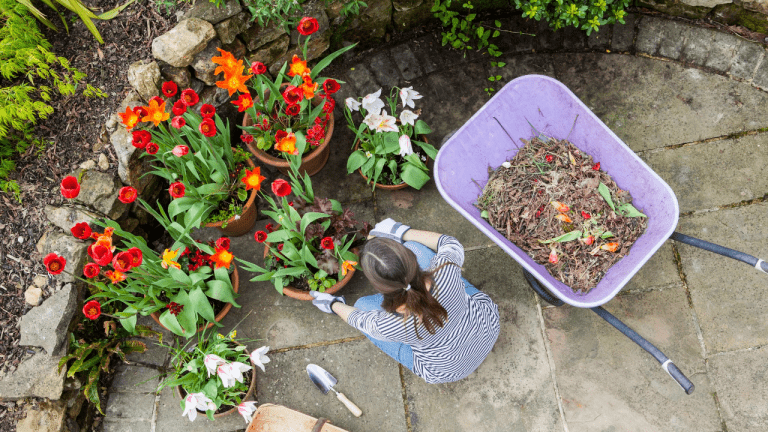
Container and patio gardening lets you grow plants in small spaces. It’s perfect for people with limited outdoor areas. This type of gardening is easy to manage and can create beautiful displays.

Choosing Containers for Your Plants

Pick containers that fit your space and plants. Plastic pots are light and cheap. Clay pots look nice but dry out faster. Make sure all containers have drainage holes.

Big plants need big pots. Small herbs can grow in little containers. Match pot size to plant size for best results.

Dark pots heat up more in the sun. Light-colored containers stay cooler. This matters for plant health.

Use trays under pots to catch water. This keeps your patio clean. It also stops water from staining surfaces.

Creating a Patio Garden Oasis

Start with a plan for your patio garden. Think about sun and shade spots. Put sun-loving plants in bright areas. Shade plants go in cooler spots.

Add different heights to create interest. Tall plants in back, short ones in front. This makes your garden look fuller.

Include comfy seating in your patio garden. A chair or bench lets you enjoy your plants up close.

Use plant stands or shelves to save space. These let you stack plants vertically. It’s great for small patios.

Arranging Potted Plants and Window Boxes

Group plants with similar needs together. This makes watering and care easier. Put drought-tough plants in one spot. Thirsty plants go in another.

Create color themes in your containers. Use plants with flowers or leaves in matching shades. This looks neat and planned.

Fill window boxes with trailing plants. They spill over the edges and look pretty. Mix in upright plants for balance.

Rotate potted plants often. This helps them grow evenly. It also lets you change your patio’s look easily.


Best Choice Products Raised Garden Bed 48x24x32-inch Mobile Elevated Wood Planter w/Lockable Wheels, Storage Shelf, Protective Liner - Natural

Garden Maintenance and Care

Taking care of your garden is key to keeping it healthy and beautiful. Regular tasks help plants grow strong and look their best.

Regular Pruning and Trimming

Pruning keeps plants in shape and encourages new growth. Cut back overgrown branches in spring or fall. Remove dead or diseased parts anytime. Use clean, sharp tools to avoid damaging plants.

For trees, focus on removing crossing branches and opening up the canopy. This lets in more light and air. Shrubs need shaping to keep their form. Trim flowering shrubs right after they bloom.

Perennials benefit from deadheading spent flowers. This can lead to more blooms. Some plants, like lavender, need a hard prune each year to stay compact.

Managing Weeds and Pests

Weeds compete with garden plants for water and nutrients. Pull them out by hand when the soil is moist. Use mulch to stop weed seeds from sprouting.

For larger areas, try weed barriers or landscape fabric. These block weeds while letting water through. Be careful with chemical weed killers near wanted plants.

Watch for signs of pests like holes in leaves or wilting. Pick off bugs by hand when possible. Use insecticidal soaps for soft-bodied pests.

Set traps for larger pests like slugs. Keep the garden clean to reduce hiding spots for pests. Encourage helpful insects by planting flowers they like.

Seasonal Garden Upkeep

Spring is time to clean up winter debris and prepare beds. Add compost to soil and plant new additions. Summer means regular watering and deadheading.

Fall is for planting bulbs and trees. It’s also time to clean up leaves and cut back perennials. Mulch beds to protect roots from winter cold.

In winter, check for damage from ice or snow. Prune dormant trees and shrubs. Plan next year’s garden and order seeds.

Water deeply but less often in hot weather. This encourages deep root growth. Adjust watering based on rainfall and plant needs.

Landscape Enhancements

Upgrading your outdoor space can add beauty and function to your garden. Smart additions like walls, structures, and plantings can transform your landscape.

Building Retaining Walls and Trellises

Retaining walls help manage slopes and create level areas in your yard. They can be made from stone, brick, or wood. Low walls also work as seating. Taller walls open up space for plantings.

Trellises add vertical interest. They support climbing vines and flowers. Place a trellis against a fence or as a freestanding structure. Wood and metal are common trellis materials.

Both retaining walls and trellises can define garden rooms. They create backdrops for plants and divide spaces. This adds depth to your landscape design.

Adding a Shade Tree or Garden Pond

A shade tree cools your yard and creates a focal point. Choose a tree that fits your space when full grown. Popular options include maples, oaks, and dogwoods.

Garden ponds bring water and wildlife to your landscape. They can be small or large. Add plants and fish to create a balanced ecosystem.

Water features like ponds create soothing sounds. They attract birds and beneficial insects. A shade tree next to a pond makes a peaceful spot to relax.

Creating Beautiful Flower Beds

Well-designed flower beds add color and texture to your yard. Mix perennials for year-round interest with annuals for seasonal pops of color.

Plan beds with layers. Put tall plants in back, medium in the middle, and short in front. This creates depth and allows all plants to be seen.

Use mulch in your beds. It keeps soil moist and reduces weeds. Choose plants that match your soil and sunlight conditions. Group plants with similar needs together for easy care.

Square Foot Gardening

Square foot gardening is a method that helps grow more crops in less space. It uses a grid system to divide garden beds into small square sections.

The typical size for each square is 12 inches by 12 inches. Gardeners plant different crops in each square based on their size and spacing needs.


Kdgarden Raised Garden Bed Kit 4'x4' Outdoor Above Ground Planter Box for Growing Vegetables Flowers Herbs, DIY Gardening, Whelping Pen and More, Screwless White Vinyl Garden Bed with Grid

This approach has several benefits:

  • Maximizes space usage
  • Reduces water and fertilizer waste
  • Makes it easier to plan and manage crops
  • Allows for better pest control

To start square foot gardening:

  1. Build raised beds or use existing garden space
  2. Create a grid dividing the area into 1-foot squares
  3. Fill with a mix of compost and soil
  4. Plant each square according to crop spacing guidelines

Some popular crops for square foot gardens include:

  • Tomatoes (1 per square)
  • Lettuce (4 per square)
  • Carrots (16 per square)
  • Beans (9 per square)

Square foot gardening works well in small spaces like front yards or patios. It’s ideal for beginners and experienced gardeners alike.

This method can produce a surprising amount of food in a compact area. With proper planning, a 4×4 foot bed can yield enough vegetables for a small family.

Outdoor Gardening

Here are a few square foot gardening blogs:

Various Plants for Outdoor Gardening

Outdoor gardening offers many plant options for creating beautiful landscapes. Here are some popular choices for U.S. gardens:

Sunflowers: Tall plants with large yellow blooms that track the sun. They grow quickly and attract birds.

Lavender: Fragrant purple flowers on silvery-green stems. This drought-tolerant plant repels pests and attracts pollinators.

Black-Eyed Susan: Bright yellow flowers with dark centers. These hardy perennials bloom from summer to fall.

Coneflower: Pink, purple, or white daisy-like flowers. They’re tough plants that butterflies love.

Daylily: Colorful trumpet-shaped blooms. Each flower lasts one day, but plants produce many buds.

Hosta: Leafy plants with varied colors and patterns. They thrive in shade and add texture to gardens.

Phlox: Clusters of small, fragrant flowers. They come in many colors and attract butterflies.

Peony: Large, showy flowers in spring. These long-lived plants have lush foliage.

Hydrangea: Big flower clusters that change color based on soil pH. They prefer partial shade.

Azalea: Colorful spring-blooming shrubs. They need acidic soil and partial shade.

Rhododendron: Evergreen shrubs with large flower clusters. They like cool, moist conditions.

Boxwood: Dense evergreen shrubs. They’re often used for hedges and can be shaped easily.

Butterfly Bush: Long flower spikes that attract butterflies. They bloom all summer long.

Russian Sage: Lavender-blue flowers on silvery stems. This drought-resistant plant blooms late summer.

Sedum: Succulent plants with star-shaped flowers. They’re great for rock gardens and dry areas.

Clematis: Climbing vines with large, showy flowers. They need support to grow up walls or trellises.

Dogwood: Small trees with spring flowers and colorful fall foliage. They grow well in partial shade.

Magnolia: Trees or shrubs with large, fragrant flowers. They can be evergreen or deciduous.

Zinnia: Bright, daisy-like flowers in many colors. They bloom all summer and attract butterflies.

Marigold: Orange or yellow flowers that repel pests. They’re easy to grow from seed.

Petunia: Trumpet-shaped flowers that bloom all summer. They work well in containers or borders.

Geranium: Colorful flowers and scented leaves. They’re popular for window boxes and pots.

Impatiens: Shade-loving plants with continuous blooms. They come in many bright colors.

Begonia: Plants with waxy leaves and delicate flowers. They thrive in shade or partial sun.

Coleus: Grown for colorful foliage rather than flowers. They add bright splashes of color to shady spots.

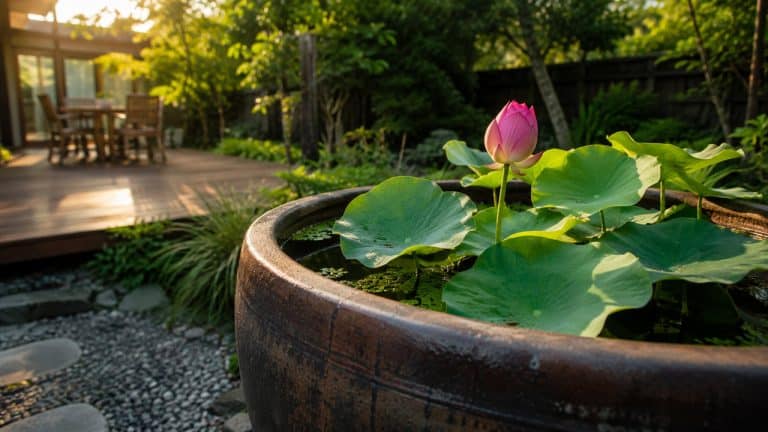
Lotus: Lotus, a beautiful aquatic plant, graces tranquil ponds with its stunning blooms. Revered in many cultures, the lotus symbolizes purity, enlightenment, and rebirth.

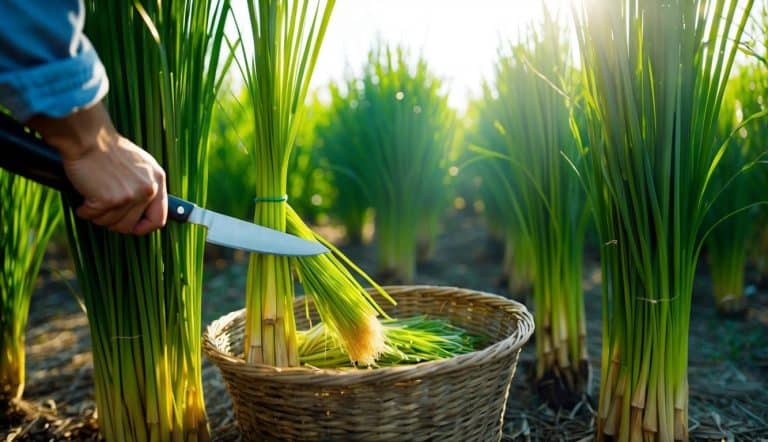
Lemongrass: To grow lemongrass outdoors, plant it in full sun, with plenty of water, in a rich, well-draining soil. Lemongrass prefers well-drained, moist, rich loam soil with high organic content.

Space plants 24 inches apart and water regularly to keep the soil moist. In areas with frost, dig up the plants, split them, pot them, and replant in spring.

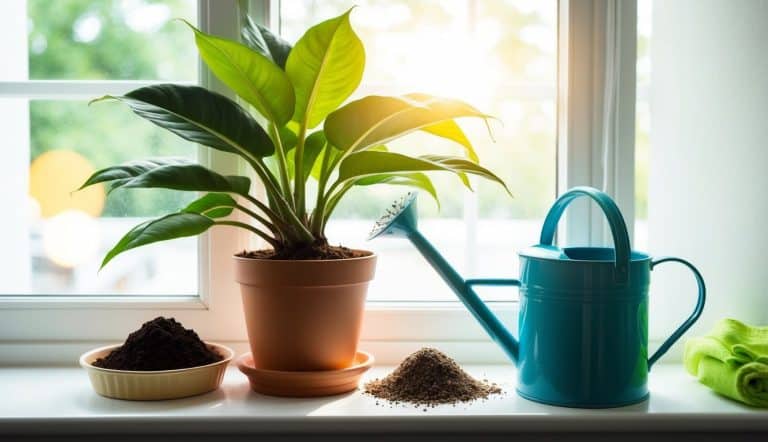
Money Tree Plant: The Pachira aquatica, commonly known as the money tree plant, is a beloved houseplant that has captured the hearts of many plant enthusiasts.

Native to the wetlands of Central and South America, this plant is visually appealing and carries a rich history and cultural significance. Beyond its attractive appearance, the money tree plant is also associated with good fortune and prosperity.

As a houseplant, the money tree plant is relatively low-maintenance and adaptable to various growing conditions. It thrives in bright, indirect light and prefers well-draining soil.

Overwatering should be avoided, as the plant is susceptible to root rot if left in soggy soil. With proper care, a money tree plant can grow up to 6-8 feet tall indoors, making it a striking addition to any room.

Conclusion

Outdoor gardening offers many rewards for those who try it. It lets people grow their own fresh food at home. This can save money on groceries and provide healthier eating options.

Gardening also gets people outside in nature. The physical activity of digging, planting, and weeding is good exercise. Being outdoors in the fresh air and sunshine improves mood and reduces stress.

Tending a garden teaches patience and responsibility. Plants need regular care to thrive. Watching seeds sprout and grow into mature plants is satisfying.

Gardens add beauty to homes and neighborhoods. Colorful flowers and lush greenery make outdoor spaces more attractive. Well-kept gardens can even increase property values.

Gardening connects people with the natural world. It shows how plants grow and how ecosystems work. This hands-on learning is valuable for both adults and children.

Anyone can start gardening, even with limited space. Container gardens on patios or windowsills are options for those without yards. Community gardens offer plots for people in apartments.

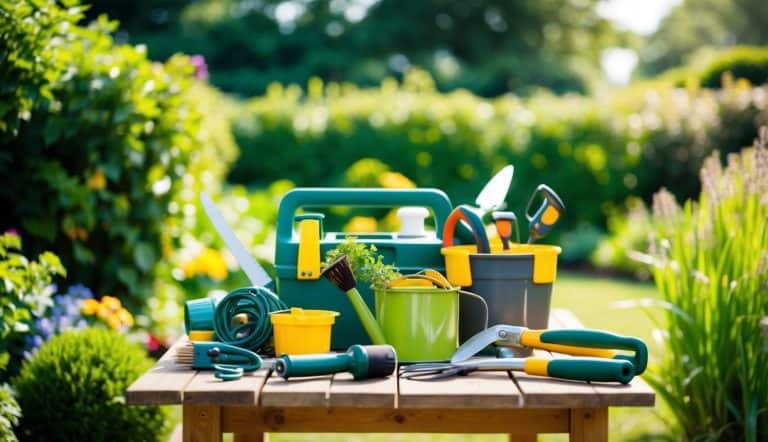
With some basic knowledge and simple tools, outdoor gardening is an enjoyable hobby. It provides food, exercise, learning, and a sense of accomplishment.

You may also like:

vegetable garden ideas

10 Vegetable Garden Layout Ideas