
Yes, you can grow lotus in soil. In fact, lotus has to grow in soil.
The best soil for a potted lotus is a heavy clay loam with little organic matter, kept under 2 to 4 inches of water in a wide pot with no drainage holes.
The heavy clay holds the tuber in place, sinks instead of floating, and stores nutrients without clouding the water. Light potting soil does the opposite.
It floats, rots, and turns your pot into murky soup, which is the most common reason new lotus plants fail in their first season.
Why Does Lotus Need Heavy Soil Under Water?
Lotus needs heavy soil because it’s a bottom-rooted water plant that lives in the mud of ponds and slow rivers. Dense clay anchors the spreading roots, sinks under water, and feeds the plant slowly while the water above stays clear. If you are stocking up, a balanced liquid fertilizer is the first thing I would pick up.
How Dense Soil Anchors Lotus Rhizomes
Nelumbo nucifera (sacred lotus) and its American cousin, Nelumbo lutea, grow from long, banana-shaped lotus rhizomes. In spring, these lotus tubers send out runners that creep sideways through the mud.
A freshly planted tuber has no roots yet. It’s full of air pockets, so it wants to float. Heavy, sticky soil grips it until fine roots form, usually within the first week or two.
Later in summer, standard lotus plants grow leaves 4 to 6 feet tall. Those big leaves act like sails in the wind, and only dense soil keeps the whole plant from tipping or pulling loose.
How Soil Holds Nutrients Without Clouding the Water
Clay particles are tiny and carry a charge that holds onto plant nutrients. That makes clay loam a naturally nutrient-rich soil for aquatic plants, even with very little organic matter in it.
Because clay settles hard and stays put, water clarity stays good. The water quality also holds up better, since there’s no loose material breaking down and feeding algae.
Soil aeration works differently underwater. Lotus moves oxygen down through its hollow leaf and flower stems to the roots, so the soil itself doesn’t need air spaces. That’s why you should never cut lotus stems below the waterline.
Which Soil Should You Choose for a Lotus Container?
My first choice is a clay loam, meaning a heavy soil with plenty of clay mixed with some silt and sand. Bagged aquatic planting soil is a close second, and plain garden topsoil works well if it’s heavy and low in organic matter.
Clay Loam vs. Aquatic Planting Soil
Clay loam is the closest match to a natural pond bottom. A blend of mostly clay with some sand gives lotus a firm base that runners can still push through.
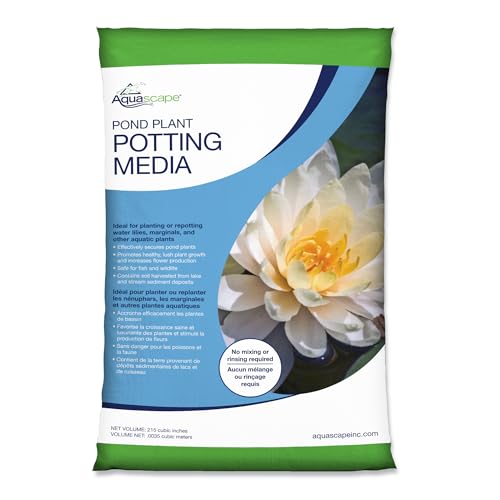
Aquatic plant soil (sometimes sold as aquatic soil or pond soil) is made for pond plants. It’s usually heavy clay-based granules that sink and don’t cloud the water much.
| Feature | Clay Loam | Aquatic Planting Soil | Heavy Garden Topsoil |
|---|---|---|---|
| Sinks under water | Yes | Yes | Yes, if heavy |
| Cloudiness at first | Moderate | Low | Moderate |
| Organic matter | Low | Very low | Varies |
| Cost | Free to low | Higher | Low |
| Best for | Pots and ponds | Ponds with fish | Patio pots |
For soil composition for lotus, aim for roughly half to two-thirds clay, with the rest silt and sand. Soil pH should land near neutral, around 6.5 to 7.5.
When Garden Topsoil Is Suitable
Bagged topsoil from a garden center can work, as long as the bag says topsoil and not potting soil. Squeeze a wet handful. If it holds a firm, sticky ball, it’s heavy enough.
Skip any topsoil labeled with added compost, peat, or wetting agents. Those extras float and break down underwater.
How Much Soil Does a Lotus Container Need?
A lotus container needs only 4 to 5 inches of soil. Width counts far more than depth, because lotus runners grow sideways and a cramped pot cuts down on flowers.
Match Soil Depth and Container Width to the Lotus
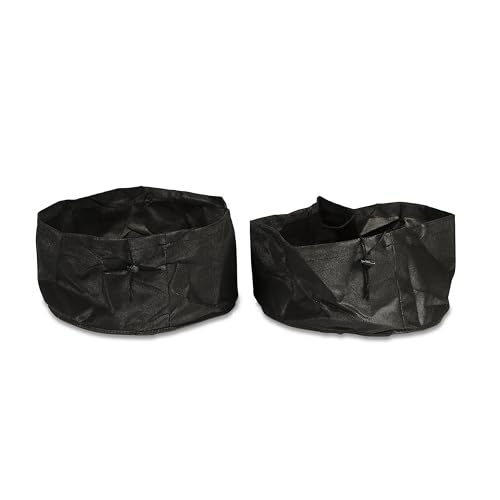
Use round aquatic pots or tubs with no drainage holes. Square corners can trap and kink a growing tuber.
- Bowl and micro lotus: pots 10 to 16 inches wide, 3 to 4 inches of soil
- Dwarf lotus: pots about 24 inches wide, 4 inches of soil
- Standard lotus: pots at least 24 inches wide, 4 to 5 inches of soil
- Display plants: 3 to 5 feet wide tubs or stock tanks, 5 inches of soil
If you’d like a small tabletop version, here’s how to grow a lotus in a bowl. A 24-inch pot with 4 inches of soil holds roughly 6 to 7 gallons of lotus soil.

Leave Room for Water Above the Soil
Pick a pot that’s about 7 to 10 inches deep. That leaves space for at least 2 to 4 inches of water above the soil.
Leave some headroom, too. As runners and new tubers fill the pot, the soil surface rises over the season.
How Do You Prepare Clay Soil and Plant a Lotus Tuber?
Plant by mixing heavy soil into a smooth mud, laying the tuber on top, and lightly covering only its body. Plant once nights stay above 50°F, usually April in the Southeast and late May in the Northeast and Midwest.
A Simple Clay-Loam Lotus Soil Mix
This lotus soil mix fills a 24-inch pot to about 4 inches deep:
- Add about 4 gallons of heavy clay or clay loam to the pot.
- Mix in about 2 gallons of coarse sand or a heavy bagged topsoil.
- Pick out roots, sticks, leaves, and stones.
- Add water slowly and stir until it looks like thick brownie batter.
- Smooth the surface flat.
This mud gives good moisture retention and a firm grip from day one.
Set the Tuber Without Burying Its Growing Tips
Handle the tuber gently. The pointed growing tips snap off easily, and a tuber with no tips won’t sprout at all.
Lay it flat on the mud near the pot’s edge with the tip pointing toward the center. Push the body down slightly and cover it with about 1 inch of soil, leaving the tips and cut end uncovered.
If the tuber keeps lifting, set a smooth stone on the body only. Keep the tips clear.
Add Water Gently as Leaves Develop
Pour water slowly over your hand or a saucer so you don’t wash the soil away. Start with about 2 inches of water over the soil.
Small round coin leaves float first. Once two or three standing leaves appear, raise the water a few inches at a time.
My lotus care guide covers sun and temperature needs, but in short, growing lotus takes 6 or more hours of sun and about 3 months above 75°F.
How Can You Test Soil From Your Yard?
You can check yard soil for free with two quick home tests. They tell you whether you have enough clay, and a lab test tells you if it’s clean.
Use a Jar Test to Check Sand, Silt, and Clay
Fill a clear quart jar about one-third with soil. Add water until it’s three-quarters full, plus a tablespoon of dish soap to help the particles separate.
Shake hard for a few minutes, then set it down. Sand settles within a minute, silt within a few hours, and clay can take a couple of days.
Measure each layer and divide by the total height. For lotus, you want at least 30 to 40 percent clay. Mostly sandy soil won’t work on its own.
Use a Ribbon Test to Check Clay Content
Wet a walnut-sized lump of soil until it feels like putty. Squeeze it between your thumb and finger, pushing it up into a flat ribbon.
- Under 1 inch before breaking: loam or sandy soil
- 1 to 2 inches: clay loam, which is ideal
- Over 2 inches: heavy clay, also great for lotus
Gritty soil means sand. Smooth, sticky soil means clay.
Check for Contaminants Before Using Yard Soil
Avoid soil near old painted houses, driveways, or roadsides, where lead can build up. Skip lawns treated with weed killers, since some herbicides stay active and harm water plants.
A local soil-testing lab can run low-cost tests. Ask for a basic test plus lead.
Which Soil Ingredients Should You Avoid?
Avoid anything light, fluffy, or rich in organic matter. Underwater, those ingredients float, sour, or rot the tuber.
Why Potting Mix and Lightweight Amendments Float
Potting mix is built from peat moss, coconut coir, perlite, and vermiculite. Those materials are light and full of air, so they rise to the surface the moment you add water.
Floating mix leaves the tuber exposed and coats the water with a messy film. Any bag labeled potting soil, potting mix, or container mix belongs in your flower beds.
Why Compost and Manure Can Cause Problems Under Water
Compost and well-rotted manure keep breaking down underwater. Without oxygen, they turn sour and smell like rotten eggs.
That process can rot tubers and release nutrients that feed green algae. I’d keep added organic matter close to zero and feed with tablets later.
Why Sand Alone Cannot Support Lotus
Pure sand holds almost no nutrients and drains them straight into the water. It also shifts easily, so runners can’t anchor well.
Sand works fine as part of a clay mix. Lotus rooted in plain gravel or water needs constant feeding, and you can read how some growers grow lotus without soil if you’re curious.
Should You Cap Lotus Soil with Gravel or Sand?
A thin cap of pea gravel or coarse sand helps in a pond, but you can skip it in patio pots. In my view, it’s most useful where fish live or where soil isn’t very sticky.
When a Thin Cap Helps Keep Water Clear
Koi and goldfish root around in soil, which clouds the water and can uproot young tubers. A cap of about ½ to 1 inch of pea gravel keeps the soil in place.
A cap also helps if your soil is more loam than clay. It holds the surface down and protects water clarity when you move the pot. Rinse gravel or sand first to remove dust.
How to Avoid Covering the Growing Tips
Spread the gravel by hand around the tuber, never over the tips. The growing points must stay exposed to the water.
For a pond, let the tuber root in a sunny spot for two to three weeks before sinking it. My notes on how deep to plant lotus in a pond help you set the right depth.