Growing healthy lotus plants (Nelumbo spp.) in water gardens takes more than just a pretty pond. They’re hungry plants and need regular feeding during their growing season, which runs from spring through summer.
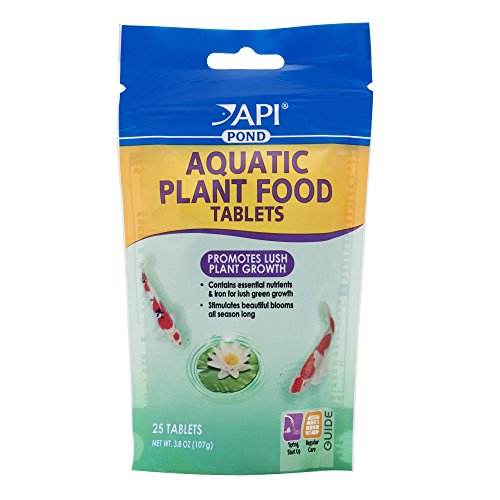
If you want those wild blooms and lush leaves, grab aquatic plant tablets with a high middle number in the NPK ratio—like 10-26-10—meant for water lilies and lotus.
Fertilizer tablets work best when you push them 2-3 inches into the planting soil, keeping them away from direct root contact. Some gardeners swear by commercial pond tablets, while others mix in organic options like compost or well-rotted manure.
High phosphorus in those specialized fertilizers really amps up the flowers. Nitrogen and potassium keep the rest of the plant and roots strong.
Understanding Lotus Plants in USA Water Gardens
Lotus plants (Nelumbo spp.) bring a certain magic to water gardens in the States. They’re not the easiest, but their beauty makes the effort worth it.
Overview of Lotus Species and Varieties
In American water gardens, you’ll mostly find two lotus species: Nelumbo nucifera (Asian lotus) and Nelumbo lutea (American lotus). Asian lotus comes in pink, white, red, or yellow, while the American one tends to stick with pale yellow.
Dwarf types like ‘Momo Botan’ stay short—just a couple feet—so they’re perfect for containers. Medium ones like ‘Empress’ shoot for 3-4 feet, fitting nicely in mid-sized ponds.
Giant varieties such as ‘Alba Grandiflora’ can stretch up to 6 feet and need real space. You’ll also see lotus grouped by flower form: single, semi-double, double, and those wild thousand-petal types.
Hardy lotus can handle USDA zones 4-11. You can try the more tender kinds if you’re in a warmer spot (zones 8-11).
Environmental Requirements for Healthy Growth
Lotus love full sun—think 6-8 hours a day. Water temperature’s a big deal too; they wake up when it hits 70°F.
Water depth matters. Most varieties like 4-18 inches of water over their soil. Go deeper and they’ll slow down, but keep it shallow and they’ll take off.
Still water is best—don’t put them where there’s a lot of movement. For soil, heavy clay or loam with lots of organic matter is the way to go.
Use a deep, wide container (12 inches deep and 16 inches across, no drainage holes). Keep the pH between 6.5 and 7.5 for happy lotus.
Lotus Life Cycle and Flowering Traits
The growing season for lotus in most US gardens runs from May to October. First, you’ll see tiny floating leaves from the rhizomes, then tall leaves popping up above the water.
Flowers show up about 3-4 months after planting—usually mid-July through September. They open in the morning, close by late afternoon, and each one lasts just a few days.
One healthy plant can crank out a bunch of flowers in a season. After blooming, you’ll spot those funky seedpods with edible seeds inside.
Come fall, the leaves yellow and drop, and the plant goes dormant. The rhizome just hangs out at the pond bottom, waiting for next spring. If you’re up north, you might need to add extra protection for winter.
Key Fertilizer Recommendations for Lotus Plants
Lotus need specific nutrients to really thrive. The right fertilizer keeps their leaves healthy, roots strong, and flowers blooming all summer.
Essential Nutrients and Application Timing
They mainly want nitrogen, phosphorus, and potassium. Nitrogen gives you that lush foliage. Phosphorus is all about roots and flowers, and potassium helps with overall health and disease resistance.
Start fertilizing in spring when you see new growth—usually when the water hits 70°F (21°C).
Keep it going every 3-4 weeks through late summer. Stop about 6-8 weeks before the first frost if you’re in a cooler region.
If your lotus are young, go easy—use half the recommended amount. Once they’re settled, you can bump it up to full strength.
Types of Lotus Fertilizers for Water Gardens
Tablet fertilizers are the go-to for lotus. They release nutrients slowly and don’t mess up water quality. Just push them into the clay soil or growing medium near the roots.
If you’re more into organic gardening, well-rotted manure and compost work great too. They feed the soil and help good microbes thrive.
You’ll find aquatic plant fertilizers with balanced N-P-K ratios—10-10-10 is a classic choice. These are made just for water gardens.
If possible, skip liquid fertilizers. They spread too fast and usually feed algae instead of your lotus.
Selecting Fertilizer Products for USA Climates
Down south, lotus enjoy longer seasons. Use slow-release fertilizers that won’t dump all their nutrients at once in the heat.
In northern areas, try fertilizers with a bit more nitrogen—something like a 12-8-8 ratio helps them grow quickly during shorter summers.
Always check the label for “aquatic plants.” These products are less likely to cause algae problems.
Recommended fertilizer options:
- Aquatic plant tabs (slow-release)
- Specialized lotus fertilizers with balanced ratios
- Organic options like composted manure tablets
Stick to the package directions. Too much fertilizer can harm the plants and mess up your pond’s water quality.
Fertilizer Application Techniques in Water Gardens
How you apply fertilizer makes a big difference for the lotus. Each water garden setup needs its own approach to get the best results without turning the pond into a green soup.
Root Feeding Strategies for Lotus
Root feeding is the way to go. When you’re planting lotus rhizomes, mix in slow-release fertilizer tablets with the soil.
For established plants, push tablets 2-3 inches deep and at least 4 inches from the rhizome to avoid burning. Try aquatic plant fertilizer tablets with a 10-14-8 NPK ratio for balanced growth.
Apply every 3-4 weeks from May through August. Usually, 1-2 tablets per plant per month does the trick, but big lotus in mud ponds might need up to 4 tablets spaced around the roots.
Using Fertilizer in Containers and Mud Ponds
Container lotus need more frequent feeding than those in mud ponds. For pots, use 1 tablet for each gallon of soil, and put them near the edge, not right under the rhizome.
Mud pond lotus like granular fertilizers mixed into the bottom soil at planting—about 2-3 pounds per 100 square feet. Cover with 2 inches of clay soil before planting to lock in nutrients.
Tray gardens work well with fertilizer spikes for aquatic plants. Push them in at 8-inch intervals around the tray’s edge.
Container fertilizer schedule:
- At planting: 2 tablets per pot
- Early summer: 1-2 tablets monthly
- Late summer: Drop to 1 tablet monthly
Best Practices for DIY Fertilizer Application
DIY fertilizer balls are a budget-friendly option. Mix 2 parts clay soil, 1 part composted manure, and 1 part bone meal. Roll into 2-inch balls and let them dry all the way before using.
Always protect water quality. Wear gloves and don’t spill fertilizer into the pond. Instead of stirring up the whole pot, use a small trowel to tuck fertilizer into the soil.
For homemade “fertilizer pucks,” blend organic stuff with clay, press into silicone molds, and dry. They’ll release nutrients slowly over time.
Watch your plants after feeding. Yellow leaves mean they need more nitrogen. Tons of floating leaves but not many flowers? That’s usually too much nitrogen and not enough phosphorus.
Influence of Pond Ecosystem on Fertilizer Effectiveness
How well your lotus fertilizer works depends a lot on your pond ecosystem as a whole. Water quality, plant neighbors, and even fish can all mess with nutrient cycles in ways you sometimes don’t expect.
Managing Water Quality and Filtration
Water quality is huge. Keep the pH between 6.0 and 7.5 so lotus can soak up nutrients. Too much sediment can block roots from getting what they need.
Filtration systems can pull out some nutrients you just added. Try turning off pumps for a bit after fertilizing to give plants a chance to absorb what they need.
Pond construction matters. Clay-bottomed ponds hold onto nutrients better than plastic-lined ones. If you’ve got a liner, use planting baskets with heavy loam to give roots a steady supply.
Water movement from fountains can dilute fertilizer. Add fertilizer straight to the planting containers whenever possible—not all over the pond.
Interaction with Other Aquatic Plants and Algae
Lotus competes with other aquatic plants for nutrients. Fast growers like water lettuce or hyacinth can steal fertilizer before lotus get a chance.
Algae blooms usually mean there’s too much fertilizer in the water. If the pond turns green after feeding, you probably overdid it. Ease up on fertilizer and maybe add submerged plants like anacharis to soak up the extra nutrients.
Water lilies and lotus can share a pond, but they need different amounts of fertilizer. Lotus are hungrier, so it’s best to put each in its own container and feed them separately.
Some submerged plants, like hornwort or cabomba, actually help lotus by oxygenating the water and keeping things balanced. Not a bad combo, honestly.
Effect of Fish and Turtles on Lotus Nutrition
Fish naturally fertilize water gardens with their waste. Koi and goldfish, in particular, produce nitrogen-rich waste that can supplement commercial fertilizers.
You might need less commercial fertilizer if you have a moderate fish population. But bottom-feeding fish like koi sometimes uproot planting containers.
To keep lotus tubers secure, add a layer of gravel on top of the soil. This helps protect them from curious fish.
Turtles can cause trouble by nibbling on young lotus leaves and stems. If you keep turtles, try using barriers around new lotus growth.
Turtle waste adds some nutrients, but honestly, it’s not enough for optimal lotus growth. Fish feeding habits also matter for nutrient distribution.
Overfeeding fish leads to excess nutrients, which mostly feed algae rather than lotus. Stick to proper fish care and tweak lotus fertilization as needed.
Troubleshooting Fertilization Challenges
Even seasoned gardeners run into fertilization headaches with lotus plants. Figuring out the cause and acting quickly can keep your water garden on track.
Diagnosing Common Lotus Nutrient Deficiencies
Yellowing leaves usually indicate a nitrogen shortage. Older leaves first show this, fading from green to yellow.
It might lack phosphorus if your lotus isn’t growing much and the leaves look dark green or even a bit purple. This pops up more in cool water, when phosphorus is harder for plants to use.
Potassium issues show as brown edges or spots, mostly on older leaves. You might also notice fewer flowers and weaker stems.
Iron deficiency causes yellowing between the veins, but the veins stay green. This tends to happen in alkaline water, where iron becomes tough for plants to absorb.
Regular water quality tests help spot these issues early. Usually, deficiencies can be fixed with a balanced fertilizer (10-10-10) or a targeted supplement.
Preventing Over-Fertilization and Water Issues
Too much fertilizer can really mess up a water garden. Watch for signs like algae blooms, cloudy water, or lotus leaves with scorched tips.
If you think you overdid it, flush the pond or container with fresh water to dilute the nutrients. This helps restore balance.
Stick to fertilizer tablets or spikes made for aquatic plants. They release nutrients slowly, so you’re less likely to get sudden spikes.
Check water quality often, especially after fertilizing. Keep the pH between 6.5 and 7.5 so lotus plants can properly absorb nutrients.
If you’re sharing water with koi or other fish, use plastic barriers to separate lotus containers. This keeps fertilizer away from fish while still feeding your plants.
Addressing Pest and Disease Problems
Aphids and spider mites love to attack lotus, especially if the plants are undernourished. You can blast them off with a gentle spray or use insecticidal soap that’s safe for ponds.
Fungal diseases like black leaf spots often show up when plants are stressed. Remove affected leaves and improve your fertilization routine.
Crown rot happens when fertilizer touches the crown directly, especially if you’ve over-fertilized. Always place fertilizer tablets away from the crown and stems.
KoiPhen resources connect good water quality with disease resistance. Keeping nutrition balanced helps the lotus fight off pathogens naturally.
Healthy lotus plants outcompete algae for nutrients, which keeps the pond balanced. That’s good news for koi, too, since less algae means better oxygen levels.
Seasonal Fertilizer Adjustments for Lotus
Lotus plants need different fertilizing routines as the seasons change. When and how much you fertilize really affects blooms and plant health across the USA.
Spring and Early Growing Season Care
In early spring, lotus wakes up from dormancy and needs a nutritional boost for new growth. Start fertilizing when the water stays above 60°F, which is usually late April or May, depending on where you live.
For spring, use a slow-release aquatic fertilizer tablet or granular formula with a 10-14-8 ratio. Push tablets 1-2 inches into the soil near the rhizomes, but don’t let them touch directly.
If you’re in zones 5-6, start fertilizing in mid-May. Warmer zones (7-9) can begin in April.
Apply about one tablet per gallon of soil or follow the directions on the package. Go lighter on your first applications—this builds strong roots and leaves before blooming starts.
Summer Bloom Maximization Strategies
Summer is when lotus hit their stride and flower like crazy. Bump up fertilization during June through August to fuel this growth spurt.
Fertilize every 3-4 weeks during peak season. For containers:
| Container Size | Fertilizer Amount (tablets) |
|---|---|
| 5 gallons | 2-3 tablets |
| 10+ gallons | 3-5 tablets |
Look for formulas with extra phosphorus (the middle number) to boost blooms. Some folks even use tomato fertilizer spikes as a substitute for aquatic tablets.
If you see yellowing leaves, your lotus might be hungry. In hot zones (8-10), you’ll probably need to fertilize a bit more often since nutrients get used up faster.
Fall and Winter Lotus Maintenance
When September rolls in and temperatures drop, cut fertilizer applications in half. Stop fertilizing entirely about 6-8 weeks before your area’s first expected frost.
This helps the plant slow down and get ready for dormancy. Fertilizing too late can force new growth that won’t survive winter.
In zones 5-7, you might add a little potassium-rich fertilizer (like 10-10-14) in early fall. This strengthens the plant for winter without pushing new shoots.
Don’t fertilize dormant lotus in winter. If water freezes where you live, keep containers below the freeze line or move them somewhere safe. When water temperatures warm up, fertilization starts again in spring.
Landscaping and Aesthetic Considerations for Water Gardens
Designing a water garden with lotus is all about visual impact and how everything fits together. The right mix of plants, accessories, and hardscaping can really make an aquatic landscape pop.
Designing Lotus Displays with Other Pond Plants
Lotus is a real show-stopper with its tall stems and huge blooms. Put them in the center or back of the pond so you don’t hide smaller plants.
Water lilies pair well with lotus, offering lower foliage and blooms that float right on the water surface. For more variety, add marginal plants like iris and cattails along pond edges.
Floating plants like water lettuce or water hyacinth add movement and fill in gaps between bigger plants. They’re easy to shift around, too.
Think about when your plants bloom. Mix and match for continuous color all season long.
Integrating Fountains, Fish, and Accessories
Fountains bring motion and sound, but keep them away from lotus—they prefer calm water. Small, gentle fountains work best, just enough for a ripple without disturbing roots.
Rocks and boulders around the pond edge help blend water and land. Use big rocks as accents and smaller stones to hide liner edges.
Koi and goldfish add life and help control mosquito larvae. Don’t overstock, though—too many fish can mess up water quality for your plants.
Lighting makes the garden magical at night. Underwater lights show off lotus stems, and pathway lights help folks find their way after dark.
Community Resources and Further Learning
Learning about lotus fertilization is kind of ongoing. Connecting with other hobbyists and digging into expert resources can really up your lotus game.
Engaging in Lotus and Koi Hobbyist Communities
KoiPhen is a solid online forum where lotus and koi fans swap tips and results. People often post before-and-after shots showing what different fertilizers do for lotus blooms.
Local koi events, which tend to pop up in spring and summer across the country, usually host workshops on water garden care, including lotus fertilization.
Facebook groups like “Water Garden Enthusiasts” and “Lotus Lovers USA” are great for real-time advice. Folks share their favorite products and feeding routines that work in their area.
Consulting Reference Libraries and Expert Groups
The International Waterlily & Water Gardening Society offers detailed guides on lotus care, including fertilization charts based on plant age and local conditions.
The KoiPhen library has a stash of discussions and articles about how fertilization affects both lotus and fish. Their database even includes scientific studies on nutrient uptake.
Check out your local botanical garden—they often run classes on water gardening and may offer soil and water testing for lotus.
University extension offices in lotus-friendly states like Florida, Texas, and California publish free research-backed guides on fertilization methods.
Frequently Asked Questions
Lotus plants have pretty specific fertilization needs, which can change with conditions and plant age. Here are some common questions to help you feed your lotus right in water gardens.
What is the ideal NPK ratio for fertilizing lotus plants in water gardens?
Lotus usually does well with a balanced NPK ratio like 10-10-10 or 5-10-5. Phosphorus (the middle number) is key for blooms and healthy flowering.
Some aquatic fertilizers bump up the phosphorus, offering ratios like 10-14-8. These release nutrients slowly, which suits water gardens.
For established lotus, try a bit more nitrogen early in the season—something like 12-8-8—to kickstart leaf growth.
How frequently should one apply fertilizer to a lotus plant in a water garden setting?
Don’t fertilize the new lotus for 2-3 weeks after planting, especially if you’ve used rich soil. Let them settle in first.
Once they’re established, fertilize every 3-4 weeks during the main growing season (spring to mid-summer). Tablets or spikes work well—just push them into the soil near the roots.
Ease off or stop fertilizing by late summer so the plant can get ready for dormancy. Too much late in the season can hurt winter survival and next year’s growth.
What are the signs of nutrient deficiencies in lotus plants, and how can they be addressed?
Yellowing leaves usually mean a nitrogen shortage. Add a fertilizer with a higher first number to fix this.
If flowering is weak, you probably need more phosphorus. To encourage more flowers, use a bloom booster with a higher middle number.
Stunted growth and small leaves could indicate a general nutrient shortage. A balanced, slow-release aquatic fertilizer pressed into the soil usually fixes this.
Can homemade fertilizers be effectively used for lotus plants, and what recipes are recommended?
Composted manure wrapped in something biodegradable, like paper towels, works well when you push it into the soil near your lotus plants. Honestly, it’s a lot like those commercial fertilizer tablets, but you’re using organic materials you probably have around.
If you want a balanced organic option, try mixing dried blood meal for nitrogen, bone meal for phosphorus, and some wood ash for potassium. The usual ratio is about 2:2:1, and you can just press that mix into little soil balls.
Another trick is compost tea. Soak the finished compost in water for a day or two, strain it, and then pour the liquid around the base of your lotus. It’s a pretty gentle nutrient boost that won’t overwhelm the plant.
What are the common issues faced by lotus plants in water gardens, and how can proper fertilization help?
Algae loves extra nutrients floating around, so it tends to take over if you’re not careful. Using tablets or spikes right in the soil, instead of tossing fertilizer everywhere, keeps runoff to a minimum and helps keep algae in check.
If you notice weak stems or the leaves just aren’t spreading out, your lotus might be hungry for nutrients. A balanced fertilizer with micronutrients usually perks things up and helps the plant grow stronger.
Sometimes flower buds just won’t open, which is usually a sign they’re low on phosphorus. Adding a phosphorus-rich fertilizer can help the buds develop and push out more flowers.
What steps should be taken to prepare the soil for planting lotus in a water garden?
Start with heavy clay loam soil and skip the fertilizers at first. You want soil without organic matter that could float away or break down too fast underwater.
Avoid potting mixes with perlite, vermiculite, or lots of peat. Those things float, and honestly, they can mess up your water quality.
For soil depth, shoot for at least 4-6 inches in containers for smaller lotus varieties. Bigger lotus types need 8-12 inches to give their roots enough space and nutrients to thrive.

Conclusion
Proper fertilization really makes a difference when you’re trying to grow beautiful lotus plants in water gardens across the USA. A balanced fertilizer with a 10-10-10 NPK ratio usually works well for most lotus plants, especially the younger ones.
For established lotus, fertilizer tablets placed near the roots can give steady nutrition. Slow-release formulas work great, feeding nutrients out bit by bit over time.
When flowers start to appear, it’s smart to cut back on fertilization. That way, the plant puts its energy into blooming instead of making more leaves.
Most lotus plants appreciate repotting and fresh soil every couple of years. This keeps nutrients from running out and gives the roots some new space.
Check the package instructions for how much to use, but keep in mind that lotus plants often need about twice the fertilizer you’d give hardy waterlilies. After all, they have pretty vigorous growth habits.

Hello there! I’m Elsa, and gardening is my passion. As an avid gardener, I created GardeningElsa.com to share my knowledge and experience with fellow enthusiasts. My website is a comprehensive resource for gardeners of all levels, offering expert advice on a wide range of topics, including plants, flowers, herbs, and vegetable gardening. Whether you’re a beginner looking to start your first garden or a seasoned pro seeking to expand your knowledge, GardeningElsa.com has something for everyone. Read more about me.