
A tiny balcony, a narrow side yard, or a few steps of a stoop can seem far too small for a real food garden. I heard that from so many readers that I decided to write this guide, Small Space Edible Garden: 7 Pro Tips For A Big 2026 Harvest, to show how wrong that assumption is.
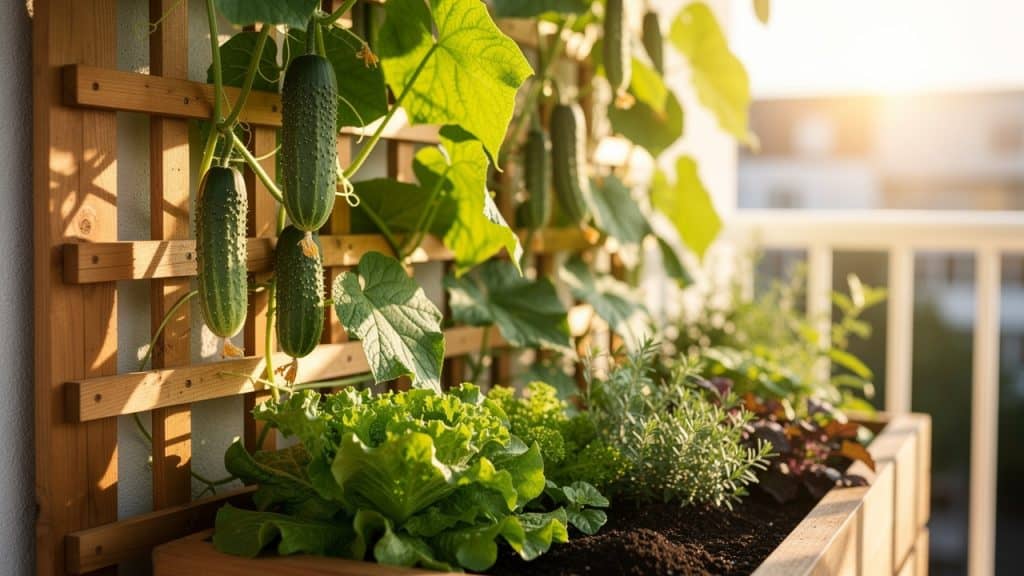
With the right approach, even a handful of containers can supply herbs, salads, and more for a household.
Many gardeners give up before they start because their space looks cramped, shaded, or mostly paved. Maybe the only outdoor spot is:
- a windy apartment balcony
- a postage-stamp backyard
- a strip of soil along a driveway
It is easy to assume that a big harvest needs a big yard, raised beds everywhere, and long rows of vegetables lined up like a farm.
I gardened that way at first too, and it never made sense in a tight space. Once I shifted to intensive, science-based methods, everything changed. I stopped thinking in long rows and started thinking in square feet, stacked layers, and smart plant pairings. That is where the idea for this Small Space Edible Garden: 7 Pro Tips For A Big 2026 Harvest came from.
I am Elsa, the horticulturist behind Gardening Elsa. I blend formal training from Gaia College with years of hands-on work in small city gardens, balconies, and awkward corners.
In this guide, I will walk through seven professional tips that I use with my own clients and students to get a big 2026 harvest from very small areas. By the end, you will have a clear, practical plan to turn whatever space you have into a productive, beautiful food garden.
“To plant a garden is to believe in tomorrow.”
– Audrey Hepburn
Key Takeaways
- A small space edible garden can outproduce a larger, traditional garden when it is designed for intensive planting. By focusing on yield per square foot, block planting, vertical structures, and containers, you stop wasting ground on paths and bare soil and turn even a balcony or tiny yard into a steady source of herbs, salads, and vegetables.
- Smart plant choices matter far more than total space. When you pick compact, high-yield crops you actually enjoy eating, avoid long-season space hogs, and use science-based companion planting, every plant earns its place. Combining fast crops and slow crops in the same bed gives two harvests from one area with almost no extra work.
- Good planning turns a one-time harvest into a long season of food. Succession planting, regular thinning for bonus harvests, and a layout that minimizes paths keep the garden productive from spring to frost. Containers, drip watering, and slow-release fertilizer make care easier, so a big 2026 harvest fits into a busy life.
What Makes Small Space Edible Gardening Different (And Exciting)
A small space edible garden is not just a shrunken version of a big backyard plot. It follows different rules. Instead of thinking about long rows and wide paths, the focus shifts to how much food can come out of each square foot, each container, and even each vertical surface.
In a compact garden, every bit of ground has to work harder and smarter. That can sound strict, but it is actually freeing:
- there is less room for crops that give tiny yields
- gaps between plants are minimized
- wide walkways shrink to what you truly need
Planning becomes more intentional, and each plant has a clear job.
This style of gardening often takes less time than people expect. There is less area to weed and less ground to water, especially once dense plantings shade the soil. Plants are close at hand, so it is easier to notice pests early, spot a nutrient issue, or harvest at the best moment. Because care is focused, many small-space gardens end up with healthier, stronger plants than larger, scattered plots.
For city and suburban gardeners who want fresh food right outside the door, this is very good news, especially as Gardening Statistics (2026) show a significant rise in small-space and urban food production. With methods like block planting, vertical growing, and smart container use, a Small Space Edible Garden: 7 Pro Tips For A Big 2026 Harvest is not just a catchy title. It is a practical way to grow a surprising amount of food in the tight spaces where many of us live.
“The glory of gardening: hands in the dirt, head in the sun, heart with nature.”
– Alfred Austin
Pro Tip #1: Master Block Planting To Maximize Every Inch Of Ground
The first mental shift for a small space edible garden is to let go of the classic farm row. Rows were designed so machines could move between them. Home gardeners usually do not drive tractors, yet they still sacrifice large amounts of soil to walkways and open gaps between lines of plants.
Block planting flips that pattern. Instead of single rows with bare soil on each side, plants grow in wide, dense patches. A bed might be three or four feet wide and filled with a living carpet of leaves. The goal is simple: far more of the bed grows food, and far less of it is wasted on paths.
Block planting brings several big benefits when space is tight:
- The plant canopy acts like a living mulch that covers and cools the soil. Leaves shade the ground, weed seeds struggle to sprout, and water loss slows, which is especially helpful in hot or windy conditions where pots and raised beds dry fast.
- The denser canopy supports soil life. Cool, moist soil is friendlier to worms and microbes that break down organic matter and feed plant roots. Because the soil does not bake in direct sun, its structure stays softer and easier to work year after year.
- Beds planned in blocks also cut down on unneeded pathways. Instead of many narrow alleys, you shape beds so you can reach the middle from each side. The saved space becomes more room for greens, roots, garlic, or onions.
To plant a block, I like scatter seeding. I prepare the soil, then gently sprinkle seeds over the surface instead of placing them one by one. Some spots end up crowded and others thinner, and that is fine. After seedlings reach a couple of inches, I thin them, and the extra plants become early salads and snacks.
Leafy greens, carrots, beets, radishes, garlic, and onions all thrive in this style. For perennial crops like asparagus or long-lived herbs, I keep a separate block that stays in place from year to year so those plants are not disturbed.
Pro Tip #2: Go Vertical And Multiply Your Growing Space
Once the ground is full, the next move is simple: go up. Vertical gardening is my favorite way to turn a cramped patio or balcony into something that feels like a small food forest. A single trellis can carry more beans, cucumbers, or peas than a whole short row while using only a thin strip of soil.
Climbing plants are natural partners in a small space edible garden. Their roots take up very little room, yet the vines and fruits rise through the air. When cucumbers hang from a trellis instead of sprawling across a bed, the soil underneath is suddenly free for lettuce, herbs, or flowers. This three-layer growing turns one footprint into several stacked growing zones.
Vertical structures come in many simple forms:
- Trellises, fences, and wall grids are easy to add to a patio or raised bed. A wire panel on a sunny wall can support peas in spring, beans in summer, and even small-fruited squash. Held upright, leaves dry faster after rain, which lowers the chance of fungal disease.
- Stakes, poles, and cages help with heavier plants. Tall, indeterminate tomatoes love climbing a sturdy cage or pole. This keeps fruit off the ground, makes pruning and tying easier, and opens the plant so air can flow through.
- Hanging baskets and wall planters use the air above the ground. I like to tuck strawberries, thyme, or leaf lettuce into baskets along a balcony rail to add another level of food production without using extra floor space.
For plant choices, think vertical by nature. Pole beans, runner beans, sugar snap peas, cucumbers, Malabar spinach, and Achocha all climb willingly when given a string or wire. Many modern squash and melon varieties stay fairly compact and handle trellis life well with strong support. For beauty and scent, vines like honeysuckle or five-leaf akebia can share a structure with an edible crop, as long as the edible still gets light.
Vertical systems also create useful microclimates. The shade behind a leafy trellis can shelter spinach or lettuce through summer heat. I often underplant my cucumber A-frames with greens that would wilt in full sun. Training vines upward with soft ties or clips becomes part of a regular check, which also makes it easier to spot pests and pick fruit at the right time.
Pro Tip #3: Choose The Right Crops For Maximum Yield In Minimal Space
In a compact garden, plant choice is half the battle. There is no point packing in vegetables that no one wants to eat or crops that hog room for months and give only a small harvest. I always start with one simple rule: grow what you love.
That may sound obvious, yet it is easy to choose seeds because they look pretty in a catalog, not because they fit the kitchen. If no one at home likes radishes, they do not belong in a prime spot, no matter how fast they grow. If everyone cheers for cherry tomatoes and basil, those are the crops that should get the best sun and the biggest containers.
Next, think about the yield compared with the space and time a crop needs:
- Long-season plants like Brussels sprouts or parsnips sit in one place for many months. In a balcony garden, that bed could instead host two or three rounds of lettuce, beans, and fall carrots with far more food in the end.
- Some crops, like edamame, are delicious but need many plants for a small bowl, so they often make more sense in larger gardens.
Modern plant breeding has given us many varieties made for small gardens, aligning with Gardening Trends for 2026: a focus on compact, high-yield cultivars designed specifically for limited spaces. On seed packets and in catalogs, I watch for words like compact, patio, dwarf, bush, or space saver. Determinate tomatoes such as Celebrity or Patio Choice grow into tidy bushes that suit large pots and produce a heavy flush of fruit instead of endless vines. Bush beans and bush cucumbers stay shorter, so they fit well in beds where a tall trellis would be awkward.
Herbs are the quiet stars here. A single container with rosemary, thyme, and oregano can flavor meals all season, feed pollinators with blossoms, and look beautiful on a balcony. Fast, cut-and-come-again greens like lettuce mixes and arugula deserve special focus too, since repeated sowings in the same square foot keep salads coming for months.
Pro Tip #4: Plant Densely, Then Thin For Bonus Harvests
Most seed packets give very generous spacing guidelines. Those numbers make sense for big fields where machines handle weeding and harvest. In a hand-tended small space edible garden, you can safely plant more closely and then use thinning as both a management tool and an early harvest.
Scatter seeding is my go-to method for many root crops and greens. After preparing a block of soil, I gently shake seeds from my hand and move in small passes until the surface looks evenly dotted. I press them in, water well, and let them sprout.
Once seedlings reach about two or three inches tall, the real fun starts:
- I look for clumps where several seedlings crowd each other.
- I snip or pull some out to give the remaining plants breathing room.
- Instead of tossing the extras, I bring them to the kitchen.
Beet thinnings go into salads. Tiny carrots become sweet snacks. Baby lettuce plants fill the first spring sandwiches.
This gentle thinning continues for a few weeks until the plants that remain have enough space to reach full size. Early on, the slight crowding pushes plants to send roots deeper as they compete for water and nutrients. Later, the final spacing gives them room to bulk up. This method works especially well for carrots, beets, radishes, spinach, and mixed salad greens.
I also think of dense planting as a kind of insurance. If germination is patchy in one corner of the bed, the extra seedlings nearby can be left in place to fill that gap. By the time the harvest is over, one small block of soil has given tender baby produce and full-sized vegetables from the same sowing.
Pro Tip #5: Practice Succession Planting For Continuous Harvests
A common pattern I see is this: gardeners put in their crops in spring, enjoy one good wave of harvest, and then watch beds sit half empty for the rest of the season. In a small garden, that is a major lost chance. Succession planting fixes that by keeping every bit of soil growing something for as much of the year as the climate allows.
Succession planting simply means:
- as soon as one crop finishes, another takes its place in the same spot
- or, you sow small amounts of the same crop over and over at set intervals
Both methods spread the harvest and increase the total yield from each square foot.
Here is how this can look in practice. In early spring, a bed might hold spinach, radishes, and lettuce. Once those cool-season plants start to bolt in warmer weather, they come out. The same bed then receives bush beans or peppers for summer. When garlic heads are pulled in mid-summer, that open area is perfect for a fresh sowing of carrots, beets, or rapini that will mature in fall.
For quick crops like lettuce or cilantro, I sow a small patch every two or three weeks instead of one big patch all at once. That way, some plants are ready to pick while younger ones are still growing, and there is always something coming up next. Before each new planting, I mix in compost or other organic matter so the soil has fresh nutrients for the next round.
Keeping a simple notebook or digital log helps a lot. I jot down planting dates, harvest windows, and which follow-up crops worked well. With a bit of planning, one modest bed can feed a household steadily from spring through frost and live up to the promise of a Small Space Edible Garden: 7 Pro Tips For A Big 2026 Harvest.
Pro Tip #6: Use Science-Based Companion Planting For Double Yields
Companion planting has a bit of a mystical reputation, but the most helpful versions are very down to earth. I focus on pairings that are backed by plant behavior—how quickly crops grow, how deep their roots go, and how much shade they cast—rather than on old sayings with no testing behind them.
One of the simplest and most effective strategies is the fast and slow pairing. This means sowing or planting a quick-maturing crop and a slower one in the same area so that the first is harvested just as the second needs more room. The bed does double duty without crowding.
Radishes and carrots show this idea clearly. I mix radish and carrot seed in the same container and scatter that blend across a block. The radishes sprout first and race ahead. In three to four weeks, the radishes are ready to pull, giving a first harvest. As each radish comes out, its taproot loosens the soil and leaves a neat little channel. The slower carrots are still small at this point, but now they have extra space and better aerated soil to grow into thick roots.
The same thinking works in other pairings:
- Lettuce can grow under tomato cages in spring and early summer, using the light shade before the tomatoes fill in.
- Spinach and other greens can thrive at the base of cucumber trellises, enjoying the cooler strip of soil behind the vines.
These combinations do not take more time to plant, yet they increase the harvest from the same footprint.
This science-based approach to companion planting is a big part of how I plan beds at Gardening Elsa. Once gardeners learn to look at growth rates and plant shapes, they start to see many fresh combinations that help a small space edible garden carry more food without feeling crowded.
Pro Tip #7: Optimize Container Gardening For Ultimate Flexibility
If there is one method that opens up food growing to almost anyone, it is container gardening. With pots and planters, a driveway, rooftop, balcony, or front stoop can become a productive small space edible garden. Containers solve several common problems at once and give the gardener more control.
First, containers give full control over soil. Many city yards have compacted, rocky, or even contaminated ground that is not safe for vegetables. By using a high-quality potting mix in containers, roots grow in a loose, well-drained, fertile medium from day one. There is no need to dig out old soil before growing food.
Second, containers move. A tomato that sulks in spring shade can be rolled into a sunnier spot as the season goes on. A pepper in a pot can come under cover during a surprise cold snap. On a balcony with mixed light, I often shuffle pots a little through the year to keep each crop in its favorite conditions.
Third, containers can be set at a comfortable height, which helps gardeners with sore backs, knees, or limited mobility. A deep trough on legs or a cluster of large pots on a sturdy table means less bending, and everything is easy to reach from one spot.
The golden rule is that pot size matters. Tiny pots look cute but dry out fast, especially in full sun or wind. For most vegetables, I recommend at least a fourteen-inch-wide container, and bigger is often better. More soil means more room for roots, better moisture holding, and a more stable nutrient supply. Always use potting mix, not garden soil, and make sure there are drainage holes so water does not pool around roots.
Container plants use water and nutrients faster than in-ground plants, so they need more frequent care. In summer, many pots in full sun need water once a day, sometimes twice in very hot spells. A simple drip system on a timer can be a huge help. I also like to mix a slow-release, all-purpose granular fertilizer into the potting mix at planting time, then top up as the season goes on.
Creativity fits well here. Hanging baskets can hold strawberries or herbs. Vertical wall planters can grow lettuces on a fence. Straw bales, once conditioned, act like instant raised beds on any flat surface. At Gardening Elsa, I share many container layouts for small spaces because this is where most of my readers start. The best part is that if a plant is unhappy, you are not stuck—you can simply pick up the pot and shift it until it thrives.
Design Your Space For Efficiency And Easy Maintenance
Good design keeps a small space edible garden productive without feeling like a chore. Layout is where many gardeners gain or lose a lot of potential. The aim is to shrink non-growing areas, like paths, just enough to stay comfortable while giving the bulk of the ground to plants.
Pathways should be only as wide as needed for a person and maybe a wheelbarrow or watering can. Instead of many narrow beds with paths between each, I like fewer, wider beds, up to four feet across, so I can reach the middle from both sides without stepping on the soil. For very tight yards, a keyhole design, with one short path leading into the center of a round or teardrop-shaped bed, offers full access with very little lost space.
Water and nutrients also need thoughtful planning in an intensive layout. Closely spaced plants and container clusters draw down moisture quickly. Morning watering helps leaves dry during the day, which lowers disease pressure. If the budget allows, a basic drip system with a simple timer saves time and keeps moisture more even.
Because so many roots are drawing from a small volume of soil, nutrients run low faster than in a loose, widely spaced garden. I like to treat slow-release granular fertilizer as a multivitamin for the bed. Along with regular additions of compost, it keeps plants fed through a long season. When design, water, and feeding are considered together, daily care becomes smoother and more enjoyable instead of a scramble.
Getting Started: Your 2026 Small Space Garden Action Plan
Planning for a big 2026 harvest begins well before the last frost. A little thinking time now pays off all year. I suggest starting with a simple audit of the space. Measure any ground beds, note sunny and shaded spots through the day, and look for vertical surfaces like fences, rails, or walls that could carry trellises or wall planters.
Next, sketch a rough layout. It does not need to be artistic. Block out beds where block planting makes sense, pencil in a few vertical structures for beans or cucumbers, and mark spots for containers on hard surfaces. This picture will show how much growing area you really have and where paths need to go.
Then, make a crop list:
- start with household favorites that fit small spaces, like lettuce, herbs, cherry tomatoes, bush beans, and a few root crops
- add notes for compact or patio varieties so you remember that focus when ordering seeds
Because seed supplies can run low, it helps to order early and group orders so you get everything needed for the whole season at once.
Before planting time, gather or build vertical supports, collect containers in the right sizes, and buy a good potting mix. Set up any drip irrigation parts so they are ready to connect. I also encourage gardeners to keep a simple garden journal to track sowing dates, varieties, weather notes, and ideas for succession planting.
If this feels like a lot, start small. Pick one or two beds and a handful of containers for your first season using these methods. At Gardening Elsa, I break these steps down even further, with detailed guides for each technique. With each year, you can add more of the seven pro tips until your small space edible garden runs smoothly and feeds you well.
“There are no gardening mistakes, only experiments.”
– Janet Kilburn Phillips
Conclusion
A big harvest no longer belongs only to gardeners with large backyards. By thinking in terms of blocks instead of rows, reaching upward with vertical structures, and filling containers with the right crops, any balcony, patio, or side yard can support a thriving small space edible garden. The methods in Small Space Edible Garden: 7 Pro Tips For A Big 2026 Harvest come straight from professional practice and plant science, not guesswork.
Each tip on its own helps, but they shine brightest together. Dense planting with careful thinning feeds straight into succession planting and science-based companion pairings. Smart crop choices and good design keep care manageable, while container gardening and drip watering give flexibility for busy weeks and shifting weather. The result is a garden that works hard for you without feeling overwhelming.
This style of gardening does ask for a bit more planning up front than a simple row of seeds. In return, it offers higher yields, fresher food, and the deep satisfaction of stepping outside to pick dinner, even in the middle of a city. With these strategies and a little curiosity, you can grow far more than you expect in 2026.
At Gardening Elsa, my goal is to walk alongside you with clear, friendly guidance that fits your space and experience level. When you are ready to dig deeper, you will find more on containers, plant care, and seasonal planning waiting for you. For now, the next move is yours: pick one tip, apply it in your space, and watch how fast that small patch of ground starts to feed you.
FAQs
How Much Space Do I Actually Need To Grow A Meaningful Amount Of Food?
A meaningful harvest does not require a huge yard. A single four-by-four-foot raised bed, managed with block planting and succession crops, can give forty pounds or more of produce over a season. Add a trellis for beans or cucumbers, and that same footprint produces even more by using the air above it. A balcony with four or five large containers can supply regular salads, herbs, and some fruiting crops. The real key is how well each square foot is planned, not the total area.
What Are The Best Vegetables For Absolute Beginners In Small Spaces?
For new gardeners, I like to start with forgiving, fast growers. Leaf lettuces, radishes, and bush beans sprout quickly and give early wins. Determinate cherry tomatoes in large pots are very rewarding, especially near a sunny wall, and herbs like basil, cilantro, and parsley are generous with little fuss. These crops do well in containers or small beds and do not demand constant attention. I suggest skipping fussy plants such as cauliflower at first and focusing on three to five easy crops while you build confidence and skills.
How Often Do I Need To Water Container Gardens In Small Spaces?
Watering frequency depends on pot size, weather, and plant type, but there are some good rules of thumb. In warm summer weather, many containers in full sun need water once a day. Very small pots may need water more often, which is one reason I suggest larger sizes. Check moisture with your finger by pressing into the soil an inch or two. If it feels dry at that depth, it is time to water. Mornings are best, since leaves can dry during the day, and good drainage holes prevent soggy roots.
Can I Really Grow Climbing Vegetables Like Cucumbers And Squash Vertically In Small Spaces?
Yes, and in a small space, vertical growing is often the best way to handle these crops. Many cucumbers naturally reach for support and are very happy on a trellis or netting, which keeps fruit clean and easy to see. For squash, choose smaller-fruited varieties and give them a strong frame, since the vines can be heavy. Start with lighter vines such as cucumbers, pole beans, and peas before trying large winter squash. For heavier fruits like melons, soft fabric slings can cradle each one so the stem is not strained.
What’s The Best Way To Keep My Small Space Garden Productive All Season Long?
The main key to steady harvests is to avoid empty soil. As soon as one crop finishes, another should follow in that spot. Keeping a tray of seedlings ready to go makes this simple, since you can plug new plants into gaps right away. Between plantings, add compost to recharge nutrients. Focus on fast-maturing crops such as radishes, lettuces, and bush beans that can cycle through beds quickly. Plan ahead for fall crops in mid-summer so they are ready to plant as space opens. Frequent picking also keeps many plants producing longer.

Hello there! I’m Elsa, and gardening is my passion. As an avid gardener, I created GardeningElsa.com to share my knowledge and experience with fellow enthusiasts. My website is a comprehensive resource for gardeners of all levels, offering expert advice on a wide range of topics, including plants, flowers, herbs, and vegetable gardening. Whether you’re a beginner looking to start your first garden or a seasoned pro seeking to expand your knowledge, GardeningElsa.com has something for everyone. Read more about me.
