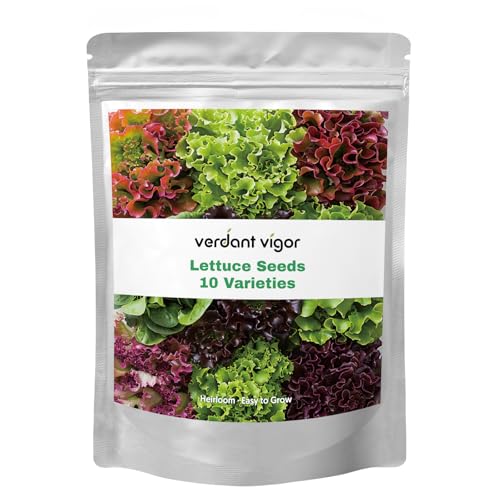
Growing vegetables in limited space is both possible and rewarding. With the right layout, smart techniques, and proper care, even a small balcony, patio, or windowsill can yield fresh produce year-round.

Small space vegetable gardening works by maximizing every inch with containers, vertical supports, and compact crop varieties.
This complete guide explains how to make the most of tiny areas by understanding the core principles of small-scale gardening. It covers efficient layouts, space-saving strategies, and simple soil care methods designed for container gardens.
Readers will discover how thoughtful planning turns small plots into productive gardens that thrive with limited sunlight and space.
Each section provides clear steps for choosing the best crops, maintaining proper soil health, and managing watering and pests effectively.
By following these methods, anyone can grow fresh herbs, greens, and vegetables right at home, no matter how small their space may be.
Core Principles of Small Space Vegetable Gardening
Successful small-space gardening relies on making the most of every square foot, improving plant health through smart design, and choosing the right type of garden for the conditions available. These principles work together to create a productive balcony garden, patio garden, or any small urban growing space.
Maximizing Limited Spaces
Every inch matters in a small space garden. Vertical growing is one of the most effective ways to expand the usable area. Gardeners use trellises, wall planters, or netting to grow climbing crops like peas, tomatoes, and cucumbers upward instead of outward.
Container gardening also helps control soil quality and manage space. Using different pot sizes allows efficient arrangement on patios or windowsills. Plants with similar water and sunlight needs can be grouped together for easier care.
Selective planting further improves efficiency. Gardeners often choose compact or dwarf vegetable varieties such as cherry tomatoes, baby carrots, and leaf lettuce.
Square-foot gardening or intercropping can also fit more plants into limited space without overcrowding them. These methods improve yield while keeping maintenance simple.
A mix of light management, proper spacing, and regular pruning ensures each plant receives enough air and sunlight. Routine attention prevents diseases that spread quickly in confined areas.
Benefits of Small Space Gardening
Small-space gardening offers more than just fresh food. It brings practical and environmental advantages that suit urban living.
Shorter growing distances mean fewer resources for watering, transport, and packaging. This supports a more sustainable lifestyle. Because small gardens are easier to monitor, they also waste less water and fertilizer.
For those in cities or apartments, a balcony garden or patio garden adds green space that boosts mental well-being and provides a sense of accomplishment. Caring for plants encourages physical activity and connection with nature, even in built-up environments.
Community gardens allow neighbors to share limited land and grow vegetables collectively. These spaces strengthen social ties while promoting local food resilience. Small-scale but consistent harvests can supplement daily meals and reduce grocery costs.
Types of Small Space Gardens
Different garden types adapt to distinct space and lighting conditions. Choosing the best fit increases productivity and enjoyment.
| Garden Type | Typical Location | Best For |
|---|---|---|
| Container Garden | Balcony, patio, or windowsill | Flexible setups and mobility |
| Vertical Garden | Walls or fences | Vining crops and ornamental greens |
| Raised Bed Garden | Small yards or rooftops | Better soil drainage and root health |
| Community Garden Plot | Shared neighborhood space | Shared maintenance and social interaction |
A balcony garden may use railing planters and narrow trellises. A patio garden can hold larger containers or raised beds depending on sunlight. Indoors, gardeners may use shelves with grow lights for herbs or leafy vegetables.
Selecting the correct method depends on factors such as sun exposure, available space, and access to water. By aligning the garden type with local conditions, small-space gardeners can maintain healthy plants and steady yields throughout the season.
Smart Garden Layouts for Compact Areas
Efficient garden layouts help growers use every inch of space while maintaining plant health and steady yields. Proper planning, structured planting methods, and thoughtful use of height and depth give small gardens the ability to produce a wide range of crops in limited areas.
Garden Layout Planning
Good layout planning starts with measuring the space and mapping sunlight patterns through the day. Gardeners should identify which parts of the garden receive full sun for crops like tomatoes and peppers, and which areas stay partly shaded for greens or herbs.
Raised beds are one of the most effective ways to manage small plots. They improve soil drainage, allow closer plant spacing, and help organize crops by growth habits. Short plants can line the bed edges, while taller ones sit toward the center or along the north side to avoid shading smaller crops.
Planting should follow succession planting principles to extend harvests. For example, when lettuce finishes, it can be replaced with radishes or bush beans. Creating a simple table helps track progress:
| Crop | Planting Date | Harvest Date | Next Crop |
|---|---|---|---|
| Lettuce | March | May | Bush Beans |
| Radish | April | June | Spinach |
Careful scheduling like this supports a continuous harvest without overcrowding.
Square Foot Gardening Strategies
Square foot gardening divides planting areas into 12-inch squares for easy organization and efficient crop rotation. Each square hosts one or more plants depending on their size. For example:
- 1 tomato per square
- 4 lettuce heads per square
- 16 carrots per square
This grid-based method reduces wasted soil space, simplifies spacing, and supports intensive planting. It also helps gardeners manage companion planting, pairing vegetables that benefit each other’s growth—such as carrots with onions or basil with tomatoes.
Raised beds work well with this approach since their defined borders help maintain exact planting zones and clear walking paths. Regularly replanting vacant squares maintains soil activity and maximizes harvests throughout the growing season.
Plant Layering and Placement
Layering uses vertical and horizontal space to increase production. Gardeners combine trellised crops like peas or cucumbers with ground-level plants such as lettuce or beets beneath them. This setup captures sunlight at multiple heights and improves airflow between plants.
Placing tall supports along the back or northern edge keeps light available for lower crops. Container stacking or wall-mounted planters can extend space upward for herbs or strawberries.
This structure-based approach reduces competition for light and nutrients. It also helps prevent disease by separating plant foliage and improving air circulation. By thinking in layers—root, ground, vertical, and canopy—a small garden can produce a diverse and steady supply of vegetables within very limited space.
Space-Saving Gardening Techniques
Gardeners can increase yields in small spaces by making use of walls, balconies, windows, and containers. Efficient layouts and the right tools allow vegetables to grow upward, in layers, and in limited soil areas.
Vertical Gardening Methods
Vertical gardening helps plants grow upward instead of outward. It uses trellises, vertical planters, or stacked shelving to support vining or compact crops. This technique works well for vegetables like peas, cucumbers, beans, and tomatoes.
Trellises made of wood, metal, or plastic wire give vines a sturdy structure. For small patios or balconies, lightweight vertical planters or pocket systems attach to walls or fences.
These setups keep plants off the ground, improve airflow, and make harvesting easier. Vertical growing also helps reduce pests and soil-borne diseases by keeping foliage drier.
Gardeners often combine vertical systems with efficient watering methods, such as drip irrigation or self-watering planters, to maintain consistent moisture. When properly positioned, these systems can increase sun exposure and improve crop quality even in tight city spaces.
Container Gardening Essentials
Container gardening allows food production on patios, balconies, and even indoors. Containers come in many forms, such as grow bags, pots, and tubs. The key is to choose containers with enough depth and drainage for the plant’s roots.
A good potting mix should retain moisture without becoming waterlogged. Gardeners can blend compost, perlite, and coco coir for a light, fertile base. Using self-watering containers reduces how often watering is needed, especially in warm climates.
To make the most of space, smaller crops such as lettuce, peppers, herbs, and radishes do well in limited soil volume. Arranging containers at different heights creates a layered effect that maximizes light and airflow. Regular feeding with balanced liquid fertilizer helps plants stay productive through the growing season.
Using Hanging and Window Planters
Hanging baskets, window boxes, and hanging planters help use vertical and horizontal space efficiently. They fit well along walls, fences, or balcony railings, turning unused areas into growing zones.
Lightweight materials like fabric or plastic reduce strain on hooks and supports. These planters are best suited for compact crops such as strawberries, cherry tomatoes, or herbs. Window boxes near kitchens make fresh ingredients accessible while keeping walkways clear.
To keep plants thriving, gardeners should check that water drains freely and that planters receive at least six hours of sunlight daily. Rotating baskets occasionally ensures even light distribution. This approach keeps plants healthy while adding greenery to rooftops, small yards, or apartment settings.
Choosing and Growing the Best Vegetables for Small Spaces
Selecting vegetables that mature quickly and stay compact helps gardeners make the most of limited space. Careful crop pairing, rotation, and steady planting cycles can keep small gardens productive and healthy throughout the year.
Top Compact and Fast-Growing Crops
Many small gardens perform best with vegetables that grow upward or stay short. Good choices include leaf lettuce, spinach, and arugula, which mature in a few weeks and allow repeated harvests. Radishes, carrots, and beets fit well into containers or shallow raised beds because they need little room between plants.
Compact or “bush” forms of vegetables make efficient use of space. Bush beans, bush cucumbers, and bush zucchini stay tidy and still produce good yields. Cherry tomatoes, small-fruited peppers, and certain eggplant varieties thrive in pots if given six hours of sun and steady watering.
To organize planting, gardeners can use a simple table like this:
| Crop Type | Space Needed | Harvest Time | Ideal Container Depth |
|---|---|---|---|
| Leaf greens | 4–6 in. | 25–40 days | 6–8 in. |
| Root vegetables | 2–4 in. | 30–60 days | 8–10 in. |
| Bush beans | 6–8 in. | 50–60 days | 10–12 in. |
| Tomatoes/Peppers | 12–18 in. | 60–80 days | 12–14 in. |
Best Herbs for Tight Gardens
Herbs adapt well to confined areas and provide fresh flavor without much space. The most reliable options are basil, cilantro, parsley, chives, and mint. Each grows well in small containers as long as the soil drains easily.
Basil and cilantro grow fast but need regular trimming to stay healthy. Parsley and chives tolerate partial shade, making them a fit for patios or shaded balconies. Mint spreads aggressively, so it should be planted by itself in a container.
Planting herbs near vegetables can help repel unwanted insects. For example, basil pairs well with tomatoes, and chives deter pests around carrots. Grouping herbs by water and light needs makes care simpler and keeps growth balanced.
Companion Planting for Success
Using companion planting helps maximize soil use and supports natural pest control. Bush beans enrich soil with nitrogen, which benefits nearby crops such as spinach and lettuce. Tomatoes grow well beside basil, which can enhance their flavor and deter insects.
Carrots and onions protect each other by masking scents that attract pests. Peas and cucumbers can share vertical space when trellised to separate levels. Avoid shading short crops—place taller plants at the back or on trellises to keep sunlight even.
Mixing complementary plants also reduces the need for chemical fertilizers or sprays. The right combinations lead to healthier growth and fewer pests in tight areas.
Seasonal Planting and Continuous Harvest
Small gardens stay productive when planting follows the seasons. Fast-growing spring crops like leaf lettuce, salad greens, and radishes can be replaced by warm-weather plants such as tomatoes, peppers, or bush zucchini once temperatures rise.
Gardeners can succession plant by adding new seeds every two to three weeks. This keeps harvests steady instead of having everything mature at once. After warm-season crops finish, cooler months are good for beets, carrots, and asian greens.
Using container rotation helps refresh soil and limits disease buildup. Keeping track of planting dates and crop types in a small notebook or chart helps maintain consistent cycles and steady food production even in tight spaces.
Soil Preparation and Fertilization for Healthy Container Gardens
Healthy vegetables in containers start with the right soil structure, adequate nutrients, and balanced moisture. Using proper soil mixes and sustainable fertilization methods helps maintain strong plant growth and consistent yields throughout the growing season.
Building the Ideal Soil Mix
Good container gardening begins with a well-draining, nutrient-rich soil mix. Standard garden soil compacts too easily and limits air and water movement. A better choice is a custom potting mix made from lightweight materials.
A balanced recipe often includes:
| Component | Purpose |
|---|---|
| Peat moss or coco coir | Improves moisture retention and texture |
| Perlite or vermiculite | Increases drainage and aeration |
| Compost | Adds nutrients and beneficial microorganisms |
| Worm castings | Boosts fertility and improves soil structure |
They can combine equal parts of these materials to form a base mix, then adjust as needed for specific crops. Leafy greens may prefer more coco coir for increased water holding, while root vegetables benefit from extra perlite for better aeration.
Regularly refreshing the mix between growing cycles prevents nutrient depletion and compaction.
Organic and Sustainable Fertilizers
Container gardens lose nutrients faster than ground gardens, making consistent fertilization essential. Using organic fertilizers creates a balanced, long-term nutrient supply without harming soil life.
Common organic options include compost tea, fish emulsion, and liquid seaweed, which deliver nutrients quickly through watering. For slow and steady feeding, many gardeners use slow-release fertilizer pellets or granular sources like bone meal or kelp meal. These natural materials improve organic matter levels and support beneficial microbes that help plants absorb nutrients.
Applying diluted liquid fertilizer every two to four weeks keeps fast-growing vegetables like tomatoes or peppers healthy. At the same time, maintaining pH between 6.0 and 7.0 ensures nutrients stay available to roots.
Moisture Retention and Soil Health
Maintaining soil moisture is critical since containers dry out faster than garden beds. Mixing organic mulch, such as shredded leaves or straw, over the surface slows evaporation and keeps roots cooler.
Materials like peat moss, coco coir, and vermiculite hold water within the soil mix while still allowing airflow. Containers should have drainage holes to prevent standing water, which can cause root rot.
Healthy soil structure depends on organic matter. As compost and worm castings break down, they support microbial activity that improves texture and nutrient cycling. Replenishing this organic material each season helps sustain long-term soil health and reduces the need for heavy fertilization later.
Effective Care, Watering, and Pest Management
Healthy plants depend on proper watering, balanced care, and safe pest control. Managing moisture, maintaining clean containers, and controlling insects with natural or integrated methods helps vegetables grow well in tight spaces.
Efficient Watering Systems
Small gardens benefit from drip irrigation and self-watering containers because they deliver steady moisture directly to roots. These systems reduce waste and prevent soil from drying out during hot weather or when gardeners are busy. Consistent watering helps limit heat stress and reduces cracking in vegetables like tomatoes or peppers.
Using mulch—such as straw or shredded leaves—keeps soil cool and slows evaporation. Drip lines should be checked weekly for blockages. With containers, make sure drainage holes remain clear to prevent waterlogging.
A simple schedule helps maintain balance:
| Plant Type | Watering Frequency | Notes |
|---|---|---|
| Leafy Greens | Every 1–2 days | Keep soil evenly moist |
| Root Crops | Every 2–3 days | Avoid standing water |
| Fruiting Plants | Daily in heat | Deep watering promotes strong roots |
Tracking soil moisture by touch is often more reliable than guessing by sight.
Container and Garden Maintenance
Regular container care keeps a small-space garden productive. Old soil should be refreshed each season with compost or balanced organic fertilizer. Root-bound plants need extra room or repotting into deeper containers to encourage new growth.
Gardeners should also clean pots, trays, and tools with mild soapy water to stop disease spread. Algae buildup near drainage holes can limit oxygen to roots and should be removed.
Maintenance checklist:
- Check for soil compaction and gently loosen top layers.
- Rotate crops or change plant positions seasonally.
- Remove dead leaves and debris quickly to limit pests.
- Inspect containers for cracks that could affect insulation and water flow.
Such small, consistent habits support healthier plants and longer-lasting containers.
Integrated and Organic Pest Control
Integrated pest management (IPM) combines prevention, observation, and safe treatments. It starts with early detection by checking leaf undersides for eggs, webs, or chew marks. Introducing beneficial insects like ladybugs and lacewings helps reduce aphid and mite populations naturally.
When intervention is needed, gentle methods come first. Insecticidal soap and neem oil can control soft-bodied insects without harming plants or most beneficial species. Always apply these in the evening to avoid leaf damage under strong sun.
For larger infestations, gardeners may use approved organic pesticides sparingly. Removing diseased plants, encouraging airflow, and maintaining clean soil conditions all lower pest pressure. By combining natural predators with careful sanitation, small gardens stay resilient and productive.
Conclusion
Small space gardening allows people to grow fresh produce even in limited areas. With the right approach, anyone can use balconies, patios, and windowsills to raise compact crops like lettuce, spinach, or cherry tomatoes. Thoughtful design and steady care make a big difference.
Consistent attention to light, water, and soil quality supports steady growth. Using containers or vertical structures helps gardeners make the most of every inch. Raised or tiered beds also reduce clutter and improve access to plants.
A simple plan can guide planting and harvesting through the seasons. Gardeners might track their results in a short table like this:
| Task | Best Time | Notes |
|---|---|---|
| Start seedlings | Early spring | Indoors if space allows |
| Transplant plants | Late spring | Gradually adjust to outdoors |
| Harvest crops | Summer–fall | Pick often for new growth |
Small-scale gardens can stay productive with regular pruning and quick rotations. Replacing harvested crops with fast-growing vegetables keeps yields steady without taking up more room.
By using practical tools, organizing space carefully, and choosing suitable plants, gardeners can maintain healthy growth and steady harvests year-round.
Small space vegetable gardening requires thoughtful crop choices, careful use of vertical structures, and consistent maintenance practices. Success depends on selecting compact plant varieties, providing healthy soil, managing pests naturally, and scheduling plantings efficiently for steady harvests.
Frequently Asked Questions
What are the best vegetable varieties for growing in limited space?
Compact or dwarf varieties grow well in small areas. Cherry tomatoes, bush beans, lettuce, spinach, radishes, and herbs like basil and chives fit easily into containers or raised beds.
Root vegetables such as carrots and beets also thrive in deep planters. Choosing plants that mature quickly allows for multiple harvests in one season.
How can vertical gardening techniques maximize space in small gardens?
Vertical gardening uses height instead of ground area. Trellises, hanging baskets, and wall planters let plants climb or trail, freeing up room for other crops.
Tomatoes, peas, pole beans, and cucumbers respond well to this method. Strong supports and regular pruning keep vines healthy and productive.
What is the ideal soil composition for container-grown vegetables?
A light, well-draining soil mix helps roots breathe and absorb nutrients. A blend of potting soil, compost, and materials like perlite or coconut coir usually performs best.
Regularly adding organic matter keeps the mix fertile. Gardeners should avoid heavy garden soil, which can compact in containers and restrict growth.
Can you recommend a planting schedule for year-round vegetable production in small areas?
Planning by season ensures steady yields. Cool-weather crops such as lettuce, kale, and peas grow well in spring and fall. Warm-weather plants like peppers and tomatoes thrive in summer.
In mild climates or with indoor setups, herbs and greens can grow all year. Rotating crops also helps maintain soil health and reduce pest buildup.
How should I manage pests and diseases in a densely planted small garden?
Dense plantings can attract insects and mold, so good airflow and clean tools are important. Gardeners can use neem oil, insecticidal soap, or introduce beneficial insects like ladybugs instead of harsh chemicals.
Removing diseased leaves quickly prevents spread. Consistent inspection helps catch problems early before they affect other plants.
What watering practices ensure the success of a small space vegetable garden?
Consistent moisture keeps container soil from drying out. Deep watering encourages strong root growth, but overwatering can cause root rot.
A drip system or watering can with a narrow spout provides control and reduces waste. Mulching the surface also helps retain moisture and moderate soil temperature.

Hello there! I’m Elsa, and gardening is my passion. As an avid gardener, I created GardeningElsa.com to share my knowledge and experience with fellow enthusiasts. My website is a comprehensive resource for gardeners of all levels, offering expert advice on a wide range of topics, including plants, flowers, herbs, and vegetable gardening. Whether you’re a beginner looking to start your first garden or a seasoned pro seeking to expand your knowledge, GardeningElsa.com has something for everyone. Read more about me.