
To get rid of spider mites on indoor plants, isolate the plant, rinse both sides of every leaf, then spray insecticidal soap or horticultural oil on the leaf undersides every 5 to 7 days for 2 to 3 weeks. That repeat schedule is the part most people skip, and it’s why mites seem to come right back.
Spider mites breed fast in warm, dry rooms, and most sprays miss the eggs. If you keep treating until new hatchlings stop showing up, you can save most plants without harsh chemicals.
How Can You Confirm Spider Mites on a Houseplant?
You confirm spider mites by matching the leaf damage to the mites themselves. Pale speckles, fine silk, and tiny moving dots on white paper together point clearly to mites, while any one sign alone could be something else.
Check for Stippling and Fine Webbing
The first spider mite damage looks like tiny pale or yellow dots across the leaf. Each dot is a cell the mite has emptied. As feeding goes on, leaves turn dull, bronze, or yellow and may drop.
Spider mite webbing shows up later. Look for thin, silky strands at leaf joints, stem tips, and along leaf undersides. If you see webbing with no spider in sight, the mites have been there for a few weeks.
Solid yellowing with no speckles points to watering or light problems instead. Small white cottony tufts point to mealybugs, which I cover in my guide to tiny white bugs on plants.
Use the White-Paper Tap Test
This is the fastest way to identify spider mites at home. Hold a sheet of white paper under a leaf that looks speckled and tap the leaf sharply a few times.
Watch the paper for about 30 seconds. If the specks start crawling, you have mites. Specks that sit still are dust or debris. Wipe the paper across the specks, too; red or brown streaks mean you crushed living mites.
Look Closely at Leaf Undersides and Eggs
UC IPM recommends a 10x hand lens to see the mites, their eggs, and their webbing on leaf undersides. A phone camera zoomed in works almost as well.
The most common houseplant pest mite is the two-spotted spider mite, Tetranychus urticae. It’s about 1/50 inch long, with eight legs and two dark spots on its back.
Its color ranges from pale green to yellow, and a reddish form is what most people call the red spider mite.
Spider mite eggs are tiny clear or pale round dots, often stuck to the silk. Seeing eggs tells you a single spray won’t finish the job.
Why Do Spider Mites Show Up Indoors?
Spider mites show up indoors because heated homes give them the warm, dry, dusty conditions they love. A stressed plant or a new plant from the store usually lights the fuse.
Hot, Dry Air and Water-Stressed Plants
According to UC IPM, spider mites thrive in hot, dusty conditions and on water-stressed plants. In warm weather they can finish a full generation in less than a week.
That’s why a spider mite infestation flares in winter. Forced-air heat drops indoor humidity, often to 20 to 30%.
Plants near radiators, heat vents, or sunny south windows get hit hardest. A plant that dries out over and over, or wears a coat of dust, becomes an easy target.
New Plants and Nearby Infested Foliage
Most outbreaks start with a new plant that already carries a few mites or eggs. They’re too small to notice at the store.
Mites also come inside on plants that spent summer outdoors, and on cut flowers from the garden. Once inside, they walk between plants whose leaves touch.
In heavy outbreaks they drift on silk strands. If you summer plants outside, check them carefully before they come back in; see can indoor plants go outside for timing.
Which Houseplants Are Most Likely to Be Affected?
Thin-leaved plants that like humidity get spider mites first, because their leaves are easy to pierce and dry out fast. Any plant in dry, warm air can get them, though.
These are the plants I’d watch most closely:
- Calathea, maranta, and other prayer plants: thin leaves and high humidity needs.
- Alocasia (elephant ears): large leaves that show stippling quickly.
- Palms: parlor, areca, and majesty palms are frequent targets.
- English ivy: a classic spider mite magnet indoors.
- Croton: colorful leaves that hide early damage well.
- Citrus, roses, and herbs on sunny sills: hot, bright windows dry them out fast.
Thick, waxy plants such as pothos, hoyas, snake plants, and ZZ plants get mites less often. A stressed plant of any kind can still pick them up, especially next to an infested neighbor.
Placement plays a big part. A calathea in a humid bathroom is safer than a pothos next to a heat register. If you suspect a different pest entirely, my overview on how to get rid of bugs on indoor plants helps you sort them out.
Step 1: Isolate the Plant and Rinse Its Leaves
The first two moves in spider mite control cost nothing: move the plant away from others and wash off as many mites as you can. A good rinse removes adults, young mites, and loose eggs before you spray anything.
Separate the Plant and Inspect Its Neighbors
Move the plant to another room if you can, or at least several feet from other plants. Leaves should not touch anything.
Then check every plant that was nearby. Turn over a few leaves on each one and do the paper tap test.
Isolate any plant that shows stippling or moving specks, even if the damage looks minor. Keep the infested plant apart until you’ve gone two weeks with no live mites.
Wash Both Sides of the Leaves Without Damaging Them
Take the plant to a shower, tub, or sink. Cover the soil with a plastic bag or plastic wrap so it doesn’t get waterlogged.
Rinse with lukewarm water, aiming at the leaf undersides first. Use a steady spray that’s firm enough to knock mites off without tearing leaves. For delicate plants like calathea, I’d use a gentler spray and hold each leaf from behind.
On sturdy leaves, wipe each one with a soft damp cloth after rinsing. This removes eggs and the dust mites like.
Prune any leaf that’s mostly yellow or bronze and seal it in a bag for the trash. Repeat the rinse every few days during treatment.
Step 2: Treat with Insecticidal Soap or Horticultural Oil
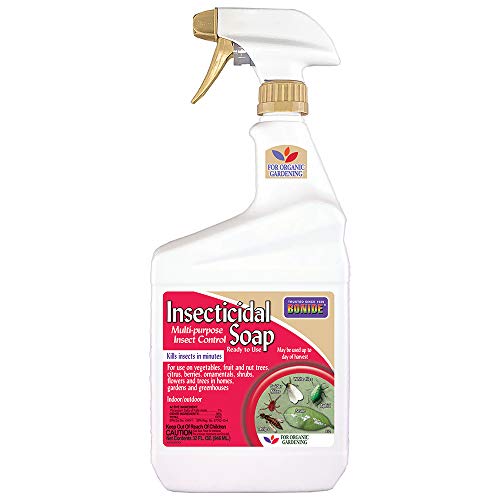
Insecticidal soap and horticultural oil are my first choice for spider mite treatment indoors. Both kill mites on contact, leave little residue, and are gentle enough for most houseplants. The trick is full coverage of the leaf undersides and a steady repeat schedule.
Patch-Test and Coat the Leaf Undersides
Use a ready-to-use product labeled for houseplants and mites, and follow the label rate. I prefer store-bought soap over homemade dish soap mixes, since dish detergents vary and can burn leaves.
Spray a few leaves first and wait 24 to 48 hours. If you see browning, spotting, or curling, rinse those leaves and try the other product.
Once the test looks fine, spray until the leaves are wet on both sides, with extra attention to undersides and leaf joints. Soap and oil only kill mites they touch, so any dry spot leaves survivors.
UC IPM advises against using soaps or oils on water-stressed plants or when temperatures go above 90°F. Water the plant the day before spraying, and keep sprayed plants out of hot direct sun until they dry.
Spraying in the morning or evening works well; see my notes on the best time of day to water indoor plants for the same timing logic.
Repeat Every 5 to 7 Days for 2 to 3 Weeks
Spider mite eggs survive most sprays and hatch within a few days at room temperature. A single spray kills the adults and leaves the next wave behind.
Here’s the schedule I’d follow:
| Day | What to do |
|---|---|
| 1 | Rinse, prune, first spray |
| 5 to 7 | Second spray, paper tap test |
| 10 to 14 | Third spray, check undersides |
| 15 to 21 | Fourth spray if any mites remain |
| 28 | Final check before returning plant |
Keep spraying until two checks in a row turn up nothing. Heavy webbing blocks sprays, so wipe it away before each round.
Should You Use Neem Oil?
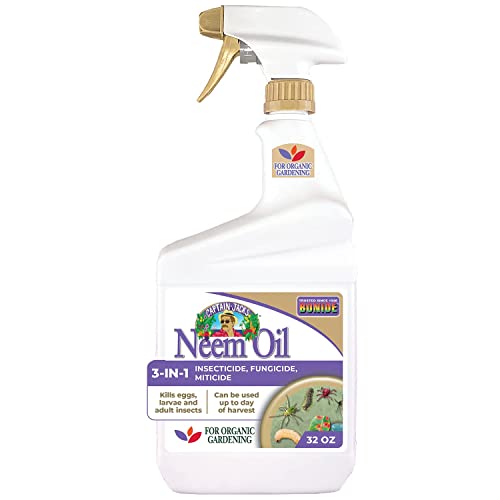
Cold-pressed neem oil works against spider mites, and I’m fine using it if you prefer a plant-based oil. It acts much like horticultural oil, smothering mites on contact. Some studies also show it kills a good share of eggs.
Choose a Labeled Product and Test Sensitive Leaves
Pick a neem product labeled for houseplants and for mites, and mix it exactly as the label says. Homemade neem mixes separate quickly and coat leaves unevenly.
Neem has a strong, garlicky smell, so treat in a room with good airflow. Test it on two or three leaves first, especially on thin-leaved plants like calathea and ferns.
These burn more easily than thick leaves. Check after 48 hours before spraying the whole plant.
My full guide to neem oil on indoor plants covers mixing and leaf sensitivity in more detail.
Apply Thoroughly and Follow the Repeat Schedule
Spray neem the same way as soap: wet the undersides, stems, and leaf joints until they drip. Keep the plant out of direct sun until it dries to avoid leaf burn.
Repeat every 5 to 7 days for 2 to 3 weeks, the same as soap or oil. I’d skip stacking neem with soap or another oil on the same day.
If one product isn’t working after two rounds, switch to the other at the next treatment.
When Do Predatory Mites Make Sense Indoors?
Predatory mites make sense when you have a big plant, a large collection, or a stubborn outbreak that keeps coming back. They hunt spider mites leaf by leaf, including spots sprays miss.

Match the Predator to the Infestation
Phytoseiulus persimilis is the best-known predator for spider mite control. It eats eggs, young mites, and adults, and it works fastest on a heavy infestation in a warm, fairly humid room. It needs spider mites to survive, so it dies off once they’re gone.
For light outbreaks or ongoing prevention, other predatory mites survive longer on low prey numbers. Suppliers list which species suit which conditions, so match the product to your temperature and humidity.
Release them by sprinkling the carrier material onto infested leaves, close to the webbing. Raising humidity helps predators settle in. My page on beneficial bugs for indoor plants explains release tips for other helper