
Hanging baskets make a porch feel finished. But if every evening out there turns into a swatting session, your plants might be part of the problem, though probably not in the way you think.
The good news is that you can keep mosquitoes away from hanging plants without giving up your ferns, petunias, or trailing ivy.
In this guide, I’ll walk you through why mosquitoes gather around baskets, where they breed, and the simple weekly habits that make the biggest difference.
Why Mosquitoes Hang Around Hanging Plants
Mosquitoes aren’t drawn to the plants themselves. They hang around hanging plants because thick, shady foliage gives them a place to rest, and the water that collects under and around baskets gives them a place to breed.
Plants Give Mosquitoes Shelter, Not Food
Adult mosquitoes spend much of the day resting in cool, shady, humid spots. A full Boston fern or a dense basket of trailing vines checks every box.
When you sit down nearby, the mosquitoes resting in that foliage don’t have far to travel. That’s why bites often seem worse right next to your baskets.
The plant isn’t luring them in with scent or nectar. It’s simply a convenient hiding spot that happens to be close to people.
Standing Water Is the Real Problem
Female mosquitoes lay eggs on or near still water. They don’t need much, and a saucer holding a thin layer of runoff can be enough.
Hanging plants create plenty of these small pockets. Think drip trays, saucers, clogged reservoirs in self-watering baskets, and the buckets or watering cans sitting below them.
In warm weather, mosquito eggs can become biting adults in about 7 to 10 days. A tray you forget about for two weeks can easily produce a new batch.
The Tools That Help Most
You don’t need a shelf full of gadgets. Two simple product types handle most hanging-plant mosquito problems.
- Mosquito dunks with Bti: These slow-release rings or granules contain Bacillus thuringiensis israelensis, a bacterium that kills mosquito larvae in water you can’t dump.
- A small outdoor fan: Mosquitoes are weak fliers, so a steady breeze across your seating area makes it much harder for them to land on you.
Pair those with a weekly water check, and you’ve covered the basics. The rest of this article builds on those three ideas.
Find and Remove Standing Water
The single most effective step is to find every spot where water sits and dump it at least once a week. If water never sits still for long, mosquitoes can’t finish growing.
Check Under and Inside Every Basket
Start with the baskets themselves. Lift each one or look underneath to see whether it has an attached saucer or a built-in reservoir.
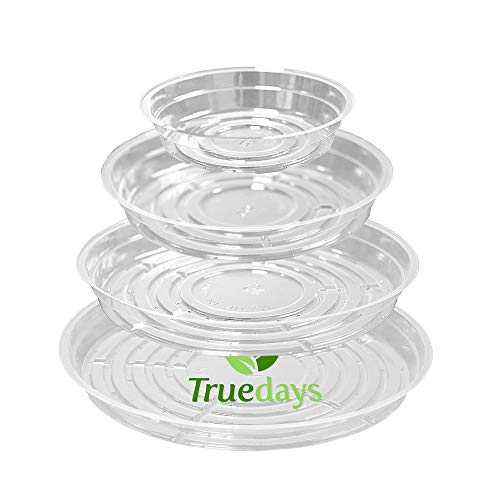
Here are the most common water traps around hanging plants:
- Attached saucers on plastic hanging pots
- Drip trays set on the porch floor below a basket
- Water reservoirs in self-watering hanging planters
- Decorative outer pots or cache pots with no drainage
- Coco liners that sag and hold a pocket of water
- Hooks and brackets with cup-shaped bases
Cache pots are sneaky. Water drains out of the inner pot and collects at the bottom of the outer one, where you can’t see it.
Look Beyond the Plants
Mosquitoes don’t care whether water comes from your basket or somewhere else on the porch. Take a slow walk around the whole area.
Check gutters, especially above your hanging baskets. Clogged gutters hold water and debris for weeks, and they’re right above where you sit.
Also look for buckets, watering cans, empty pots, toys, tarps, and bird baths. Anything that holds water after a rain counts.
| Water Source | How Often to Check | Best Fix |
|---|---|---|
| Plant saucers and drip trays | Weekly | Dump and scrub |
| Cache pots | Weekly | Tip out or add drainage |
| Self-watering reservoirs | Weekly | Treat with Bti or empty |
| Gutters | Monthly and after storms | Clear debris |
| Buckets and watering cans | Weekly | Turn over or store indoors |
| Bird baths | Every few days | Dump and refill |
Make It a Weekly Habit
The CDC advises emptying, scrubbing, turning over, or covering anything that holds water once a week. That timing matters because it interrupts the 7-to-10-day life cycle.
Scrubbing is the part people skip. Mosquito eggs can stick to the sides of containers, so a quick wipe with a brush removes them along with the water.
My advice is to pick one day, like Sunday morning, and do a full porch sweep. It takes a few minutes once you know where to look.
Treat Water You Can’t Dump
For water you can’t empty, like rain barrels, small ponds, or self-watering reservoirs, use a screen or a product containing Bti. Bti kills mosquito larvae and is considered safe for pets, birds, fish, and plants when used as labeled.

How Bti Works
Bti stands for Bacillus thuringiensis israelensis. It’s a naturally occurring bacterium that targets the larvae of mosquitoes and a few related insects.
When larvae eat it, it disrupts their digestive system and they die before becoming adults. It doesn’t harm the plants growing in the container.
You’ll usually find Bti sold two ways:
- Dunks: Donut-shaped rings that float and release Bti slowly over time.
- Bits or granules: Small pieces you sprinkle into the water, handy for small containers.
Using Bti in Hanging Planters
Self-watering hanging baskets are the main place you’d use Bti on a porch. The reservoir sits hidden at the bottom, and it’s often a pain to drain.
For small reservoirs, a pinch of bits or a broken piece of a dunk is usually enough. Always follow the product label for the right amount and how often to reapply.
Bti also works well in rain barrels you use to water your baskets. That way, the water you collect isn’t raising mosquitoes at the same time.
Screens and Covers
If you’d rather not add anything to the water, cover it. Fine mesh screening over rain barrel openings keeps adult mosquitoes from reaching the water to lay eggs.
Check screens for tears now and then. Even a small gap gives mosquitoes a way in.
One thing I don’t recommend is mixing your own pesticides or adding oils, soaps, or bleach to plant water. Homemade mixes can hurt your plants and aren’t a reliable way to control larvae.
| Situation | Best Option |
|---|---|
| Saucer or tray | Dump and scrub weekly |
| Self-watering basket reservoir | Bti bits or a piece of a dunk |
| Rain barrel | Fine mesh screen plus Bti |
| Small decorative pond | Bti dunk, following the label |
| Bucket you don’t need | Turn it over or store it |
Make the Area Less Inviting
Beyond water, you can make your porch a worse place for mosquitoes to rest and fly. That means smarter watering, trimming dense growth, keeping gutters clear, and adding moving air.
Water Baskets Without Leaving Puddles
Overwatering is one of the biggest reasons water pools in saucers. If water pours out the bottom every time, you’re probably giving more than the plant needs.
Check the soil before watering by pushing a finger in about an inch. If it’s still damp, wait. My guide on how often to water hanging plants covers timing for different plants and seasons.
Indoor baskets near open windows or screened porches can collect water, too. These tips on watering indoor hanging plants without dripping help you avoid soggy trays.
- Water slowly so the soil absorbs it.
- Stop when you see the first drips.
- Empty saucers about 30 minutes after watering.
- Skip watering after a good rain.
Trim and Tidy the Plants
Dense, overgrown baskets give mosquitoes more places to rest. A light trim opens up the foliage and lets in air and light.
Focus on baskets right next to chairs and tables. You don’t have to prune hard, just thin out the thickest growth and remove dead leaves and debris from the soil surface.
Tidy baskets also attract fewer other critters. If you’ve noticed eight-legged visitors, my post on getting rid of spiders in hanging plants has simple fixes. And if birds keep nesting in your ferns, here’s my approach to keeping birds out of hanging plants.
Add a Fan
This is one of my favorite tips because it’s so simple. Mosquitoes are weak fliers, and a steady breeze makes it hard for them to reach you.

A small outdoor-rated fan or a ceiling fan on a covered porch works well. Aim it across the area where people sit, not up at the baskets.
The breeze also helps scatter the carbon dioxide you exhale, which is one of the main signals mosquitoes follow. Make sure any fan you use outside is rated for outdoor or damp locations.
Do Mosquito-Repelling Plants Work?
Not very well. Living citronella geraniums, lemongrass, lavender, and other so-called repellent plants offer little protection just sitting in a pot, though crushed leaves release oils that may help briefly.
Why a Potted Plant Isn’t Enough
The oils that some people associate with mosquito repellents are mostly locked inside the leaves. A plant growing quietly in a basket doesn’t release enough into the air to keep mosquitoes off you.
That surprises a lot of gardeners, because these plants are often sold with mosquito claims on the tag. They’re lovely plants, but they aren’t a force field.
If you’re curious about specific plants, I’ve written about whether lemongrass repels mosquitoes and compared citronella plant vs lemongrass in more detail.
Crushed Leaves Help Only Briefly
When you crush or rub the leaves, they release fragrant oils. Some people rub them on their skin, but the effect fades fast and isn’t reliable.
Some plants can also irritate sensitive skin. Test a small spot first if you try it, and don’t count on it during peak mosquito hours.
Many of these plants are also toxic to cats and dogs. The ASPCA keeps a list of toxic and non-toxic plants, which is worth checking before you hang anything within reach of pets.
Grow Them for Other Reasons
I still think these plants earn a spot on the porch. Lavender smells wonderful, lemongrass adds height and texture, and scented geraniums have beautiful leaves.
Just grow them because you enjoy them, not as your mosquito plan. Pair them with weekly water checks and a fan, and you’ll get much better results.
Some readers ask about plants for screened porches or sunrooms, too. You can read more about indoor plants that repel mosquitoes, with realistic expectations about what they can do.