7 Hanging Plants That Attract Hummingbirds

Looking to add a splash of beauty and wildlife to your garden?

Hanging plants offer the perfect solution for attracting hummingbirds while maximizing limited space.

These tiny, fast-moving birds bring joy to any garden with their darting movements and vibrant colors.

The best hanging plants for attracting hummingbirds include fuchsia, lantana, petunias, nasturtiums, and bidens.

These plants produce nectar-rich, tubular flowers that perfectly match the feeding needs of hummingbirds.

Their bright colors, particularly reds and pinks, serve as natural beacons for these curious flyers.

Creating a hummingbird-friendly garden isn’t just about beauty—it’s about creating a welcoming habitat.

Hanging baskets placed at different heights provide these birds with multiple feeding stations while keeping them safe from predators.

Plus, most hummingbird-friendly plants are heat-tolerant and low-maintenance, making them perfect for gardeners of all skill levels.

The Importance of Hummingbirds in Your Garden

Hummingbirds serve as vital partners in garden ecosystems, providing essential pollination services while adding vibrant movement and color to outdoor spaces.


Pineapple Sage - A Favorite for Hummingbirds and You - Live Plant - 3" Pot

Pollination Partners: Hummingbirds’ Role

Hummingbirds function as key pollinators in gardens, transferring pollen between flowers as they feed on nectar.

Unlike bees, which can only reach certain flowers, hummingbirds can access deep, tubular blooms with their specialized bills and tongues.

When a hummingbird visits a flower, pollen sticks to its bill and feathers.

As it moves to another flower, this pollen transfers, enabling plant reproduction.

This process helps plants produce fruits and seeds, maintaining garden biodiversity.

Many native plants have co-evolved with hummingbirds, creating mutually beneficial relationships.

Plants produce nectar specifically to attract these tiny birds, while the hummingbirds ensure the plants’ continued survival through pollination.

Gardens with active hummingbird populations often show improved flowering and fruiting of many plant species.

Creating a Hummingbird-Friendly Environment

To attract hummingbirds, gardens should include flowers in colors they prefer: red, orange, purple, and white.

Tubular or funnel-shaped flowers provide easier access to nectar for these birds.


Proven Winner Miss Molly Buddleia 2 Gal, Pink and Red Blooms

Plant selection should include varieties that bloom throughout the seasons:

  • Spring: Columbine, Bleeding Heart
  • Summer: Petunias, Salvias, Pineapple Sage
  • Fall: Cardinal Flower, Fuchsia

Hanging baskets positioned at different heights create multiple feeding zones for hummingbirds.

This arrangement mimics their natural feeding patterns and encourages longer visits.

Avoid using pesticides in hummingbird gardens.

These chemicals harm the tiny insects that hummingbirds eat as protein sources.

A pesticide-free garden supports healthier hummingbird populations and promotes natural pest control.

Water features like misters or shallow bird baths provide places for hummingbirds to drink and bathe, making the garden more attractive to these beneficial visitors.

Choosing the Right Plants

Selecting the right hanging plants is crucial for attracting hummingbirds to your yard.

The best plants offer abundant nectar and have features that specifically appeal to these tiny, energetic birds.


Live Marigold Plant - Assorted Colors (4 Plants Per Pack) - Healthy Flowering Annual - Beautiful Spring Color - 8" Tall by 4" Wide in 1 Pint Pot

Understanding Nectar Preferences

Hummingbirds are attracted to nectar-rich flowers that provide the high-energy food they need.

They strongly prefer tubular-shaped blooms that match their specialized bills and long tongues.

Red flowers are particularly attractive to hummingbirds, though they also visit orange, pink, and purple blooms.

Fuchsia plants are exceptional choices for hanging baskets.

Their bright, pendulous flowers produce abundant nectar, and their shape is perfectly suited for hummingbird feeding.

Salvia (sage) varieties offer nectar-rich blooms that hummingbirds find irresistible.

These plants produce tall flower spikes that add vertical interest to hanging arrangements.

Factors for Flower Selection

When selecting plants, consider bloom time to ensure continuous nectar sources throughout the season.

Different varieties flower at different times, so mixing plants provides a steady food supply.

Flower shape matters significantly.

Look for tubular blooms that hold plenty of nectar and match hummingbird feeding habits.

Avoid double-bloom varieties as they often contain less nectar and can be difficult for hummingbirds to access.

Bright colors, especially red, serve as visual beacons for hummingbirds.

These birds have excellent color vision and are naturally drawn to vibrant flowering shrubs and colorful blooms.

Choose plants that produce multiple flowers over a long period.

More blooms mean more nectar and more visits from hummingbirds.

Top 8 Plants That Attract Hummingbirds

Hummingbirds are drawn to specific plant features, particularly tubular flowers in bright colors like red and blue. These tiny birds seek high-energy nectar to fuel their rapid metabolism.

1. Fuchsia: Bold and Beautiful

Fuchsias are perfect hanging plants for attracting hummingbirds with their dangling, bell-shaped blooms.

These striking flowers come in combinations of pink, purple, red, and white, creating an irresistible target for hungry hummingbirds.

Fuchsias prefer partial shade, making them ideal for hanging baskets on porches or under trees.

They thrive in morning sun but need protection from harsh afternoon rays. Most varieties prefer cooler temperatures and regular watering.


Set 2 of Fuchsia Plants, Fuchsia Live Plant, 3 to 5 Inc Long, Purple Flower Plant Live Indoor Outdoor

The tubular shape of fuchsia flowers perfectly accommodates a hummingbird’s long bill and tongue.

Some excellent varieties include ‘Gartenmeister Bonstedt’ with its long, coral-red blooms and ‘Dollar Princess’ which features double purple and red flowers.

For best results, feed fuchsias regularly with a balanced fertilizer and deadhead spent blooms to encourage continuous flowering throughout the season.

2. Sage: Aromatic Attraction


Texas Sage | 2 Extra Large 3 Gallon Plants | Leucophyllum frutescens | Drought Tolerant | Low Maintenance Landscaping

Sage, particularly the ornamental salvias, rank among the top plants for attracting hummingbirds.

Their tubular flowers grow on tall spikes, providing perfect perches for feeding hummingbirds.

Red varieties like Salvia coccinea (Texas Sage) are particularly attractive to hummingbirds, though they’ll visit blue and purple varieties too.

Most salvias are drought-tolerant once established, making them low-maintenance choices for busy gardeners.

Plant sage in full sun locations for best blooming. Most varieties grow 2-3 feet tall but can reach 5 feet, depending on the type.

They also offer the bonus of aromatic foliage that deer and rabbits typically avoid.

Good varieties include:


Pineapple Sage Live Plant, Red Salvia Live Bush Plant, No Pot

3. Honeysuckle: Sweet and Scented

Honeysuckle vines produce an abundance of nectar-rich, tubular flowers that hummingbirds find irresistible.

Their sweet fragrance and bright colors make them a standout choice for any hummingbird garden.

Native varieties like trumpet honeysuckle (Lonicera sempervirens) are especially valuable, offering red or coral tubular blooms that perfectly match a hummingbird’s feeding preferences.


Honeysuckle Plant Live Vine, Japanese Lonicera Honeysuckle - Starter Plant - Approx 7-10 Inch - Dormant

Unlike invasive Japanese honeysuckle, native types support the ecosystem without taking over.

Honeysuckle grows best in full sun to partial shade and adapts to various soil conditions.

These vigorous climbers can reach 10-20 feet, making them perfect for trellises, fences, or arbors.

For best results, provide regular water during establishment and occasional pruning to maintain shape.

The flowers typically appear from late spring through summer, with some varieties blooming until fall.

4. Bee Balm: Radiant Red Blooms

Bee Balm (Monarda) features distinctive spiky, tubular flowers that act like magnets for hummingbirds.

This native North American perennial produces crown-like blooms in vibrant shades of red, pink, and purple.

Also known as wild bergamot, bee balm thrives in full sun to partial shade and moist, well-draining soil.

It typically grows 2-4 feet tall and spreads readily, forming attractive clumps that can be divided every few years.


Live Flowering Bee Balm - Balmy Pink (2 Plants Per Pack), Pollinator - Attracts Butterflies, 10" Tall by 4" Wide in 1 Qt Pot

Beyond attracting hummingbirds, bee balm offers aromatic foliage with a minty-citrus scent.

The leaves can be used for tea, adding versatility to this garden favorite.

Top varieties include:

  • ‘Jacob Cline’ (bright red)
  • ‘Raspberry Wine’ (wine-red)
  • ‘Purple Rooster’ (deep purple)

Watch for powdery mildew in humid conditions, and improve air circulation by thinning plants as needed.

5. Salvia: Sapphire Blossoms

Salvias, particularly those with blue flowers, create spectacular displays that hummingbirds can’t resist.

These hardy perennials and annuals produce spikes of tubular blossoms perfect for a hummingbird’s feeding style.

Blue-flowering varieties like Salvia guaranitica (Blue Anise Sage) and Salvia farinacea (Mealy Cup Sage) offer stunning sapphire, indigo, and violet blooms.


Live Salvia - Pink - Beautiful Upright Perennial - Healthy Spring Plant - 12" Tall by 6" Wide in 2.5 Qt Pot

Their upright growth habits make them excellent for middle or back positions in flower beds.

Most salvias prefer full sun and moderate watering, thriving in well-draining soil.

They’re heat-tolerant and continue blooming through the summer when many other plants have faded.

Deadheading spent flowers promotes continued blooming throughout the season.

Many varieties also offer aromatic foliage that repels deer and rabbits, making them truly multi-functional garden plants.

6. Hummingbird Mint: Agastache’s Appeal

Agastache, commonly called hummingbird mint or hyssop, produces spikes of tubular flowers that hummingbirds find irresistible.

These drought-tolerant perennials bloom from mid-summer through fall, providing nectar when many other plants have stopped flowering.

The flowers come in shades of orange, pink, purple, and blue, rising above aromatic foliage that smells of mint, licorice, or anise when brushed.


Hummingbird Mint Seeds Agastache Heather Queen Fragrant Deer & Drought Resistant Attracts Hummingbirds Low Maintenance Rock Garden Bed Border Outdoor 60Pcs Flower Seeds by YEGAOL Garden

Most varieties grow 2-4 feet tall, making them perfect for the middle of a sunny border.

Plant agastache in full sun and well-draining soil.

Once established, these plants are remarkably drought-tolerant and low-maintenance.

They rarely need dividing and actually prefer to be left undisturbed.

Popular varieties include:

  • ‘Coronado Red’ (coppery-red flowers)
  • ‘Blue Fortune’ (lavender-blue spikes)
  • ‘Desert Sunrise’ (rose-pink blooms)

7. Red Hot Poker: Fiery Florals

Red Hot Poker (Kniphofia) produces dramatic, torch-shaped flower spikes in fiery colors that hummingbirds can spot from far away.

These striking perennials feature tubular flowers in shades of red, orange, yellow, and cream, often with multiple colors on a single spike.


Red Hot Poker/Torch Lily/Poker Plant/kniphofia in 3.5 Inch Pot (5)

Caring for Your Hummingbird Attractants

Proper care of your hanging plants will ensure they continue to attract hummingbirds throughout the season.

Regular maintenance helps produce more flowers and keeps your plants healthy and vibrant.

Watering and Feeding Tips

Hanging plants often dry out faster than garden plants due to increased air exposure.

Check soil moisture daily, especially during hot weather.

Most hummingbird-friendly plants need consistent moisture but not soggy soil.

Use a well-balanced fertilizer every 2-3 weeks during the growing season to promote flowering.

For fuchsias and petunias, a bloom-boosting formula (higher in phosphorus) will increase nectar production and flower count.

Deadhead spent blooms regularly to encourage new flower growth.

This simple practice can extend the flowering period of both annual flowers and perennial varieties by weeks or even months.

Some plants, like lantanas, may need occasional pruning to maintain shape and stimulate new growth.

A light trim can result in a flush of fresh flowers that hummingbirds love.

Protecting Plants from Pests

Avoid using chemical insecticides and pesticides on your hummingbird plants. These can be harmful to the tiny birds and may kill beneficial insects.

Instead, try these safer alternatives:

  • Neem oil – Controls many common pests without harming hummingbirds
  • Insecticidal soap – Effective against aphids and spider mites
  • Water spray – Sometimes, just a strong spray of water can dislodge insects

Check the undersides of leaves regularly for pest issues.

Common problems include aphids, spider mites, and whiteflies, which can damage plants and reduce flowering.

For persistent pest problems, introduce beneficial insects like ladybugs or lacewings.

These natural predators help maintain plant health without chemicals that could compromise your nectar supply or harm visiting hummingbirds.

Complementary Plants for Hummingbirds

Adding complementary plants to your garden creates a diverse ecosystem that attracts hummingbirds throughout the growing season.

These plants offer different bloom times and nectar sources to keep these delightful birds returning to your yard.


Live Healthy Flowering Pansies - Assorted Colors (4 Plants Per Pack), Beautiful Spring Color, 6" Tall by 4" Wide in 1 Pt Pot

Enhancing Diversity in the Garden

The butterfly bush produces long, cone-shaped flower clusters that hummingbirds find irresistible.

Plant these shrubs as a backdrop for smaller flowers to create layered feeding zones.

Zinnias offer bright, nectar-rich blooms that attract hummingbirds from summer until frost.

These easy-to-grow annuals come in various heights and colors to suit any garden style.

Foxglove’s tubular flowers are perfectly shaped for hummingbird feeding.

Their tall spikes add vertical interest while providing substantial nectar sources.

Columbine blooms in spring with distinctive spurred flowers that hummingbirds can easily access.

These hardy perennials thrive in partial shade, expanding feeding opportunities beyond sunny garden spots.

Cuphea (also called firecracker plant) produces tiny, tubular blooms that hummingbirds love.

Its consistent flowering makes it a reliable food source.

Year-Round Nectar Sources

Trumpet vine creates a dramatic display with its orange-red tubular flowers.

This vigorous climber blooms through summer and into fall, providing late-season nectar.

Calibrachoa (million bells) offers hundreds of small, trumpet-shaped flowers that bloom from spring until frost.

These hanging basket favorites provide continuous nectar for visiting hummingbirds.

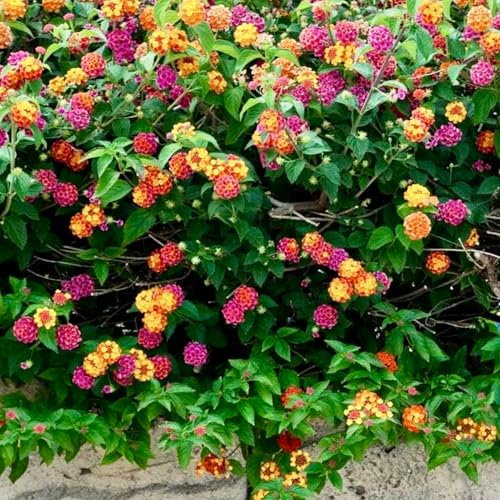
Lantana produces clusters of small, colorful flowers that hummingbirds frequent.

Its heat tolerance makes it valuable during the summer when other plants may struggle.


Cuphea Honey Bells Live Blooming Plant for Hummingbirds, Indoor/Outdoor Flowering Shrub

Impatiens thrive in shady spots, extending hummingbird territory beyond sunny areas.

Their continuous blooming habit provides reliable nectar sources in otherwise challenging garden locations.

Hibiscus flowers, with their abundant nectar, attract hummingbirds to gardens in late summer.

Both tropical and hardy varieties offer large, showy blooms that these birds can’t resist.

Beyond Plants: Supporting Hummingbird Habitat

Creating a complete hummingbird habitat requires more than just the right plants. Supplemental feeders and chemical-free gardening practices play crucial roles in maintaining a healthy environment for these tiny visitors.

Providing Supplemental Feeders

Hummingbird feeders offer a reliable nectar source, especially during periods when flowers may not be blooming abundantly.

Choose feeders with bright red parts, as this color naturally attracts hummingbirds.

The best nectar recipe is simple: Mix four parts water with one part white granulated sugar.

Never use honey, brown sugar, or artificial sweeteners, as these can be harmful to hummingbirds.

Clean feeders thoroughly every 3-5 days in hot weather and weekly in cooler temperatures.

Dirty feeders can harbor harmful bacteria and mold that make hummingbirds sick.

Place feeders in partially shaded areas to prevent the nectar from fermenting quickly.

Multiple smaller feeders scattered throughout the garden will reduce territorial disputes among these naturally competitive birds.

Avoiding Chemicals in the Garden

Pesticides and insecticides pose serious threats to hummingbirds and the insects they depend on for protein. Even treatments marketed as “natural” can harm these sensitive creatures.

Embrace natural pest control methods instead.

Encourage beneficial insects like ladybugs and lacewings that naturally control garden pests.

Hand-picking larger pests and using water sprays for aphids offer safe alternatives.

Remember that hummingbirds themselves consume small insects as part of their diet.

By eliminating chemical controls, gardeners maintain this vital food source.

Create pest-resistant gardens by practicing crop rotation and companion planting.

Strong-smelling herbs like basil and rosemary naturally repel many common garden pests while adding biodiversity to the yard.

When fertilizing, choose organic options that won’t contaminate nectar or harm pollinators that visit the garden.

Frequently Asked Questions

Hummingbirds have specific preferences when it comes to plants and flowers. Their attraction to certain species depends on factors like nectar availability, flower shape, and regional growing conditions.

What are the top perennial flowers that also attract hummingbirds and butterflies?

Bee balm (Monarda), salvia varieties, and penstemon are perennial flowers that attract hummingbirds and butterflies. These plants produce nectar-rich blooms that these pollinators find irresistible. Butterfly bush (Buddleia) serves as another excellent option with its long-blooming flower spikes. Coneflowers (Echinacea) pull double duty by attracting hummingbirds during blooming periods and providing seeds for other birds later. Cardinal flower (Lobelia cardinalis) features vibrant red tubular blooms that hummingbirds can’t resist. This native perennial thrives in partially shaded areas with consistent moisture.

Which full sun hanging plants are known to attract hummingbirds?

Lantana thrives in full sun conditions and produces clusters of colorful flowers that hummingbirds frequently visit. Its heat tolerance makes it ideal for hanging baskets in sunny locations. Petunias work excellently in hanging baskets with full sun exposure. Their trumpet-shaped flowers come in multiple colors and provide nectar throughout the growing season. Bidens offers bright yellow or orange daisy-like flowers that attract hummingbirds while tolerating hot, sunny conditions. Calibrachoa (Million Bells) resembles miniature petunias and performs well in full sun hanging baskets.

Can you list some plants that are popular with hummingbirds in Southern California?

California fuchsia (Epilobium) thrives in Southern California’s climate and produces tubular orange-red flowers that hummingbirds love.
Indian hawthorne (Rhaphiolepis) blooms from midwinter to late spring with pink, red, or white flowers.
Tecoma varieties like Bells of Fire™ and Lydia™ attract numerous hummingbirds with their trumpet-shaped blooms.
These plants handle Southern California’s heat and drought conditions well.
Native sage varieties, particularly Salvia spathacea (hummingbird sage), have adapted perfectly to the region and reliably attract hummingbirds throughout their blooming period.

What varieties of plants are most attractive to hummingbirds in regions like Florida and Texas?

In Florida and Texas, firebush (Hamelia patens) attracts hummingbirds with its tubular orange-red flowers and thrives in the heat.
Turk’s cap (Malvaviscus arboreus) produces unusual, curved red flowers that hummingbirds can access with their specialized bills.
Coral honeysuckle (Lonicera sempervirens) grows as a native vine in these regions and consistently attracts hummingbirds.
Shrimp plants (Justicia) work well in hanging baskets and produce unusual flowers that hummingbirds find appealing.
Cigar plant (Cuphea ignea) bears tubular orange-red flowers that resemble small cigars and grows well in Florida and Texas climates.
Its compact size makes it suitable for hanging planters.

Among hanging plants, which ones are hummingbirds most drawn to?

Fuchsia consistently ranks as one of the most attractive hanging plants for hummingbirds.
Its pendulous, tubular flowers in red, pink, and purple combinations provide easily accessible nectar.
Trailing varieties of salvia, particularly Salvia Saucy™ Wine and Saucy™ Red, work beautifully in hanging baskets.
Their tubular flowers extend outward, making them perfect landing spots for feeding hummingbirds.
Hanging baskets of trailing lobelia with their small, tubular flowers attract hummingbirds while adding cascading color.
Impatiens in partial shade locations also draw hummingbirds with their abundant blooms.

What factors make certain plants more appealing to hummingbirds than others?

Flower shape significantly influences hummingbird attraction, with tubular flowers being ideal for their specialized bills and tongues.
Red, orange, and pink flowers typically attract hummingbirds more effectively than other colors.
Nectar quantity matters enormously, as hummingbirds need to feed frequently to maintain their rapid metabolism.
Plants producing abundant, sugar-rich nectar receive more visits.
Bloom timing affects hummingbird visitation rates.
Plants that flower during migration seasons or that offer extended blooming periods provide reliable food sources when these birds need them most.

8 Hanging Plants That Attract Hummingbirds for Your Spring Garden Display

Conclusion

Hanging plants serve as beautiful and practical additions to any garden wanting to attract hummingbirds.

The eight plants discussed offer varied options for different garden settings, sun exposures, and climate zones.

Remember that hummingbirds are particularly drawn to bright colors—especially red—and tubular-shaped flowers that hold rich nectar.

Plants like petunias, fuchsias, and lantanas make excellent choices for hanging baskets.

When planning your hanging garden, consider placing baskets at different heights around your outdoor space. This creates multiple feeding stations for these energetic birds.

Water your hanging plants regularly as they dry out faster than ground plants.

Proper care ensures abundant blooms that will keep hummingbirds returning to your garden.

For best results, avoid using pesticides on or near your hummingbird-attracting plants.

These chemicals can harm the tiny birds or kill the insects that form part of their diet.

With the right selection of hanging plants, you can transform your porch, patio, or garden into a hummingbird haven.

The delightful sight of these iridescent visitors will reward your gardening efforts throughout the growing season.

vegetable garden ideas

10 Vegetable Garden Layout Ideas