9 Plants That Can Survive Without Watering for Months

Looking for plants that can survive with minimal watering? Many houseplants and garden favorites can thrive for extended periods without frequent attention to their water needs.

These drought-tolerant plants have evolved special adaptations that allow them to store water in their leaves, stems, or roots, making them perfect for busy or forgetful plant owners. Plants like snake plants, ZZ plants, and various succulents have developed remarkable survival mechanisms that help them endure dry conditions.

They’ve mastered the art of water conservation through reduced leaf surfaces, waxy coatings, and specialized tissues.


Mexican Fencepost Cactus | 4 inch | Lophocereus marginatus | Live Cactus Plant | Succulent | Indoor Plant | House Plant

This makes them excellent choices for travelers, those with hectic schedules, or anyone who simply wants low-maintenance greenery in their home.

1. Cactus

Cacti are the kings of drought resistance in the plant world. These hardy plants have evolved special features to survive in dry, hot environments where water is scarce.

Their thick, fleshy stems store water that helps them endure long periods without rainfall.

Most cacti can survive without water for several weeks to months. Some larger, established cacti can even go without water for a year or more in extreme conditions.


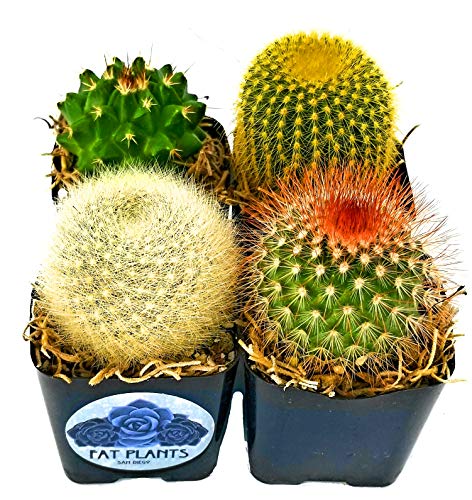
Shop Succulents | Can't Touch This Collection | Assortment of Hand Selected, Fully Rooted Live Indoor Cacti Plants, 5-Pack

The prickly pear cactus (Opuntia) is particularly resilient. During severe droughts, these cacti can shed some of their pads as a survival mechanism, allowing the main plant to conserve resources and stay alive.

Bishop’s Cap cactus is another excellent indoor growing choice. It requires only occasional watering when the soil becomes completely dry, making it an ideal houseplant for those who tend to forget about watering.

Cacti have developed unique adaptations over time. Their spines aren’t just for protection—they also help reduce water loss by breaking up air flow around the plant and providing some shade.

Most cacti have extensive, shallow root systems that quickly absorb rainfall before it evaporates.

After a good watering, they can go dormant during dry periods, using minimal energy until water becomes available again.

The lifespan of cacti varies widely between species. Some may live 10-20 years, while others can survive for over 200 years in ideal conditions. Outdoor cacti typically live longer than those kept as houseplants.

Zebra haworthia, sometimes called zebra cactus (though technically not a true cactus), is another excellent drought-tolerant option. It can thrive for days or even weeks in dry soil, making it perfect for forgetful gardeners.

When growing cacti, the biggest risk isn’t underwatering but overwatering. Too much water can cause root rot and kill these desert plants faster than drought. It’s always better to err on the side of too little water than too much.

Check out Can I Use Cactus Soil for Dieffenbachia?

2. Aloe Vera

Aloe vera is a remarkable drought-tolerant succulent that can survive for extended periods without water.

Native to arid regions, this plant has evolved to store water in its thick, fleshy leaves, allowing it to withstand dry conditions for months at a time.

Many gardeners appreciate aloe vera for its resilience when neglected. According to search results, aloe plants can thrive without water for several months, especially when kept in environments similar to their natural habitats.

Aloe vera plants that have been left in a garage or other dry area without water for months can often bounce back when watering resumes. Their natural adaptation to dry climates means they’re programmed to revive themselves after drought periods.


Costa Farms Aloe Vera, Live Succulent Plant, Easy Care Indoor Houseplant in Modern Décor Planter, Room Air Purifier, Tabletop, Office, Desk or Home Décor, Birthday, Gardening Gift, 10-12 Inches Tall

The water storage capacity in aloe’s thick leaves functions as its survival mechanism. This adaptation allows the plant to draw on its reserves during extended dry spells, making it perfect for forgetful waterers or travelers.

Search results indicate that aloe vera can survive for up to four weeks without any care, though many specimens can last much longer.

The plant’s ability to withstand drought depends on several factors, including soil conditions, drainage, and evaporation rates.

When keeping Aloe vera as a houseplant, it’s actually better to keep it underwater than overwater. Too much moisture can lead to root rot, while these hardy plants can recover quickly from drought once watering resumes.

Aloe vera’s drought tolerance makes it an excellent choice for busy households or office environments where regular plant care might be challenging.

Its ability to survive neglect doesn’t diminish its attractive appearance or health benefits.

For optimal growth, Aloe vera should receive occasional watering when the soil has completely dried out.

However, its remarkable ability to survive long periods without water makes it one of the most forgiving plants for beginners.

Check out 15 Best Indoor Plants for Oxygen

3. Snake Plant

Snake plants are known for their incredible ability to survive with minimal water. Their thick roots store water, making them perfect for those who forget to water their plants.

These plants can go weeks without water, especially if they’re in less light. Some say they can even survive months with very little water in the right conditions.

Snake plants have striking, upright leaves that add style to any space. Their tough nature makes them a top choice for busy people or those new to plant care.

If you notice your snake plant has floppy leaves, it might actually be getting too much water rather than too little. These plants prefer to dry out between waterings.


Costa Farms Snake, Sansevieria White-Natural Decor Planter Live Indoor Plant, 12-Inch Tall, Grower's Choice, Green, Yellow

Snake plants are drought-tolerant superstars. They adapt easily to different light conditions, from low to medium lighting, making them versatile for any room in your home.

You can recognize a snake plant by its tall, stiff leaves that point upward. The leaves often have green and yellow patterns that add visual interest.

It can bounce back even if you forget about a snake plant for a long time. There are reports of snake plant rhizomes surviving after being forgotten for months.

These plants are perfect for people who travel often. You can leave for a two-week vacation without worrying about your snake plant dying from lack of water.

The best care approach is to water thoroughly but infrequently. Let the soil dry completely between waterings to prevent root rot and keep your snake plant happy.

4. Rubber Plant

Rubber Plant, also known as Ficus elastica, is a popular houseplant that can tolerate extended periods without water.

This fast-growing plant features large, glossy leaves that make a bold statement in any indoor space.

Rubber Plants prefer low to medium water conditions, making them ideal for people who forget to water their plants. They can survive several weeks without water, though they shouldn’t be left completely dry for too long.

These plants store water in their thick leaves, which helps them endure dry periods.


Costa Farms Burgundy Rubber Plant, Live Indoor Ficus Elastica Tree, Live Indoors Houseplant in Décor Planter Pot, Potting Soil Mix, Gift for Housewarming New House, Home or Office Decor, 2-3 Feet Tall

When caring for a Rubber Plant, it’s better to underwater than overwater, as wet soil can lead to root rot.

The ideal watering schedule is to wait until the soil is almost dry before watering again. Depending on your home’s conditions, this might mean watering only once every two to three weeks.

Rubber Plants thrive in bright, indirect light but can adapt to lower light conditions. They’re relatively easy to care for, making them perfect for beginners or busy plant owners.

If you notice the leaves dropping or turning yellow, your Rubber Plant might be getting too much or too little water. Adjust your watering schedule accordingly to keep it healthy.

Check out 15 Best Indoor Plants for Air Purification

5. Ficus Elastica

The Ficus Elastica, commonly known as the Rubber Plant, is a remarkable houseplant that can survive extended periods without water.

Native to Southeast Asia, this plant has become popular among busy plant owners and frequent travelers due to its low-maintenance nature.

Rubber Plants store water in their thick, leathery leaves, which helps them endure dry conditions.

They have evolved to withstand drought in their natural habitat, making them perfectly suited for homes where watering might be inconsistent.

These plants prefer to be left alone and don’t like frequent relocation.


PERFECT PLANTS Variegated Rubber Plant | Ficus Elastica 'Ruby' | Live Indoor Houseplant | Unique Home Décor, 6in. Grower's Pot

They thrive in bright, indirect light but should be kept away from direct, hot sun that could burn their glossy leaves.

When it comes to watering, Ficus Elastica only needs attention approximately every 15 days under normal conditions.

However, they can survive much longer periods without water if necessary, sometimes up to a month or more.

The soil should be allowed to dry out completely between waterings.

Overwatering is more harmful to Rubber Plants than underwatering, as they are prone to root rot when sitting in soggy soil.

Ficus Elastica grows relatively fast and eventually consumes its pot’s nutrients.

Watch for roots beginning to appear at the soil surface, which indicates it’s time for repotting.

During winter months, the plant requires even less water as it enters a dormant phase.

This makes it an excellent choice for those who travel frequently during the holiday seasons.

The Rubber Plant comes in several varieties, including those with burgundy, variegated, or green leaves.

All types share the same water-conserving properties that make them resilient during dry spells.

For optimal care, place your Rubber Plant in a room with consistent temperature and away from drafts.

While they can tolerate neglect, they will reward attentive owners with more vibrant growth and a healthier appearance.

Check out 9 Ways to Keep Birds Out of Hanging Plants

6. Dracaena

Dracaena plants are impressive survivors that can go without water for extended periods. According to the search results, some dracaena plants have been known to survive without water for up to 4 months and still produce new growth.

This makes them an excellent choice for people who travel frequently or sometimes forget to water their plants.

Dracaenas come in several varieties, with about half a dozen species suitable for growing at home.


Costa Farms Dracaena Marginata Magenta Madagascar Dragon Tree, Live Indoor Plant, Easy to Grow Houseplant Potted in Decor Planter Pot, Living Room Home and Office Decor, 3-4 Feet Tall

These plants feature striking foliage with long, often variegated leaves that add a bold statement to indoor spaces. Their tropical appearance belies their tough nature.

These resilient plants prefer temperatures between 60 and 70 degrees Fahrenheit.

They can handle a temperature drop of about 10 degrees overnight without issue, which adds to their adaptability in home environments.

When a dracaena goes without water for months, it may still produce new growth, demonstrating the plant’s strong survival mechanisms.

The search results mention a case where a dracaena produced new growth even after four months without water.

If you have a dracaena that has survived a drought period, you might be able to propagate the new growth.

The new shoots can potentially be cut off and rooted in water, creating new plants from the survivor.

Dracaenas store water in their thick stems and robust root systems. This capability allows them to endure dry periods that would kill less hardy plants. Their semi-succulent nature also contributes to their drought tolerance.

These plants have evolved to be efficient with water usage.

They can close their stomata (leaf pores) during dry periods to reduce water loss, a trait that helps them survive in their native tropical habitats during seasonal dry spells.

While dracaenas can survive long periods without water, they still perform best with regular care.

For optimal growth, water when the top inch of soil becomes dry. However, watering these plants underwater is always better than overwatering them.

Dracaenas make excellent low-maintenance houseplants for beginners or busy plant owners. Their ability to thrive despite occasional neglect makes them a staple in offices and homes where plant care might be inconsistent.

Check out 20 Best Non Flowering Plants for Low-Maintenance Indoor Decor

7. Philodendron

Philodendrons are popular houseplants known for their ability to survive with minimal water. They can go at least two weeks without watering, making them excellent choices for busy plant owners or frequent travelers.

These tropical plants have adapted to survive in various conditions. Their thick, waxy leaves help them retain moisture during dry periods, so they can withstand longer intervals between waterings.


Birkin Philodendron in 6 Inch Pot for Indoor Plants Live Houseplants, Office Plants, Easy Plant Gift, Philodendron Plant Live Plants Indoor Plants Live House Plants Live Plant Decor by Plants for Pets

Heart-leaf philodendrons, with their vining growth habit, are exceptionally hardy. They will show you when they need water by slightly drooping their leaves, but can recover quickly once watered.

To care for philodendrons, place them in spots with bright but indirect light. A location near a sunny window works well, but avoid direct sunlight, which can burn their leaves.

Plant philodendrons in slightly acidic, well-draining potting mix. This soil composition helps prevent root rot, which can occur if the plant sits in water for too long.

While philodendrons are drought-tolerant, they do best with occasional watering. The key is to let the top inch of soil dry out completely before watering again.

During the winter months, philodendrons require even less water. Their growth slows during this time, reducing their water needs significantly.

If you forget to water your philodendron for an extended period, don’t worry. A thorough watering will often revive the plant, and new growth will appear within days.

Philodendrons come in many varieties, including climbing and non-climbing types. All share similar water needs and can withstand dry conditions for extended periods.

Their resilience makes philodendrons perfect for beginners or anyone who tends to forget watering schedules. With minimal care, these plants can thrive for years, growing more robust with time.

Check out 9 Worst Indoor Plants for Allergies

8. Ponytail Palm

The Ponytail Palm is a striking plant known for its bulbous trunk and long, slender leaves that cascade like a ponytail. Despite its name, it’s not actually a palm but belongs to the Asparagaceae family. This resilient plant is native to the semi-desert regions of Mexico.

Ponytail Palms are exceptionally drought-tolerant. Their swollen base, called a caudex, stores water, allowing them to survive for months without watering. According to search results, some Ponytail Palms have survived 6-8 months without water, though this isn’t ideal for their health.


Nature's Way Farms Ponytail Palm Live Houseplant (8-15 inches Tall) in Growers Pot

The water storage ability of the Ponytail Palm enables it to last up to four weeks without water without suffering harm. This makes it perfect for forgetful gardeners or frequent travelers who can’t maintain a regular watering schedule.

When caring for a Ponytail Palm, it’s best to let the soil dry completely between waterings. Overwatering is more harmful than underwatering for this plant. In winter, you can reduce watering even further as the plant enters a dormant phase.

Ponytail Palms thrive in bright, indirect light to full sun. They adapt well to indoor conditions but appreciate being placed near a sunny window. These plants are also quite tolerant of different temperatures, though they prefer warmer environments.

One of the benefits of Ponytail Palms is their slow growth rate. A plant that’s 12 inches tall will take many years to reach 5 feet. This slow growth means they don’t need frequent repotting, adding to their low-maintenance appeal.

For optimal care, plant your Ponytail Palm in well-draining soil. A cactus or succulent mix works well. The container should have drainage holes to prevent water from pooling at the bottom and causing root rot.

Ponytail Palms make excellent houseplants due to their unique appearance and forgiving nature. They can live for decades with minimal care, often becoming treasured family heirlooms passed down through generations.

Check out 10 Indoor Plants for Your Bedroom

9. Bougainvillea

Bougainvillea is an excellent choice for gardens in dry climates. This vibrant flowering plant can survive extended periods without water once established. Its drought tolerance makes it ideal for those who travel frequently or live in water-restricted areas.

Bougainvillea develops a deep root system that helps it find moisture deep in the soil. During dry spells, it enters a semi-dormant state to conserve energy and water. The plant’s woody stems and leathery leaves are adaptations that help reduce water loss.

For bougainvilleas to thrive with minimal water, they need full sun exposure. Sunlight is crucial for their blooming cycle and overall health. When planted in shady locations, they require more frequent watering and produce fewer of their colorful bracts.


Pink Bougainvillea Live Well Established Plant in 6" Pot with Trellis Bright Colors Flowering Vine Indoor/Outdoor Perenneal/Annual

Established bougainvilleas can go up to two weeks without water in moderate weather. In cooler conditions, they might survive even longer without supplemental irrigation. Their water needs decrease significantly during the winter months.

Overwatering is actually more harmful to bougainvilleas than underwatering. Too much moisture can lead to root rot and prevent the plant from flowering properly. Many gardeners find their bougainvilleas bloom more profusely when slightly water-stressed.

When planting bougainvillea, it’s important to avoid disturbing the roots. The plant is sensitive to root disruption and can suffer setbacks if the root system is damaged during transplanting. Careful handling during planting helps establish drought resistance faster.

The container for potted bougainvilleas should have good drainage. This prevents water from collecting at the roots and allows the soil to dry out between waterings. Terra cotta pots work particularly well, as they allow moisture to evaporate through their porous surfaces.

The best watering strategy for bougainvillea is to wait until the soil is completely dry before watering deeply. This encourages roots to grow downward in search of moisture, improving the plant’s drought tolerance over time.

Bougainvilleas in containers may need more frequent watering than those planted in the ground. However, they still prefer to dry out between waterings. A good rule is to water thoroughly when the top few inches of soil feel dry to the touch.

Read 7 Hanging Plants That Attract Hummingbirds

Understanding Drought-Tolerant Plants

Drought-tolerant plants have special features that help them survive with minimal water. These remarkable plants conserve water efficiently and have adapted to thrive in dry conditions.


Cactus Plants Live – Small Assorted 2-Inch Cactus Plants – Fully Rooted Potted Cactus Plants – Live Cactus Plant Set (6)

Characteristics of Drought-Tolerance

Drought-tolerant plants have developed specific adaptations to survive with little water. Many have deep root systems that reach far into the soil to access hidden moisture. These roots can extend several feet below the surface, much deeper than typical garden plants.

Some plants, like succulents, store water in their leaves, stems, or roots. Their fleshy tissues act as natural reservoirs during dry periods. This is why aloe, burro’s tail, and other succulents can go weeks without watering.

Other drought-resistant plants have small, waxy, or hairy leaves that reduce water loss. These features minimize evaporation and protect the plant from drying out in hot weather.

Many drought-tolerant species also have gray-silver foliage that reflects sunlight rather than absorbing it. This simple adaptation helps keep the plant cooler and reduces water needs.

Benefits of Low-Water Plants

Growing drought-tolerant plants offers many advantages for both gardeners and the environment. These plants can save hundreds of gallons of water per year for a single-family home, significantly reducing water bills and conservation efforts.

Low-water plants require less maintenance once established. You’ll spend less time watering and more time enjoying your garden. Most drought-tolerant plants also need less fertilizer and fewer chemicals to thrive.

These hardy plants create resilient gardens that survive heat waves and water restrictions. When traditional plants wilt during summer droughts, drought-tolerant varieties continue to look healthy and attractive.

Using native drought-tolerant plants also supports local wildlife and pollinators. These plants are naturally adapted to your region’s climate and provide food and habitat for beneficial insects and birds.

Caring for Drought-Resistant Plants

Drought-resistant plants need specific care routines to thrive despite minimal watering. The right soil and environment are crucial factors that determine how well these plants survive during dry periods.


BubbleBlooms Blue Columnar Cactus, Pilosocereus pachycladus Cacti, Column Blue Torch, in a 4 inch Pot

Soil Preparation and Maintenance

Sandy or well-draining soil is essential for drought-tolerant plants. To improve drainage, mix regular potting soil with sand, perlite, or pumice. This prevents root rot, which can occur even in drought-resistant varieties when water sits too long.

Mulching Tips:

  • Apply 2-3 inches of mulch around plants
  • Use gravel, pine needles, or bark chips
  • Keep mulch away from direct contact with stems

Avoid fertilizing too frequently as this can promote excessive growth that requires more water. When you do fertilize, use a slow-release option at half the recommended strength.

Test soil pH before planting, as most drought-resistant plants prefer neutral to slightly alkaline conditions (pH 6.5-7.5). Amend soil accordingly with lime to raise pH or sulfur to lower it.

Choosing the Right Environment

Place drought-resistant plants in locations that match their natural habitats. Most need full sun exposure (6+ hours daily) to properly develop drought-resistant qualities.

Best Locations:

  • South or west-facing areas
  • Spots away from lawn sprinklers
  • Areas with good air circulation

Group plants with similar water requirements together to prevent overwatering some while underwatering others. This practice, called hydrozoning, creates efficient watering zones in your garden.

Consider wind exposure when positioning plants. Strong winds can dry plants out faster, so provide windbreaks for sensitive varieties. Avoid planting in low spots where water collects, as even drought-resistant plants can suffer in waterlogged soil.


Altman Plants, Assorted Cactus Plants Live Succulents (3 Pack), Live Cactus Plant Lover Gifts, Cacti Succulents Plants Live Houseplants, Succulent Indoor Plants Live Plants in Cactus Soil Potting Mix

Read 8 Hanging Plants that Survive High Temps

Frequently Asked Questions

Many people wonder about which plants can thrive with minimal water. Below are answers to common questions about drought-tolerant plants for both indoor and outdoor environments.

What are some drought-tolerant plants that can thrive outdoors?

Sedums are excellent drought-tolerant outdoor plants. They require almost no water and are very easy to grow. The key is to avoid overwatering them. Other outdoor options include lavender, yarrow, and Russian sage. These plants have adapted to dry conditions and can survive long periods without rainfall. Succulents like agave and yucca also perform well in outdoor garden settings with minimal water. Their thick leaves store moisture efficiently.

How can I care for indoor plants that require minimal hydration?

For low-maintenance indoor plants, use well-draining soil. This prevents root rot, which often happens from overwatering rather than underwatering. Place your plants in appropriate light conditions. Most drought-resistant plants prefer bright, indirect light but can tolerate some variation. Water thoroughly but infrequently. It’s better to give these plants a good soak occasionally than frequent small amounts of water.

Which plants are capable of living for extended periods without water?

Cacti are the champions of water conservation, with some varieties surviving up to two years without water. Their specialized tissues store water efficiently. The Snake Plant can go 3-6 weeks without water, thanks to its thick, fleshy leaves that retain moisture. It’s one of the most resilient houseplants available. Aloe Vera plants can survive about four weeks without water. Their thick, gel-filled leaves act as water reservoirs during dry periods.

Are there any houseplants that seldom require watering?

The “Never Never Plant” (Ctenanthe) can survive up to 45 days without water. Its leaves have special water-storing cell layers. Ponytail Palms require watering only once every 3-4 weeks. Their bulbous trunks store water, acting as a natural reservoir. Rubber Plants (Ficus Elastica) need watering only when the soil is completely dry. Their thick, waxy leaves help reduce water loss through transpiration.

What are the best options for plants that need minimal water and sunlight to grow?

Snake Plants thrive in low light and need minimal water. They’re perfect for dark corners and forgetful plant owners. ZZ Plants tolerate low light conditions and can go weeks without water. Their thick stems store moisture effectively. Pothos plants adapt well to different light levels and can bounce back after periods of neglect. They’ll let you know they need water when their leaves start to droop.

Can some plants remain healthy without water for an entire week?

Most houseplants can easily survive a week without water. Common varieties like Spider Plants and Philodendrons won’t show signs of stress after just one week. Succulents and cacti can go well beyond a week without showing any negative effects. They’ve explicitly evolved to withstand long dry periods. Even some tropical plants like Peace Lilies and Pothos can recover well after a week of no water, though they might look a bit droopy at first.

Plants That Can Survive Without Watering for Months

Conclusion

Plants that can survive without water for extended periods make excellent choices for busy or forgetful gardeners.

The ZZ plant, snake plant, and various cacti can go months without watering, while aloe vera and jade plants can survive for several weeks.

These drought-tolerant plants have evolved special adaptations to store water efficiently. Some have thick, fleshy leaves, while others have modified stems or specialized water-storing cells.

Place these plants in appropriate lighting conditions for best results and use well-draining soil.

While they can survive long periods without water, they will thrive with occasional watering based on their specific needs.

Whether you travel frequently or simply prefer low-maintenance houseplants, these water-wise options offer beauty and resilience.

They provide greenery and air-purifying benefits without demanding constant attention.

Remember that even drought-tolerant plants eventually need water. Check your plants periodically for signs of extreme dehydration, such as wrinkled or dropping leaves.

You may also like:

vegetable garden ideas

10 Vegetable Garden Layout Ideas