
ZZ plants, or Zamioculcas zamiifolia, are popular choices for indoor plants due to their attractive glossy leaves and low maintenance needs. Many plant lovers wonder if these hardy plants can thrive in water permanently.
While ZZ plants can initially grow in water, they are best suited for well-draining soil for long-term health and growth.
Growing a ZZ plant in water can be an intriguing experiment for those looking to propagate or display their plants differently. However, the plant’s growth may slow without proper soil, and the roots can become unhealthy over time.
Understanding the needs of the ZZ plant is key to providing the best care and ensuring it flourishes.
For indoor gardeners, knowing how to care for their ZZ plant properly can lead to lush growth and a long lifecycle. This article explores the potential for growing ZZ plants in water and offers tips on how to keep them healthy for the best results.
Understanding ZZ Plants
ZZ plants, scientifically known as Zamioculcas zamiifolia, are popular tropical plants admired for their hardiness and unique appearance. They are often referred to as the Eternity Plant or Zanzibar Gem.

Their upright growth form, glossy leaves, and tolerance for low light conditions make them a favorite among indoor gardeners.
ZZ plants belong to the Araceae family, related to the aroid palm and arum fern. This plant is native to East Africa and thrives in warm, humid environments.
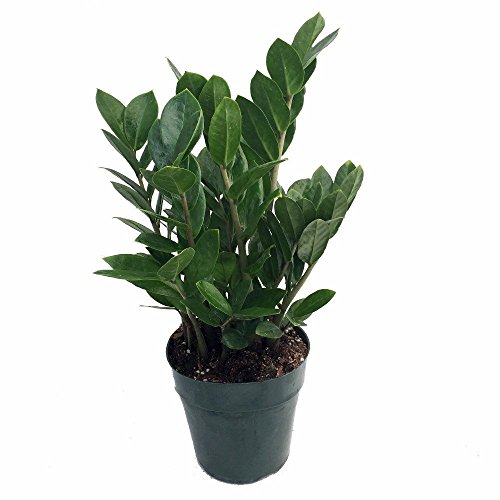
The ZZ plant has thick stems and waxy, dark green leaves that can grow up to 3 feet tall. Its rhizome stores water, allowing it to survive in dry conditions. This makes it an ideal choice for those new to plant care.
Growth Habit and Appearance
ZZ plants exhibit a striking growth habit. They develop a bushy appearance with arching stems that can reach heights of 2 to 3 feet.
The oval-shaped and glossy leaves create a lush look that brightens any space. Depending on the growing conditions, the leaves can vary from deep green to lighter shades.
Its smooth and pleasing texture makes it an attractive addition to home decor.
Plant Care Essentials
ZZ plants are low-maintenance and suitable for various environments. They prefer indirect light but can tolerate low-light areas.
It is essential to avoid direct sunlight, as this can scorch their leaves.
When it comes to watering, ZZ plants require infrequent watering. Overwatering can lead to root rot.

It is best to allow the soil to dry out between waterings.
Adequate drainage is crucial for this plant’s health. A well-draining potting mix and pot with drainage holes will help prevent excess water retention.
Check out 10 Reasons Why Is My ZZ Plant Turning Yellow
Propagation of ZZ Plants
Propagation of ZZ plants can be done in several effective ways. Different methods can achieve successful growth, depending on the gardener’s preference and available resources.
Important factors include proper growing conditions and care for the cuttings.
Methods of Propagation
- Leaf Cuttings: This method involves cutting a healthy leaf from the ZZ plant. The leaf is then placed in water or soil to encourage root growth. It may take several weeks for roots to develop. Using a rooting hormone can enhance the chances of success.
- Rhizome Division: ZZ plants grow from rhizomes, thick underground stems. The gardener gently separates a rhizome from the main plant when propagating through division. Each section must have roots attached. This method allows for quicker establishment.
- Water Propagation: A simple method involves placing stem cuttings in water. It’s essential to use a clean container and change the water regularly. After a few weeks, roots will grow from the cuttings, making them ready for transplanting.
Tips for Successful Propagation
To ensure successful propagation, attention to several factors is key. Here are some important tips:
- Light: ZZ plants prefer bright, indirect light. Avoid direct sunlight, which can damage the leaves.
- Water Retention: When rooting in water, ensure the water level is sufficient to cover the cuttings. Change the water weekly to prevent bacteria growth.
- Drainage: If using soil, ensure a well-draining mix. This prevents waterlogging and promotes healthy root development.
- Temperature: ZZ plants thrive in temperatures between 60°F to 75°F. Keeping the environment stable helps the cuttings grow.
Read How Much Water Does ZZ Plant Need
Caring for ZZ Plants in Water
ZZ plants can thrive in water if cared for properly. This includes understanding how to manage water conditions, fertilization needs, and response to growth challenges like root rot.
Hydroculture vs Soil Cultivation
Growing ZZ plants in water, known as hydroculture, differs significantly from traditional soil cultivation.
In hydroculture, the roots stay submerged in water, providing constant moisture. This method can improve water retention, allowing for less frequent watering.
In soil cultivation, ZZ plants need well-draining soil. Poor drainage can lead to root rot, a common issue.
While hydroculture minimizes risks associated with soil pests, it requires careful monitoring of water quality and levels. For best results, clean water should be used, avoiding chlorine or harmful chemicals.
Advantages and Challenges
ZZ plants offer certain advantages when grown in water. They naturally thrive in lower light conditions, making them ideal for indoor environments. The decorative appeal of their glossy leaves enhances any space.

However, there are challenges associated with this method.
Root rot can occur if the water is not changed regularly. Stagnant water may also attract bacteria or fungi.
Monitoring the water level and replacing it every few weeks is important.
Fertilization can also be tricky; liquid fertilizers should be diluted in water to prevent buildup.
Maintenance Practices
Maintaining ZZ plants in water requires attention to detail.
Regularly check the water level, ensuring it covers the roots without drowning them.
To prevent root rot, consider using a clean container with good drainage.
Occasionally, pruning any dead or yellowing leaves promotes better growth.
Fertilizing every few months with diluted liquid fertilizer supports healthy development.
Keep an eye on overall plant health. If the plant looks droopy or leaves turn yellow, adjustments in care may be needed.
Check out ZZ Plant Light Requirements
Common Issues and Solutions
Growing a ZZ plant in water can present several challenges. It’s important to recognize these common problems and know how to address them effectively.
Identifying Common Problems
ZZ plants are sensitive to changes in their environment while growing in water. One major issue is root rot, which can occur if the water is not changed regularly.
Signs include yellowing leaves and a foul odor from the roots.
Another problem is the inconsistency of light. If a ZZ plant does not receive enough light, it may not grow well, resulting in leggy or slow development.
Overcrowding can also happen when multiple cuttings are placed in one container. This can lead to competition for resources, making it essential to provide enough space.
Addressing Disease and Pests
Diseases and pests can become major problems for ZZ plants in water.
Root rot can be addressed by removing the plant from the water and trimming away affected roots. After that, it can be placed in fresh water.
It’s best to isolate the affected plant for pests such as mealybugs or aphids.
A gentle rinse under running water can help dislodge pests. If this doesn’t work, using an insecticidal soap may be appropriate.
Regular inspections of the plant are crucial to catch any issues early.
Preventive Measures
Preventing common problems is key to successful ZZ plant care in water.
Proper drainage is essential, even when growing in water. If using pebbles or stones, ensure they are clean and allow for airflow.
To avoid root rot, change the water every 2-3 weeks. This keeps the water fresh and prevents stagnant conditions.
Providing adequate light is also important. Placing the plant in bright, indirect light encourages healthy growth and reduces the chance of leggy stems.
Lastly, don’t overcrowd the container. Offering enough room allows the plants to thrive without competing for resources.
Check out Can I Use Cactus Soil for ZZ Plant?
Pruning and Maintenance
Pruning and maintaining a ZZ plant is essential for its health, especially when grown in water.
Proper pruning encourages new growth and helps the plant retain its shape. Regular maintenance can also prevent common issues like overcrowding or leaf loss.
When and How to Prune
Pruning should be done when the plant shows signs of growth, usually in spring or early summer.
Focus on removing yellowing leaves or any stems that appear weak.
The 1/3 rule for pruning suggests never removing more than one-third of the plant at a time. This helps avoid shock.
Cut just above a leaf node to encourage new growth. Always trim sparingly for the best results.
Tools and Techniques
Sanitizing tools is crucial before pruning. Use sharp shears or scissors to make clean cuts. This reduces the chance of infection.
To sanitize, wipe the blades with rubbing alcohol. This step prevents harmful bacteria from spreading.
It’s also helpful to wear gloves to protect hands from sap and keep everything clean.
Post-Pruning Care
After pruning, provide adequate care to help the plant recover.
Place the ZZ plant in indirect sunlight to prevent stress.
Water it sparingly, allowing the water level to drop slightly before refilling.
Check for any signs of distress after pruning, like drooping or browning leaves. Adjust care as needed to support healthy regrowth.
Check out 7 Best Potting Soil for ZZ Plant
ZZ Plant Relatives and Companions
The ZZ plant has several relatives and companion plants that thrive under similar conditions.
Understanding these connections can help gardeners create beautiful and harmonious indoor spaces.
Similar Plant Species
Several plants have similar care needs and features to the ZZ plant. These include:
- Snake Plant (Sansevieria): Known for its tall, upright leaves, the snake plant is drought-tolerant and thrives in low light, similar to ZZ plants.
- Philodendron: With heart-shaped leaves, philodendrons are versatile and can adapt to various light conditions. They require slightly more water but still enjoy occasional dry spells.
- Monstera: This popular houseplant has large, split leaves and can tolerate low light. It needs a bit more humidity than a ZZ plant but shares a similar aesthetic.
- Jade Plant (Crassula ovata): This succulent does well in bright light and is robust and easy-going.
These plants share environmental needs and enhance the visual appeal of indoor arrangements.
Complementary Houseplants
When choosing companions for the ZZ plant, some plants work exceptionally well together. Consider the following:
- Pothos: With trailing vines and heart-shaped leaves, pothos can thrive in low light and is forgiving with water.
- Rubber Plant (Ficus elastica): This plant prefers bright indirect light but can tolerate low light as well. Its broad leaves add a nice texture next to the ZZ.
- Ferns: Many ferns love humidity and indirect light, complementing the ZZ plant’s beauty.
- Peperomia: This compact plant has many varieties and enjoys similar light and watering conditions.
Mixing these plants can create a vibrant display while ensuring they thrive in similar care settings.
Frequently Asked Questions
Many people wonder about the ability of ZZ plants to thrive in water and their overall care in aquatic environments. This section addresses key concerns regarding their survival, propagation, and growth in water.
How long can a ZZ plant live submerged in water?
ZZ plants can survive for a limited time submerged in water, typically a few weeks before the roots start to rot. Long-term submersion is not recommended as the plant prefers to have its roots in moist soil rather than being fully underwater.
Is it possible for a ZZ plant to root and grow from a single leaf in water?
A single leaf of a ZZ plant can be placed in water to encourage rooting. However, while it may develop roots, producing new growth from just one leaf can take a long time. Often, this process can take several months to a year.
What is the maximum growth rate of a ZZ plant in aquatic conditions?
A ZZ plant’s growth rate may be slower in aquatic conditions than in soil. Water alone may not provide all the nutrients needed for optimal growth, and it can typically take several months for significant growth to occur.
Can a ZZ plant survive in hydroponic conditions without any soil?
Yes, a ZZ plant can adapt to hydroponic conditions without soil. It can thrive if provided with the right water and nutrients, though care must be taken to avoid overwatering, as it is not accustomed to being fully submerged for long periods.
How do you propagate a ZZ plant in an aqua-only environment?
To propagate a ZZ plant in water, cut a healthy stem or leaf and place it in a container with water. Change the water regularly to keep it clean. Roots should begin to form within a month, after which it can be transferred to soil for better growth.
What are some common indoor plants that can thrive indefinitely in water?
Several indoor plants can thrive in water, including pothos, philodendrons, and Lucky Bamboo. These plants are known for their adaptability and can live in water for extended periods with proper care.
Conclusion
ZZ plants can thrive in water temporarily, but they are not suited for permanent water growth.
These plants prefer well-draining soil, which allows their roots to breathe.
Water can be a good option for rooting cuttings when propagating ZZ plants. However, to avoid rot, the cuttings must not stay submerged for too long.
Key Points:
- Water Propagation: Effective for starting new plants.
- Soil Preference: Best for long-term health.
- Growth Rate: Typically slow, requiring patience.
While ZZ plants are resilient and can adapt to different conditions, they will flourish in soil.
Proper care, including balancing light and water, leads to better growth.
You may also like:
- Are ZZ Plants Toxic to Dogs?
- How to Grow ZZ Plant from Cutting
- Do ZZ Plants Like Humidity?
- ZZ Plant Varieties

Hello there! I’m Elsa, and gardening is my passion. As an avid gardener, I created GardeningElsa.com to share my knowledge and experience with fellow enthusiasts. My website is a comprehensive resource for gardeners of all levels, offering expert advice on a wide range of topics, including plants, flowers, herbs, and vegetable gardening. Whether you’re a beginner looking to start your first garden or a seasoned pro seeking to expand your knowledge, GardeningElsa.com has something for everyone. Read more about me.