ZZ plants, scientifically known as Zamioculcas zamiifolia, have become a favorite among indoor plant enthusiasts due to their striking appearance and low maintenance requirements.
Often called the Zanzibar Gem or Eternity Plant, these resilient houseplants are perfect for both beginners and experienced plant parents alike.
Several ZZ plant varieties are available, including the original green ZZ Plant, the dramatic Raven ZZ with purple-black foliage, the compact Zenzi ZZ, and the rare Variegated ZZ with white markings.
The ZZ plant family offers options to suit various preferences and spaces. The original variety grows up to 30 inches tall, while dwarf varieties like Zamicro and Zenzi stay more compact, making them ideal for smaller spaces.
The Raven ZZ (also called Black Queen) stands out with its distinctive dark purple-black leaves that provide a stunning contrast to other houseplants. Some collectors seek out the elusive Variegated ZZ and the ZZ Jungle Warrior for their unique leaf patterns and growth habits.
These adaptable aroids thrive in a range of indoor conditions, earning their reputation as one of the best indoor plants for low-light environments.
Their thick, glossy leaves store water efficiently, allowing them to survive periods of neglect.
This combination of beauty and resilience makes ZZ plants an excellent addition to any indoor plant collection, whether displayed in a living room, office, or bedroom.
Understanding the ZZ Plant
The ZZ plant (Zamioculcas zamiifolia) stands out among houseplants for its remarkable resilience and distinctive appearance. This hardy perennial has become increasingly popular among indoor gardeners for its ability to thrive in less-than-ideal conditions.
Zamioculcas zamiifolia, commonly known as the ZZ plant, belongs to the Araceae family and is the only species in its genus. Native to Eastern Africa, specifically regions from Kenya to South Africa, this plant naturally grows in dry grasslands and forests.
The ZZ plant features thick, glossy oval-shaped leaves arranged on sturdy stems. These evergreen plants develop from rhizomes that store water, explaining their exceptional drought tolerance.
ZZ plants typically grow slowly, reaching heights between 2-3 feet when mature.
Their distinctive appearance includes dark green, waxy foliage that grows symmetrically. The plant’s water-storing capabilities are evident in its thick stems and potato-like rhizomes below the soil surface.
Due to its longevity and origins, the ZZ plant earned nicknames like “Eternity Plant” and “Zanzibar Gem.” Since its introduction to global markets in the 1990s, it has become a symbol of low-maintenance elegance in interior design.
In many cultures, the ZZ plant represents prosperity and friendship. Its ability to survive neglect has made it popular in offices, homes, and public spaces where consistent plant care might be challenging.
The plant gained significant popularity during the 2010s houseplant boom. Interior designers frequently recommend ZZ plants for their structural form and ability to complement various design styles from minimalist to tropical.
The ZZ plant’s cultural impact extends to its reputation as a “plant for black thumbs” – making successful plant parenthood accessible to beginners and busy individuals alike.
Varieties of ZZ Plant
ZZ plants come in several distinct varieties, each with unique characteristics that appeal to different plant enthusiasts. These varieties differ in size, color, and growth patterns while maintaining the species’ signature durability.
The Classic Zanzibar Gem
The standard ZZ plant (Zamioculcas zamiifolia) features glossy, dark green leaflets arranged on upright stems. This original variety grows to about 2-3 feet tall and spreads 2-4 feet wide when mature.
Its thick, waxy leaves store water efficiently, giving the plant exceptional drought tolerance.
The classic Zanzibar Gem produces new growth as bright lime-green shoots that darken as they mature. This variety has become popular worldwide for its ability to thrive in low light conditions and withstand neglect.
Another notable variation of the classic ZZ is the Raven ZZ, which develops nearly black foliage as it matures. New growth starts bright green before transitioning to a dramatic dark color, creating an interesting contrast in growing plants.
Compact Varieties: Zenzi and Zamicro
Zenzi ZZ plants are compact versions with shorter stems and more densely packed leaflets. They typically reach only 1-2 feet in height, making them ideal for smaller spaces or tabletop displays.
The Zenzi variety features slightly curled leaflets that give it a distinctive ruffled appearance.
The Zamicro (or Dwarf ZZ) is even smaller, usually growing to just 12-18 inches tall. These diminutive plants maintain the same drought tolerance and low-light adaptability as their larger relatives but in a more space-efficient form.
Both compact varieties grow more slowly than the standard ZZ plant. Their reduced size makes them perfect choices for offices, apartments, or any space where a smaller footprint is desired.
New Developments: Zuzu Plant
The Zuzu Plant represents newer breeding efforts in the ZZ plant family. This variety features more upright growth with stems that tend to grow more vertically than the slightly arching stems of traditional ZZ plants.
Zuzu Plants often display faster growth rates than other ZZ varieties. Their leaves may appear slightly narrower but maintain the characteristic waxy texture that helps the plant conserve water.
Some growers report that the Zuzu variety produces more stems from its rhizomatous base, creating a fuller-looking plant more quickly.
This makes it appealing to those wanting a lush appearance without waiting years for their plant to fill out.
Unlike other ZZ varieties, the Zuzu Plant may occasionally produce small, arum-like flowers under ideal conditions, though flowering remains rare in most home environments.
Optimal Growing Conditions
ZZ plants thrive in a variety of environments with minimal care, making them perfect for both beginners and busy plant owners. These hardy plants have specific preferences for light, water, and climate that help them maintain their glossy appearance.
Lighting Requirements
ZZ plants are incredibly adaptable when it comes to light conditions. They prefer bright to moderate indirect light but can survive in low light areas where many other houseplants would fail.
Avoid placing your ZZ plant in direct sunlight as this can scorch the leaves and cause damage. A north or east-facing window provides ideal lighting conditions.
For offices or bathrooms with little natural light, ZZ plants will still survive but may grow more slowly.
If you notice your plant becoming leggy or stretching toward a light source, consider moving it to a brighter location.
ZZ plants can even thrive under fluorescent lights, making them perfect for windowless offices or basement areas.
Watering Schedule
ZZ plants are drought-tolerant and prefer to dry out completely between waterings. Overwatering is the most common cause of problems with these plants.
Watering frequency guide:
- Summer: Water every 2-3 weeks
- Winter: Water every 4-6 weeks
- Always check soil moisture before watering
The thick rhizomes in the ZZ plant’s root system store water, helping it survive dry periods.
When watering, ensure the pot has good drainage to prevent root rot.
Yellowing leaves and soft stems are signs of overwatering. If the plant’s leaves start to wrinkle slightly, it’s time to water.
Always use room temperature water and allow tap water to sit overnight to let chlorine evaporate.
Ideal Humidity and Temperature
ZZ plants aren’t fussy about humidity levels, thriving in normal household conditions. Unlike many tropical plants, they don’t require misting or humidifiers.
Temperature-wise, ZZ plants prefer:
- Ideal range: 65-75°F (18-24°C)
- Minimum: 45°F (7°C)
- Maximum: 85°F (29°C)
Keep ZZ plants away from cold drafts near windows or doors during winter. Similarly, avoid placing them near heating vents that can dry out the air too much.
These plants can handle temperature fluctuations better than most houseplants. However, rapid temperature changes may cause stress to the plant, resulting in leaf drop.
For optimal growth, maintain consistent temperatures and avoid moving the plant frequently between areas with drastically different conditions.
Planting and Repotting
ZZ plants thrive when given proper soil conditions and appropriate container space. Their unique rhizome root system requires special consideration during planting and repotting to ensure healthy growth.
Choosing the Right Potting Mix
ZZ plants need well-draining soil to prevent root rot. A mix of regular potting soil with perlite, coarse sand, or orchid bark creates ideal growing conditions.
This combination provides both drainage and aeration that ZZ plants require.
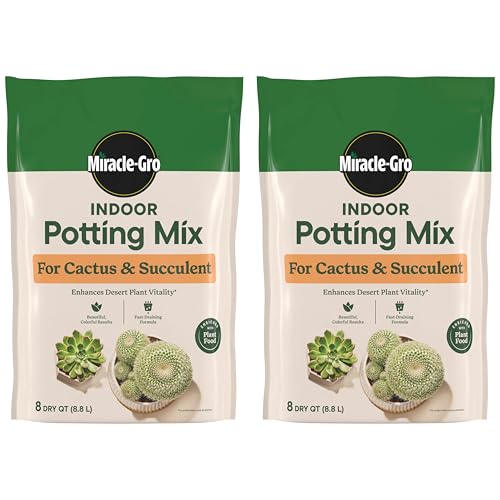
The pH level should be slightly acidic to neutral (6.0-7.0) for optimal nutrient absorption. Pre-made cactus or succulent mixes work well as a base, though adding extra perlite improves drainage further.
Avoid heavy, moisture-retaining soils that can suffocate the rhizomes. These dense soils hold too much water and create conditions for fungal diseases and root rot.
A quality potting mix with good drainage will support healthy ZZ plant growth for years.
Repotting Techniques
Repot ZZ plants every 2-3 years, ideally in spring before the growing season begins.
Select a container only 1-2 inches larger than the current pot, as too much space can lead to overwatering issues.
Start by gently removing the plant from its current container. Carefully loosen the roots and remove old soil. Check for damaged or rotting roots and trim them with clean scissors.
Important steps for repotting:
- Place a layer of fresh potting mix at the bottom of the new pot
- Position the plant so rhizomes are covered but not too deep
- Fill around the roots with fresh soil, tamping gently
- Water thoroughly and allow to drain completely
After repotting, wait 1-2 weeks before regular watering to let the roots recover from transplant stress.
Root System Management
ZZ plants develop potato-like rhizomes below the soil that store water and nutrients. These structures are vital to the plant’s drought tolerance and must be properly maintained.
When planting or repotting, position rhizomes so they’re completely covered with soil but not buried too deeply. This prevents both drying out and rotting issues.
Inspect rhizomes during repotting for any signs of damage or disease.
Root rot is the biggest threat to ZZ plants. Symptoms include yellowing leaves, mushy stems, and a foul smell from the soil.
Prevention requires:
- Never letting the plant sit in standing water
- Using pots with drainage holes
- Allowing soil to dry between waterings
- Using sterilized tools when handling roots
Healthy rhizomes feel firm and look light tan to brown in color. With proper care, these root structures support years of growth.
Check out Overwatered ZZ Plant
Propagation Methods
ZZ plants can be grown from existing plants using several reliable methods. These tough houseplants multiply easily when you know the right techniques.
Leaf Cuttings
Leaf cuttings are a simple way to propagate ZZ plants.
Start by removing a healthy leaf from the parent plant, making a clean cut at the base. Allow the cut end to callus over for 24 hours before planting.
Place the leaf cutting in well-draining soil mix, burying about 1/3 of the leaf. Keep the soil slightly moist but not wet.
Be patient—this method takes time! A new rhizome will develop underground first, followed by new shoots.
This propagation method can take 6-12 months to see new growth. For best results, place leaf cuttings in bright, indirect light.
Division of Rhizomes
The division is the fastest way to get new ZZ plants.
When your ZZ plant becomes crowded in its pot, it’s time to divide. Remove the plant from its container and gently separate the rhizomes.
Each division should have:
- At least one stem
- Healthy rhizome section
- Some roots attached
Let the divided sections dry for a day before replanting in fresh potting mix. Water sparingly at first, then resume normal care when new growth appears.
Division gives you instantly recognizable ZZ plants rather than waiting for new growth to develop from cuttings.
Routine Care and Maintenance
ZZ plants require minimal upkeep but still benefit from regular attention.
Proper maintenance keeps these hardy plants looking their best and prevents common problems before they start.
Pruning and Trimming
ZZ plants rarely need extensive pruning, but occasional trimming helps maintain their appearance.
Remove any yellow or brown leaves by cutting them at the base with clean, sharp scissors. This prevents the plant from wasting energy on dying foliage.
Trickle them back to your desired height for leggy stems that bend or droop.
The cut stems won’t regrow, but new growth will eventually emerge from the soil. If desired, save healthy cuttings for propagation.
Always sterilize your cutting tools before and after pruning to prevent disease spread. A simple wipe with rubbing alcohol works well.
If your ZZ plant becomes too crowded in its pot, consider dividing it rather than heavy pruning.
This gives both sections more room to grow and creates a new plant.
Troubleshooting Common Issues
Yellowing Leaves: This common problem usually indicates overwatering.
ZZ plants store water in their rhizomes and prefer to dry out completely between waterings. Check soil moisture before watering again. Only water when the soil is completely dry.
If just a few older leaves turn yellow, this might be normal aging. Remove these leaves to keep the plant looking fresh.
Root Rot: Soggy soil leads to root rot, a serious condition that causes stems to turn mushy and black.
If caught early, remove the plant from its pot, trim away affected roots, and repot in fresh, well-draining soil.
Leaf Spots: Brown spots may indicate sunburn from direct light.
Move your plant to a location with bright, indirect light instead. Water spots can also appear if water sits on leaves, so aim to water at the soil level only.
Pest Issues: ZZ plants rarely attract pests, but occasionally mealybugs or spider mites appear.
Treat with insecticidal soap or neem oil if needed.
Visual Guide and Inspiration
Seeing ZZ plant varieties in different settings can help you envision how they might look in your own space.
Visual resources provide valuable reference points for identifying different cultivars and understanding their growth habits.
Stock Photos and Illustrations
High-quality stock photos offer clear views of ZZ plant varieties in their mature form.
The classic ZZ plant (Zamioculcas zamiifolia) is found in most stock libraries. Its glossy, dark green leaves are arranged in a distinctive upright pattern.
Photos of the ‘Raven’ ZZ highlight its dramatic near-black foliage, while ‘Zenzi’ images showcase its compact, dense growth habit.
Vector illustrations are useful for understanding the structural differences between varieties.
These simplified drawings often emphasize the leaf arrangements, helping beginners identify which ZZ cultivar they’re looking at.
When searching stock libraries, look for images showing ZZ plants in various lighting conditions.
This helps demonstrate how the waxy leaves reflect light differently across varieties.
Video Tutorials and Reviews
Video content provides dynamic views of ZZ plant varieties that static images cannot capture.
Popular plant YouTube channels feature side-by-side comparisons of different ZZ cultivars, highlighting size differences and growth patterns.
Cultivar.org’s horticultural taxonomist Larry Hatch offers comprehensive video reviews of all known ZZ plant clones and cultivars.
These expert analyses help viewers understand subtle differences between similar-looking varieties.
Unboxing videos of newly purchased ZZ plants show what to expect when buying online.
These videos often demonstrate the plant’s condition upon arrival and initial care requirements.
Time-lapse videos of ZZ growth patterns are particularly helpful for understanding how varieties like ‘Zamicro’ and ‘Zenzi’ develop their distinctive shapes.
Panoramic Displays and Layouts
Panoramic images of botanical garden displays showcase how different ZZ varieties work together in designed spaces.
These comprehensive views help plant enthusiasts understand scale relationships between tall varieties like the classic ZZ and more compact cultivars.
Plant nursery panoramas display multiple ZZ varieties side by side, making it easier to compare their visual characteristics directly.
Retail displays often group the three most common varieties—original ZZ, ‘Raven’, and ‘Zenzi’—together for easy comparison.
Home interior, panoramic photos demonstrate how ZZ plants function in actual living spaces.
These images often show how the plants’ architectural forms complement different design styles.
Digital panoramic tools allow viewers to virtually “walk through” spaces with ZZ plant displays, offering interactive exploration of different varieties from multiple angles.
Frequently Asked Questions
ZZ plant enthusiasts often wonder about different varieties’ specific characteristics and care requirements. These questions cover visual differences to growth habits among popular and rare ZZ plant types.
What are the distinct features of variegated ZZ plant varieties?
Variegated ZZ plants display striking white or cream patterns on their glossy green leaves. The Chameleon ZZ is a popular variegated variety with splashes of cream or yellow on its foliage, creating a marbled effect. These variegated types tend to grow more slowly than solid green varieties because they have less chlorophyll. The patterns on variegated ZZ plants can vary significantly, with some showing dramatic streaking while others have more subtle speckles.
How does the Zenzi ZZ plant differ from other types of ZZ plants?
Zenzi ZZ plants are compact dwarf varieties with a distinctive appearance.
They feature smaller, more clustered leaflets than the original ZZ plant, giving them a denser, bushier look.
The Zenzi typically grows only 1-2 feet tall, making it perfect for smaller spaces. Its leaves are also slightly rounder than the longer, more pointed leaves of the standard ZZ plant.
Can you identify the differences between the Supernova and Raven ZZ plant varieties?
The Raven ZZ (also called ZZ Dowon) features striking black-purple foliage that emerges bright green before darkening with age.
This dramatic color transformation happens over several weeks after new growth appears.
The Supernova ZZ has a more open, spreading growth habit compared to the Raven.
It produces bright lime-green new growth that matures to medium green, creating a multi-toned effect throughout the plant.
What are some of the rarest ZZ plant varieties available?
The ZZ Gem is among the rarest varieties, featuring narrower leaflets that give it a feathery appearance.
Its distinctive texture makes it highly sought after by collectors.
Another rare find is the Lucky White ZZ, with small white dots scattered across its leaves.
The Zamicro is also uncommon, with miniature leaves perfect for terrariums and small containers.
What is the most sought-after ZZ plant variety?
The Raven ZZ is currently the most sought-after ZZ plant variety. Its dramatic near-black foliage creates a striking contrast in plant collections and home decor. The Chameleon ZZ, with its variegated patterns, is also highly desired. Limited availability and stunning appearance have made these specialty varieties more expensive than the common green ZZ plant. Collectors also prize the ZZ Gem for its unique feathery appearance and relatively recent introduction to the houseplant market.
How do care requirements vary among different ZZ plant varieties?
Variegated ZZ varieties need slightly brighter indirect light than solid green types to maintain their patterns. Too little light causes them to produce more green and less variegation. The Raven ZZ tolerates low light like the standard ZZ but may lose some of its dramatic coloring without adequate indirect light. All ZZ plants share drought tolerance, preferring to dry out between waterings. Fertilizer needs remain similar across varieties, with feeding recommended only once every six months. Most ZZ varieties thrive in the same well-draining soil mix, though smaller types like the Zenzi may require less frequent repotting.

Conclusion
ZZ plants offer a wonderful mix of beauty and ease for any home or office. These tough houseplants come in several interesting varieties beyond the common green type.
Variegated ZZs bring excitement with their splashes of yellow and white markings.
The Raven ZZ stands out with its dramatic black foliage, while Zenzi charms with its compact size.
ZZ plants truly deserve their reputation as nearly indestructible. They thrive with minimal care, making them perfect for busy people or those new to plant care.
Whether you choose a standard green ZZ or one of the more unusual varieties, you’ll enjoy their glossy leaves and striking appearance. They clean the air while requiring little attention in return.
For anyone looking to start or expand their houseplant collection, ZZ plants are an excellent choice.
Their adaptability to different light conditions and forgiving nature make them an ideal addition to any indoor space.
You may also like:
- Can ZZ Plant Grow in Water Permanently?
- Can I Use Cactus Soil for ZZ Plant?
- Are ZZ Plants Toxic to Dogs?

Hello there! I’m Elsa, and gardening is my passion. As an avid gardener, I created GardeningElsa.com to share my knowledge and experience with fellow enthusiasts. My website is a comprehensive resource for gardeners of all levels, offering expert advice on a wide range of topics, including plants, flowers, herbs, and vegetable gardening. Whether you’re a beginner looking to start your first garden or a seasoned pro seeking to expand your knowledge, GardeningElsa.com has something for everyone. Read more about me.