Do ZZ Plants Like Humidity? [Complete Guide]

ZZ plants, or Zamioculcas zamiifolia, have gained popularity as low-maintenance houseplants that adapt to various conditions.

Many indoor gardeners wonder about their humidity preferences when setting up the perfect environment for these tropical natives.

While ZZ plants prefer moderate to high humidity levels (above 50%), they are remarkably tolerant of average home humidity and can even withstand drier air conditions.

This adaptability stems from their African origins, where they evolved to handle varying moisture levels in their natural habitat.

Keeping your ZZ plant in a moderately humid environment is beneficial, though not essential, for optimal growth.

These resilient houseplants will still thrive in typical indoor conditions, making them perfect for beginners or those without humidifiers.

Just remember to keep them away from drafty areas where temperature fluctuations could stress the plant.

Understanding ZZ Plants

ZZ plants are remarkably adaptable houseplants known for their tolerance to various growing conditions. These resilient plants have gained popularity due to their low maintenance needs and striking appearance.

The ZZ plant, scientifically named Zamioculcas zamiifolia, is a tropical perennial native to Eastern Africa, specifically regions from Kenya to South Africa. It is the only species in its genus and belongs to the Araceae family.

ZZ plants evolved in areas with periodic drought conditions, developing thick rhizomes below the soil that store water. This adaptation allows them to survive in environments with inconsistent rainfall.


Easy to Grow Zanzibar ZZ Live Plant (2 Pack) - Live Potted Indoor Houseplants in Grower's Pots, Low Maintenance

In their natural habitat, ZZ plants grow under the canopy of larger trees, which explains their ability to thrive in low-light indoor conditions.

In the wild, they typically experience moderate humidity levels, though they’ve adapted to tolerate a range of humidity conditions.

Their glossy, waxy leaves aren’t just attractive—they’re functional. This waxy coating helps reduce water loss through transpiration, making ZZ plants remarkably drought-resistant.

Common Varieties

Several ZZ plant varieties are available to houseplant enthusiasts, each with distinctive characteristics:

  • Zanzibar Gem (standard ZZ plant) – Features dark green, glossy foliage with a classic arching growth pattern. This is the most common variety found in homes and offices.
  • Raven ZZ – Displays dramatic black-purple foliage that appears almost black in certain lighting. New growth starts bright green before darkening as leaves mature.
  • Zamicro – A compact cultivar with smaller leaves, making it perfect for limited spaces. It maintains the same resilience as larger varieties.
  • Zenzi – Features curled, clustered leaves that create a denser appearance than standard ZZ plants. Its compact growth habit makes it ideal for smaller containers.

Ideal Growing Conditions

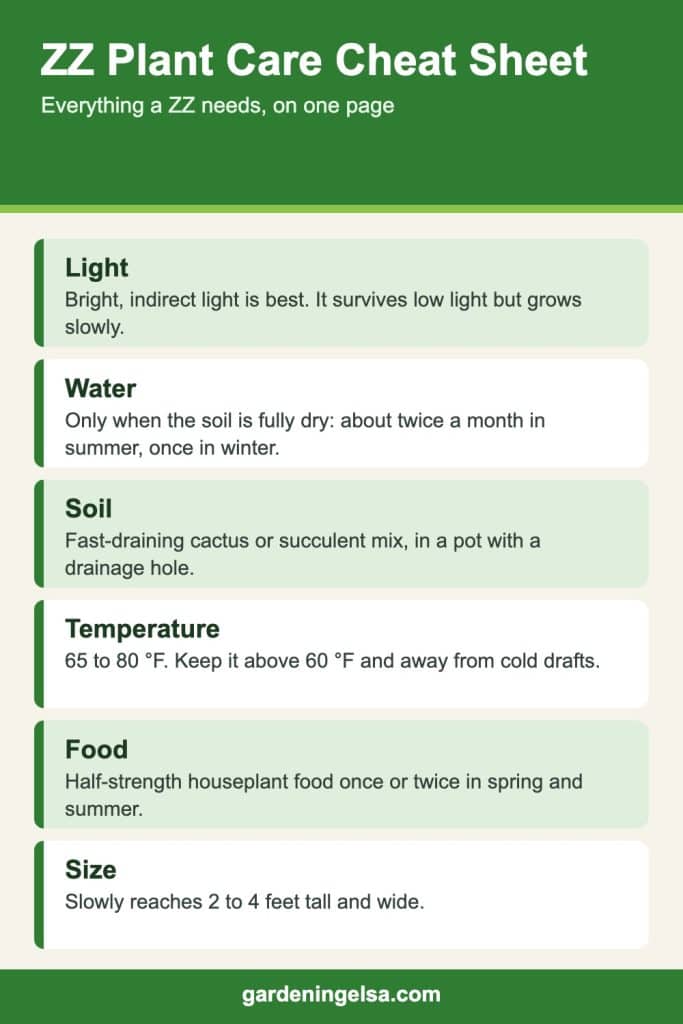
ZZ plants thrive in specific conditions that mimic their natural habitat. They are surprisingly adaptable but do best when their basic light, soil, and temperature needs are met properly.


Live ZZ Plant - ‘ZZ Plant’ Zamioculcas zamiifolia - ragnaroc Tropical Plant 6-12” Tall - 1ct - Live Arrival Guaranteed - House Plants for Home Decor & Gift

Light Requirements

ZZ plants are remarkably adaptable to various light conditions.

They prefer bright indirect light, which promotes healthy growth and occasional flowering. However, they can tolerate low light areas, making them perfect for offices and darker corners of your home.

Direct sunlight can scorch their leaves, so keep them away from south-facing windows without a sheer curtain. In very low light, growth will slow significantly, but the plant will survive.

For best results, place your ZZ plant near an east—or north-facing window. If using a west—or south-facing window, position the plant a few feet away from direct rays.

Soil and Potting Mix

ZZ plants require a well-draining potting mix to prevent root rot.

A standard indoor potting mix with added perlite, pumice, or coarse sand works well for these plants.

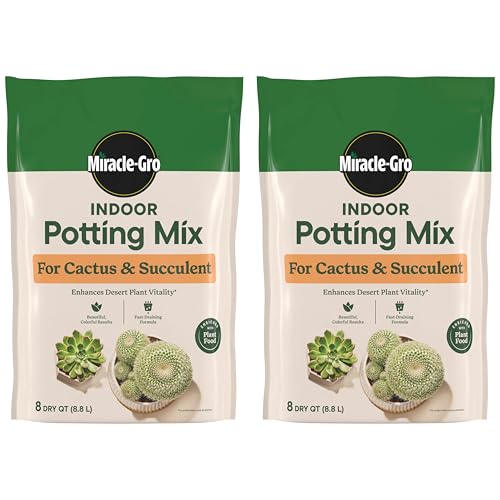
The ideal mix should allow water to flow easily while retaining enough moisture for the roots. Cactus or succulent mixes can also work well for ZZ plants with some modifications.

Always use pots with drainage holes to prevent water from pooling at the bottom. Terra cotta pots are excellent choices, allowing soil to dry more quickly between waterings.

When repotting, choose a container only 1-2 inches larger than the current one. ZZ plants prefer to be slightly root-bound and may not thrive in oversized pots.

Temperature and Airflow

ZZ plants prefer temperatures between 65°F and 75°F (18°C-30°C), which aligns perfectly with most home environments.

They can tolerate temperature fluctuations but should avoid extreme cold or heat.

Avoid placing ZZ plants near drafty windows, air conditioning vents, or heating sources. Sudden temperature changes can stress the plant and cause leaf drop.


Nature’s Way Farms ZZ Plant, Zamioculcas Zamiifolia, Indoor, Outdoor, Live Houseplant, in Grower Pot (25-30 in. Tall)

ZZ plants are comfortable in average home humidity levels and don’t require extra moisture in the air.

Unlike many tropical plants, they can thrive in drier conditions without any special humidity considerations.

Good air circulation helps prevent pest issues, but ZZ plants don’t need fans or special airflow arrangements. Their resilient nature makes them forgiving of most indoor air quality conditions.

Watering and Humidity

ZZ plants are known for their drought tolerance and adaptability to various moisture conditions. Proper watering and humidity management are key factors in keeping these resilient plants healthy.

Watering Schedule

ZZ plants prefer their soil to dry out between waterings.

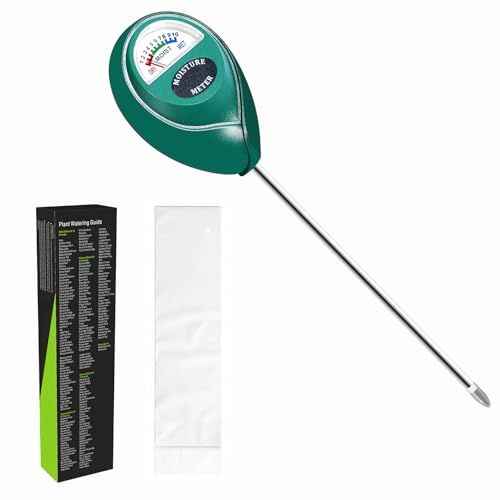
Check moisture levels by inserting your finger about an inch into the soil – only water when it feels completely dry.

During growing seasons (spring and summer), watering every 2-3 weeks is typically sufficient.

In winter, reduce watering to once every 4-6 weeks as the plant’s growth slows. The exact schedule depends on your home’s conditions, pot size, and soil composition.

Signs of overwatering:

  • Yellowing leaves
  • Soft, mushy stems
  • Root rot

Signs of underwatering:

  • Wrinkled leaves
  • Slow growth
  • Brown leaf tips

ZZ plants store water in their thick rhizomes, making them extremely drought-tolerant. It’s always better to underwater than overwater these hardy plants.

Humidity Preferences

ZZ plants are adaptable to normal household humidity levels, typically between 30-50%.

While they originate from tropical regions and appreciate moderate humidity, they don’t require the high humidity levels that other tropical plants demand.

In extremely dry environments (below 30% humidity), ZZ plants can survive but may not thrive. Their thick, waxy leaves help them retain moisture even when the air is dry.


ZZ Plant | 4 inch | Tropical Ambiance

For optimal growth, aim for humidity around 50%. You can increase humidity by:

  • Grouping plants together
  • Using a pebble tray with water
  • Placing the plant in naturally humid areas like kitchens or bathrooms

Unlike many tropical plants, ZZ plants don’t require regular misting.

Their glossy leaves are designed to conserve moisture effectively, making them ideal choices for indoor gardens with variable humidity conditions.

Nurturing Your ZZ Plant

ZZ plants thrive with minimal care, but proper maintenance ensures optimal growth and longevity. Providing the right care routine will help your plant stay healthy and vibrant for years to come.

Fertilization

ZZ plants don’t need frequent fertilization due to their naturally slow growth rate.

During the spring and summer growing seasons, apply a balanced liquid fertilizer diluted to half strength once every 2-3 months.

Skip fertilization completely during fall and winter when growth slows down.

Over-fertilizing can damage the plant’s root system, so it’s better to under-fertilize than overdo it.

If your ZZ plant’s leaves appear yellowish or pale, this might indicate a nutrient deficiency. In this case, a gentle fertilizer application can help restore its vibrant green color.

Always water your plant thoroughly before applying fertilizer to prevent root burn.

Pruning and Maintenance

ZZ plants are exceptionally low-maintenance and rarely require extensive pruning.

Remove any yellowing or damaged leaves by cutting them at the base with clean, sharp scissors.

Wipe the leaves occasionally with a damp cloth to remove dust. This helps the plant photosynthesize better and keeps it looking attractive.

If your ZZ plant becomes leggy or uneven, strategic pruning can help maintain a balanced appearance. Cut stems at the soil line rather than in the middle to encourage neat regrowth.

After pruning, allow cut surfaces to dry before watering to prevent potential rot issues.

Remember to wear gloves when pruning, as ZZ plant sap can cause skin irritation in some people.


Nature’s Way Farms ZZ Plant, Zamioculcas Zamiifolia, Indoor, Outdoor, Live Houseplant, in Grower Pot (25-30 in. Tall)

Repotting

ZZ plants prefer being slightly rootbound and typically only need repotting every 2-3 years. The best time to repot is during the growing season in spring or early summer.

Choose a pot just 1-2 inches larger than the current container with good drainage holes. Use a well-draining potting mix – a standard houseplant mix with extra perlite works well.

Signs your ZZ plant needs repotting include roots growing out of drainage holes, water running straight through the pot, or the plant becoming top-heavy.

After repotting, wait a week before watering to allow any damaged roots to heal. Place the plant in indirect light while it adjusts to its new home.

Propagation Methods

During repotting, ZZ plants can propagate through leaf cuttings, stem cuttings, or division. Leaf propagation is the simplest method but takes the longest time.

Remove a healthy leaf with a bit of the petiole attached for leaf cuttings. Allow the cut end to callus over for a day, then place it in moist soil or water. Roots typically develop in 6-8 weeks.

Stem cuttings provide faster results. Cut a 4-6 inch stem segment, let it dry for a day, then plant in moist soil. Keep the soil slightly damp but not soggy.

The division works best with mature plants. When repotting, carefully separate rhizomes with attached stems and plant them in individual containers. This method produces established plants most quickly.

Common Challenges

Even though ZZ plants are tough houseplants, they can face a few problems that affect their health and appearance. These issues typically fall into two categories: pest infestations and signs of stress from improper care.

Pests and Diseases

ZZ plants can attract common houseplant pests like mealybugs, spider mites, aphids, and scale insects.

These pests often appear as tiny specks on leaves or sticky residue on the plant surface.

Spider mites might show up during dry conditions, creating fine webbing between leaves. Mealybugs appear as small white cotton-like clusters in leaf joints.

Treatment options include:

  • Wiping leaves with a damp cloth
  • Spraying with diluted neem oil solution
  • Isolating affected plants to prevent spread

Root rot is the most common disease affecting ZZ plants, usually caused by overwatering.

Signs include soft, mushy stems and a foul smell from the soil. To treat root rot, remove the plant from its pot, trim away damaged roots, and repot in fresh, well-draining soil.


Earth's Ally 3-in-1 Plant Spray 32 oz | Insecticide, Fungicide & Spider Mite Control, Use on Indoor Houseplants and Outdoor Plants, Gardens & Trees - Insect & Pest Repellent & Antifungal Treatment

Plant Stress Signs

ZZ plants communicate stress through visible symptoms.

Yellowing leaves often indicate overwatering, while brown leaf tips might signal low humidity or excess fertilizer.

Slow or stunted growth can result from:

  • Extremely low-light conditions
  • Temperature extremes
  • Poor soil quality

While ZZ plants tolerate lower humidity, extremely dry air can cause brown leaf edges and tips. This is most common in winter when indoor heating systems reduce air moisture.

Drooping stems suggest either overwatering or severe underwatering. Check soil moisture by inserting your finger 1-2 inches deep – if completely dry, water thoroughly; if soggy, let it dry out completely.

Safety and Precautions

ZZ plants contain calcium oxalate crystals, which are toxic if ingested. These crystals can cause irritation and burning sensations in the mouth, throat, and stomach if consumed.

Keep ZZ plants away from pets and children who might chew on or eat the leaves. Dogs, cats, and other animals can experience vomiting, drooling, and difficulty swallowing if they ingest any part of the plant.

When handling ZZ plants, consider wearing gloves to avoid skin irritation. Some people may develop a rash or itchiness after touching the sap.

Wash your hands thoroughly after any contact with the plant, especially before eating or touching your face. This helps prevent transferring any plant sap to sensitive areas like your eyes or mouth.

If you’re propagating or repotting your ZZ plant, take extra care to avoid contact with the sap. The milky substance that comes out when leaves or stems are cut contains these irritating compounds.

Place your ZZ plant in areas where it won’t be accidentally knocked over or accessible to curious pets and children. A stable location on a higher shelf or table can be ideal.

If ingestion occurs, contact poison control immediately at 1-800-222-1222 (in the US) or seek medical attention. For pets, call your veterinarian or an animal poison control center.

Benefits of ZZ Plants

ZZ plants offer remarkable advantages that make them popular houseplants. They combine practicality with beauty while requiring minimal care, making them suitable for plant owners of all experience levels.

Air Purifying Qualities

ZZ plants act as natural air purifiers in indoor environments. They effectively remove toxins like xylene, toluene, and benzene from the air, helping to create a healthier living space.

NASA studies have recognized ZZ plants among several houseplants that improve indoor air quality.

These plants continuously filter air, making them especially valuable in urban environments or newly renovated spaces where air pollutants might be present. Their large, glossy leaves provide more surface area for air filtration.

Unlike electronic air purifiers, ZZ plants operate silently and don’t require electricity. They perform best when placed in areas with good air circulation but can improve air quality even in small, enclosed spaces.

Aesthetic Contribution

ZZ plants’ distinctive appearance adds elegant visual appeal to any interior. Their glossy, deep green leaves contrast sharply against most home décor styles and colors.

The architectural quality of ZZ plants makes them perfect for modern, minimalist spaces. Their naturally symmetrical growth pattern forms an attractive silhouette that requires no pruning to maintain its shape.

ZZ plants maintain their fresh appearance year-round without seasonal changes that affect many other houseplants. They can serve as:

  • Striking standalone specimens
  • Components in mixed plant arrangements
  • Natural dividers in open spaces
  • Eye-catching additions to office environments

Their ability to thrive in low light conditions makes them perfect for brightening dark corners where other plants might struggle.

Compatibility with Beginners

ZZ plants rank among the most forgiving houseplants, making them ideal for beginners. Their drought-resistant nature means they can survive occasional neglect when watering is forgotten.

These resilient plants tolerate various lighting conditions from bright indirect light to low light areas. They also adapt well to different humidity levels, though they prefer moderate to high humidity environments.

ZZ plants rarely suffer from pest problems, eliminating the need for complex treatment protocols. They grow slowly, requiring minimal repotting or maintenance over time.

Even those who travel frequently can enjoy ZZ plants, as they can go weeks without water. Their ability to store water in their thick rhizomes helps them withstand periods of drought without showing stress symptoms.

Frequently Asked Questions

ZZ plants are known for their adaptability to various humidity conditions. These resilient houseplants have specific needs and tolerances that can help them thrive in different environments.

How much humidity do ZZ plants typically need to thrive?

ZZ plants prefer moderate humidity levels, ideally above 50% for optimal growth. However, they are incredibly adaptable and can tolerate lower-humidity environments. This adaptability makes them perfect for average home conditions. Unlike more demanding tropical plants, ZZ plants won’t suffer dramatically if humidity occasionally drops below ideal levels.

Can a ZZ plant survive in a high-humidity environment?

ZZ plants can thrive in high-humidity environments. Their native tropical habitat in Africa has prepared them to handle increased moisture levels in the air. High-humidity environments like bathrooms or kitchens can be suitable locations for ZZ plants. They won’t suffer from common problems affecting other plants in humid conditions.

What are the consequences of exposing a ZZ plant to low humidity?

While ZZ plants are drought-tolerant, extremely low humidity may cause leaf tips to brown or crisp. This typically happens in arid climates or during winter months when indoor heating reduces air moisture. Compared to other houseplants, low humidity rarely causes severe damage to ZZ plants. Their thick, waxy leaves help them retain moisture even when the surrounding air is dry.

Is misting a suitable method to provide humidity for ZZ plants?

Misting is generally unnecessary for ZZ plants, given their tolerance for lower humidity. In fact, excess moisture on leaves can potentially lead to fungal issues if water sits too long. Better alternatives include placing plants near other plants or using a humidifier during extremely dry periods. However, most ZZ plants will do well without any special humidity interventions.

How does winter humidity affect the health of a ZZ plant?

Indoor heating systems during winter months can significantly reduce humidity levels, sometimes affecting ZZ plants. Signs of excessive dryness might include slower growth or occasional leaf tip browning. Winter care may include moving plants away from heat sources or vents. Though ZZ plants handle winter conditions better than most houseplants, extreme dryness for extended periods can stress them.

What are the best practices for maintaining ideal humidity levels for a ZZ plant?

Using a hygrometer helps monitor humidity levels around ZZ plants. This measurement tool can ensure conditions stay relatively consistent throughout seasonal changes. Grouping plants creates a microclimate with higher humidity levels. A nearby humidifier can help maintain appropriate moisture levels for arid environments without overwatering the soil. Avoid placing ZZ plants near drafty windows or heating/cooling vents that cause rapid humidity fluctuations. Even at less-than-ideal levels, stable conditions are better than constant environmental changes.

Do ZZ Plants Like Humidity

Conclusion

ZZ plants can tolerate various humidity levels, making them remarkably adaptable houseplants.

They grow well in average indoor humidity between 40% and 60%, but can handle lower humidity conditions without issues.

While they naturally come from more tropical areas and may prefer higher humidity, ZZ plants don’t require special humidity arrangements to thrive.

This adaptability is part of what makes them excellent low-maintenance houseplants.

Temperature stability matters more than humidity for ZZ plants.

Keep them away from drafts and sudden temperature changes, maintaining temperatures between 65-85°F (18-29°C).

The plant’s primary concern is avoiding wet soil rather than achieving specific humidity levels.

Focus on proper watering and well-draining soil to keep your ZZ plant healthy.

A humidifier can be beneficial for those living in particularly dry environments, but it isn’t necessary for plants’ survival.

ZZ plants will continue displaying glossy leaves and upright growth regardless of normal household humidity fluctuations.

vegetable garden ideas

10 Vegetable Garden Layout Ideas