How Often Should You Water a ZZ Plant? [Watering Schedule]

ZZ plants are popular indoor plants known for their low maintenance and ability to survive neglect. Many plant owners wonder about the proper watering schedule for these resilient houseplants.

You should water a ZZ plant every 2-3 weeks, allowing the soil to dry out completely between waterings. This drought-resistant plant stores water in its thick rhizomes, which helps it survive longer periods without water. During winter months, the plant requires even less frequent watering as its growth slows down.

The watering frequency may vary depending on the lighting conditions. Plants in brighter locations might need more frequent watering, while those in lower light can go longer between drinks. Rather than sticking to a strict schedule, checking the soil moisture level is the best way to determine when a ZZ plant needs water.

Understanding ZZ Plants

ZZ plants, formally known as Zamioculcas zamiifolia, are popular houseplants known for their hardy nature and glossy green leaves. These plants originate from East Africa and have gained popularity worldwide due to their easy care requirements.


Nature’s Way Farms ZZ Plant, Zamioculcas Zamiifolia, Indoor, Outdoor, Live Houseplant, in Grower Pot (25-30 in. Tall)

The ZZ plant goes by several nicknames including Eternity Plant and Zanzibar Gem, reflecting its long lifespan and resilient qualities. Its thick, waxy leaves store water efficiently, making it drought-tolerant.

ZZ plants have a unique growth pattern with rhizomes that store water underground. These potato-like structures help the plant survive extended periods without water, a natural adaptation from their native environment.

These houseplants thrive in various light conditions, from bright indirect light to low-light areas. Their adaptability makes them ideal for offices, homes, and spaces with limited natural light.

The ZZ plant’s slow growth rate means it doesn’t need frequent repotting. A mature plant may only need repotting every 2-3 years, making it a low-maintenance addition to any plant collection.

One of the most appealing features of ZZ plants is their ability to tolerate neglect. While they prefer consistent care, they can bounce back from occasional lapses in watering or optimal conditions.

Check out How to Take Care of a ZZ Plant?

Basic Watering Guidelines for ZZ Plants

ZZ plants are drought-resistant houseplants that require minimal watering. Their thick rhizomes store water, allowing them to thrive with infrequent irrigation.


Costa Farms ZZ Plant, Live Indoor Houseplant in Modern Decor Planter, Natural Air Purifier in Potting Soil, Gift for Plant Lovers, Birthday Gift, Tabletop Living Room Decor, Desk Decor, 12-Inches Tall

Determining When to Water

Checking soil moisture is the most reliable method for determining when to water a ZZ plant. Insert your finger about 2 inches into the soil – only water when it feels completely dry. ZZ plants show few visible signs of underwatering until severely dehydrated, making soil checks essential.

Another useful indicator is the pot’s weight. A light pot suggests dry soil, signaling time to water. For those who prefer tools, a moisture meter can provide accurate readings.

In average conditions, most ZZ plants need watering every 2-3 weeks. However, this varies based on lighting, temperature, pot size, and humidity. It’s better to water underwater than overwater, as ZZ plants recover more easily from drought than from root rot.

Methods of Watering ZZ Plants

Bottom watering works well for ZZ plants. Place the pot in a tray of water for 15-20 minutes, allowing the soil to absorb moisture through drainage holes. This method promotes deeper root growth and prevents water on leaves.

When top watering, pour water directly onto the soil until it flows from drainage holes. Avoid wetting leaves, as this can lead to fungal issues. Use room temperature water to prevent shocking the plant.

Amount of water needed:

  • Small ZZ plant (4-6″ pot): 1 cup
  • Medium ZZ plant (8-10″ pot): 2 cups
  • Large ZZ plant (12″+ pot): 3-4 cups

Always empty the drainage tray after watering to prevent roots sitting in water.

Seasonal Watering Changes

ZZ plants require less water during winter months when growth slows. Reduce watering frequency to once every 3-4 weeks during cold seasons.

In summer, especially in hot or bright conditions, check the soil more frequently as water evaporates faster. During peak growing seasons, you might need to water every 10-14 days.

Humidity levels also affect watering needs. In dry environments, ZZ plants might need slightly more frequent watering, while in humid conditions, they can go longer between waterings.

Monitor your plant during seasonal transitions. As heating systems turn on in fall or off in spring, indoor conditions change significantly, affecting your ZZ plant’s water requirements.

Check out 10 ZZ Plant Benefits at Home

Ideal Growing Conditions for Healthy ZZ Plants

ZZ plants thrive in specific conditions that mimic their natural habitat. Understanding their needs for light, soil, and climate will help your plant flourish and maintain its distinctive glossy foliage.


Costa Farms Raven ZZ Plant, Easy Care Indoor Houseplant, Ships in Modern White Decor Planter with Soil, Perfect Room Decor for Tabletop, Shelf, or Desk, Trending Tropicals Collection, 10-Inches Tall

Light Requirements

ZZ plants adapt well to various light conditions, making them perfect for indoor environments. They prefer bright, indirect light but can tolerate low light areas.

Avoid placing them in direct sun, as this can scorch their leaves and cause yellowing. A north or east-facing window provides ideal lighting for these resilient plants.

If your ZZ plant receives minimal light, expect slower growth and less frequent watering needs. In brighter conditions, growth accelerates but requires more attentive care.

Even artificial office lighting can sustain ZZ plants, which explains their popularity in workplaces with limited natural light.

Soil Preferences

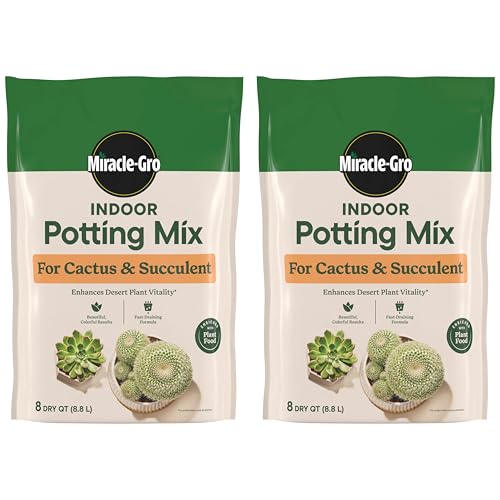
ZZ plants require well-draining potting soil to prevent root rot. A mix designed for succulents or cacti works well for these drought-tolerant plants.

Ideal soil composition:

This combination provides adequate drainage while retaining enough moisture for the plant’s rhizomes. The soil pH should be slightly acidic to neutral (6.0-7.0).

Commercial African violet mix can also work well. Whatever mix you choose, ensure it doesn’t stay waterlogged after watering. ZZ plants store water in their thick rhizomes and prefer their soil to dry out between waterings.

Temperature and Humidity Considerations

ZZ plants thrive in average indoor temperatures between 65-75°F (18-24°C). They can tolerate temperatures as low as 45°F (7°C) but will show signs of stress below this point.


Live ZZ Plant - ‘ZZ Plant’ Zamioculcas zamiifolia - ragnaroc Tropical Plant 6-12” Tall - 1ct - Live Arrival Guaranteed - House Plants for Home Decor & Gift

Protect your ZZ plant from drafts, air conditioning vents, and heating sources that cause temperature fluctuations. Sudden changes can shock the plant and lead to leaf drop.

Regarding humidity, ZZ plants aren’t fussy. They adapt well to typical indoor humidity levels (40-50%) without requiring additional humidification. This adaptability to normal home conditions makes them exceptionally low-maintenance.

During winter months, keep ZZ plants away from cold windows to prevent temperature stress. Their tropical origin makes them sensitive to prolonged cold, though they’re more forgiving than many other houseplants.

Read Is ZZ Plant Good for Bedroom?

Fertilization and Nutritional Needs

ZZ plants are not heavy feeders and can thrive with minimal nutritional support. Proper fertilization helps maintain healthy foliage and encourages new growth without overwhelming these naturally resilient plants.

Feeding Frequency

ZZ plants require very little fertilizer compared to many houseplants. During the growing season (spring and summer), fertilize only once every 2-3 months with a diluted solution. In fall and winter, fertilization stops completely as the plant enters dormancy, and growth slows significantly.

Over-fertilization can damage ZZ plants by burning their roots and causing leaf discoloration. If you notice brown leaf tips or edges, you may be fertilizing too frequently or using too strong a concentration.

New potting mix typically contains enough nutrients to sustain a ZZ plant for several months, so there’s no need to fertilize newly repotted plants until this initial supply is depleted.

Types of Fertilizers

A balanced houseplant fertilizer with equal NPK ratios (such as 10-10-10 or 20-20-20) works well for ZZ plants. Always dilute to half or even quarter of the recommended strength on the package.

Slow-release granular fertilizers offer a convenient option, as they gradually provide nutrients over several months. Apply these sparingly – about half the recommended amount for typical houseplants.

Organic options like diluted fish emulsion or worm castings can provide gentle nutrition without the risk of chemical buildup in the potting mix.


6" ZZ Plant Zamioculcas Zamiifolia, ZZ Plants Live House Plants Indoors Live House Plants Indoors, Indoor Plants Live, Real Live Plants Indoor Plants Live Houseplants Live Indoor by Plants for Pets

Fertilizer Application Tips:

  • Apply to moist soil to prevent root burn
  • Pour fertilizer solution around the base of the plant, avoiding the stems
  • Flush the potting mix thoroughly with plain water every few months to remove salt buildup

Check out How to Grow ZZ Plant from Cutting

Pest Management and Common ZZ Plant Issues

ZZ plants are remarkably resistant to most problems, but they can occasionally face pest infestations, diseases, and environmental stress. Identifying and addressing these issues quickly will help keep your plant healthy and thriving.

Identifying Common Pests

ZZ plants rarely attract pests, but they aren’t completely immune. The most common invaders include mealybugs, scale insects, and spider mites. Mealybugs appear as small white cotton-like clusters, typically hiding in leaf joints or under leaves. Scale insects look like small brown bumps that attach firmly to stems and leaves.

Spider mites are tiny and difficult to see, but their presence is revealed by fine webbing and stippled yellowing on leaves. Regular inspection of your ZZ plant is essential for early detection.

Common ZZ Plant Pests:

  • Mealybugs (white cotton-like clusters)
  • Scale insects (brown bumps on stems/leaves)
  • Spider mites (fine webbing, stippled leaves)
  • Fungus gnats (in consistently wet soil)

For minor infestations, wiping leaves with a damp cloth can remove pests. For more serious cases, insecticidal soap or neem oil provides effective treatment without harming the plant.


Live ZZ Plant - ‘ZZ Plant’ Zamioculcas zamiifolia - ragnaroc Tropical Plant 6-12” Tall - 1ct - Live Arrival Guaranteed - House Plants for Home Decor & Gift

Dealing With Diseases and Root Rot

Root rot is the most serious disease affecting ZZ plants, almost always caused by overwatering. The first signs include yellowing leaves, a foul smell from the soil, and stems becoming soft at the base. If you suspect root rot, immediate action is necessary.

Remove the plant from its pot and inspect the roots. Healthy roots should be firm and white or light tan. Black, mushy roots indicate rot and must be trimmed with clean scissors.

Steps to treat root rot:

  1. Remove the plant from its pot
  2. Wash away old soil from roots
  3. Cut away any black or mushy roots with clean scissors
  4. Repot in fresh, well-draining soil
  5. Reduce watering frequency

Prevention is always better than treatment. Use pots with drainage holes and well-draining soil. Allow the soil to dry completely between waterings to keep your ZZ plant’s roots healthy.

Addressing Yellowing Leaves

Yellowing leaves on ZZ plants typically signal watering issues. Overwatering is the most common cause, but underwatering can also trigger yellowing. If the soil feels constantly moist and multiple leaves turn yellow, you’ll likely overwater.

Examine the yellowing pattern. Leaves yellowing from the bottom up often indicate natural aging or overwatering. Leaves yellowing from the edges inward might suggest underwatering or excessive light.

Causes of yellowing leaves:

  • Overwatering (most common)
  • Underwatering (less common)
  • Excessive direct sunlight
  • Temperature stress
  • Nutrient deficiencies

Trim yellow leaves at the base using clean scissors. Based on your findings, adjust your watering schedule—typically allowing the soil to dry completely between waterings. ZZ plants prefer being underwatered to overwatered, so err on the side of less frequent watering.

Check out How Much Water Does ZZ Plant Need

Propagation Methods

ZZ plants can be multiplied through several simple methods. These techniques allow you to create new plants from your existing one with minimal equipment.

Using Leaf Cuttings

Leaf cutting is the most popular way to propagate a ZZ plant. To begin, snip a healthy leaf from your plant, making sure to cut close to the stem. Allow the cut end to callus for 1-2 days before proceeding.

You can propagate ZZ plants in water or soil. For water propagation, place the cut end in a container with enough water to cover about an inch of the leaf. Change the water weekly to prevent bacteria growth.

For soil propagation, insert the callused end into well-draining potting mix. Keep the soil slightly moist but not soggy. Both methods require patience—new growth can take 2-8 months to appear.

Water-propagated ZZ plants should have their soil kept moist for about 2 weeks after transplanting to help water roots transition to soil roots.

Division Technique

Division is faster than leaf cuttings but requires a mature plant with multiple stems. Begin by removing the entire plant from its pot during the growing season (spring or summer).

Gently separate the rhizomes (underground stems) and roots. Each division should have at least one stem and some roots attached. Use a clean knife if needed to separate particularly tangled rhizomes.

Plant each division in its own pot with fresh, well-draining soil. Water lightly and place in bright, indirect light. Unlike leaf propagation, divided plants often adapt quickly and show new growth within weeks.

After repotting, water only when the top 1-2 inches of soil becomes dry. This method produces full-looking plants much faster than starting with individual leaves.

Pruning and Maintenance

ZZ plants require minimal maintenance, but occasional pruning and regular cleaning will keep your plant looking its best. Simple care routines can prevent common problems and promote healthy growth.

Appropriate Pruning Techniques

ZZ plants rarely need extensive pruning, but removing damaged or yellowing stems improves the plant’s appearance. Always use clean, sharp scissors or pruning shears to make cuts at the base of the stem where it emerges from the soil. This prevents disease spread and ensures clean removal.

You can prune your ZZ plant any time of year when you notice issues. Cut off any brown, yellow, or damaged stems completely rather than trimming just the tips.

If your plant becomes too large or leggy, selective pruning of the tallest stems can help maintain a more compact shape. Remember that pruned stems won’t regrow from the cut point – new growth comes from underground rhizomes.

Regular Care and Cleaning

Dust accumulation on ZZ plants’ glossy leaves can block light absorption and affect plant health. To keep leaves clean and shiny, wipe them gently with a damp cloth every few weeks.

Remove any dead leaves or fallen plant material from the soil surface regularly. This prevents pest issues and keeps the plant looking tidy.

Check occasionally for pests like scale insects or spider mites, especially if the plant looks unhealthy. A simple wipe with diluted neem oil can help prevent infestations.

Repotting is only needed every 2-3 years when the plant becomes root-bound. Choose a pot just 1-2 inches larger than the current one with drainage holes to prevent overwatering issues.


ZZ Plant | 4 inch | Tropical Ambiance

Repotting Your ZZ Plant

Repotting keeps your ZZ plant healthy and gives it room to grow. This process should happen every 2-3 years as the plant outgrows its container or when the soil becomes depleted of nutrients.

Signs a ZZ Plant Needs Repotting

You should watch for clear indicators that your ZZ plant needs a new home. Roots emerging from drainage holes or appearing on the soil surface show the plant is becoming root-bound.

When you notice slower growth despite proper care, it might be time for fresh soil. The soil may appear compacted, or water may run straight through without being absorbed.

Another telltale sign is when the rhizomes (thick underground stems) are pushing against the pot sides, causing the container to bulge or crack. If your plant appears top-heavy and tips over easily, it probably needs a larger pot.

ZZ plants typically require repotting every 2-3 years, but faster-growing specimens might need it sooner.

Step-By-Step Repotting Process

Preparation:

  • Water your ZZ plant 2-3 days before repotting to loosen the soil.
  • Select a pot 1-2 inches larger in diameter with good drainage holes.
  • Prepare fresh potting mix with added perlite for drainage.

Repotting Process:

  1. Gently remove the plant by turning the pot sideways and carefully pulling at the base.
  2. Loosen the root ball and remove old soil, inspecting for rot or damage.
  3. Trim any dead or rotting roots with clean scissors.

Place a layer of fresh soil mix with perlite in the new pot. Position the ZZ plant so it sits at the same depth as before. Fill around the roots with soil, leaving about an inch of space below the rim.

After repotting, wait 5-7 days before watering. This allows any damaged roots to heal and prevents rot. Place the newly repotted plant in indirect light and resume normal care after about two weeks.

Frequently Asked Questions

ZZ plants require specific watering techniques that change with seasons and environmental conditions. Proper watering practices help prevent common issues while promoting healthy growth in these popular houseplants.

What is the recommended watering frequency for a ZZ plant during the colder winter months?

During winter, ZZ plants enter a dormant phase and require less water. Water your ZZ plant every 3-4 weeks in winter, allowing the soil to dry completely between waterings.
The cooler temperatures and reduced sunlight slow down the plant’s growth and water consumption. Always check the soil before watering—if it still feels damp about 2 inches below the surface, wait a few more days.

How does the watering schedule for a ZZ plant change in the hot summer season?

In summer, ZZ plants may need water every 1-2 weeks depending on temperature and humidity levels. Higher temperatures increase evaporation and plant metabolism, requiring more frequent watering.
Plants in brighter locations will dry out faster than those in shadier spots. The key indicator remains soil moisture—water when the top 2-3 inches of soil feel dry to the touch.

Is it better to water a ZZ plant from the top or the bottom?

Top watering works well for ZZ plants as it mimics natural rainfall. Pour water slowly at the base of the plant until it flows from the drainage holes.
Bottom watering is also effective and helps prevent leaf spotting. Place the pot in a tray of water for 15-20 minutes, allowing the soil to absorb moisture through the drainage holes. Remove any excess water after soaking to prevent root rot.

Can a moisture meter be used to determine the right time to water a ZZ plant, and what level indicates it’s time?

Moisture meters provide reliable readings for ZZ plant watering needs. When the meter reads between 1-3 (dry to slightly moist), it’s generally time to water.
Insert the meter about halfway down into the pot for an accurate reading. Different meters use different scales, so check the manufacturer’s instructions for specific guidance.

What are the signs that a ZZ plant has been overwatered?

Yellowing leaves, especially multiple leaves at once, often indicate overwatering. The lower leaves may turn yellow first, feel soft, and look swollen or translucent.
Black spots on stems or roots that appear dark and mushy suggest root rot from excess moisture. The soil may also develop a sour smell, and water may pool on the surface rather than absorbing.

What care tips ensure a ZZ plant thrives and remains healthy?

Use well-draining potting mix to prevent water from collecting around the roots. A mix with perlite or sand improves drainage and reduces the risk of root rot.
Place ZZ plants in bright, indirect light for optimal growth. While they tolerate low light, moderate light encourages new growth and a fuller appearance.
Fertilize lightly with a balanced houseplant fertilizer once or twice during the growing season. Over-fertilizing can cause more harm than good for these naturally slow-growing plants.

How Often Should You Water a ZZ Plant

Conclusion

ZZ plants are drought-tolerant houseplants that need infrequent watering. Most ZZ plants thrive when watered every 2-3 weeks during summer and every 3-4 weeks during winter.

The best approach is to check the soil before watering. Insert your finger 2 inches into the soil—only water when it feels completely dry. This method is more reliable than following a strict schedule.

Light conditions significantly affect watering needs. ZZ plants in brighter locations may need water more frequently than those in low-light areas. Some plant owners water their ZZs as little as once a month with good results.

Signs your ZZ plant needs water:

  • Slightly drooping leaves
  • Soil pulling away from the pot edges
  • Completely dry soil throughout the pot

Remember that overwatering causes more harm than underwatering for ZZ plants. Their thick rhizomes store water efficiently, helping them survive dry periods. When in doubt, it’s better to wait a few more days before watering.

With the right watering habits, your ZZ plant will remain healthy and glossy for years to come.

vegetable garden ideas

10 Vegetable Garden Layout Ideas