ZZ plants (Zamioculcas zamiifolia), also known as Zanzibar Gems or Eternity Plants, are among the most forgiving houseplants you can grow. These tough indoor plants survive where others fail, making them perfect for both new and experienced plant owners. Their glossy leaves and upright growth create an attractive display with minimal effort.
To care for a ZZ plant, water only when the soil has completely dried out (usually every 2-3 weeks), place in bright indirect light, and use well-draining soil in a pot with drainage holes. These aroid palms store water in their thick rhizomes, allowing them to tolerate periods of neglect better than most houseplants. They rarely need fertilizer and can thrive in various light conditions, though they grow best with consistent indirect sunlight.
The Zamioculcas is remarkably resistant to pests and diseases, making maintenance simple. These plants grow slowly but steadily, requiring repotting only every few years when they become root-bound. Their easy-care nature combined with air-purifying qualities makes them an excellent choice for homes and offices alike.
Choosing the Right Environment
ZZ plants thrive in specific conditions that mimic their natural habitat. Creating the right environment will ensure your plant stays healthy and grows properly.
Optimal Lighting Conditions
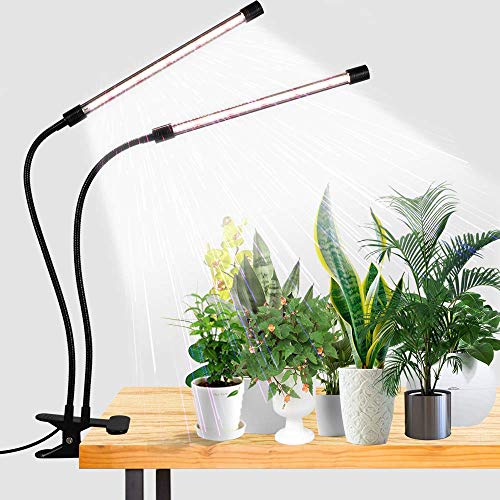
ZZ plants prefer bright, indirect light for optimal growth. Place your plant near a north or east-facing window where it can receive filtered sunlight throughout the day. This placement prevents leaf scorching while providing enough light for healthy development.
In low-light conditions, ZZ plants can still survive, which makes them perfect for offices or rooms with minimal natural light. However, they may grow more slowly and become leggy if kept in dim areas for too long.
If you notice your ZZ plant stretching toward a light source, it’s likely not receiving enough brightness. Move it to a brighter location, but avoid direct sunlight which can burn the leaves.
A good test for proper lighting: if you can read a book comfortably in that spot without turning on additional lights, it’s probably suitable for your ZZ plant.
Temperature Preferences
ZZ plants thrive in average home temperatures between 65-75°F (18-24°C). They’re quite adaptable but prefer consistency over fluctuations.
Avoid placing your ZZ plant near drafty windows, doors, or heating/cooling vents. Sudden temperature changes can stress the plant and cause leaf drop or other issues.
During winter months, keep ZZ plants away from cold windows. The temperature near glass surfaces can drop significantly at night, potentially damaging your plant.
ZZ plants can tolerate temperatures as low as 45°F (7°C) for short periods but may suffer damage below this threshold. They also don’t appreciate extremely hot conditions above 85°F (29°C) for extended periods.
Humidity isn’t a major concern for ZZ plants as they’re naturally drought-tolerant. They’ll do fine in normal household humidity conditions without any special requirements.
Check out 10 ZZ Plant Benefits at Home
Watering and Soil Requirements
ZZ plants are known for their remarkable drought tolerance. The key to success with these plants lies in understanding their unique water needs and providing the right soil conditions.
Watering Schedule
ZZ plants thrive when their soil dries out completely between waterings. During spring and summer, watering once every 2-3 weeks is typically sufficient. In fall and winter, reduce watering to once a month or less.
The most common mistake with ZZ plants is overwatering. Always check the soil before adding water by inserting your finger 2 inches deep into the soil. If it feels dry, it’s time to water.
These resilient plants can survive months without water thanks to their rhizomes, which store water for drought periods. When watering, add enough to thoroughly moisten the soil, but ensure all excess water drains away.
Yellowing leaves and stem rot are signs of overwatering. If leaves start to wrinkle slightly, it’s a sign the plant needs water.
Soil Selection and Drainage
ZZ plants require well-draining potting mix to prevent root rot. An ideal soil mix contains:
- 2 parts standard potting soil
- 1 part perlite or pumice
- 1 part coarse sand
This combination ensures excess water moves quickly through the soil. The pot must have drainage holes to allow water to escape freely.
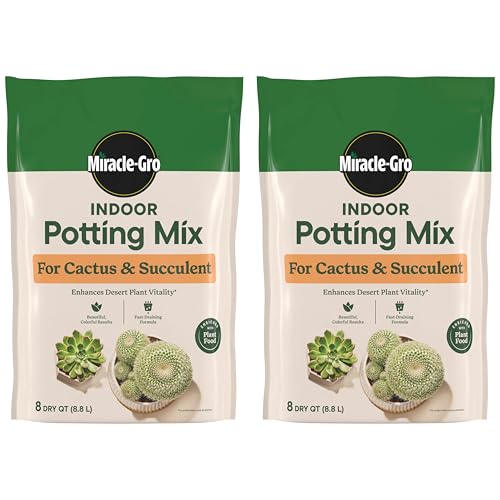
Pre-made cactus or succulent soil works well for ZZ plants. If using regular potting soil, add extra perlite to improve drainage.
Never let the plant sit in standing water. Empty the saucer after watering to prevent water absorption back into the pot. The soil pH should be slightly acidic to neutral (6.0-7.0) for optimal growth.
Fertilization and Plant Nutrition
ZZ plants naturally thrive in low-nutrient environments and require minimal fertilization to stay healthy. Proper nutrition supports growth while avoiding the risks of over-fertilizing.
Choosing a Fertilizer
ZZ plants benefit from balanced fertilizers with equal or low nitrogen content. A standard houseplant fertilizer diluted to half-strength works well for these low-maintenance plants.
Look for products labeled for indoor plants with NPK ratios like 10-10-10 or those with higher phosphate content (like 9-58-8). Some ZZ plant owners report success with high-phosphate fertilizers that promote stronger root systems.
Liquid fertilizers are convenient and allow for precise application. Simply mix with water according to package instructions, but at half the recommended strength for ZZ plants.
Slow-release granular fertilizers provide nutrients gradually over time. These can be a good low-maintenance option.
Organic options like worm castings or compost tea offer gentle nutrition without the risk of chemical burn.
Fertilizing Frequency
ZZ plants require much less fertilization than most houseplants. During the growing season (spring and summer), fertilize only once every 2-3 months.
In fall and winter, the plant enters a rest period when growth slows significantly. To match the plant’s natural cycle during this time, stop fertilizing completely.
If your ZZ plant grows in low light conditions, reduce fertilizing frequency even further, as the plant uses fewer nutrients.
New ZZ plants should not be fertilized for the first 3-4 months after repotting. The fresh soil typically contains enough nutrients for initial growth.
Watch for signs of over-fertilization, including brown leaf tips or salt buildup on soil. If these appear, flush the soil thoroughly with water.
Potting and Repotting Practices
ZZ plants need proper potting and occasional repotting to stay healthy. The right soil mix and container make a big difference in how well your plant grows.
Choosing the Right Pot
Select a pot that’s only 1-2 inches larger than the current one. ZZ plants prefer being slightly rootbound rather than swimming in too much soil. Make sure the pot has drainage holes to prevent root rot.
The best containers are made of terracotta or ceramic, which allow soil to dry between waterings. Plastic pots work too but retain more moisture.
For soil, use a well-draining mix. Combine:
- Cactus/succulent soil (60%)
- Perlite (30%)
- Peat moss or coco coir (10%)
This mixture provides good drainage while still retaining some moisture. ZZ plants don’t need rich soil and actually prefer slightly sandy, loose conditions.
Step-by-Step Repotting
Repot your ZZ plant during spring or early summer when it enters its active growth phase. Most ZZ plants need repotting every 1-2 years or when roots start growing through drainage holes.
To repot:
- Prepare new pot with fresh soil mix
- Gently remove plant from current pot
- Loosen root ball slightly with fingers
- Check for rot and trim damaged roots
- Place in new pot at same depth as before
- Fill gaps with fresh potting mix
- Water lightly and place in indirect light
Don’t water heavily for a week after repotting to allow any damaged roots to heal. ZZ plants may show a brief pause in growth following repotting, which is normal.
Propagation Techniques
ZZ plants can be multiplied through several simple methods. They grow slowly but are quite reliable when propagated correctly.
Propagation from Leaf Cuttings
To propagate ZZ plants from leaf cuttings, start by selecting healthy leaves from the parent plant. Cut the leaf as close to the main stalk as possible, including a small portion of the stem.
Place the cut end about 1 cm deep in well-draining potting mix. Keep the soil lightly moist but not soggy. Position the cuttings in bright, indirect light.
Be patient with this method. Leaf cuttings typically take 5-6 months to develop roots and small rhizomes, though some may take up to a year. During this time, you might not see much visible progress above the soil.
Once new growth appears, continue caring for the young plant until it’s established enough to be transplanted to its permanent container.
Division Method
Division is the fastest way to get a mature-looking ZZ plant. Begin by removing the entire plant from its pot. Gently shake off excess soil to expose the rhizomes (potato-like structures).
Look for natural separation points where the rhizomes can be pulled apart. Cut through any connecting rhizomes that don’t separate easily using clean garden shears or a sharp knife.
Ensure each division has:
- At least one stem
- Some healthy rhizomes
- Several roots
Allow the cut sections to dry for 24 hours before replanting. This helps prevent rot. Plant each division in fresh potting mix at the same depth as before.
Water lightly and place in indirect light. The new plants should establish quickly since they already have developed root systems.
Pruning and Maintenance
ZZ plants require minimal maintenance, but occasional pruning helps keep them healthy and attractive. Proper cutting techniques and attention to yellowing leaves will ensure your plant thrives for years.
Routine Pruning
Pruning your ZZ plant encourages healthier growth and maintains its appearance. The best time to prune is during early spring when the plant is entering its growth phase. Avoid pruning during dormant periods.
To prevent disease transmission, always use clean, sharp pruning shears. Wipe the blades with alcohol before making any cuts.
To achieve a natural look, trim stems at varying heights rather than cutting everything to the same length. Cut stems close to the base if you want to remove them completely, or just trim the ends to control height.
New growth will eventually appear after pruning, so don’t worry about removing too much healthy foliage. Focus on maintaining a balanced shape that suits your space.
Dealing with Yellowing Leaves
Yellowing leaves on a ZZ plant typically indicate overwatering, the most common care mistake. Check the soil moisture before watering again – the soil should be completely dry.
Remove yellowing leaves by gently pulling them from the base or cutting them off with clean pruning shears. This prevents the plant from wasting energy on dying foliage.
Examine your plant regularly for yellow leaves, especially on the lower portions where older growth may naturally decline. Consistent yellowing throughout the plant might signal more serious issues like root rot or inadequate light.
After removing yellow leaves, adjust your care routine accordingly. Reduce watering frequency if overwatering was the cause, or move the plant to a brighter location if light was insufficient.
Pest Prevention and Management
ZZ plants rarely attract pests due to their thick, waxy leaves, but they aren’t completely immune. Keeping your plant healthy through proper care is the first defense against unwanted visitors.
Common Pests
The most frequent pests that affect ZZ plants include mealybugs, scale insects, aphids, and spider mites. Mealybugs appear as small white cotton-like clusters usually hiding in leaf joints or under leaves.
Scale insects look like small brown bumps attached to stems and leaves. They’re often immobile and can be difficult to identify as pests rather than part of the plant.
Aphids are tiny green, black, or white insects that cluster on new growth and stems. They reproduce quickly and can cause significant damage if left untreated.
Spider mites are microscopic pests that create fine webbing between leaves. Look for tiny moving dots and yellowing leaves as signs of infestation.
Pest Control Strategies
Regular inspection is your best preventive measure. Check your ZZ plant every few weeks, paying special attention to leaf undersides and stem joints where pests often hide.
Wiping leaves with a damp cloth occasionally will keep your plant clean. This removes dust and potential pest eggs before they become a problem.
For active infestations, isolate your affected plant immediately to prevent spread to other houseplants. Treatment options include:
- Neem oil: Apply diluted neem oil to all plant surfaces for natural pest control
- Insecticidal soap: Spray affected areas weekly until pests are gone
- Manual removal: Use a cotton swab dipped in rubbing alcohol to remove visible pests
Severe infestations may require multiple treatments spaced 7-10 days apart to break the pest lifecycle. Always test any treatment on a small leaf area first to ensure it doesn’t damage your plant.
Check out Is ZZ Plant Good for Bedroom?
Special Varieties and Their Care
ZZ plants come in several unique varieties, each with specific characteristics that may require slight adjustments to your care routine. These special cultivars add interesting colors and sizes to your plant collection while maintaining the same hardiness of the classic ZZ plant.
Raven ZZ
The Raven ZZ stands out with its striking dark purple-black foliage. New leaves emerge bright green and gradually darken to their distinctive black color. This color transition is more pronounced when the plant receives adequate indirect light.
Care for Raven ZZ mirrors that of the standard variety, but with a few considerations. It may grow slightly slower than the traditional ZZ plant. The Raven prefers the same low watering schedule—only when the soil is completely dry.
Light needs are similar to the standard ZZ, but consistent bright indirect light brings out the deepest coloration. Too little light may result in less vibrant foliage. The Raven is equally drought-tolerant and can withstand neglect just as well as its green counterpart.
Zamicro and Zenzi
Zamicro and Zenzi are compact ZZ varieties perfect for smaller spaces. Zamicro (Zamioculcas zamiifolia ‘Zamicro’) features smaller leaflets and grows to just 12-18 inches tall. Zenzi (Z. zamiifolia ‘Zenzi’) has a stockier appearance with leaflets that cluster more closely together.
These dwarf varieties require the same drought-tolerant care as standard ZZ plants. Their soil should dry completely between waterings. Due to their smaller size, they may need slightly less water than full-sized ZZ plants.
Both varieties appreciate bright indirect light but tolerate low light conditions. They’re excellent choices for desktops, shelves, and other small areas. Their growth rate is generally slower than standard ZZ plants, making them low-maintenance options for busy plant owners.
Safety and Toxicity Considerations
ZZ plants contain calcium oxalate crystals in their sap, which can cause irritation when in direct contact with skin. This is important to know when handling or pruning the plant.
If you have children or pets, keep ZZ plants out of reach. When eaten, the plant is toxic and can cause mouth pain, drooling, and stomach upset in both humans and animals.
To prevent skin irritation, always wear gloves when repotting or pruning your ZZ plant. Wash your hands thoroughly with soap and water after handling the plant, even when using gloves.
Symptoms of ZZ plant toxicity may include:
- Burning sensation in the mouth
- Swelling of lips, tongue, and throat
- Skin redness or rash on contact areas
- Nausea or vomiting if ingested
Keep your ZZ plant away from areas where pets commonly explore or children play. If you notice your pet has chewed on the plant, contact your veterinarian right away.
Despite these concerns, ZZ plants are safe to keep in your home as long as they aren’t ingested. Their air-purifying qualities make them valuable houseplants when proper precautions are taken.
Benefits of ZZ Plants as Air Purifiers
ZZ plants can help clean the air in your home or office. They work as natural air purifiers by removing certain toxins from the air you breathe.
Research suggests these hardy plants can filter out common indoor pollutants. This ability to improve air quality makes them a practical addition to any space.
The air-purifying benefits of ZZ plants work continuously. Unlike electronic air purifiers, they don’t need electricity or filter replacements to keep working.
ZZ plants are beneficial in spaces with limited ventilation. Their air-cleaning abilities can benefit offices, apartments, and rooms with few windows.
These plants work silently to refresh your air, making no noise or disruption while improving your indoor environment.
ZZ plants can be particularly useful in bedrooms. Their air-purifying qualities may contribute to better sleep by creating a cleaner breathing environment.
The air-cleaning benefit comes with no extra effort. You don’t need special care routines to activate the plant’s air-purifying properties.
Best locations for air-purifying benefits:
- Living rooms
- Bedrooms
- Office spaces
- Bathrooms
- Kitchens
Keep your ZZ plant healthy with proper light and occasional watering for maximum air-purifying effect. A thriving plant will be more effective at cleaning your air.
Comparing ZZ Plants with Other Houseplants
ZZ plants stand out among common houseplants due to their distinct care requirements and visual appeal. They offer unique advantages while sharing some characteristics with other popular indoor plants.
Similarities and Differences
ZZ plants require significantly less water than most houseplants. While many plants need weekly watering, ZZ plants can thrive with just one watering per month. This makes them ideal for forgetful plant owners or frequent travelers.
In terms of light requirements, ZZ plants are more adaptable than many other houseplants. They can survive in low light conditions where plants like succulents would struggle. However, they grow best in bright, indirect light.
ZZ plants have a slower growth rate than fast-growing plants like pothos or spider plants, which means less frequent repotting is needed.
Most houseplants, including ZZs, prefer temperatures between 65-75°F (18-24°C), making them all suitable for typical indoor environments.
Maintenance Comparison:
| Plant Type | Water Needs | Light Tolerance | Growth Rate |
|---|---|---|---|
| ZZ Plant | Very Low (monthly) | High (low to bright indirect) | Slow |
| Philodendron | Medium (weekly) | Medium (low to medium) | Moderate-Fast |
| Peace Lily | High (weekly+) | Medium (low to medium) | Moderate |
ZZ Plant vs. Philodendron
ZZ plants and philodendrons both feature glossy foliage, but their care needs differ significantly. Philodendrons require more frequent watering, typically once a week or when the top inch of soil feels dry.
While ZZ plants can tolerate neglect for extended periods, philodendrons show distress more quickly with drooping leaves when thirsty. This makes philodendrons better “communicators” about their needs.
Philodendrons grow faster than ZZ plants and respond more quickly to fertilizer applications. They also vine and climb in many varieties, while ZZ plants maintain a more upright, bush-like growth pattern.
Both plants can handle low light, but philodendrons typically need brighter conditions to maintain their vibrant leaf color and growth rate. ZZ plants maintain their deep green color even in dimmer settings.
ZZ Plant vs. Peace Lily
Peace lilies demand much more attention than ZZ plants. They need consistent moisture and will dramatically wilt when thirsty, requiring watering about once a week or more in dry environments.
Unlike the drought-tolerant ZZ plant, peace lilies prefer consistently moist (but not soggy) soil. They also need higher humidity levels to thrive, while ZZ plants tolerate dry air without issues.
Peace lilies produce distinctive white flowers, offering a decorative element that ZZ plants lack. ZZ plants are grown exclusively for their attractive foliage.
Both plants can filter indoor air pollutants, but peace lilies are more sensitive to chemicals like chlorine in tap water. ZZ plants are remarkably tolerant of various water types and qualities.
Peace lilies are also more sensitive to temperature fluctuations, while ZZ plants maintain their health across a wider temperature range, making them more forgiving in homes with inconsistent climate control.
Frequently Asked Questions
ZZ plants are known for being low-maintenance, but there are still some common questions that arise when caring for them. Here are answers to the most frequently asked questions about ZZ plant care.
What are the ideal indoor conditions for a ZZ plant to thrive?
ZZ plants prefer indirect light but can tolerate low light conditions. They grow best in temperatures between 65-75°F (18-24°C).
Humidity isn’t a major concern for ZZ plants, as they adapt well to normal indoor humidity levels. They can withstand dry air better than most houseplants.
Avoid placing ZZ plants in direct sunlight as this can scorch their leaves. They also don’t do well in extremely cold conditions or drafty areas.
What are the benefits of having a ZZ plant at home?
ZZ plants are excellent air purifiers. They remove toxins like xylene, toluene, and benzene from indoor air, improving home air quality.
They’re known for their stress-reducing properties as green plants have been shown to create calming environments.
Due to their low maintenance requirements, ZZ plants are perfect for busy people or beginners. They can survive periods of neglect and still look attractive.
How can I encourage faster growth in my ZZ plant?
Provide consistent care with appropriate light and water to encourage steady growth. ZZ plants naturally grow slowly, so patience is important.
Fertilize lightly during the growing season (spring and summer) with a balanced houseplant fertilizer diluted to half strength.
Repotting the plant when it becomes rootbound, usually every 2-3 years, ensures it has enough space. Choose a pot that’s only 1-2 inches larger than the current one.
What should I do if the leaves of my ZZ plant turn yellow?
Yellow leaves often indicate overwatering. Check the soil moisture and adjust your watering schedule. Allow the soil to dry out completely between waterings.
Crispy, yellow leaves might be a sign of too much direct sunlight. Move the plant to a location with indirect light.
Inspect the rhizomes (underground stems) when repotting. If any are soft or rotted, remove them to prevent further plant damage.
How often should I fertilize my ZZ plant for optimal health?
Fertilize ZZ plants sparingly, only during the active growing season from spring to early fall. Use a balanced houseplant fertilizer at half the recommended strength.
Apply fertilizer every 2-3 months. Over-fertilizing can damage the plant, causing leaf burn or stunted growth.
During winter, the plant goes into a period of dormancy and doesn’t need fertilizer at all. Resume fertilizing in the spring when new growth appears.
What is the best placement for a ZZ plant within the home?
ZZ plants work well in offices, bedrooms, living rooms, or any space with consistent temperatures. They’re versatile enough for various locations.
They thrive in spots with bright, indirect light but adapt to lower light conditions. Avoid placing them in direct sunlight or very dark corners.
ZZ plants are good choices for rooms that don’t receive much natural light. Their ability to tolerate artificial lighting makes them ideal for interior spaces without windows.

Conclusion
ZZ plants are among the easiest houseplants to care for, making them perfect for beginners. They need bright indirect light but can tolerate low light conditions as well.
Water your ZZ plant only when the soil is completely dry, typically every 7-10 days. Overwatering is the most common mistake with these drought-resistant plants.
Use well-draining soil to prevent root rot. A standard potting mix with some perlite or sand works well for proper drainage.
Feed your ZZ plant with diluted fertilizer a few times during the growing season (spring and summer). They don’t need frequent feeding to thrive.
ZZ plants grow slowly and rarely need repotting. They can stay in the same pot for years before requiring a size upgrade.
These resilient plants have few pest problems and can recover from occasional neglect. Their glossy leaves add a touch of elegance to any space with minimal maintenance.
With proper care, a ZZ plant can be a long-lasting, attractive addition to your home or office, providing greenery without demanding much of your time or attention.

Hello there! I’m Elsa, and gardening is my passion. As an avid gardener, I created GardeningElsa.com to share my knowledge and experience with fellow enthusiasts. My website is a comprehensive resource for gardeners of all levels, offering expert advice on a wide range of topics, including plants, flowers, herbs, and vegetable gardening. Whether you’re a beginner looking to start your first garden or a seasoned pro seeking to expand your knowledge, GardeningElsa.com has something for everyone. Read more about me.