
You’ve probably seen lists of plants that release oxygen at night, promising better sleep and fresher bedroom air. It’s a lovely idea. Unfortunately, the plant science doesn’t back it up.
In this guide, I’ll explain what really happens inside a plant after dark, which plants have a clever nighttime trick, and how much any of it matters for your air. Then I’ll share 10 easy plants that still earn a spot on your nightstand.
Do Plants Release Oxygen at Night?
No. Plants don’t give off meaningful oxygen at night, because photosynthesis needs light to run.
Why Photosynthesis Stops in the Dark
Photosynthesis uses light energy to turn carbon dioxide and water into sugar. Oxygen is the byproduct. When the lights go out, that process shuts down.
There’s no stored “oxygen tank” inside a leaf. Oxygen release happens while light is hitting the plant, and it stops when the light does.
What Plants Do Instead: Respiration
Plants respire around the clock, just like we do. They burn some of their stored sugar for energy. That uses a little oxygen and releases a little carbon dioxide.
During the day, photosynthesis outpaces respiration, so the plant is a net oxygen producer. At night, respiration is all that’s left. So technically, every plant takes in a tiny bit of oxygen after dark.
Where the Myth Comes From
The claim about plants that release oxygen at night grew out of a real, but often misunderstood, group called CAM plants. They do something unusual at night. It just isn’t releasing oxygen.
If you want to see your bedroom air for yourself, a home CO2 monitor is a handy tool. Many models also show humidity and temperature. A simple window fan does far more for fresh air than any plant, and the monitor will prove it.
What CAM Plants Actually Do After Dark
CAM plants open their pores at night to take in carbon dioxide, then use it the next day. They release their oxygen in daylight, like every other plant.
How CAM Works
CAM stands for crassulacean acid metabolism. These plants keep their stomata, or leaf pores, mostly closed during hot days. At night, they open up and pull in CO2.

They store that CO2 as an acid inside their cells. When the sun comes up, they close their pores and use the stored carbon for photosynthesis. That’s when the oxygen comes out.
Why Plants Evolved This Trick
The real benefit is water savings. Opening pores in cool night air loses far less water than opening them at midday. That’s why so many CAM plants come from dry or rocky habitats.
Common CAM houseplants include:
- Snake plant
- Aloe vera
- Jade plant
- Most bromeliads
- Moth orchids
- Christmas cactus
- ZZ plant (it can shift toward CAM during drought)
CAM Plants vs. Regular (C3) Plants
Most houseplants use the standard C3 pathway. They take in CO2 during the day and do nothing special at night. Peace lily, spider plant and pothos fall into this group.
| Feature | CAM Plants | C3 Plants |
|---|---|---|
| Pores open | Mostly at night | During the day |
| CO2 uptake at night | Yes | No |
| Oxygen release | Daytime | Daytime |
| Water use | Very low | Moderate |
| Examples | Snake plant, aloe, jade | Peace lily, pothos, spider plant |
How Much Do Bedroom Plants Change Your Air?
Honestly, very little. A few houseplants barely move the oxygen or CO2 levels in a typical bedroom.
The Numbers Behind the Hype
A 2019 review looked at how well houseplants clean indoor air. It estimated you’d need 10 to 1,000 plants per square meter of floor to match the pollutant removal of normal ventilation. That’s a jungle, not a bedroom.
Your home’s air exchanges with the outdoors constantly, through gaps, vents and doors. That steady flow swamps anything a few pots can do. The EPA consistently points to ventilation and source control as the main ways to improve indoor air.
What Actually Freshens a Bedroom
My advice is simple. If you want better air while you sleep, start with ventilation.
- Crack a window when the weather allows.
- Leave the bedroom door open for better circulation.
- Run a bathroom or room exhaust fan regularly.
- Use a portable air cleaner with a true HEPA filter for dust and pollen.
- Change your HVAC filter on schedule.
If you’re curious about which plants have the best reputations anyway, I’ve covered indoor air purifier plants in more detail elsewhere.

So Why Bother With Bedroom Plants?
Because they’re pleasant. Greenery makes a room feel calmer and more alive. Caring for a plant is a small, steady routine many people enjoy.
That’s a perfectly good reason to keep them. Just don’t count on them to replace an open window. For daytime oxygen producers, see my list of the best indoor plants for oxygen.
10 Good Plants for a Bedroom
These 10 plants are easy to grow, tidy, and comfortable in indoor conditions. Seven are CAM plants, and three are classic C3 favorites that simply do well indoors.
Snake Plant
Snake plant is the poster child for the nighttime oxygen myth. It’s a CAM plant, so it takes in CO2 at night and releases oxygen the next day. Its upright leaves fit neatly into corners.

It tolerates low light and long stretches without water. Let the soil dry completely between waterings. It is toxic to cats and dogs, so place it out of reach.
Aloe Vera
Aloe is a CAM succulent with thick, gel-filled leaves. It needs a bright window, ideally south or west facing. In a dim bedroom, it will stretch and lean.
Water deeply, then wait until the soil is fully dry. Aloe is toxic to pets, so keep it on a high shelf if you have animals.
Jade Plant
Jade is a long-lived CAM succulent with glossy, coin-shaped leaves. With good care, it slowly grows into a small tree-like shrub. It needs plenty of direct light to stay compact.
Overwatering is the fastest way to lose a jade. Let it dry out completely between drinks. Jade is toxic to cats and dogs.
Moth Orchid
Moth orchids (Phalaenopsis) are CAM plants that bloom for weeks at a time. They like bright, indirect light, such as an east window. Their flowers make a bedroom feel special.
Grow them in bark or orchid mix, not regular potting soil. Water when the roots turn silvery. The ASPCA lists moth orchids as non-toxic to cats and dogs.
Bromeliad
Most bromeliads are CAM plants with colorful bracts that last for months. They prefer bright, indirect light. Many species hold water in a central cup.
Keep that cup lightly filled and refresh it every week or two to prevent stagnation. Bromeliads are listed as non-toxic to pets, which makes them a friendly choice.
ZZ Plant
The ZZ plant has glossy, dark leaves that look almost artificial. It can shift toward CAM behavior during drought. It’s one of the toughest low-light plants around.
It stores water in thick underground rhizomes, so water sparingly. Keep it away from pets, since its sap can irritate the mouth and skin. It’s a top pick among indoor plants that don’t need sun.
Christmas Cactus
Christmas cactus is a CAM forest cactus that blooms around the holidays. It likes a bright window but appreciates protection from harsh afternoon sun. Cooler nights and longer darkness help trigger buds.
That makes a bedroom a decent spot, as long as you don’t keep lamps on late. The ASPCA lists it as non-toxic to cats and dogs.
Peace Lily
Peace lily is a regular C3 plant, so it doesn’t take up CO2 at night. Still, it’s one of the easiest flowering plants for medium or lower light. Its white blooms add a clean look.
It droops dramatically when thirsty, which makes watering easy to time. Water when the top inch of soil is dry. Peace lily is toxic to pets.
Spider Plant
Spider plant is a C3 plant with arching, striped leaves and dangling baby plantlets. It handles moderate light and forgiving care. It looks great in a hanging basket.
Water when the top inch of soil dries. The ASPCA lists spider plant as non-toxic, so it’s one of the best pet-safe options here.
Pothos
Pothos is a C3 trailing vine that grows in lower light and bounces back from neglect. Let it spill from a shelf or train it along a hook. It’s nearly impossible to kill.
Water when the top inch of soil is dry. Trim long vines to keep it full. Pothos is toxic to cats and dogs.
For more ideas beyond this list, browse my roundup of indoor plants for the bedroom.
Caring for Plants in a Bedroom
Bedroom plants need the same basics as any houseplant: the right light, careful watering, well-draining soil and an eye on pests. Bedrooms are often dimmer, so light matters most.
Light: Match the Plant to the Window
Check how much light your bedroom really gets before you buy. Many bedrooms face north or have curtains closed much of the day.
| Light Level | Good Choices |
|---|---|
| Low to medium | Snake plant, ZZ plant, pothos, peace lily |
| Bright indirect | Moth orchid, bromeliad, spider plant, Christmas cactus |
| Bright, some direct sun | Aloe vera, jade plant |
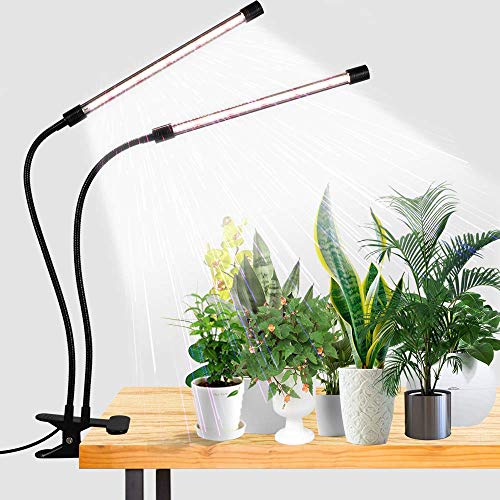
If your room is dark, a small LED grow light on a timer works well. Set it to switch off before bedtime.
Water and Soil: Avoid Root Rot
Overwatering is the top killer of indoor plants. Soggy soil starves roots of air, and they rot.
- Let snake plant, ZZ, aloe and jade dry out fully between waterings.
- Water pothos, spider plant and peace lily when the top inch is dry.
- Always use pots with drainage holes.
- Use cactus mix for succulents and bark mix for orchids.
- Empty saucers after watering.
Check soil with your finger rather than watering on a schedule. Plants use less water in winter, so stretch the intervals.