Soil and Fertilizers For Gardening: Essential Elements for Thriving Plants

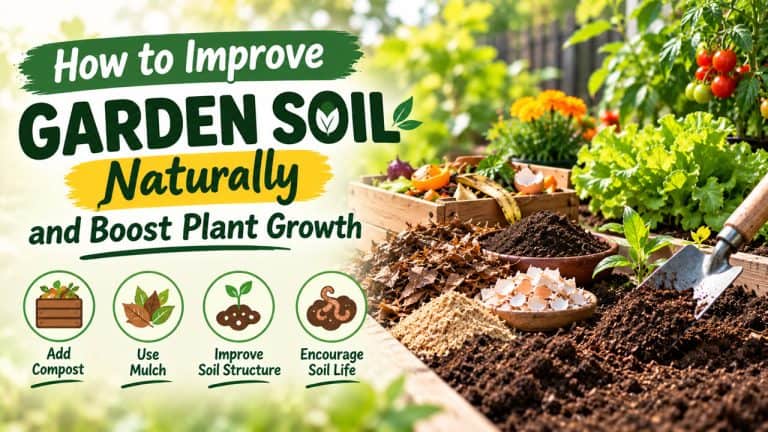
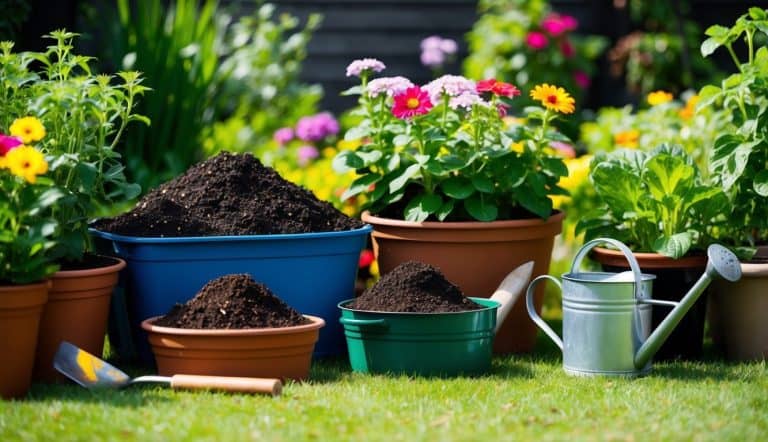
Soil and fertilizers are key ingredients for a thriving garden. Healthy soil provides the foundation for strong plant growth, while fertilizers supply essential nutrients plants need to flourish. Good soil contains a mix of minerals, organic matter, air, and water. It supports root development and helps plants access nutrients.

Adding the right fertilizers can boost soil health and plant growth. Fertilizers come in many forms, including granular, powder, and liquid options. Some release nutrients quickly, while others break down slowly over time. Organic fertilizers made from natural materials add nutrients gradually as soil microbes break them down.

Testing garden soil is an important first step. This reveals which nutrients are lacking and guides fertilizer choices. Different plants have varied nutrient needs, so it’s helpful to research specific requirements. With the proper soil and fertilizer approach, gardeners can create ideal conditions for lush, productive gardens.

Understanding Soil Basics

Soil is the foundation of any garden. It provides nutrients, water, and support for plants to grow and thrive. Good soil management is key to successful gardening.


Coast of Maine Tomatoes and Veggies (20qt) Organic and Natural Planting Soil, Crafted for Vegetable Gardens and Organic Growers

Soil Composition and Texture

Soil is made up of mineral particles, organic matter, air, and water. The size of these particles determines soil texture. Sandy soils have large particles, allowing water to drain quickly. Clay soils have tiny particles that hold water tightly. Loam is a mix of sand, silt, and clay.

Texture affects how soil holds nutrients and water. Sandy soils need more frequent watering and fertilizing. Clay soils may need extra drainage. Loam is often ideal for gardening.

A simple test can help determine soil texture. Wet a handful of soil and squeeze it. Sandy soil falls apart easily. Clay soil stays in a ball. Loamy soil forms a ball but breaks apart with gentle pressure.

Check out 9 Steps to Prepare Soil for Vegetable Garden

Soil pH and Its Importance

Soil pH measures how acidic or alkaline the soil is. It ranges from 0 to 14, with 7 being neutral. Most plants prefer slightly acidic soil between 6.0 and 7.0.

pH affects nutrient availability. Some nutrients become locked up in very acidic or alkaline soils. This can lead to plant deficiencies even if nutrients are present.

A soil test can measure pH. Garden centers sell simple kits. For more detailed results, send a sample to a soil testing lab. They can provide specific recommendations for adjusting pH.

To raise pH, add lime. To lower pH, add sulfur. These changes happen slowly, so it’s best to test and adjust pH before planting.

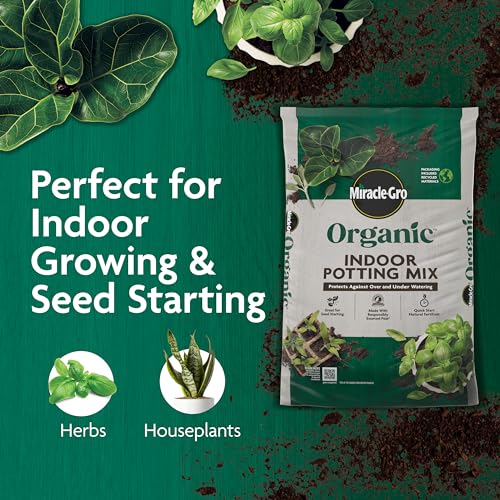
Soil and Fertilizers For Indoor Gardening

The Role of Organic Matter in Soil

Organic matter is vital for healthy soil. It includes decomposed plant and animal materials. Compost is a great source of organic matter.

Benefits of organic matter:

  • Improves soil structure
  • Holds water and nutrients
  • Feeds beneficial soil organisms
  • Helps prevent erosion

Add organic matter regularly to maintain soil health. Work compost into garden beds yearly. Use mulch to slowly add organic matter over time.

Aim for 5% organic matter in garden soil. This level supports good plant growth while maintaining soil structure. Too much can lead to excess nutrients and poor drainage.

Check out How to Use Mushroom Compost in Vegetable Garden?

Key Nutrients for Garden Health

Gardens need specific nutrients to thrive. These elements are split into groups based on how much plants need them. Knowing about these nutrients helps gardeners grow healthy plants.


Espoma Company (VFGS1) Organic Vegetable and Flower Soil (Тwo Рack)

Primary Nutrients: N-P-K

N-P-K stands for nitrogen, phosphorus, and potassium. These are the main nutrients plants need in large amounts.

Nitrogen (N) helps plants grow green leaves. It’s key for making chlorophyll, which plants use to make food.

Phosphorus (P) is vital for root growth and flower formation. It also helps plants use energy from the sun.

Potassium (K) makes plants stronger. It helps them fight diseases and deal with stress like drought.

Fertilizers often show N-P-K as three numbers, like 10-10-10. This means the mix has equal parts of each nutrient.

Secondary Nutrients and Their Functions

Plants need less of these nutrients, but they’re still important.

Calcium helps build cell walls. It makes plants sturdy and helps new roots grow.

Magnesium is part of chlorophyll. It helps plants stay green and make food.

Sulfur is needed to make some plant proteins. It helps plants grow and produce seeds.

These nutrients are often found in soil. But sometimes gardeners need to add them.

Micronutrients: Essential Yet Often Overlooked

Micronutrients are needed in tiny amounts. But they play big roles in plant health.

Iron helps plants make chlorophyll. Without it, leaves turn yellow.

Manganese aids in photosynthesis. It’s key for making plant food.

Zinc helps plants make growth hormones. It’s needed for stem growth.

Other micronutrients include copper, boron, and molybdenum. Each has a special job in plant growth.

Most soils have enough micronutrients. But some may lack one or more. Soil tests can show if plants need more.

Check out Is Mushroom Compost Good for a Vegetable Garden?

Types of Fertilizers

Fertilizers come in many forms to meet different gardening needs. They provide essential nutrients to help plants grow strong and healthy. The main types include organic and synthetic options in granular or liquid form.

Organic vs Synthetic Fertilizers

Organic fertilizers come from natural sources like compost, manure, and bone meal. They improve soil health over time. Synthetic fertilizers are made in labs. They give plants quick boosts of nutrients.

Organic options release nutrients slowly. This feeds plants for longer periods. Synthetic types act fast but may need more frequent use.

Many gardeners prefer organic fertilizers. They’re eco-friendly and build soil. Synthetic options offer precise nutrient control. Both have pros and cons to consider.


Down to Earth Organic Vegetable Garden Fertilizer 4-4-4, 5lb

Granular and Liquid Fertilizers

Granular fertilizers are dry pellets or powders. You spread them on soil and water them in. They’re easy to use and last longer.

Liquid fertilizers come as concentrates or ready-to-use sprays. Plants absorb them quickly through leaves and roots. They’re great for fast results.

Some granular types are slow-release. They feed plants over months. Liquid forms work best for quick nutrient boosts. Choose based on your plants’ needs and how often you want to fertilize.

Check out 9 Best Fertilizers for Indoor Plants

Specialized Fertilizers for Plant Types

Different plants have unique nutrient needs. Specialized fertilizers target these requirements.

  • Vegetable fertilizers have more nitrogen for leafy growth.
  • Flower fertilizers are high in phosphorus to boost blooms.
  • Fruit tree fertilizers balance nutrients for fruit production.

Look for fertilizers made for:

  • Roses
  • Tomatoes
  • Citrus trees
  • Acid-loving plants

Balanced fertilizers work for most garden plants. They contain equal parts nitrogen, phosphorus, and potassium. Always check labels to match fertilizers to your plants’ specific needs.

Soil and Fertilizers For Gardening

How to Improve Soil Fertility

Boosting soil fertility is key for a thriving garden. There are several ways to enrich your soil with vital nutrients and organic matter. Let’s look at some top methods to make your soil more fertile and productive.

Composting for Soil Enrichment

Composting turns kitchen scraps and yard waste into rich, dark humus. This “black gold” adds nutrients and improves soil structure. To make compost, mix green materials like grass clippings with brown items like dry leaves.

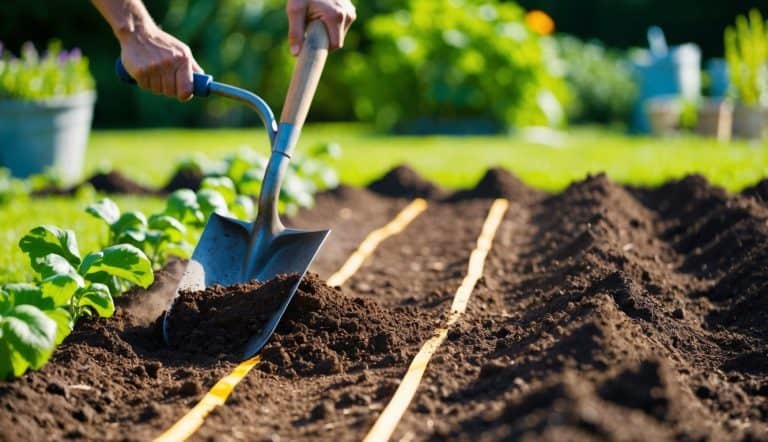
Keep the pile moist and turn it now and then. In a few months, you’ll have nutrient-rich compost. Spread a 1-2 inch layer over your garden beds each year.

You can also brew compost tea. Steep finished compost in water for a few days. Use this liquid fertilizer to feed plants and soil microbes.

Using Manure as a Soil Amendment

Animal manures are packed with nutrients that feed plants and soil life. Cow and chicken manure are two common types. Cow manure is mild and good for most plants. Chicken manure is very strong, so use it sparingly.

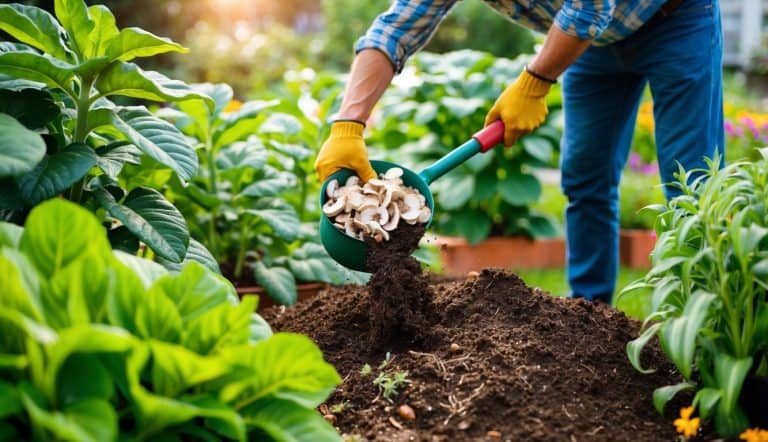
Always use aged or composted manure. Fresh manure can burn plants. Mix manure into the soil before planting or use it as a top dressing.

Other animal-based fertilizers include:

  • Bone meal (high in phosphorus)
  • Blood meal (high in nitrogen)
  • Fish meal (balanced nutrients)


Miracle-Gro Garden Soil Vegetables and Herbs 1.5 cu ft

The Role of Cover Crops and Green Manures

Cover crops protect and feed the soil. Plant them in empty garden beds or after harvest. Some good choices are:

  • Clover
  • Rye
  • Buckwheat

These plants add organic matter and nutrients. They also prevent soil erosion and suppress weeds.

To use cover crops as green manure, cut them down before they go to seed. Leave the plant matter on the soil or work it in. This adds nutrients and organic material to your garden beds.

Check out 15 Vegetables That Like Mushroom Compost

Fertilizing Techniques and Timing

Proper fertilizing techniques and timing are key to a thriving garden. Knowing when and how to apply nutrients can make a big difference in plant health and yield.

Side Dressing and Top Dressing

Side dressing is a useful way to feed plants during the growing season. It involves placing fertilizer in a shallow trench near plant roots. This method works well for row crops like corn and tomatoes.

Top dressing is simpler. Scatter fertilizer around plants and work it into the soil surface. It’s good for lawns and established garden beds.

Both methods let you add nutrients as plants need them. Use them 4-6 weeks after planting. Repeat every 3-4 weeks for heavy feeders like tomatoes.

Understanding the Best Time to Fertilize

Spring is often the best time to fertilize. Apply a balanced fertilizer as plants start active growth. This gives them a boost for the season ahead.

Fall is also good for some plants. Use a phosphorus-rich mix to promote strong roots. Do this 4-6 weeks before the first frost.

For regular fertilizer, feed plants every 4-6 weeks during the growing season. Slow-release formulas last longer. Apply them 2-3 times per year.

Always water after fertilizing. This helps move nutrients into the soil where roots can reach them.

Check out 9 Best Soil for Growing Plants

Soil and Fertilizer Considerations for Specific Plants

Different plants have varying soil and nutrient needs. Proper fertilization helps plants thrive and produce the best results, whether it’s abundant vegetables, beautiful flowers, or healthy fruit.

Organic Soil and Fertilizers For Gardening

Vegetable Gardens: Feeding for Bounty

Vegetable gardens need rich, fertile soil to produce a good harvest. Most vegetables are heavy feeders and require regular fertilization. Before planting, mix compost or well-rotted manure into the soil. This adds organic matter and improves soil structure.

During the growing season, use a balanced fertilizer like 10-10-10. Apply it every 4-6 weeks. Leafy greens need more nitrogen, while root crops prefer less. Tomatoes and peppers benefit from extra calcium to prevent blossom end rot.

Water-soluble fertilizers work well for container gardens. Feed every 1-2 weeks when watering. Slow-release granules are good for in-ground gardens, lasting several months.

Ornamentals and Lawns: Fertilizing for Aesthetics

Flowers and lawns need the right nutrients for lush growth and vibrant colors. For most ornamentals, use a balanced fertilizer in spring as new growth begins. Repeat applications every 6-8 weeks during the growing season.

Acid-loving plants like azaleas and rhododendrons need special fertilizers. These have lower pH and include extra iron. Use them in spring and early summer.

Lawns need regular feeding for thick, green turf. Apply a high-nitrogen fertilizer in spring and fall. Use slow-release forms to prevent rapid growth spurts. Avoid fertilizing in hot summer months when grass is stressed.

Fruit Trees and Shrubs: Nutrient Specifics

Fruit trees and shrubs have specific nutrient needs based on their growth stage. Young trees need balanced fertilizers to establish strong roots and branches. As trees mature, they need less nitrogen and more phosphorus and potassium for fruit production.

Apply fertilizers in early spring before new growth starts. Spread it evenly under the tree’s canopy, starting 6 inches from the trunk. Water well after application to help nutrients reach the roots.

Blueberries need acidic soil with a pH of 4.5-5.5. Use fertilizers made for acid-loving plants. Citrus trees benefit from extra iron and zinc. These nutrients prevent yellowing leaves and improve fruit quality.


Espoma Organic Raised Bed Mix - All Natural and Organic Potting Soil Mix for Growing Vegetables and Herbs in Raised Garden Beds. for Organic Gardening.1.5 Cubic Foot Bag

Preventing and Correcting Common Soil Issues

Good soil is key for a thriving garden. Let’s look at some common problems and how to fix them.

Avoiding Over-fertilization and Its Impacts

Too much fertilizer can hurt plants. It can burn roots and leaves. It may also make plants grow too fast, making them weak.

To avoid this, follow package instructions carefully. Use less fertilizer than you think you need. It’s better to add more later if needed.

Organic fertilizers are safer. They release nutrients slowly. This lowers the risk of over-fertilizing.

If you see burned leaf edges or stunted growth, stop fertilizing. Water the soil well to flush out extra nutrients.

Dealing with Weeds and Soil Competitors

Weeds steal water and nutrients from garden plants. They can also harbor pests and diseases.

Pull weeds by hand when the soil is moist. This makes it easier to get the whole root.

Use mulch to stop weed seeds from sprouting. A 2-3 inch layer of bark, straw, or leaves works well.

Avoid tilling too much. This can bring weed seeds to the surface where they can grow.

For tough weeds, try covering the area with black plastic. This blocks light and kills weeds.

Remediating Compacted or Poor-Quality Soil

Compacted soil is hard for roots to grow in. It also doesn’t hold water or air well.

To fix this, add organic matter like compost or aged manure. This improves soil structure and adds nutrients.

For clay soil, add sand and organic matter. This helps water drain better.

For sandy soil, add clay and organic matter. This helps the soil hold water and nutrients.

Soil conditioners can also help. These include things like peat, coir, and lime.

Avoid walking on garden beds. This compacts the soil. Use paths or stepping stones instead.

Check out How to Use Neem Oil on Plants Indoor?

Sustainable Practices in Soil and Fertilizer Use

Gardeners can adopt several eco-friendly methods to maintain healthy soil and plants. These practices help protect the environment while producing bountiful harvests.

Composting is a key sustainable technique. It turns kitchen scraps and yard waste into nutrient-rich material for gardens. Compost improves soil structure and feeds beneficial microbes.

Organic fertilizers offer another earth-friendly option. These include natural materials like bone meal, blood meal, and fish emulsion. They release nutrients slowly, reducing the risk of overfeeding plants.

Crop rotation helps prevent soil depletion. By changing plant locations each season, gardeners can balance nutrient use and disrupt pest cycles.

Cover crops protect and enrich soil between growing seasons. Plants like clover or rye add organic matter and prevent erosion.

Mulching conserves water and suppresses weeds. It also moderates soil temperature and adds nutrients as it breaks down.

Integrated pest management reduces chemical use. This approach combines biological, cultural, and mechanical controls to manage pests effectively.

Sustainable gardening tips:

  • Test soil regularly
  • Use drip irrigation
  • Choose native plants
  • Apply fertilizers sparingly

These practices promote long-term soil health and support sustainable gardening for years to come.

Conclusion

Good soil and the right fertilizers are key for a thriving garden. Healthy soil gives plants the nutrients they need to grow strong. Fertilizers can boost soil quality and plant growth when used properly.

Organic fertilizers improve soil health over time. They feed helpful microbes and add organic matter. This leads to better soil structure and water retention.

Chemical fertilizers work fast to fix nutrient deficiencies. They’re good for quick results but don’t improve soil long-term. Overuse can harm soil and pollute waterways.

The best choice depends on your garden’s needs. A soil test helps determine what nutrients are lacking. This guides fertilizer selection and application rates.

Proper timing and amount are crucial for any fertilizer. Follow package instructions carefully. More isn’t always better and can damage plants.

With the right soil care and fertilizer use, gardens can flourish. Healthy soil grows vigorous plants that resist pests and diseases naturally. This leads to a bountiful and beautiful garden.

You may also like:

vegetable garden ideas

10 Vegetable Garden Layout Ideas