
Gardeners often debate the merits of different soil amendments. Two popular options are lobster compost and mushroom compost. These organic materials can improve soil structure and add nutrients, but they have some key differences.
Lobster compost is made from lobster shells and other seafood waste. It’s rich in calcium and chitin, which can boost plant growth and deter pests. Lobster compost tends to have a higher nutrient content than mushroom compost, making it a potent fertilizer for many plants.
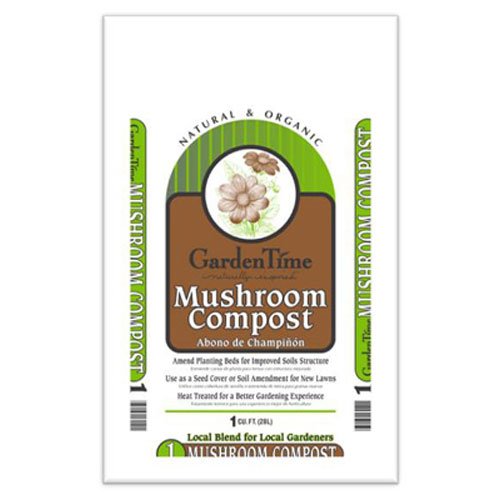
Mushroom compost is a byproduct of mushroom farming. It’s made from materials like straw, peat moss, and manure. This compost is good at retaining moisture and has a balanced nutrient profile. It works well as a soil conditioner to improve texture and water retention. Both types of compost can be valuable additions to garden soil, depending on specific plant needs and soil conditions.
Understanding Compost
Compost is a vital soil amendment that boosts plant growth and soil health. It’s made from decomposed organic materials and contains essential nutrients. Different types of compost offer unique benefits for various gardening needs.
What is Compost
Compost is decomposed organic matter used to improve soil quality. It’s made by breaking down materials like food scraps, yard waste, and plant debris. Microorganisms break these materials down into a dark, crumbly substance rich in nutrients.
Compost improves soil structure and water retention. It adds beneficial microbes to the soil ecosystem. The composting process can take weeks to months depending on conditions and methods used.
Different Types of Compost
There are several types of compost available for gardeners. Traditional compost is made from yard and kitchen waste. Vermicompost uses worms to break down organic matter. Mushroom compost is a byproduct of mushroom farming.
Each type has unique properties:
- Traditional compost: Balanced nutrients, improves soil structure
- Vermicompost: High in plant-available nutrients, good for seedlings
- Mushroom compost: High in organic matter, may have higher salt content
Role in Plant Growth
Compost plays a key role in supporting healthy plant growth. It adds essential nutrients to the soil that plants need to thrive. These include nitrogen, phosphorus, and potassium.
Compost improves soil structure, allowing better root growth. It helps retain moisture in the soil, reducing watering needs. The organic matter in compost feeds beneficial soil microbes.
Plants grown in compost-rich soil often show:
- Stronger root systems
- More vigorous growth
- Better resistance to pests and diseases
- Higher yields for edible crops
Check out Mushroom Compost vs Organic Compost: Which Is Best for Your Garden?
Comparing Mushroom and Lobster Compost
Mushroom and lobster compost differ in their makeup and effects on soil. These composts have unique properties that impact plant growth in various ways.
Composition
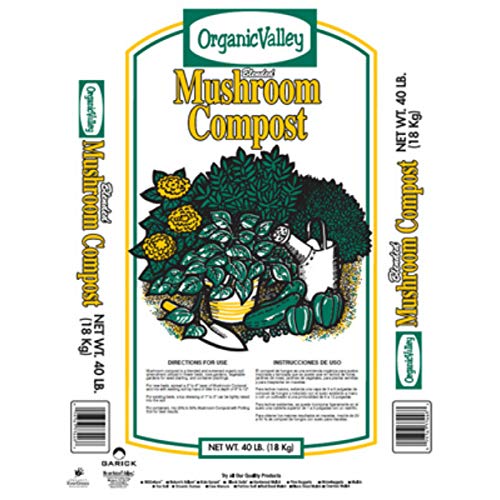
Mushroom compost comes from used mushroom growing materials. It often contains straw, horse manure, and gypsum. Lobster compost is made from lobster shells, seaweed, and other marine materials.
Mushroom compost has a fine texture. It feels soft and crumbly. Lobster compost is coarser. It has bits of shell mixed in.
Both composts add organic matter to soil. This helps soil structure and plant roots.
Nutrient Content
Mushroom compost is rich in calcium from gypsum. It also has potassium and some nitrogen.
Lobster compost is high in calcium too. The shells provide this nutrient. It also has more nitrogen than mushroom compost.
Both types feed plants over time. Lobster compost releases nutrients more slowly.
Soil pH Influence
Mushroom compost can raise soil pH. This makes it good for acid-loving plants.
Lobster compost is more neutral. It doesn’t change soil pH as much.
Gardeners should test their soil before adding compost. This helps pick the right type for their plants’ needs.
Effect on Water Retention
Both composts help soil hold water. This is good for plants in dry times.
Mushroom compost holds more water than lobster compost. Its fine texture traps moisture well.
Lobster compost improves drainage too. The shell bits create air pockets in soil.
For clay soils, lobster compost might work better. It prevents waterlogging. In sandy soils, mushroom compost could help more. It keeps water from draining too fast.
Check out Is Mushroom Compost Good for Dahlias?
Pros and Cons of Mushroom Compost
Mushroom compost has several benefits and drawbacks for gardeners to consider. It can improve soil structure and add nutrients, but may also have high salt levels and an alkaline pH.

Advantages
Mushroom compost helps improve soil structure and water retention. It adds organic matter that makes soil more porous and less compact. This allows roots to grow better and helps prevent water runoff.
The compost supplies important plant nutrients. It contains nitrogen, phosphorus, and potassium that feed plants. It also adds calcium, magnesium, and iron to the soil.
Mushroom compost has a light, fluffy texture. This makes it easy to mix into garden beds. The texture also helps aerate heavy clay soils.
It can suppress some plant diseases and pests. The beneficial microbes in the compost may help fight off harmful organisms in the soil.
Potential Drawbacks
The high salt content can harm some plants. Salt-sensitive plants may struggle if too much mushroom compost is used. It’s best to use it in small amounts at first.
Mushroom compost is very alkaline. Its high pH can make soil too basic for acid-loving plants like azaleas and blueberries.
Fresh mushroom compost can “burn” plants. The high nutrient levels can damage roots and leaves. It’s safer to use aged compost that has mellowed.
Some gardeners find it expensive compared to other composts. Making compost at home is often cheaper than buying mushroom compost.
The compost may contain leftover mushroom spores. This could lead to mushrooms popping up in garden beds.
Check out Is Mushroom Compost Good for Azaleas?
Pros and Cons of Lobster Compost
Lobster compost offers unique benefits and challenges for gardeners. This organic material can boost soil health but may have some drawbacks to consider.

Advantages
Lobster compost is rich in nutrients, especially nitrogen. This makes it an excellent fertilizer for many plants. The shells break down slowly, releasing nutrients over time.
It improves soil structure and drainage. The coarse texture helps loosen heavy clay soils. This allows better root growth and water penetration.
Lobster compost can deter some garden pests. The sharp shell pieces may discourage slugs and snails. It also contains chitin, which can boost plants’ natural defenses.
Many gardeners find it has a pleasant, earthy smell. This is unlike some other strong-smelling organic fertilizers.
Potential Drawbacks
Cost can be a major factor. Lobster compost is often more expensive than other types. It may not be widely available in all areas.
The high salt content can harm some plants. Gardeners should use it carefully with salt-sensitive species. It’s best to mix it well with existing soil.
Some users report a strong fishy odor when first applied. This smell usually fades after a few days. It might attract animals like raccoons or dogs to the garden.
The compost may take longer to break down fully. This can be good for long-term fertility but less helpful for quick results.
Application in Gardening
Lobster and mushroom composts offer unique benefits for garden applications. These organic materials can improve soil structure, boost fertility, and support plant growth in various ways.

Preparing Garden Beds
Mix lobster or mushroom compost into garden beds before planting. Add 2-3 inches of compost to the top layer of soil and work it in to a depth of 6-8 inches. This improves soil texture and adds nutrients.
For new beds, blend equal parts compost and native soil. This creates a rich growing medium for plants to thrive.
Use lobster compost sparingly in alkaline soils, as it can raise pH levels. Mushroom compost works well in most soil types but may need extra rinsing in salty areas.
Maintaining Soil Health
Apply a 1-2 inch layer of compost as mulch around plants each spring. This helps retain moisture, suppress weeds, and slowly release nutrients.
Top-dress vegetable gardens with compost monthly during the growing season. This keeps soil fertile and supports healthy plant growth.
Lobster compost adds calcium, which strengthens plant cell walls. Mushroom compost improves water retention, making it great for sandy soils.

Customizing for Specific Plants
Use mushroom compost for acid-loving plants like azaleas and rhododendrons. Its slightly acidic nature suits these species well.
Mix lobster compost into soil for tomatoes, peppers, and other heavy feeders. The high calcium content prevents blossom end rot.
For root crops, use a light touch with both composts. Too much nitrogen can lead to leafy growth at the expense of root development.
Blend either compost with peat moss and sand for a custom potting mix. This works well for container gardens and raised beds.
Check out 10 Plants That Like Mushroom Compost
Factors to Consider When Choosing Compost
Selecting the right compost for your garden involves weighing several key factors. These include the specific needs of your soil and plants, as well as your budget constraints.
Soil Requirements
Different soils have unique needs for improvement. Sandy soils often need help with water retention. Clay soils may require better drainage. Test your soil pH before adding compost. Most plants prefer slightly acidic to neutral soil (pH 6.0-7.0).
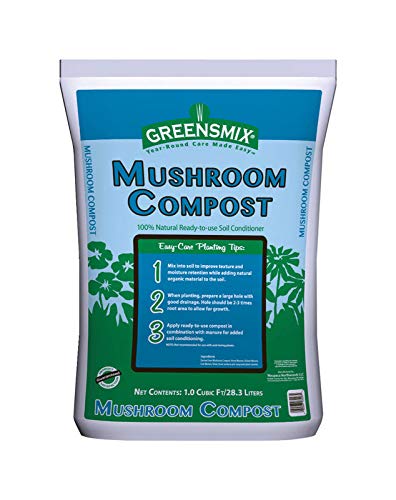
Mushroom compost tends to be more alkaline. It works well for acid-loving plants in naturally acidic soils. Regular compost is usually pH neutral. It’s a safer choice for a wider range of soil types.
Consider your soil’s current nutrient levels. If it lacks specific nutrients, choose a compost that can fill those gaps.
Plant Needs
Plants vary in their nutrient demands. Vegetables often need more nitrogen than flowers. Fruit trees may require extra potassium.
Regular compost often has a balanced nutrient profile. It’s good for general use. Mushroom compost is high in calcium. This makes it great for tomatoes and peppers.
Think about salt sensitivity. Some plants can’t handle the higher salt levels in mushroom compost. These include young seedlings and some herbs.
Match the compost to your plants’ growth stage. Seedlings need gentle, low-nutrient compost. Mature plants can handle richer mixes.
Cost and Budget
Compost prices can vary widely. Here’s a simple comparison:
| Compost Type | Typical Cost Range (per cubic foot) |
|---|---|
| Regular | $3 – $7 |
| Mushroom | $5 – $10 |
Regular compost is often cheaper. It’s a good choice for large areas or tight budgets. Mushroom compost costs more but may offer specific benefits.
Consider making your own compost to save money. This takes time but can be very cost-effective. You’ll also know exactly what’s in it.
Bulk purchases can reduce costs. Compare prices from different suppliers. Look for sales or discounts, especially in the off-season.
Environmental Impact and Sustainability
Lobster and mushroom composts offer eco-friendly solutions for waste reduction and sustainable farming practices. These composts help recycle organic matter while improving soil health.

Reducing Waste with Compost
Mushroom farming creates large amounts of spent mushroom compost. For every 1 kg of mushrooms grown, about 5 kg of compost is produced. This compost can be reused instead of being thrown away.
Lobster shells from seafood processing can also be composted. This keeps them out of landfills. Both composts turn waste into a useful gardening product.
Composting these materials:
- Decreases landfill use
- Lowers greenhouse gas emissions
- Reduces the need for chemical fertilizers
Supporting Sustainable Practices
Using lobster or mushroom compost supports eco-friendly farming. These composts add nutrients to soil naturally. This can cut down on chemical fertilizer use.
Mushroom compost comes from agricultural leftovers. It gives new life to things like straw and animal manure. Lobster compost makes use of shells that would otherwise be trash.
Both composts:
- Improve soil structure
- Help plants resist disease
- Increase water retention in soil
This leads to healthier plants and can boost crop yields. It’s a win for farmers and the environment.
Lobster Compost vs Mushroom Compost – Summary
| Aspect | Lobster Compost | Mushroom Compost |
|---|---|---|
| Origin | Made from lobster shells and other seafood waste | Made from spent mushroom growing medium |
| Nutrients | High in calcium, chitin, and nitrogen | Rich in organic matter and balanced nutrients |
| pH | Tends to be alkaline | Slightly alkaline to neutral |
| Salt Content | Higher salt content | Lower salt content |
| Water Retention | Good water retention | Excellent water retention |
| Texture | Coarse texture | Fine, crumbly texture |
| Odor | May have a seafood smell | Earthy odor |
| Best Uses | Ideal for calcium-loving plants and improving soil structure | Great for general garden use and as a soil amendment |
| Cost | Often more expensive | Generally more affordable |
| Availability | Less common, may be regional | Widely available in many areas |
Both types of compost offer unique benefits to gardens. Lobster compost adds calcium and chitin, which can help deter pests. Mushroom compost improves soil structure and provides a good balance of nutrients.
Gardeners should choose based on their specific plant needs, soil conditions, and local availability. It’s important to use either compost type in moderation, especially when working with salt-sensitive plants.

Conclusion
Lobster compost and mushroom compost both offer benefits for gardeners. Lobster compost provides high levels of calcium and chitin. These nutrients support strong plant growth and boost disease resistance.
Mushroom compost retains water well and improves soil structure. It releases nutrients slowly over time. This makes it good for long-term soil health.
The best choice depends on your specific gardening needs. Lobster compost works great for calcium-loving plants like tomatoes. Mushroom compost helps sandy soils hold more water and nutrients.
Consider mixing the two composts for a balanced approach. This combines their unique strengths. Always follow package instructions for application rates.
Test your soil before adding any amendments. This helps you choose the right compost for your garden’s needs. With the proper compost, you can grow healthier, more productive plants.

Hello there! I’m Elsa, and gardening is my passion. As an avid gardener, I created GardeningElsa.com to share my knowledge and experience with fellow enthusiasts. My website is a comprehensive resource for gardeners of all levels, offering expert advice on a wide range of topics, including plants, flowers, herbs, and vegetable gardening. Whether you’re a beginner looking to start your first garden or a seasoned pro seeking to expand your knowledge, GardeningElsa.com has something for everyone. Read more about me.
