
Gardeners often debate the merits of different soil amendments to boost plant growth. Mushroom compost and horse manure are two popular choices that can improve soil quality and provide nutrients for plants. Both offer unique benefits for gardens and plants.
Mushroom compost is a nutrient-rich blend of organic materials used to grow mushrooms, while horse manure is animal waste mixed with bedding materials. These soil amendments add organic matter to the soil, which helps retain water and nutrients. They also improve soil structure, making it easier for roots to grow.
Each amendment has its own strengths. Mushroom compost is usually weed-free and pH neutral, making it good for many plants. Horse manure adds nitrogen to the soil, which plants need for growth. Both can be great choices for gardeners looking to boost their soil quality and plant health.
Understanding Compost and Manure
Compost and manure are key soil amendments that improve garden health. They add nutrients and organic matter to soil, but differ in their sources and properties.
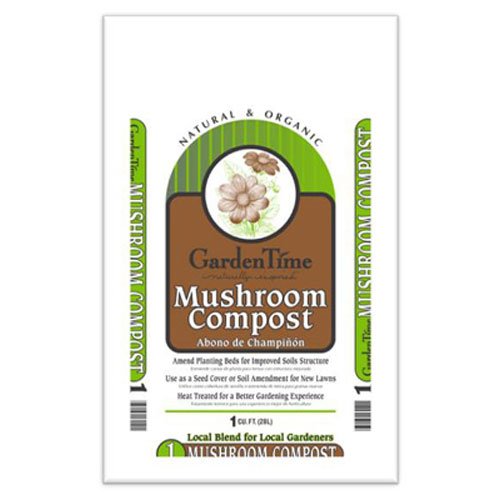
Defining Compost and Manure
Compost is decomposed organic matter made from plant materials and food scraps. It forms through a controlled process where microorganisms break down the materials.
Compost improves soil structure and adds nutrients slowly over time. It’s usually dark, crumbly, and smells earthy.
Manure comes from animal waste. Common types include cow, horse, and chicken manure. Fresh manure is high in nitrogen but can burn plants.
Aged manure is safer to use. It adds nutrients and organic matter to soil. Manure’s nutrient content varies based on the animal source.
The Role of Composting in Gardening
Composting recycles organic waste into a valuable soil amendment. It reduces landfill waste and creates a free fertilizer for gardens.
Compost boosts soil health in many ways:
- Improves soil structure
- Increases water retention
- Adds beneficial microbes
- Provides slow-release nutrients
Adding compost to gardens helps plants grow stronger. It makes soil easier to work with and more fertile.
Compost also helps sandy soils hold more water. In clay soils, it improves drainage and aeration. This creates a better environment for plant roots to thrive.
Benefits of Mushroom Compost
Mushroom compost offers many advantages for gardens and plants. It improves soil health, provides essential nutrients, and enhances growing conditions.
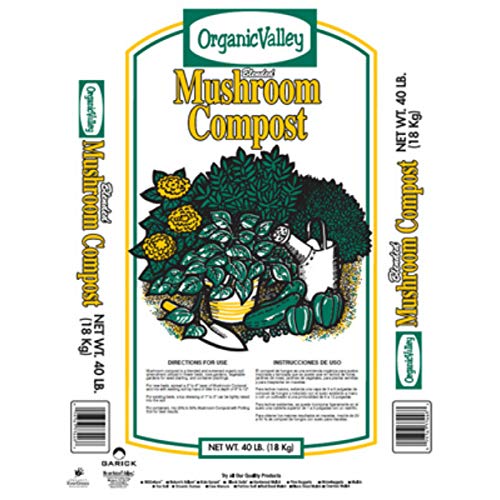
Advantages of Mushroom Compost for Soil Health
Mushroom compost greatly improves soil structure. It adds organic matter that helps break up heavy clay soils and binds sandy soils together. This leads to better drainage in clay soils and improved water retention in sandy soils.
The compost also boosts microbial activity in the soil. Beneficial microbes help break down organic matter and make nutrients more available to plants. This creates a healthier soil ecosystem.
Mushroom compost is weed-free, unlike some manures. Gardeners don’t need to worry about introducing unwanted seeds to their plots. It’s also lightweight and easy to spread, making it simple to use.
Nutrient Content and Availability in Mushroom Compost
Mushroom compost is rich in key plant nutrients. It contains nitrogen, phosphorus, and potassium – the main nutrients plants need to grow. The compost also provides calcium, which supports strong cell walls in plants.
Micronutrients like iron, zinc, and manganese are present in mushroom compost. These trace elements are vital for plant health but are often lacking in poor soils.
The nutrients in mushroom compost are released slowly over time. This steady supply helps feed plants throughout the growing season. It reduces the risk of nutrient burn compared to chemical fertilizers.
Check out What Is Mushroom Compost and What Is It Used For?
Benefits of Horse Manure
Horse manure is a valuable organic fertilizer that enriches soil and boosts plant growth. It contains key nutrients and improves soil structure when used properly.

Advantages of Horse Manure as Organic Fertilizer
Horse manure adds organic matter to soil, enhancing its structure and water retention. This helps create a healthier environment for plant roots to grow.
It’s rich in nitrogen, phosphorus, and potassium – essential nutrients for plant development. These elements support strong stem growth, root formation, and flower production.
Horse manure also contains beneficial microorganisms. These tiny helpers break down organic matter and make nutrients more available to plants.
As it decomposes, horse manure releases nutrients slowly over time. This provides a steady food supply for plants throughout the growing season.
Using horse manure can reduce the need for chemical fertilizers. This makes it an eco-friendly choice for gardeners and farmers.
Comparison of Nutrient Levels in Horse Manure
Horse manure has a balanced nutrient profile compared to other animal manures. It typically contains:
- Nitrogen (N): 0.5-1.5%
- Phosphorus (P): 0.3-0.5%
- Potassium (K): 0.5-1%
These levels can vary based on the horse’s diet and bedding materials used.
Horse manure has more nitrogen than cow manure but less than chicken manure. This makes it suitable for many garden plants without the risk of burning.
It’s important to compost horse manure before use. This process kills weed seeds and harmful bacteria. It also balances out the nutrient content, making it safer for plants.
Composted horse manure improves soil pH, moving it towards neutral. This creates ideal growing conditions for most garden plants.
Check out Is Mushroom Compost High in Nitrogen?
Comparative Analysis
Mushroom compost and horse manure have distinct properties that affect soil and plant health. Their differences in nutrients, soil impact, and suitability for various gardening needs are key factors to consider.
Mushroom Compost vs Horse Manure in Nutrient Composition
Mushroom compost is rich in organic matter and has a balanced nutrient profile. It contains moderate levels of nitrogen, phosphorus, and potassium. Horse manure, on the other hand, is high in nitrogen but lower in phosphorus and potassium.

Nutrient levels in horse manure can vary based on the horse’s diet and bedding material. Fresh horse manure may have a higher nitrogen content, which can burn plants if not composted properly.
Mushroom compost has a more consistent nutrient makeup. It often includes gypsum, which adds calcium and sulfur to the mix. This makes it beneficial for plants that need these extra nutrients.
Impact on Soil Quality and Plant Growth
Both amendments improve soil structure and water retention. Mushroom compost is lighter and easier to work with. It helps loosen heavy clay soils and improves drainage.
Horse manure adds more organic matter to the soil. This feeds beneficial microbes and improves long-term soil health. It’s great for sandy soils that need help holding water and nutrients.
Mushroom compost is usually weed-free and pH neutral. This makes it safe for most plants and reduces the risk of introducing weeds to your garden.
Horse manure may contain weed seeds if not fully composted. It can also be more acidic, which may affect soil pH over time.
Considerations for Different Gardening Goals
For vegetable gardens, mushroom compost is often preferred. Its balanced nutrients and weed-free nature make it ideal for growing food crops.
Horse manure is excellent for heavy feeders like corn and squash. Its high nitrogen content supports leafy growth. It’s also great for improving poor soil over time.
Mushroom compost works well for container gardening. Its light texture prevents soil compaction in pots.
For flower beds, both can be beneficial. Mushroom compost is good for delicate plants. Horse manure works well for established perennials that need a nutrient boost.
In lawns, horse manure can promote rapid grass growth. Mushroom compost is better for top-dressing without the risk of burning the grass.

Check out Is Mushroom Compost Good for Raised Vegetable Beds?
Application and Usage Tips
Proper application is key when using mushroom compost or horse manure in gardens. Both offer benefits, but require different handling to maximize results and avoid potential issues.
Proper Application of Mushroom Compost in Gardens
Mix mushroom compost into the top 6-8 inches of soil before planting. Use 2-3 inches for flower beds or 4-6 inches for vegetable gardens. It’s best to apply in spring or fall.
Mushroom compost is gentle enough for direct seed planting. It rarely contains weed seeds, making it ideal for weed-free gardens.
For potted plants, blend 1 part mushroom compost with 3 parts potting soil. This improves drainage and nutrient content.
Water thoroughly after applying to help nutrients soak into the soil. Reapply a thin layer as a mulch mid-season to boost nutrients and retain moisture.
Best Practices for Using Horse Manure as Manure Compost
Fresh horse manure is too “hot” and can burn plants. Compost it for 4-6 months before use. This kills weed seeds and harmful bacteria.
Apply a 2-4 inch layer of composted horse manure to garden beds in fall. This allows time for it to break down before spring planting.
Mix horse manure compost into the top 6-12 inches of soil. Use 1 part manure to 3 parts soil for most plants.
Avoid using horse manure on root crops like carrots or potatoes. It may cause forking or scab.
Horse manure has a strong odor when fresh. Properly composted manure has less smell and is safer for gardens.
Check out Is Mushroom Compost Good for Clay Soil?
Potential Drawbacks and Considerations
Both mushroom compost and horse manure have some downsides to be aware of. These issues can affect plant growth and soil health if not managed properly.
Disadvantages of Mushroom Compost and Mitigation
Mushroom compost can have high salt levels. This may harm salt-sensitive plants. To fix this, mix it with other compost or soil before use.
It might be too rich for some plants. Dilute it with regular soil for seedlings and young plants.
Some mushroom compost contains lime. This raises soil pH. Test your soil first if growing acid-loving plants.
The compost may have leftover chemicals from mushroom growing. Buy from trusted sources that use organic methods.
Mushroom compost can be costly compared to other options. Look for local suppliers or make your own to save money.
Challenges with Horse Manure and How to Address Them
Fresh horse manure is too “hot” for direct use. It can burn plants. Compost it first for 6-12 months.
Horse manure often contains weed seeds. These can sprout in your garden. Hot-composting kills most seeds.
It may carry parasites or pathogens. Proper composting destroys most harmful organisms.
Some horse manure has herbicide residues. These can damage garden plants. Ask about any chemicals used before getting manure.
Horse manure can be heavy and hard to transport. Use a truck or have it delivered in bulk.
It produces strong odors while composting. Site your compost pile away from living areas.
Additional Aspects of Mushroom Compost and Horse Manure
Mushroom compost and horse manure have distinct costs, availability, and environmental impacts. These factors can influence gardeners’ choices when selecting soil amendments.
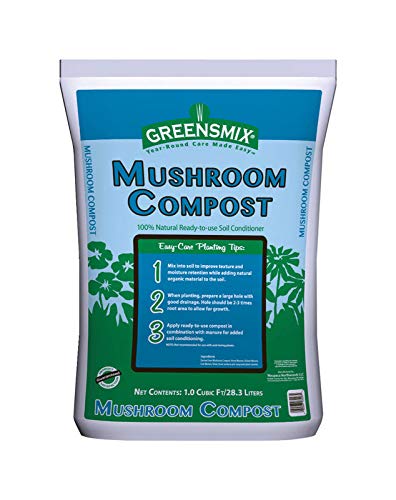
Cost Comparison Between Mushroom Compost and Horse Manure
Mushroom compost often costs more than horse manure. This is due to its processing and transportation expenses. Horse manure may be free from local farms, while mushroom compost is usually bought from garden centers.
Spent mushroom substrate, a byproduct of mushroom farming, can be a cheaper option. It’s sometimes given away by mushroom growers. This makes it a budget-friendly choice for large-scale projects.
Availability varies by location. Urban areas may have easier access to bagged mushroom compost. Rural areas might find horse manure more readily available from nearby stables.
Environmental Impact and Sustainability
Mushroom compost is often seen as more eco-friendly. It recycles waste from mushroom production, reducing landfill use. The composting process also helps lower greenhouse gas emissions.
Horse manure can release methane, a potent greenhouse gas, if not managed properly. But when composted correctly, it becomes a valuable soil amendment.
Both options support sustainable gardening practices. They improve soil health without relying on synthetic fertilizers. This helps conserve resources and protect local ecosystems.
Mushroom compost is typically free of weed seeds and pathogens. This reduces the need for herbicides and pesticides in gardens. Horse manure may contain these, requiring extra care during application.
Mushroom Compost vs Horse Manure – Summary
| Aspect | Mushroom Compost | Horse Manure |
|---|---|---|
| Nutrient Content | Balanced profile | High in nitrogen |
| pH Level | Neutral | Can be acidic |
| Weed Seeds | Generally free of seeds | May contain weed seeds |
| Pathogens | Typically pathogen-free | May contain harmful bacteria |
| Salt Content | Can be higher | Generally lower |
| Weight | Lighter and easier to spread | Heavier and denser |
| Soil Improvement | Enhances soil structure | Adds organic matter |
| Plant Sensitivity | Safe for most plants | May burn sensitive plants |
| Sustainability | More sustainable option | Less sustainable |
| Availability | Widely available commercially | Often locally sourced |
| Cost | Can be more expensive | Often cheaper or free |
| Odor | Mild earthy smell | Strong manure odor |
Mushroom compost and horse manure are both used to improve soil quality in gardens. Each has its own strengths and weaknesses.
Mushroom compost is lighter and easier to work with. It’s usually free of weed seeds and pathogens. This makes it a good choice for many gardeners.
Horse manure is often cheaper and adds lots of organic matter to soil. But it can contain weed seeds and harmful bacteria. It may also burn sensitive plants if not aged properly.
Both options can help improve soil structure and fertility. The best choice depends on specific garden needs and preferences.

Conclusion
Mushroom compost and horse manure are both valuable soil amendments for gardens. Each has unique benefits and drawbacks to consider.
Mushroom compost is lighter, weed-free, and pH neutral. It’s easier to spread and won’t introduce unwanted seeds. Its balanced pH works well for many plants.
Horse manure is higher in nutrients, especially nitrogen. It improves soil structure and water retention more effectively. However, it may contain weed seeds and pathogens.
The best choice depends on your specific garden needs. Mushroom compost suits sensitive plants and weed-prone areas. Horse manure is ideal for heavy feeders and poor soil.
Many gardeners use a mix of both amendments. This combines their strengths and provides diverse nutrients. Proper application and aging of manure is crucial to avoid plant damage.
Consider your soil type, plants, and gardening goals when deciding. Both options can significantly boost garden health and productivity when used correctly.
You may also like:

Hello there! I’m Elsa, and gardening is my passion. As an avid gardener, I created GardeningElsa.com to share my knowledge and experience with fellow enthusiasts. My website is a comprehensive resource for gardeners of all levels, offering expert advice on a wide range of topics, including plants, flowers, herbs, and vegetable gardening. Whether you’re a beginner looking to start your first garden or a seasoned pro seeking to expand your knowledge, GardeningElsa.com has something for everyone. Read more about me.
