Is Mushroom Compost Good for Clay Soil?

Clay soil can be challenging for gardeners. It often drains poorly and becomes compacted easily. Many gardeners look for ways to improve their clay soil. Mushroom compost is one option that some consider.

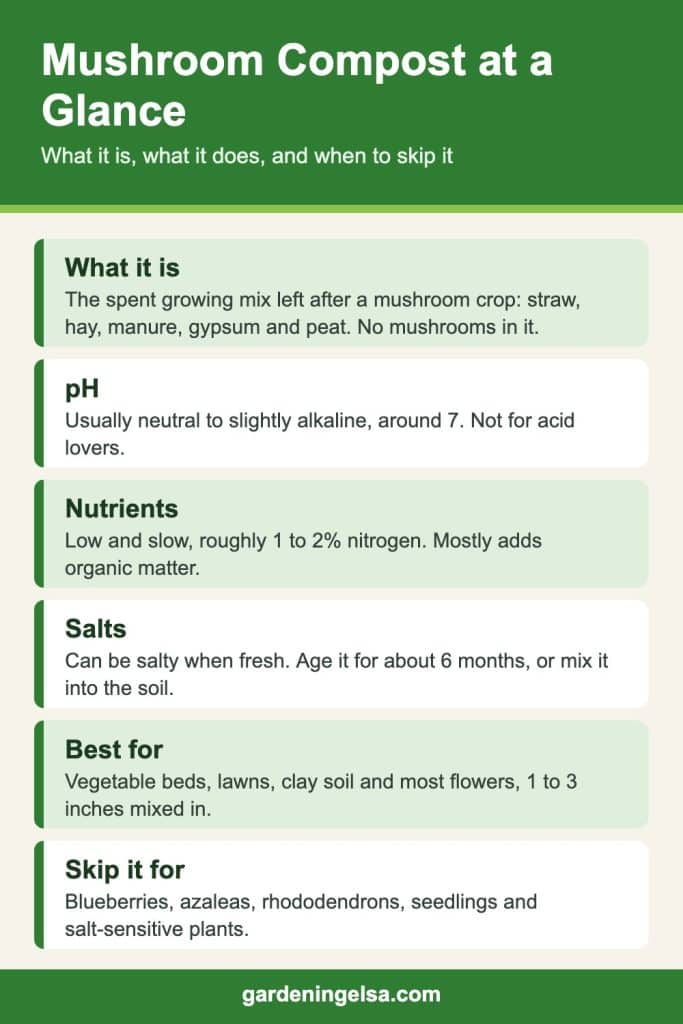
Mushroom compost is made from materials left over after growing mushrooms commercially. It typically contains straw, hay, and other organic matter. Mushroom compost is good for clay soil because it improves soil structure and drainage. The coarse materials in mushroom compost help break up dense clay particles.

Adding mushroom compost to clay soil has several benefits. It increases the soil’s ability to hold water and nutrients. It also makes clay soil easier to work with for planting. Gardeners should be aware that mushroom compost can be high in salts, so it’s best to use it in moderation.

Table of Contents

Understanding Clay Soil Characteristics

Clay soil presents unique challenges and benefits for gardeners. Its dense structure impacts water retention, drainage, and overall soil quality in important ways.


Horticultural Calcined Clay Soil Bonsai Cactus Soil Additive for Succulent Plants (3 LB, 1/8 inch)

Challenges of Working With Clay Soil

Clay soil can be tricky to work with. It gets very hard when dry and sticky when wet. This makes it tough to dig or till. Clay holds water tightly, which can lead to poor drainage and soggy conditions. Plant roots may struggle to grow through the dense soil. Nutrients can also get locked up in clay, making them less available to plants.

Clay soil warms up slowly in spring. This delays planting time for many crops. It can crack and form a hard crust in dry weather. This makes it hard for seeds to sprout and young plants to emerge.

Benefits of Clay Soil in Gardening

Clay soil isn’t all bad news for gardeners. It has some useful traits. Clay holds nutrients well, which means less fertilizer is needed. It retains water better than sandy soils. This helps plants survive dry spells.

Clay provides good support for plant roots. It’s less likely to erode than other soil types. Many plants thrive in clay, like asters, black-eyed Susans, and daylilies. With proper management, clay soil can be very productive.

Adding organic matter improves clay soil over time. This creates air pockets, boosts drainage, and makes the soil easier to work with. Raised beds can also help overcome clay soil issues.

Check out Is Mushroom Compost Good for Azaleas?

Basics of Mushroom Compost

Mushroom compost is a valuable soil amendment made from organic materials used in mushroom farming. It offers benefits for improving soil structure and fertility.


All Natural Mushroom Compost (12 Quarts), Low Odor Rich Supplement for Indoor/Outdoor Potted Plants and Gardening

What Is Mushroom Compost?

Mushroom compost is the leftover growing medium from mushroom farms. It’s made of organic materials like straw, hay, and manure. After mushrooms are harvested, this “spent” compost becomes a useful soil amendment.

Mushroom compost is rich in nutrients. It can hold water well and improve soil texture. Farmers and gardeners use it to boost soil health.

The compost has a dark color and crumbly texture. It often contains bits of straw or other plant matter. Its nutrient content may vary, but it’s usually low in nitrogen.

The Composting Process in Mushroom Farms

Mushroom farms create compost in stages. First, they mix raw materials like straw and manure. This mix is wetted and turned to start decomposition.

The compost heats up as microbes break down the materials. Farmers monitor and adjust moisture and temperature. They turn the piles to add oxygen.

After a few weeks, the compost is pasteurized. This kills pests and diseases. Then it’s cooled and mixed with mushroom spawn.

Mushrooms grow in this compost for several weeks. Once harvesting is done, the spent compost is removed. It’s then aged further before being sold as a soil amendment.

Nutrient Profile and Benefits of Mushroom Compost

Mushroom compost offers a range of nutrients and benefits for clay soil. It improves soil structure, adds organic matter, and boosts microbial activity.


Garick Bg40mcov Organic Valley Mushroom Compost, 40 Lb

Macro and Micronutrient Content

Mushroom compost contains key macronutrients like nitrogen, phosphorus, and potassium. These feed plants and support growth. The exact amounts can vary, but it often has:

  • Nitrogen: 0.7-1.5%
  • Phosphorus: 0.5-1.0%
  • Potassium: 0.5-1.8%

It also provides calcium, magnesium, and sulfur. Micronutrients like iron, manganese, and zinc are present in small amounts. These help with plant processes.

The nutrient content is lower than fresh manure or fertilizer. But it releases slowly over time. This steady supply feeds plants for months.

Improvement of Soil Fertility

Mushroom compost boosts soil fertility in clay in several ways:

  1. Adds organic matter
  2. Improves soil structure
  3. Increases water retention
  4. Enhances nutrient-holding capacity

The organic material helps break up dense clay. This creates air pockets for roots to grow. It also helps clay drain better while still holding some moisture.

The compost’s porous structure holds onto nutrients. This keeps them from washing away. Plants can access these nutrients as needed.


WAUPACA NORTHWOODS WGM03227 Mushroom Compost

Enhancing Microbial Activity

Mushroom compost is full of helpful microorganisms. These tiny life forms improve soil health in many ways:

  • Break down organic matter
  • Release nutrients for plants
  • Create soil structure
  • Suppress some plant diseases

The compost provides food and habitat for these microbes. As they multiply, they boost the soil ecosystem. This leads to healthier plants.

Fungi in the compost form partnerships with plant roots. These help roots take up more water and nutrients. The microbes also produce substances that feed plants.

Check out Is Mushroom Compost Good for a Vegetable Garden?

The Role of Mushroom Compost in Soil Structure

Mushroom compost plays a big part in improving soil structure. It helps make clay soil better for plants to grow in and changes how water moves through the soil.


WAUPACA NORTHWOODS WGM03227 Mushroom Compost

Ameliorating Compacted Clay Soil

Mushroom compost makes clay soil less hard and sticky. It adds organic material that breaks up the tight clay particles. This creates spaces in the soil for air and water. Plants can then grow their roots more easily.

The compost also feeds helpful soil organisms. These creatures make tunnels as they move around. Their waste adds more good stuff to the soil. Over time, the clay becomes looser and easier to work with.

Farmers and gardeners often mix mushroom compost into clay soil before planting. They may add a layer on top too. This keeps working to improve the soil as rain washes it in.

Aiding Water Retention and Drainage

Mushroom compost helps clay soil hold water better, but also lets extra water drain away. The organic matter in the compost acts like a sponge. It soaks up water and keeps it for plants to use later.

At the same time, the compost creates paths for water to flow through the soil. This stops water from sitting on top of the clay, which can drown plants. The improved soil structure lets roots get the air they need too.

The compost also helps sandy soils hold more water. This makes it useful for many types of gardens. Plants grow stronger when they have steady access to water without getting waterlogged.

Check out 15 Vegetables That Like Mushroom Compost

How Mushroom Compost Affects Soil PH and Salinity

Mushroom compost can change soil pH and salt levels. This affects how plants grow and absorb nutrients.


Espoma MC75 0.75 Cubic Ft Mushroom Compost

Balancing PH Levels

Mushroom compost has a pH around 6.6. This is good for most garden plants. It can help balance soil pH.

In clay soil, mushroom compost may slightly raise the pH. This can be helpful if the clay is acidic. For alkaline clay, it won’t make the soil too basic.

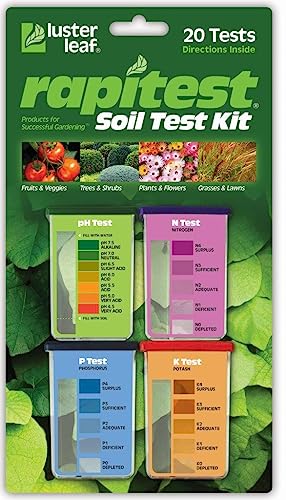
Some plants, like blueberries, need acidic soil. Gardeners should test their soil before using mushroom compost with these plants. They may need to add extra acidic materials.

Mushroom compost works well to adjust pH in most gardens. It creates a good range for plants to take up nutrients. This helps plants grow better and produce more.

Managing Soluble Salts in Soil

Mushroom compost can add salts to soil. These are not table salt but mineral salts plants need to grow.

Too much salt can harm plants. It makes it hard for roots to absorb water. Clay soil already holds onto water, so extra salt can cause problems.

Gardeners should use mushroom compost carefully in clay soil. Mix it well with the existing soil. Water deeply after adding compost to help spread out the salts.

Over time, rain and watering will wash away extra salts. This process happens faster in sandy soil than in clay. In clay soil, it’s best to add small amounts of mushroom compost each year instead of a lot at once.

Mushroom Compost as a Mulch and Top-Dressing

Mushroom compost works great as a mulch and top-dressing for clay soil. It helps improve soil structure, controls weeds, and adds nutrients.


All Natural Mushroom Compost (12 Quarts), Low Odor Rich Supplement for Indoor/Outdoor Potted Plants and Gardening

Surface Application for Weed Control

Mushroom compost makes an effective weed barrier when spread on soil. A 2-3 inch layer on garden beds stops weed seeds from sprouting. The dark color also blocks light weeds need to grow.

For lawns, a thin 1/4-1/2 inch layer of mushroom compost works as a top-dressing. This fills in bare spots and feeds the grass. But don’t use too much, as it can smother existing grass.

Mushroom compost breaks down over time. This adds organic matter to clay soil. It improves drainage and soil structure as it decomposes.

Retention of Moisture and Nutrient Top-Up

As a mulch, mushroom compost helps clay soil hold moisture. It slows evaporation from the soil surface. This keeps plant roots hydrated longer between waterings.

Compost also slowly releases nutrients as they break down. This gives plants a steady food supply. Key nutrients include nitrogen, phosphorus, and potassium.

For clay soil, mushroom compost adds organic matter. This improves soil texture and drainage over time. The compost particles create air pockets in dense clay.

Reapply a fresh layer of mushroom compost mulch each spring. This replaces what has broken down and adds new nutrients to the soil.

Check out How to Use Mushroom Compost in Vegetable Garden?

Using Mushroom Compost with Certain Plants

Mushroom compost can be great for some plants but tricky for others. It’s important to know which plants like it and which don’t.


GRO WELL BRANDS CP Cuft, Mushroom Compost, an Ideal Soil Amendment & for Planting Flowers

Suitability for Vegetables and Edible Gardens

Mushroom compost works well for many vegetables. It gives nutrients to plants and makes soil better at holding water. This is good for vegetable gardens.

Tomatoes often do well with mushroom compost. The compost helps them grow strong and healthy. Other veggies that like it include:

These plants can handle the high salt levels in mushroom compost. It’s best to mix the compost into the soil before planting. This helps spread out the nutrients.

Precautions for Salt-Sensitive and Acidic Soil Plants

Some plants don’t like mushroom compost. Salt-sensitive plants can have trouble with it. The high salt content can harm them.

Plants that need acidic soil also struggle with mushroom compost. It makes soil more alkaline, which these plants don’t like. Examples include:

  • Rhododendrons
  • Azaleas
  • Blueberry bushes

For these plants, it’s better to use other types of compost. If you do use mushroom compost, use very little. Mix it well with the soil and water deeply.

It’s smart to test your soil before adding mushroom compost. This helps you know if it’s right for your plants.

Comparing Mushroom Compost to Other Amendments

Mushroom compost is just one option for improving soil. Let’s look at how it stacks up against other common amendments.


Garick Bg40mcov Organic Valley Mushroom Compost, 40 Lb

Mushroom Compost Versus Manure-Based Composts

Mushroom compost and manure-based composts both add organic matter to soil. Mushroom compost tends to have a higher pH than most manures. This makes it good for acidic clay soils.

Horse manure is often cheaper than mushroom compost. But it can contain weed seeds. Mushroom compost is usually weed-free.

Poultry manure is very high in nitrogen. Mushroom compost has a more balanced nutrient profile. This means less risk of burning plants.

Both mushroom compost and manures improve clay soil structure. They help break up dense clumps. This lets air and water move more freely.

Mushroom Compost and Synthetic Fertilizers

Synthetic fertilizers add nutrients fast. Mushroom compost releases nutrients slowly over time. This steady feed can be better for plants.

Chemical fertilizers don’t improve soil structure. Mushroom compost adds organic matter. This helps clay soil drain better.

Synthetic fertilizers can build up salts in soil. Mushroom compost has some salts too. But it also adds material that helps soil drain. This can help flush out extra salts.

Organic plant fertilizers fall between synthetic and compost. They feed plants faster than compost. But they still add some organic matter to soil.

Practical Tips for Application

Applying mushroom compost to clay soil can greatly improve its structure and fertility. Here are some key tips for using it effectively in your garden.

How Much to Use and When

Add 2-3 inches of mushroom compost to clay soil in early spring before planting. Mix it into the top 6-8 inches of soil. For existing plants, spread a 1-inch layer around them, avoiding direct contact with stems.

Apply compost yearly to maintain soil quality. Use less for sandy soils – about 1 inch per year. Avoid using more than 30% compost in your total soil mix.

Fall is also a good time to add compost. It will break down over winter, improving soil for spring planting.

Incorporating Compost Into Garden Beds

For new beds, spread a 2-3 inch layer of compost over the clay soil. Use a tiller or garden fork to mix it into the top 8-10 inches. This helps break up clay clumps.

In existing beds, add compost between plants. Gently work it into the soil surface with a hand cultivator. Be careful not to damage plant roots.

For raised beds, mix compost with native soil in a 1:1 ratio. This creates a rich growing medium that drains well. Top dress beds with 1 inch of compost each year to replenish nutrients.

Economic and Environmental Aspect of Mushroom Compost

Mushroom compost offers both economic and environmental benefits for gardeners and farmers. It provides a cost-effective soil amendment while promoting sustainable practices in agriculture and waste management.


Garick Bg40mcov Organic Valley Mushroom Compost, 40 Lb

Cost-Effectiveness of Mushroom Compost

Mushroom compost is often cheaper than other soil amendments. Its price varies depending on whether it’s aged or unused. Aged mushroom compost is typically less expensive and ready to use immediately.

Unused mushroom compost may cost more but contains higher nutrient levels. Both types offer good value for organic gardeners looking to improve soil quality.

Using mushroom compost can reduce the need for chemical fertilizers, saving money in the long run. It also helps retain water, potentially lowering irrigation costs.

Sustainability Considerations

Mushroom compost supports sustainable farming practices. It recycles agricultural waste products that might otherwise end up in landfills.

The production of mushroom compost turns byproducts into a useful resource. This process reduces waste and creates a valuable soil amendment.

Organic gardeners appreciate mushroom compost as an eco-friendly option. It improves soil structure and fertility without harsh chemicals.

Using mushroom compost can help restore depleted soils. This practice promotes long-term soil health and reduces reliance on synthetic inputs.

Troubleshooting Common Issues

Using mushroom compost for clay soil can bring great benefits, but a few problems may pop up. Let’s look at how to fix excess salt and avoid plant diseases.

Dealing with Excess Salinity

Mushroom compost can have high salt levels. This may harm some plants. To fix this:

  • Test your soil’s salt content before adding compost.
  • Mix compost with other materials to lower salt levels.
  • Water plants well after applying compost to wash away extra salts.
  • Use less compost if salt buildup is a problem.
  • Wait a few weeks before planting to let salts leach out.

For very salty soil, add gypsum. It helps remove sodium. You can also grow salt-tolerant plants until the soil improves.

Preventing Root Rot and Pests

Wet clay soil with compost can lead to root rot. It may also attract pests. Try these tips:

  • Add sand or perlite to improve drainage.
  • Don’t overwater plants in clay soil with compost.
  • Check for signs of root rot, like wilting or yellow leaves.
  • Remove any diseased plants right away.

To keep pests away:

  • Rotate crops yearly.
  • Use natural pest controls like neem oil.
  • Keep the garden clean of dead plant matter.
  • Look for mushroom spores in the compost. While rare, they can grow if conditions are right.

Frequently Asked Questions

Mushroom compost can be very helpful for clay soil, but it’s important to use it properly. Here are some key things to know about using mushroom compost in clay soil gardens.

What are the benefits of using mushroom compost on clay soil?

Mushroom compost improves clay soil structure. It adds organic matter that helps break up dense clay. This leads to better drainage and aeration. The compost also feeds beneficial soil microbes. These microbes further improve soil quality over time.

Can mushroom compost improve soil structure and fertility for clay soil gardens?

Yes, mushroom compost can enhance clay soil structure and fertility. It loosens compacted clay, allowing roots to spread more easily. The compost adds nutrients that feed plants. It also increases the soil’s ability to hold water and nutrients.

Are there any plants that should not be grown in clay soil amended with mushroom compost?

Some plants may not do well in clay soil with mushroom compost. Salt-sensitive plants could have issues. Mushroom compost can be high in salts. Acid-loving plants may struggle too. The compost can raise soil pH. It’s best to research specific plant needs before using it.

What are the potential disadvantages of using mushroom compost in clay soils?

Mushroom compost can have high salt levels. This may harm some plants. It can also make clay soil more alkaline. Some gardeners find the compost smells bad at first. Overuse can lead to excessive nutrient levels in the soil.

How does mushroom compost compare to other composts for enhancing clay soil?

Mushroom compost works well for clay soil compared to other composts. It has more coarse materials that improve soil structure. The compost is often more nutrient-rich than other types. It’s also usually more processed and uniform in texture.

When is the best time to apply mushroom compost to clay soil?

Fall is a good time to add mushroom compost to clay soil. This gives it time to break down over winter. Spring is also suitable, before planting. Avoid applying during hot, dry periods. The soil should be moist but not waterlogged when adding compost.

Is Mushroom Compost Good for Clay Soil

Conclusion

Mushroom compost can be good for clay soil. It adds organic matter and improves soil structure. This helps with drainage and aeration in dense clay.

The compost provides nutrients for plants. It also helps retain moisture while reducing compaction. These benefits make it easier for roots to grow and thrive.

Using mushroom compost requires some caution. It may have high salt levels at first. Mixing it well with existing soil and letting it settle before planting is important.

For best results, add mushroom compost in moderate amounts. A mix of 1 part compost to 3 parts soil works well for most plants. Adjusting the ratio based on specific plant needs is helpful.

Clay soil takes time to improve. Regular additions of mushroom compost can gradually enhance its quality. This leads to healthier plants and a more productive garden over time.

vegetable garden ideas

10 Vegetable Garden Layout Ideas