
Yes, you can plant cabbage and cauliflower together, as long as you give each plant 18 to 24 inches of room and feed the bed well. They’re the same species, so they like the same cool weather, the same rich soil, and the same steady water.
The catch is that they also share every pest and disease. I’d cover the bed with row covers on planting day, work in a balanced fertilizer before transplanting, and keep a closer eye on the cauliflower, since it’s the fussier of the two.
Why Do Cabbage and Cauliflower Grow Well in the Same Bed?
Cabbage and cauliflower grow well side by side because they’re two forms of one plant with matching needs. That makes care simple, but it also means one problem can hit both crops at once.
If you’re new to cabbage, my guide to growing cabbage covers planting, care and harvest before you plan your companions.
What Their Shared Species Means for Garden Care
Cabbage is Brassica oleracea var. capitata, and cauliflower is Brassica oleracea var. botrytis. Both belong to the Brassicaceae family, along with broccoli, kale, and Brussels sprouts.
Because they’re the same species, they want nearly identical conditions:
- Full sun, at least 6 hours a day
- Cool temperatures, ideally 60 to 70°F
- Rich, well-drained soil with a pH around 6.5 to 6.8
- About 1 to 1.5 inches of water per week
Both are cool-season crops, so you’ll plant them on the same spring or fall schedule. One watering routine and one feeding plan cover the whole bed.
The Benefits and Limits of Growing Them Together
Growing cabbage and cauliflower together saves planning time. You can lay one piece of insect netting over the entire bed and side-dress both crops with the same vegetable fertilizer on the same day.
The limits are real, though. Cabbage worms, aphids, and clubroot don’t care which brassica they find, so a crowded bed becomes one big target.
Both plants are also heavy feeders, which puts a lot of demand on a single patch of soil. I treat the pairing as fine, provided you give it space and attention.
How Should You Space and Arrange Both Crops?
Space both crops 18 to 24 inches apart in rows 24 to 36 inches apart. Good spacing protects your harvest from crowding, disease, and hungry neighbors.
Plant Spacing and Row Widths
Cabbage can go 12 to 24 inches apart depending on variety. Small early types handle 12 inches, while large late types need the full 24.
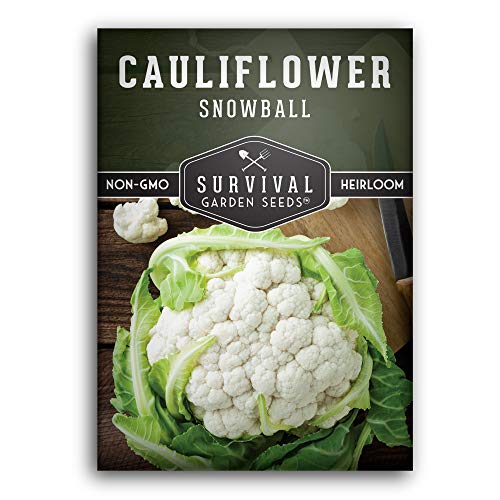
Cauliflower needs 18 to 24 inches. When planting cabbage and cauliflower together in mixed rows, I’d use 18 inches as your minimum between any two plants.
Here’s why it counts:
- Air circulation: Leaves that touch stay damp longer, which invites downy mildew and black rot.
- Nutrient competition: Crowded roots fight for nitrogen, and you get smaller heads.
- Access: You need room to check leaf undersides for eggs and caterpillars.
Leave 24 to 36 inches between rows so you can walk and work without bruising leaves.
Layouts for Raised Beds and Small Gardens
In a 4-foot-wide raised bed, two staggered rows work well. Put plants in a zigzag about 18 inches apart so each one gets its own pocket of light and air. My guide to cabbage spacing in a raised bed covers variety-by-variety numbers.
If you garden by the square foot, plan on 1 plant per square foot. That’s tight for big cauliflower, so I’d choose compact varieties. You can see how that grid works for cabbage in a square foot garden.
What Soil Do Cabbage and Cauliflower Need?
Both crops need rich, well-drained soil loaded with compost and a pH between 6.0 and 7.5. Get the soil right before planting, because fixing it mid-season is slow.

Drainage, Compost, and Soil pH
Soggy soil rots roots and favors clubroot, so drainage comes first. If water puddles for hours after rain, plant in a raised bed or work in plenty of organic matter.
Mix 2 to 3 inches of finished compost into the top 6 to 8 inches of soil. Compost feeds the plants slowly and helps sandy soil hold moisture.

Aim for a soil pH of about 6.5 to 6.8. Adding lime to acidic soil does two jobs: it frees up nutrients and makes conditions harder for clubroot. For a step-by-step plan, see my notes on preparing soil for a vegetable garden.
Why a Soil Test Matters Before Planting
A soil test tells you your pH and nutrient levels, so you’re not guessing with lime or fertilizer. Many state programs offer low-cost mail-in kits, and home kits give a quick pH reading.
I’d test in fall or early spring, a few weeks before transplanting. Lime takes time to shift pH, so earlier is better.
Testing also prevents overfeeding. Too much nitrogen gives cauliflower lush leaves and poor curds.
How Do You Keep the Bed Evenly Watered?
Give the bed about 1 to 1.5 inches of water a week, applied evenly and deeply. Uneven moisture is behind split cabbage heads and stunted cauliflower.
Watering Through Head and Curd Formation
The most sensitive stage is when cabbage heads firm up and cauliflower curds start forming. A dry spell followed by a heavy soak makes cabbage heads crack open.
Cauliflower reacts to drought stress by forming a tiny, early curd. Check soil 2 inches down with your finger. If it’s dry, water.
During hot spells you may need to water two or three times a week. In cool, rainy weeks, skip it.
Using Mulch and Soil-Level Irrigation
Drip irrigation or a soaker hose puts water at the roots and keeps leaves dry. Dry leaves mean less black rot and downy mildew.
Once the soil warms a bit, spread 2 to 3 inches of organic mulch like straw or shredded leaves around the plants. Keep it an inch away from the stems. Mulch holds moisture, keeps roots cool, and smothers weeds.
How Do You Feed Two Heavy Feeders?
Feed this bed generously, because cabbage and cauliflower both pull a lot of nitrogen from the soil. Plan on fertilizing at planting plus two side-dressings.
Fertilizing at Planting and During Growth
Work a balanced fertilizer into the bed at planting, following label rates. Compost alone often won’t cover two heavy feeders.
Then side-dress with a nitrogen-rich fertilizer twice:
- About 3 weeks after transplanting
- When cabbage heads start to form and cauliflower curds appear
Scatter it in a ring a few inches from the stem, scratch it in, and water well. Ease off nitrogen once cauliflower curds are forming, or you’ll grow leaves at the curd’s expense.
Recognizing and Preventing Nutrient Competition
Nutrient competition shows up as yellowing lower leaves, slow growth, and small heads. Purple-tinged leaves can point to low phosphorus, especially in cold soil.
The fixes are straightforward. Keep proper spacing, pull weeds early, and don’t squeeze extra heavy feeders into the gaps. Following a brassica crop with peas or beans the next season helps rebuild nitrogen; I explain that pairing in cabbage and peas together.
How Can You Protect Both Crops From Shared Pests?
Cover the bed from day one, because every pest that eats cabbage eats cauliflower too. Prevention takes far less work than rescue.
Cabbage Worms, Aphids, and Flea Beetles
These are the big three in most US gardens:
| Pest | What You’ll See | Best Control |
|---|---|---|
| Imported cabbageworm | Velvety green caterpillars, ragged holes | Row cover, hand-picking, Bt |
| Cabbage looper | Pale green caterpillar that arches as it moves | Row cover, Bt |
| Diamondback moth | Small larva that wriggles and drops on a silk thread | Row cover, Bt |
| Flea beetles | Tiny shot holes in young leaves | Row cover at planting |
| Cabbage aphids | Gray, waxy clusters under leaves | Water spray, insecticidal soap |
In the South, watch for harlequin bugs. Slugs, rabbits, deer, and groundhogs also love brassicas. My roundup of common vegetable garden pests covers more.
When to Use Covers, Hand-Picking, and Targeted Controls
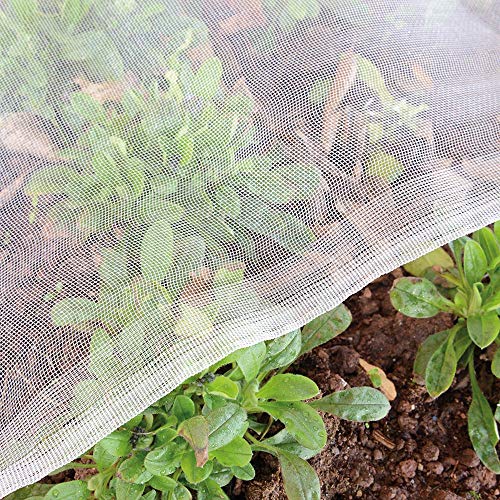
Put insect netting or floating row covers on the day you transplant, and seal the edges with soil or pins. Brassicas don’t need pollinators for a harvest, so the cover can stay on until near harvest.
Check leaf undersides weekly. Hand-pick caterpillars and squash yellow egg clusters.
For heavier caterpillar problems, Bt (Bacillus thuringiensis) works on caterpillars only. Use insecticidal soap for aphids and iron phosphate bait for slugs. Good pest and disease management also includes