
Yes, you can plant cabbage and peas together, as long as the peas climb a trellis on the north side of the bed and each cabbage gets 18 to 24 inches of its own space. Both are cool-season crops, so they want the same chilly spring and fall weather and go into the ground at about the same time.
The pairing works best when you treat it as two crops sharing a bed with a clear plan. Peas grow up, cabbage grows out, and the main risks are shade and crowding. Pests that chew cabbage still show up either way.
Yes, They Can Share a Bed With Room to Grow
Peas and cabbage make fair companion plants because they share timing and soil needs while using different parts of the bed.
A pea row takes up a narrow strip and climbs, while cabbage spreads into a wide, low head that stays put for two to three months.
Why This Cool-Season Pairing Works
Cabbage (Brassica oleracea var. capitata) grows best at 60 to 70°F. Established plants handle hard frost into the low to mid 20s°F, and a light frost sweetens the leaves.
Peas like the same cool stretch and stall once summer heat arrives. That makes them easy partners in a brassica bed: you plant both early, tend them on the same watering schedule, and the peas are usually done before the cabbage heads finish.
The shapes help too. A pea vine on a trellis takes almost no ground space, so you get a second crop from a strip of soil you’d otherwise leave bare along the bed edge.
I’d call this a practical pairing. The nitrogen story you hear about it is mostly overstated, and I cover that further down.
Start With Cabbage Seeds and Pea Trellis Netting
You only need a few things to set this up. Start with cabbage seeds or healthy transplants of a variety sized for your bed. Small early types stay compact, and big late types need lots of room.
For the peas, pea trellis netting stretched between two sturdy stakes is the simplest support. Tall vining peas need netting 5 to 6 feet high, while shorter snap and shelling types do fine on 3 to 4 feet.
Set the trellis up before you sow. Pushing stakes into the bed after seedlings come up can damage pea roots and young cabbage roots nearby.
When Should You Plant Peas and Cabbage?
Both crops go in 2 to 4 weeks before your last spring frost, which makes planting peas and cabbage together on the same weekend easy. Fall planting works too, with more care around summer heat.
Spring Timing Around the Last Frost
Start cabbage seed indoors 6 to 8 weeks before your last spring frost. Sow it 1/4 to 1/2 inch deep; it sprouts in about 4 to 10 days at 65 to 75°F.
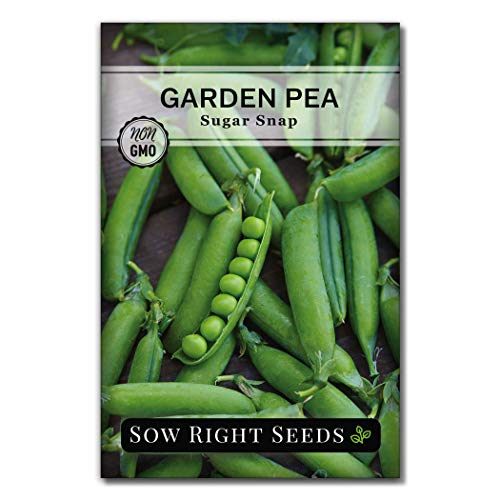
Harden the seedlings off for a week, then transplant them 2 to 4 weeks before the last frost. Sow pea seed directly in the bed at the same time, once the soil can be worked and isn’t soggy.
Watch for one trap. Young cabbage plants with stems about as thick as a pencil can bolt if they sit at 40 to 50°F for several weeks. If a long cold snap hits right after transplanting, cover them with row cover.
| Region | Spring planting window (approx.) | Fall planting notes |
|---|---|---|
| Northeast and Upper Midwest (zones 3 to 5) | Mid-April to mid-May | Start cabbage in early summer; peas are harder to fit |
| Mid-Atlantic and Pacific Northwest (zones 6 to 7) | Mid-March to mid-April | Good fall crop for cabbage; fall peas are possible |
| Southeast and lower Plains (zone 8) | Late February to March | Fall is often the better season |
| Deep South, Gulf Coast, Southwest (zones 9 to 10) | Spring is short and risky | Grow both through fall and winter |
Fall Planting and Regional Heat Limits
For a fall crop, start cabbage 10 to 12 weeks before your first fall frost. In zones 8 to 10, cabbage grows right through fall and winter.

Fall peas are trickier. The seed has to sprout in late-summer heat, and the vines need to flower before hard freezes. Short-season snap peas give you the best odds.
Above about 80°F, cabbage heads turn loose or bitter, or the plants bolt. In the Southeast and Southwest, I’d plant this pair for fall and winter, when temperatures stay in their comfort range.
Keep crop rotation in mind when you pick the spot. Don’t put cabbage where any brassica grew in the last 3 to 4 years.
Where Should the Pea Trellis Go?
Put the pea trellis along the north side of the bed, so the vines never shade the cabbage. That one choice solves most of the trouble with this pairing.

Put Tall Peas on the North Side
In the US, the sun tracks across the southern sky. A trellis on the north edge casts its shadow away from the bed, and a trellis on the south side shades everything behind it.
If your bed runs north to south, put the trellis on the north end and plant cabbage in the sunny rows toward the south. Cabbage needs at least 6 hours of direct sun a day to form good heads.
The same rule applies to other tall plants. Sunflowers and other big crops planted south of the cabbage will steal light by midsummer, so I’d keep sunflowers on a far north edge or in a separate bed.
Protect Sunlight and Airflow as Cabbage Grows
Leave at least 12 inches of open soil between the pea row and the first cabbage plant. Mature cabbage leaves spread wide, and pea vines lean outward as they fill in.
Good air circulation keeps leaves dry after rain, which cuts down on downy mildew and other leaf diseases. A wall of damp pea vines pressed against cabbage leaves holds moisture right where you don’t want it.
Tie in wandering pea tendrils once a week so the vines stay on the netting. Anything flopping toward the cabbage gets clipped or redirected.
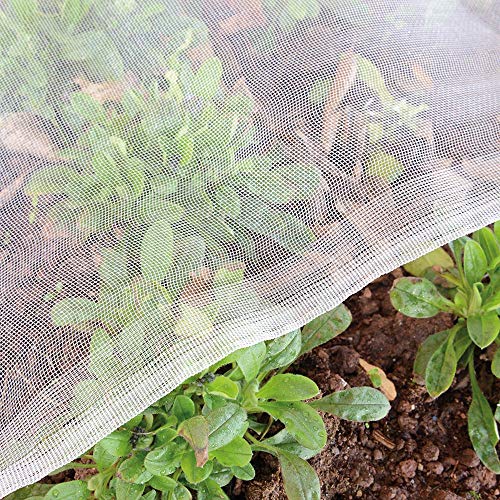
In hot parts of the South and Southwest, a little afternoon shade from the peas can help cabbage late in spring. Keep that shade light and brief, never all day.
How Much Space Do Both Crops Need?
Cabbage needs far more room than most gardeners expect, while peas need very little. Plan the bed around the cabbage first, then fit the pea row along its edge in well-drained soil.
Space Cabbage for Its Mature Head Size
Space cabbage 12 to 24 inches apart in rows set 24 to 36 inches apart. Small early varieties can sit 12 inches apart, and large late types need the full 24 inches.
Crowded cabbage makes small heads and poor airflow. Each plant forms one main head, and small early varieties weigh about 1 to 3 pounds, while large late types reach 4 to 8 pounds or more.
A companion planting chart might list these two as good neighbors, but no chart tells you the spacing. Use the variety’s mature size on the seed packet as your guide.
Sow Peas Along a Separate Supported Row
Sow pea seeds about 1 inch deep and 2 inches apart along the base of the trellis. You can plant a double row, one on each side of the netting, to fill it faster.
Keep the pea row as its own strip. Scattering peas between cabbage plants gives you tangled vines with nothing to climb and blocks light from the cabbage.
If you like a grid system, the method for how to grow peas in a square foot garden works well along the north edge of a raised bed.
Adjust the Layout for a Raised Bed
In a raised bed, give most cabbage varieties about 18 inches, small early types 12 inches, and large late types 24 inches. In square-foot gardening, plan 1 plant per square foot for compact varieties.
A 4 x 8 foot bed laid out this way works well:
- A trellis along the north 8-foot side, with peas sown on both sides of it
- A 12-inch gap of open soil south of the trellis
- Two rows of cabbage at 18 inches apart, for about 10 plants
- Quick crops like radishes tucked into the gaps early in the season
If you use grids, my notes on growing cabbage in a square foot garden show how to fit compact varieties into each square.
Do Peas Feed Cabbage Nitrogen?
Peas add only a small amount of nitrogen to the soil during the season, so cabbage won’t get much from its neighbor while both are growing. Most of the benefit arrives later, after pea roots break down.
What Nitrogen Fixation Actually Does
Peas are legumes. Bacteria living in small bumps on their roots, called nodules, pull nitrogen from the air and turn it into a form the pea plant can use.
That process is called nitrogen fixation, and it mostly feeds the pea itself. Very little of that nitrogen leaks out to neighbors while the pea is still alive and growing.
Soil nitrogen rises once the pea roots and nodules die and decay. That’s why the real gain shows up for the next crop in that spot, and it’s a small, slow gain in soil fertility.
Why Cabbage Still Needs Its Own Feeding
Cabbage is a heavy nitrogen feeder, and peas can’t keep up with its needs. If you skip feeding because peas are nearby, expect pale leaves and small heads.
Side-dress cabbage twice:
- About 3 weeks after transplanting, scratch a nitrogen-rich fertilizer or compost into the soil around each plant.
- Again when the heads start to form, at the same rate.
Keep that fertilizer on the cabbage side of the bed. Peas don’t need extra nitrogen, and too much pushes leafy vines with fewer pods.
How Do You Prepare Soil and Water This Pair?
Both crops want rich, well-drained soil and steady moisture, so you can prepare the whole bed at once. The only difference is how much fertilizer each side gets.
Add Compost Without Overfeeding Peas
Good soil preparation starts a few weeks before planting. Work 2 to 3 inches of finished compost into the top 6 to 8 inches across the whole bed.
Aim for a pH between 6.0 and 7.5, with 6.5 to 6.8 ideal for cabbage. If your soil tests acidic, add lime in the fall or early spring; it helps prevent clubroot, a serious brassica disease.
Compost suits both crops. Save any extra fertilizer for the cabbage rows only. For a step-by-step plan, see my guide to preparing soil for a vegetable garden.
Heavy clay that stays wet rots pea seeds and stresses cabbage roots. A raised bed or extra compost fixes most drainage problems.