
If you’re planting most cabbage varieties in a raised bed, I’d set them about 18 inches apart, measured from the center of one plant to the center of the next.
For most cabbage in a raised bed, plant 18 inches apart; use 12 inches for small early types and 24 inches for big storage varieties.
That spacing sounds generous when you’re setting out a 4-inch seedling. A full-grown cabbage can spread its outer leaves 2 feet or more, though, and those leaves are what feed the head.
Give them room, and you get firm, heavy heads with fewer pest and disease problems.
Start with 18 Inches Between Most Cabbage Plants
Eighteen inches is the spacing I recommend for most gardeners. It fits standard green, red, and savoy heads, leaves room for air to move, and still uses raised bed space well.
If you’re asking how far apart to plant cabbage, this is the number to start with, and you can adjust from there.
How to Measure Spacing from Plant Center to Plant Center
Cabbage spacing always means the distance between the main stems. It doesn’t mean the gap between the edges of the leaves. I keep a tape measure in the bed while planting, because guessing by eye nearly always ends with plants set too close.
Here’s a simple way to mark the bed:
- Lay the tape measure along one long side of the bed.
- Push a stick or plant label into the soil every 18 inches.
- Measure the next row the same way, shifting it 9 inches so the plants zigzag.
- Plant each seedling right where a marker stands, then pull the marker out.
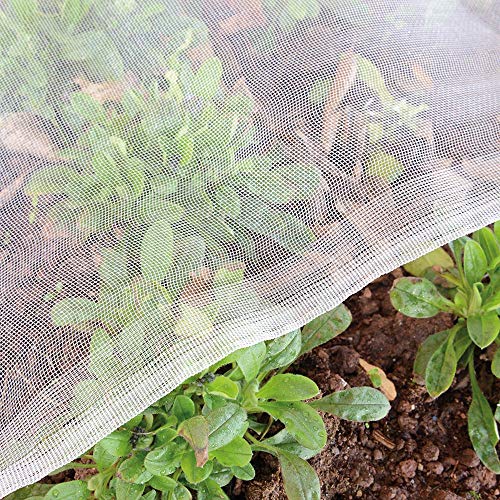
This zigzag (staggered) pattern lets each plant reach into the open space beside it. Once the bed is planted, cover it with insect netting right away so cabbage butterflies and moths can’t lay eggs on the young leaves.
When to Choose 12 or 24 Inches Instead
Go down to 12 inches when you’re growing small early varieties or want softball-sized heads for one or two people. Tight spacing works best in rich soil that you water often.

Go up to 24 inches for large late storage types, or when your soil is poor or dries out fast. The extra room gives roots more soil to search for water and food.
It also helps in humid places like the Southeast, where damp leaves invite disease.
How Does Cabbage Variety Change the Spacing?
Mature head size sets the spacing. Small early cabbages fit at 12 inches, standard heads want 18, and big late storage types need about 24 inches to fill out.
All cabbage varieties are the same species, Brassica oleracea var. capitata (savoy is var. sabauda).
The size differences between them are still large, so check the seed packet for days to maturity and expected head size before you plant.
Compact Early Varieties at 12 Inches
Early cabbages mature in about 60 to 70 days after transplanting and form heads of about 1 to 3 pounds. Their leaves stay fairly tight, so 12 inches between plants is enough.
These are the types I’d pick for spring in short-season areas like the Upper Midwest and the Northeast. They head up before summer heat arrives.
They also suit small beds, and they’re a good choice if you’re growing cabbage in containers, where I’d use at least a 5-gallon pot that’s 12 inches deep.
Standard Heads at 18 Inches
Mid-season green and red cabbages and most savoy types take about 75 to 90 days from transplant. Savoy runs about 80 to 90 days. These plants spread wider, and their outer leaves need sunlight to build a solid head.
Eighteen inches lets neighboring leaves just touch at maturity. That light overlap shades the soil and holds down weeds, but air can still move through the bed.

Large Storage Varieties at 24 Inches
Late storage cabbages need 80 to 100 days or more and can make heads of 4 to 8 pounds or more. Their leaf spread often reaches 2 feet across.
At 24 inches apart, each plant gets enough soil and light to finish a heavy head. These suit fall crops, when the plant has a long, cool stretch to size up.
| Cabbage type | Days from transplant | Typical head weight | Raised bed spacing |
|---|---|---|---|
| Early/compact | 60 to 70 | 1 to 3 lb | 12 inches |
| Standard and savoy | 75 to 90 | 2 to 4 lb | 18 inches |
| Late/storage | 80 to 100+ | 4 to 8+ lb | 24 inches |
How Many Plants Fit in a Raised Bed?
A 4-by-8-foot bed holds about 8 cabbages at 18-inch staggered spacing. If you grow small varieties for small heads at one plant per square foot, it holds up to 32.
Your raised bed layout depends on which you’d rather have: fewer big heads or many small ones.
An 18-Inch Layout for a 4-by-8-Foot Bed
I’d plant two rows running the long way, each set about 12 inches in from the long sides. That puts the rows about 24 inches apart. Space the plants about 24 inches apart along each row, and offset the second row by 12 inches.
That layout gives you about 4 plants per row, or 8 in total. Every plant ends up at least 18 inches from its neighbors, with a little room to spare for the outer leaves.
It’s the setup I’d suggest for standard heads in most of the US.
When One Plant per Square Foot Makes Sense
Square foot gardening places one cabbage in each 12-by-12-inch square. That works well for compact early varieties and for gardeners who’d rather harvest small heads often. I go over the details of cabbage in a square foot garden in a separate guide.
At this density, the heads stay smaller, and you’ll need to water and feed more often. Plant full-size storage varieties this tightly and they won’t have room to form good heads.

Where to Leave Room Along Bed Edges
I keep plants at least 9 to 12 inches in from the bed edges. That gives roots a full spread of soil instead of running into the wall of the bed.
It also leaves a strip where you can reach in to check under leaves for caterpillars. Outer leaves can lean over the edge a bit later in the season, which frees up more space inside the bed.
How Deep Should the Bed Be, and What Soil Does Cabbage Need?
Cabbage does well in a raised bed that’s at least 10 to 12 inches deep and filled with rich, crumbly, well-drained soil. Soil quality matters as much as spacing here, because crowded roots in thin soil can’t support a big head.
Allow at Least 10 to 12 Inches of Soil Depth
Most cabbage roots feed in the top foot of soil. A bed that’s 10 to 12 inches deep gives them plenty of room, especially if the ground underneath is loose.
If your bed sits on hard clay or pavement, I’d go 18 inches deep. Deeper soil holds more moisture, so heads keep growing between waterings.
Prepare Fertile, Well-Drained Soil Before Planting
Growing cabbage takes a lot of food from the soil. Before planting, I’d mix 2 to 3 inches of finished compost into the top 6 to 8 inches of the bed.
Aim for a soil pH of 6.5 to 6.8, though cabbage handles anywhere from 6.0 to 7.5. If a soil test shows acidic soil, add lime.
Lime also helps prevent clubroot, a soil disease that swells and twists brassica roots. My notes on preparing soil for a vegetable garden explain how to test and amend a bed step by step.
When Should You Plant Cabbage for Spring or Fall?
Plant cabbage so the heads form in cool weather. Cabbage grows best between 60 and 70°F, and heads turn loose or bitter, or the plants bolt, once temperatures stay above about 80°F.
Knowing when to plant cabbage matters as much as how far apart you set it.
Start Spring Plants Before the Last Frost
For a spring crop, start seeds indoors 6 to 8 weeks before your last spring frost. Sow them 1/4 to 1/2 inch deep. They sprout in about 4 to 10 days at 65 to 75°F.
Harden off the seedlings for about a week, then plant them out 2 to 4 weeks before the last frost. Watch out for long cold snaps.
Young plants with stems as thick as a pencil that sit at 40 to 50°F for several weeks can bolt instead of heading.
Time Fall Planting for Cooler Weather
For a fall crop, start seeds 10 to 12 weeks before your first fall frost. In the North that usually means June, with transplanting in July.
Established cabbage handles hard frost into the low to mid 20s°F, and a light frost sweetens the heads. In zones 8 to 10, including much of the Southeast, Southwest, and Gulf Coast, cabbage grows through fall and winter instead of spring.
Why Does Spacing Matter for Airflow and Disease?
Good spacing lets leaves dry quickly after rain or watering, and that cuts the chance of fungal and bacterial problems. It also makes pests easier to spot before they get into the heads.
Give Broad Leaves Room to Dry
Cabbage leaves are wide and waxy, and the lower ones sit close to the soil. When plants crowd together, humid air stays trapped between them for hours.
That dampness invites downy mildew and helps black rot spread from leaf to leaf. At 18 inches apart, a breeze can reac