
A bush zucchini plant needs a 2 x 2 block of four squares in a standard grid bed, and big, sprawling types can claim up to nine squares.
For zucchini in a square foot garden, I give each bush plant at least four squares, or I tie it to a sturdy stake so it fits in about two squares.
That’s more room than most crops on the grid get, and it surprises a lot of new gardeners. One healthy plant still gives you a steady supply of squash for weeks, so you can plant fewer zucchini seeds and spend the extra space wisely.
How Many Squares Does One Zucchini Plant Need?
One bush zucchini plant needs four squares on the ground and about two squares when you grow it upright. The difference comes down to whether the leaves spread out or climb up a support.
Spacing for Bush Zucchini
In square foot gardening, the usual bed is 4 x 4 feet, split into sixteen 1-foot squares. Most crops fit one, four, nine, or sixteen plants per square. Zucchini breaks that pattern.
A compact bush zucchini still spreads its leaves 2 to 3 feet wide. That’s why I plant one in the center of a 2 x 2 block. Larger types like Black Beauty can push into a 3 x 3 block of nine squares.
Here’s how the numbers look in a 4 x 4 bed:
| Growing method | Squares per plant | Plants in a 4 x 4 bed |
|---|---|---|
| Compact bush, on the ground | 4 | Up to 4 (I’d stop at 2) |
| Large bush, on the ground | 9 | 1 |
| Bush, trained up a stake | About 2 | 2 to 3, with room for other crops |
You’ll see claims online of one zucchini per square foot. In my view, that leads to crowded leaves, poor airflow, and powdery mildew by midsummer.
How Vertical Support Changes the Plant Count
Growing zucchini upright cuts its footprint about in half. A bush zucchini forms one thick central stem, and you can tie that stem to a sturdy stake as it grows.
I’d use a stake that stands 4 to 5 feet above the mix and goes at least 6 inches deep. Wood, bamboo, or metal conduit all work. A trellis panel also works if you want to support two or three plants together.
With support, the leaves stack up the stem. That lets you fit about one plant per two squares and keeps fruit off the damp mix.
Which Zucchini Varieties Fit a Small Bed?
Compact bush zucchini varieties fit a grid bed best. Check the plant habit and width on the packet before you buy.

Compact Bush Types vs. Larger Plants
Zucchini comes in two growth habits. Bush types grow from a single central stalk, while vining types send out runners 6 to 10 feet long. For a 4 x 4 bed, I stick with bush types.
Some good small-bed picks:
- Patio Star: a very compact bush bred for small spaces, with full-size green fruit.
- Eight Ball: round, softball-size fruit on one of the most compact plants you can find.
- Astia: an open plant with fewer leaves, so you spot fruit easily.
- Raven: long leaf stems and an open shape that helps airflow.
- Gold Rush: bright yellow fruit that’s easy to find under the leaves.
- Black Beauty: a classic heirloom that needs closer to a 3 x 3 foot patch.
Vining Italian types like Tromboncino and Costata Romanesco grow big. Save those for a tall trellis on the north side, and give them more squares.

What to Check on a Seed Packet
A seed packet tells you most of what you need. Look for these details:
- Growth habit: “bush,” “compact,” or “container” fits the grid. “Vining” needs a trellis.
- Mature width: under 3 feet is ideal for a four-square block.
- Days to maturity: most zucchini give first fruit in about 45 to 55 days. Short-season gardeners in the Northeast and upper Midwest should pick the low end.
- Disease resistance: codes like “PM” mean powdery mildew tolerance, which helps a lot in tight beds.
Packets often list spacing for rows, such as 2 to 3 feet apart. In the grid, translate that to a 2 x 2 or 3 x 3 block.
When Should You Plant Zucchini?
Plant zucchini after your last spring frost, once the soil is above 65°F. It’s a warm-season crop and stalls in cold mix.
Frost Dates and Soil Temperature
Zucchini can’t handle frost, and nights below 40°F stunt young plants. I’d wait until nights stay above 50°F and the soil reads at least 65°F with a soil thermometer. Seeds sprout fastest around 70°F.
Raised beds warm up sooner than ground soil in spring. Even so, direct sowing works best about 2 to 3 weeks after the last frost date. Transplants can go out 1 to 3 weeks after that date.
If you start seeds indoors, sow them 2 to 4 weeks before transplant day. Harden them off for about a week first.
Adjusting the Planting Window for Your Region
Your USDA zone and last frost date set the window. Here’s a rough guide:
- Northeast and upper Midwest (zones 3 to 6): late May to mid-June. You need at least 60 frost-free days.
- Mid-Atlantic and lower Midwest (zones 6 to 7): mid-May.
- Southeast and Texas (zones 8 to 10): March to April, plus a second planting in late summer for fall.
- Southwest deserts: late winter or late summer. Plants struggle above 95°F, so give afternoon shade.
- Pacific Northwest: late May to June, once the soil warms.
A second sowing about six weeks after the first gives you fresh plants when the first ones tire out.
Prepare the Bed and Soil Mix
Zucchini needs a sunny bed and loose, rich mix at least a foot deep. Get both right before planting day.
Give Roots Enough Depth and Sun
Most crops in square foot gardening grow fine in 6 inches of mix. Zucchini roots go deeper, so I’d aim for 12 inches. A bed 18 inches deep is even better.
Pick a spot with 6 to 8 hours of direct sun. If you garden in the hot Southwest or deep South, morning sun with some afternoon shade keeps plants from wilting.
Put your zucchini block at a corner or edge of the bed. The leaves can spill over the side and leave interior squares open for smaller crops.
Mix Compost, Coir or Peat, and Vermiculite
The classic square foot gardening soil mix is equal parts by volume of three ingredients:
- Blended compost from several sources
- Coco coir or peat moss
- Coarse vermiculite
This mix drains fast, stays loose, and never needs tilling. Zucchini is a heavy feeder, so I’d work an extra trowel or two of compost into each square of its block.
Zucchini likes a pH of 6.0 to 7.0. A simple home test kit tells you if you need to adjust before planting.
How to Plant Seeds or Transplants
Direct-sown zucchini grows strong because it never deals with root disturbance. Transplants give you a head start in short-season areas if you handle them gently.
Direct-Sow and Thin Seedlings
Here’s how I’d sow zucchini seeds in the grid:
- Mark the center point of your 2 x 2 block, or the stake’s base if growing upright.
- Push 2 or 3 seeds about 1 inch deep, a couple of inches apart.
- Firm the mix lightly and water well.
- Keep the mix evenly moist. Seeds sprout in 7 to 10 days in warm mix.
- When seedlings have their first true leaves, snip the weaker ones at the soil line with scissors.
Snipping is better than pulling. Pulling can tear the roots of the seedling you’re keeping.
Set Out Transplants Without Disturbing Their Roots
Squash plants hate root disturbance, so treat transplants with care. Pick seedlings with 2 to 3 true leaves and roots that hold the pot’s shape.
Water the pot an hour before planting. Tip the plant out, set it in a hole the same depth, and fill around it without pressing on the roots.
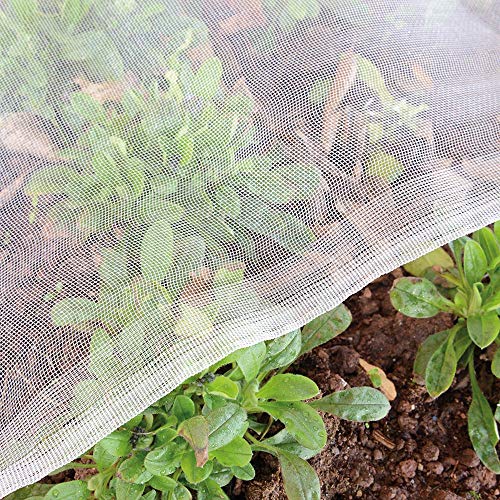
Water deeply right away. A light row cover for the first week shields young plants from cold nights and early squash bugs.
Support and Lay Out Plants in the Grid
Good layout keeps zucchini from shading the rest of your bed. Support placement and tying habits make the biggest difference.
Place a Strong Support on the North Side
Tall crops and supports belong on the north side of the bed. That way the zucchini doesn’t block sun from shorter crops to the south.
Drive the stake before you plant so you don’t stab roots later. Set it 2 to 3 inches from where the seed or transplant goes. A stake on the side facing the prevailing wind lets wind push the stem toward the support.
If you’re also growing climbers, the same north-side trellis plan works for pole beans in square foot gardening.
Tie Stems Upright Without Crowding Nearby Squares
Start tying when the plant reaches 8 to 10 inches tall. Use soft ties like garden twine, cloth strips, or stretchy plant tape.
Loop each tie in a figure eight between stem and stake so the stem doesn’t rub. Add a new tie every 6 to 8 inches of growth, and loosen old ties every week or so as the stem thickens.
Once fruit starts forming, remove leaves below the lowest fruit. Cut them cleanly at the main stem. This opens airflow and keeps leaves from flopping onto neighboring squares.
Water and Feed for Steady Growth
Zucchini needs about 1 inch of water a week, more during heat waves, delivered at the base. Steady moisture and moderate feeding keep fruit coming.