
Growing a productive vegetable garden requires smart plant placement decisions. Gardeners often wonder about combining different crops to maximize their growing space and create beneficial partnerships through companion planting.
You can plant eggplant and cucumber plants together since they share similar needs for warmth, sunlight, and soil conditions. These warm-season vegetables can thrive in the same garden bed when appropriately spaced. The key is giving each plant enough room – about 24-36 inches apart prevents competition for nutrients and allows proper air flow.
Smart planning helps avoid potential issues when growing these vegetables as neighbors. While they can coexist, both plants spread as they grow and need regular monitoring to keep them from overshadowing each other. Good garden design accounts for their eventual size and growth habits to ensure a successful harvest of both crops.
Understanding Companion Planting
Companion planting helps vegetables grow better together through natural pest control, improved pollination, and efficient use of garden space. Smart plant combinations can make your garden more productive and healthier.

Benefits of Companion Planting
Companion planting creates a natural pest barrier by confusing harmful insects with diverse scents and appearances. Some plants release chemicals that deter pests from their neighbors.
Plants working together can improve soil quality. Deep-rooted plants bring nutrients up for shallow-rooted neighbors to use.
The right plant combinations attract beneficial insects like bees and ladybugs. These helpful visitors pollinate flowers and eat pest insects.
Growing compatible plants together saves valuable garden space. Tall plants can provide shade and support for shorter ones.
Principles of Companion Planting
Plant height matters when pairing vegetables. Taller plants should grow on the north side to avoid shading shorter ones.
Plants need enough space to grow without competing. Each vegetable requires specific amounts of water, nutrients, and root space.
Some plants make good neighbors because they:
- Have different nutrient needs
- Grow at different rates
- Use different soil depths
- Release helpful compounds
Common Companion Planting Myths
Not all traditional companion planting advice is backed by science. Some claimed benefits lack research support.
Plant combinations that work in one garden may fail in another due to different soil types, climate, and growing conditions.
The idea that certain plants always help or harm others is too simple. Success depends on many factors like:
- Soil quality
- Weather patterns
- Plant spacing
- Garden management
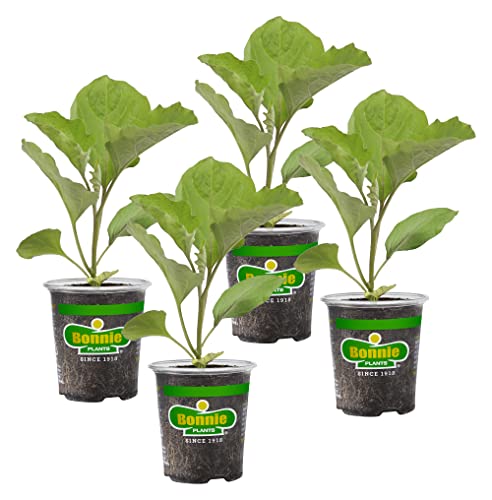
The Fundamentals of Growing Eggplants
Growing eggplants requires specific soil conditions, proper sunlight exposure, and careful attention to pest management. These plants need the right balance of nutrients and care to produce healthy, tasty vegetables.
Soil Requirements
Eggplants thrive in rich, well-draining soil with a pH between 6.0 and 6.8. A soil test can help determine if amendments are needed.
Mix in 2-3 inches of compost before planting to improve soil structure and add nutrients. This organic matter helps retain moisture while preventing waterlogged conditions.
Add a balanced organic fertilizer (5-5-5) during planting time. Space plants 24-36 inches apart to give roots room to grow.
Sunlight and Watering Needs
Eggplants need at least 6-8 hours of direct sunlight daily. Choose a spot away from tall structures or trees that could block light.
Water deeply and consistently, providing 1-1.5 inches of water per week. Use mulch to keep soil moisture steady and reduce water evaporation.
Check soil moisture by inserting a finger 2 inches deep – if it feels dry, it’s time to water. Morning watering helps prevent leaf diseases.
Pest and Disease Management
Common eggplant pests include flea beetles, aphids, and tomato hornworms. To protect young plants from insects, use floating row covers.
Natural pest control methods:
- Handpick larger insects
- Spray with neem oil
- Plant marigolds nearby to repel pests
- Release beneficial insects like ladybugs
Watch for signs of disease like yellowing leaves or spots. Remove infected plant parts promptly. Good air circulation between plants reduces disease risk.
Rotate eggplant locations yearly to prevent soil-borne diseases. Clean garden tools between uses to stop disease spread.
Cultivating Cucumbers
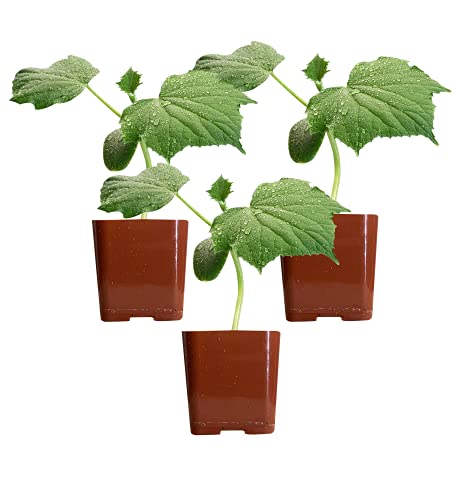
Cucumbers need specific growing conditions and proper care to produce a bountiful harvest. The right temperature, soil, spacing, and pollination make all the difference in growing healthy cucumber plants.
Optimal Growing Conditions
Cucumbers thrive in warm temperatures between 70-85°F. They require full sun with 6-8 hours of direct sunlight daily.
The soil should be rich in organic matter and have good drainage. To improve soil quality, add compost or aged manure before planting. Maintain a soil pH between 6.0 and 6.8.
Water cucumber plants deeply and regularly, keeping the soil moist but not waterlogged. Apply a 2-inch layer of mulch around plants to retain moisture and prevent weeds.
Spacing and Support
Plant cucumber seeds 1 inch deep and 12 inches apart in rows. Space rows 3-5 feet apart to give vines room to spread.
Install trellises or support structures at planting time. Vertical growing saves garden space and keeps fruits clean and straight.

Support Options:
- Wire fencing
- Wooden trellises
- Metal tomato cages
- String systems
Pollination and Harvesting
Bees and other insects pollinate cucumber flowers. Plant bee-friendly flowers nearby to attract pollinators.
Pick cucumbers when they reach 6-8 inches long and are still dark green. Check plants every 2-3 days during peak season.
Regular harvesting encourages more fruit production. Remove any yellow or oversized cucumbers promptly.
Store fresh cucumbers in the refrigerator for up to one week. Avoid washing them until ready to use.
Companion Planting Strategies for Eggplants and Cucumbers
Growing eggplants and cucumbers together requires careful planning to manage space, nutrients, and growing conditions. Strategic placement and proper companion planting techniques help create an environment where both crops can thrive.
Plant Compatibility
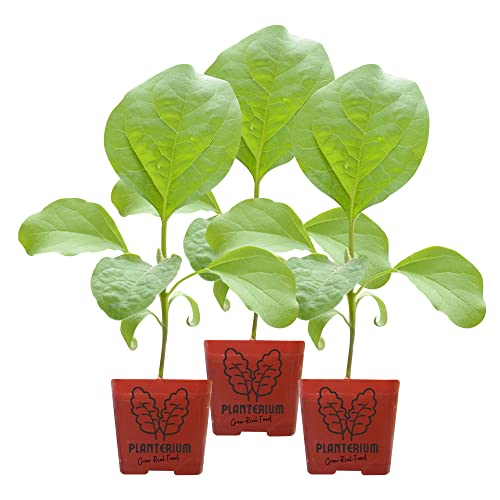
Eggplants and cucumbers can grow together when given enough space. Each plant needs at least 18-24 inches between them to prevent competition.
Both plants benefit from similar companion herbs like dill and oregano. These herbs attract beneficial insects that help with pollination and pest control.
Some plants work better with one crop than the other. Beans and peas help eggplants, while nasturtiums and radishes benefit cucumbers.
Resource Management
Each plant needs specific nutrients to grow well. Eggplants are heavy feeders that need lots of nitrogen, while cucumbers need more balanced nutrition.
To provide nutrients for both crops, add compost to the soil before planting. Then, use mulch around the plants to retain moisture and reduce competition.
Water deeply at soil level to prevent leaf diseases. Both plants need consistent moisture but hate wet leaves.
Creating a Supportive Microclimate
Trellises help both plants grow upward, saving garden space. This vertical growth creates better air circulation and reduces disease risk.
Plant taller crops on the north side to prevent shading. This placement ensures both plants get enough sunlight throughout the day.
Consider adding marigolds or calendula nearby. These flowers create a protective barrier against harmful pests while attracting pollinators.
Add straw mulch between plants. This helps maintain soil moisture and temperature, creating ideal crop growth conditions.
Complementary Plants and Their Roles
Growing the right companion plants with eggplants and cucumbers creates a balanced garden ecosystem that naturally controls pests and improves plant health.
Flowering Companions for Pest Control
Marigolds stand out as essential companions for both eggplants and cucumbers. Their bright flowers release chemicals that drive away harmful insects like aphids and nematodes.
Nasturtiums serve as trap crops by attracting pests away from your main vegetables. Their colorful blooms also bring in helpful pollinators like bees and butterflies.
Plant these flowers in borders around your vegetable beds. Space them 12-18 inches apart to create an effective protective barrier.
Vegetables That Enhance Growth
Peas and bush beans improve soil quality by fixing nitrogen. This extra nutrition helps both eggplants and cucumbers produce better yields.
Lettuce works well as ground cover between taller plants. It helps retain soil moisture and prevents weed growth.
Give each plant proper spacing:
- Peas: 3-4 inches apart
- Bush beans: 4-6 inches apart
- Lettuce: 6-8 inches from main crops
Herbs for Healthy Companionship
Dill attracts beneficial insects that eat harmful pests. Its shallow roots don’t compete with deeper-rooted vegetables.
Plant dill seeds every few weeks for continuous blooms. Keep it 18-24 inches away from cucumbers and eggplants.
Basil repels many garden pests while improving the growth of nearby plants. Place basil plants between your cucumbers and eggplants, spacing them 12 inches apart.
Managing Soil Health and Fertility
Good soil health is essential when growing eggplants and cucumbers together. Both plants need well-draining soil with a pH between 6.0 and 6.8.
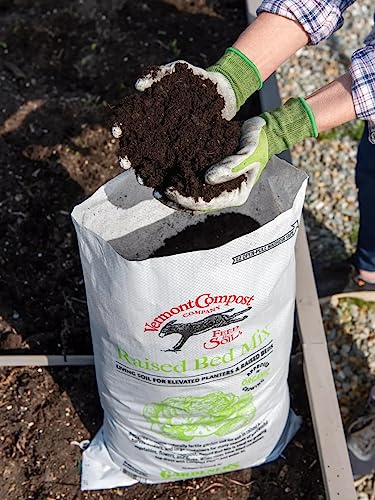
Adding organic matter like compost helps create the perfect growing environment. Mix compost into the top 6-8 inches of soil before planting to improve fertility and drainage.
Crop rotation plays a key role in soil health. Don’t plant cucumbers or eggplants in the same spot year after year. This prevents nutrient depletion and reduces disease risk.
Recommended organic fertilizers:
- Aged manure
- Fish emulsion
- Bone meal
- Blood meal
- Worm castings
Apply organic fertilizers every 4-6 weeks during the growing season. This maintains proper nutrition as both plants are heavy feeders.
A 2-3 inch layer of organic mulch helps retain moisture and suppress weeds. Straw, grass clippings, or shredded leaves work well as mulch materials.
Regular soil testing helps monitor nutrient levels. Test soil pH and fertility each spring before planting to identify any deficiencies that need correction.
Maximizing Garden Space and Efficiency
Growing eggplants and cucumbers together creates an efficient use of garden space. Cucumbers grow vertically on trellises or supports, while eggplants stay closer to the ground.
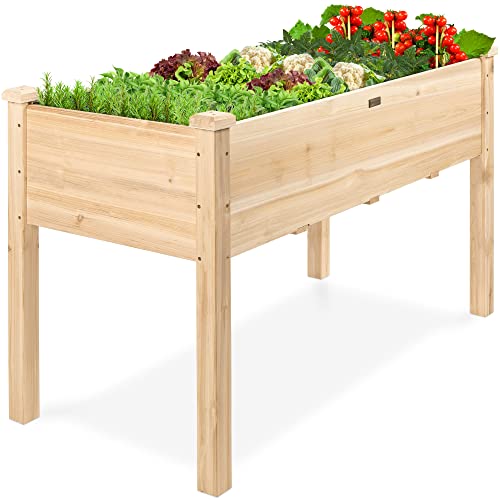
This vertical growing pattern means gardeners can fit more plants in a smaller area. The climbing cucumbers leave plenty of ground space for eggplants to thrive below.
Plant eggplants 24-36 inches apart, with cucumber vines spaced between them. This spacing gives both crops enough room to grow without crowding each other.
The vertical cucumber vines provide beneficial shade for eggplants during hot summer days. This natural shading helps protect eggplants from heat stress and can lead to better fruit production.
Key Space-Saving Tips:
- Install strong trellises for cucumber vines
- Plant cucumbers on the north side to prevent overshadowing
- Use row covers to maximize growing season
- Maintain proper spacing between plants
Both plants need rich soil and regular water to produce well. Adding compost and mulch helps retain moisture and provides nutrients for improved yields.

Planting and Care Best Practices
Growing eggplants and cucumbers together requires specific spacing, water management, and proper maintenance. These practices help both plants thrive and produce healthy yields.
Appropriate Spacing Techniques
Plant eggplants and cucumbers 24-36 inches apart in rows. This gives each plant enough room to grow without competing for resources.
Set up trellises or supports for cucumbers to climb vertically, which saves garden space and keeps fruits off the ground.
Create rows that are 3-4 feet apart to allow easy access for harvesting and maintenance. This spacing also promotes good air circulation.
Add a 2-inch layer of mulch around plants to maintain moisture and prevent weed growth.
Watering and Feeding Schedules
Water plants deeply 1-2 times per week, providing 1-1.5 inches of water each time. Morning watering helps prevent leaf diseases.
Test soil moisture by inserting a finger 2 inches deep – if it feels dry, it’s time to water.
Feed plants with balanced fertilizer (10-10-10) every 4-6 weeks during the growing season.
Apply a side dressing of compost monthly to boost soil nutrients.
Preventing Overcrowding
Remove damaged or yellowing leaves promptly to improve air flow between plants.
Prune cucumber vines when they reach 6-8 feet in length to prevent them from overwhelming nearby eggplants.
Train cucumber vines up their supports weekly to maintain organized growth patterns.
Check plants twice weekly for signs of pest damage or disease spread that could result from dense foliage.

Frequently Asked Questions
Growing eggplants and cucumbers together requires careful plant selection and garden planning to create successful vegetable pairings. Many common vegetables make good neighbors, while others can harm growth and yield.
What are the best companion plants for eggplants?
Peppers, beans, and peas make excellent companions for eggplants. These plants share similar growing requirements and can enhance each other’s growth. Herbs like thyme and oregano help repel pests that often attack eggplants.
Which plants should be avoided when planting cucumbers?
Potatoes and melons should not be planted near cucumbers. These plants compete for the same nutrients and can spread diseases to each other. Sage and other strong-scented herbs can stunt cucumber growth.
Can eggplant and zucchini be planted in close proximity?
Eggplants and zucchini can grow together successfully. Both plants need similar amounts of water and sunlight. To prevent overcrowding, leave 2-3 feet of space between them.
What vegetables grow well together with cucumbers in a garden setting?
Peas, corn, and radishes make ideal cucumber companions. These plants have different root depths and nutrient needs. Sunflowers provide natural trellising and shade protection for cucumber vines.
Are there any risks in planting eggplant and cucumbers in the same container?
Container growing requires extra care with spacing and soil depth. A single container must be at least 20 gallons to support both plants. Root competition can limit growth if the container is too small.
What are some incompatible plant pairings for eggplants?
Fennel and corn should not be planted near eggplants. These plants can stunt eggplant growth and reduce fruit production. Black walnut trees release chemicals that harm eggplants.

Conclusion
Growing eggplants and cucumbers together makes smart use of garden space. The plants share similar needs for sunlight, water, and soil conditions.
Plant these vegetables 24-36 inches apart to give them enough room to grow. This spacing prevents them from competing for resources or blocking each other’s sunlight.
Both plants need consistent moisture and 6-8 hours of daily sun. Regular watering and well-draining soil help create ideal growing conditions.
Eggplants and cucumbers can partner to improve pest control. Their different growth patterns complement each other in the garden bed.
Watch for signs that plants need more space as they grow. Trim back excess growth to maintain good airflow and prevent overcrowding.
When given proper care and space, these vegetables make reliable garden companions. Following basic spacing and care guidelines leads to healthy plants and good harvests.

Hello there! I’m Elsa, and gardening is my passion. As an avid gardener, I created GardeningElsa.com to share my knowledge and experience with fellow enthusiasts. My website is a comprehensive resource for gardeners of all levels, offering expert advice on a wide range of topics, including plants, flowers, herbs, and vegetable gardening. Whether you’re a beginner looking to start your first garden or a seasoned pro seeking to expand your knowledge, GardeningElsa.com has something for everyone. Read more about me.
