Vegetable Gardening: Grow Your Own Fresh Produce at Home

Vegetable gardening combines the joy of growing plants with the satisfaction of harvesting fresh food. It’s a way to create a beautiful landscape while also feeding your family. Anyone can start an edible garden, from a small herb box on a windowsill to a full backyard vegetable patch.

This type of gardening offers many benefits. It saves money on groceries and provides access to fresh, organic produce. Edible gardens also add visual interest to your yard with colorful fruits, vegetables, and herbs. Plus, tending to plants can be a fun and rewarding hobby for the whole family.

To begin, choose easy-to-grow plants that suit your climate and available space. Popular options include tomatoes, lettuce, peppers, and herbs like basil and mint. With some planning and care, you can transform your outdoor space into a productive and attractive edible landscape.


Kdgarden Raised Garden Bed Kit 4'x4' Outdoor Above Ground Planter Box for Growing Vegetables Flowers Herbs, DIY Gardening, Whelping Pen and More, Screwless White Vinyl Garden Bed with Grid

Planning Your Vegetable Garden

A well-planned edible garden can provide fresh produce and beauty to your yard. Good planning helps create a bountiful and manageable garden that fits your space and needs.

Choosing the Right Location

Pick a spot that gets at least 6-8 hours of direct sunlight daily. Most fruits and veggies need full sun to thrive. Look for a flat area with good drainage. Avoid low spots where water collects.

Consider convenience too. Put the garden near your house for easy access. Make sure a water source is close by for irrigation.

Think about wind protection. Strong winds can damage plants. Use fences, shrubs, or trees as windbreaks if needed.

Edible Gardening Tips

Assessing Soil and Sunlight

Test your soil pH and nutrients. Most edibles prefer slightly acidic soil (pH 6.0-6.8). Add lime to raise pH or sulfur to lower it if needed.

Check soil texture. Sandy soils drain fast but dry out quickly. Clay holds water but can get waterlogged. Add organic matter like compost to improve any soil type.

Map sun patterns in your yard. Note where shadows fall from trees or buildings. This helps match plants to the right light conditions.

Check out How to Create a Sustainable Garden at Home

Mapping Out Garden Beds

Sketch your garden layout on paper. Include paths between beds for easy access. Make beds 3-4 feet wide so you can reach the middle without stepping in them.

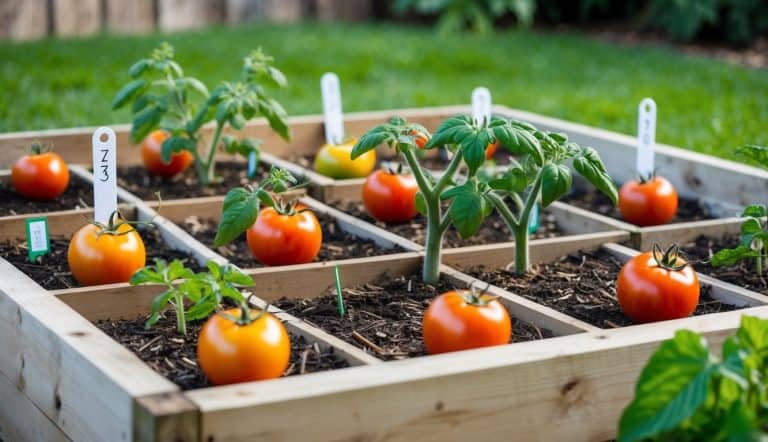
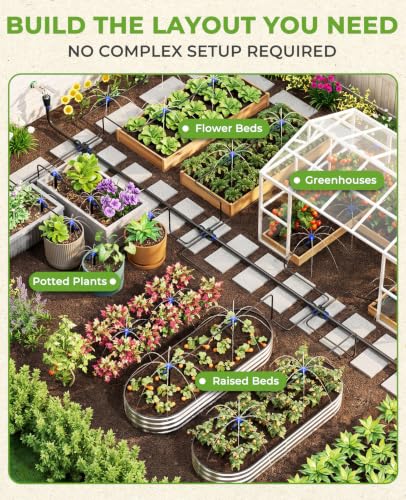
Try raised beds or containers for poor soil or limited space. They warm up faster in spring too. Fill them with high-quality soil mix.

Group plants by water needs. Put thirsty plants together and drought-tolerant ones in another area. This makes watering more efficient.

Mix in flowers with veggies. They attract pollinators and add beauty. Many edible flowers like nasturtiums are both pretty and tasty.


Kdgarden Raised Garden Bed Kit 4'x4' Outdoor Above Ground Planter Box for Growing Vegetables Flowers Herbs, DIY Gardening, Whelping Pen and More, Screwless White Vinyl Garden Bed with Grid

Soil Preparation and Maintenance

Good soil is key for a successful edible garden. The right prep and care will give your plants the nutrients they need to grow strong and healthy.

Amending the Soil

Test your soil pH first. Most edible plants like soil between 6.0 and 7.0. Add lime to raise pH or sulfur to lower it. Mix in organic matter like compost or aged manure.

This helps soil hold water and nutrients. For heavy clay, add sand to improve drainage. For sandy soil, add more organic matter to boost water retention.

Work amendments into the top 6-8 inches of soil. Use a tiller or garden fork. Break up clumps and remove rocks or debris. Level the soil surface with a rake. Water the area well after amending.


FoxFarm Ocean Forest Potting Soil, 12qt – Light, Aerated Texture, Designed for All Container Plants – pH Adjusted for Optimal Nutrient Uptake, Effectively Retains Moisture

Mulching for Healthier Plants

Mulch helps keep soil moist and cuts down on weeds. Use organic mulches like straw, leaves, or wood chips. Apply a 2-3 inch layer around plants, but keep it away from stems. Mulch also adds nutrients as it breaks down over time.

For vegetable gardens, use newspaper or cardboard as a base layer. Cover with straw or grass clippings. This smothers weeds and attracts earthworms. Refresh mulch each season as needed.

In container gardens, use a thin layer of mulch to retain moisture. Pebbles or decorative stones work well for herbs and small plants.

Plant Selection and Care

Choosing the right plants and caring for them properly are key to a successful edible garden. A mix of fruits, vegetables, herbs, and edible flowers provides variety and year-round interest.

Selecting Fruits and Vegetables

Start with easy-to-grow vegetables like lettuce, kale, and tomatoes. These plants thrive in most climates and soil types. Beans and peas are great for vertical gardening and add nitrogen to the soil.

Strawberries make excellent ground cover and produce sweet fruit. For larger spaces, try fruit trees or berry bushes. Apples, pears, and blueberries are popular choices.

Consider your climate and growing season when selecting plants. Spinach and chard do well in cooler weather, while eggplants and winter squash prefer heat.

Growing Herbs and Spices

Herbs are perfect for small spaces and containers. Chives, oregano, and thyme are low-maintenance options that come back year after year.

Basil and mint grow quickly but can spread aggressively. Plant them in pots to control their growth. Rosemary and sage are drought-tolerant and add texture to the garden.

Most herbs prefer full sun and well-draining soil. Regular pruning encourages bushy growth and prevents flowering, which can change the herb’s flavor.


Organic Herb Seeds Variety Pack - 35 Individual Packs - 2025 Season - Basil, Cilantro, Dill, Thyme, Parsley and More! for Indoor & Outdoor Planting (Non-GMO, Certified Organic)

Nurturing Edible Flowers

Edible flowers add color and flavor to salads and desserts. Nasturtiums are easy to grow and have a peppery taste. Their leaves are also edible.

Lavender is drought-tolerant and attracts pollinators. Use the flowers to flavor desserts or make tea. Marigolds have a citrusy flavor and help repel pests in the garden.

Plant edible flowers in full sun and well-draining soil. Avoid using pesticides on plants you plan to eat. Harvest flowers in the morning when they’re freshest.

Watering and Nutrient Management

Water and nutrients are key to growing healthy edible plants. Smart irrigation and fertilization help gardens thrive while conserving resources.

Irrigation Systems

Drip irrigation is great for edible gardens. It delivers water right to plant roots, cutting waste. Soaker hoses work well too. They slowly seep water into soil. For small gardens, hand watering with a watering can is fine.

Water early in the morning. This gives plants time to dry before night. Mulch around plants to hold in moisture. Use rain barrels to collect water from downspouts.

Water deeply but less often. This encourages deep roots. Check soil moisture before watering. Stick your finger 1-2 inches into the soil. If it’s dry, water. If it’s damp, wait.

Fertilization Techniques

Compost is a top choice for organic gardens. It adds nutrients and improves soil. Make your own or buy it. Work it into soil before planting. Add more as a top dressing during the growing season.

Organic fertilizers release nutrients slowly. This feeds plants over time. Blood meal adds nitrogen. Bone meal provides phosphorus. Use fish emulsion for a quick nutrient boost.

Test your soil to know what nutrients it needs. Don’t over-fertilize. Too much can harm plants and pollute water. Follow package directions carefully.

For container gardens, use a potting mix with slow-release fertilizer. Refresh it each season. Feed container plants more often than in-ground plants.

Start Your Edible Gardening

Pest and Disease Control

Keeping your edible garden healthy requires vigilance against pests and diseases. Good practices can prevent many issues before they start. When problems do arise, early detection and targeted solutions are key.

Identifying Common Pests

Aphids are tiny insects that cluster on plants and suck out sap. They often appear on new growth. Flea beetles leave small holes in leaves. Carrot rust fly larvae tunnel into root vegetables.

Look for signs of pest damage regularly. Check both sides of leaves and examine stems closely. Some pests are active at night, so inspect in the early morning. Keep a garden journal to track pest issues over time.

Use pest identification guides or take clear photos to get help naming unfamiliar insects. Many extension offices offer free pest ID services.

Check out How to Keep Bugs Out of Vegetable Garden Naturally

Organic Pest Management

Handpicking larger pests like caterpillars can be effective for small gardens. Drop them in soapy water. Use floating row covers to block flying insects from landing on plants.

Encourage beneficial insects by planting flowers they like. Ladybugs and lacewings eat aphids. Ground beetles prey on slugs and snails.

Try companion planting. Grow strong-smelling herbs near vegetables to confuse pests. Marigolds may repel some harmful nematodes in the soil.

As a last resort, use organic pesticides carefully. Neem oil works on many soft-bodied insects. Always follow label instructions.

Preventing Diseases

Good air flow reduces fungal issues. Space plants properly and prune for ventilation. Water at ground level in the morning so leaves dry quickly.

Use disease-resistant plant varieties when possible. Rotate crop families yearly to break disease cycles in the soil.

Add compost to boost soil health. Healthy plants resist disease better. Mulch around plants to prevent soil splashing onto leaves.

Clean tools between uses, especially when working with sick plants. Remove and destroy diseased plant parts promptly. Don’t compost them.

Harvesting and Storing Produce

Proper timing and techniques for harvesting and storing garden produce help maximize flavor and shelf life. Knowing when to pick and how to store different fruits and vegetables is key for enjoying your harvest.

When to Harvest

Pick most vegetables in the early morning when they are crisp and full of moisture. Tomatoes and peppers taste best when fully ripe and colored. Harvest leafy greens like lettuce and spinach while young and tender.

For root crops like carrots and beets, gently pull one to check the size. Harvest herbs just before they flower for the best flavor. Pick berries when fully colored but still firm.

Test melons by tapping – a hollow sound means they’re ripe. Apples and pears are ready when they detach easily with a gentle twist.

Storing Fresh Produce

Keep most vegetables in the fridge at 32-41°F with high humidity. Use the crisper drawer and keep it over half full. Wash and dry produce before storing.

Store onions, garlic, winter squash, and potatoes in a cool, dry, dark place around 50-60°F. Don’t refrigerate tomatoes, as it ruins their flavor.

Freeze extra berries and fruits on a tray, then transfer to freezer bags. Blanch and freeze vegetables like peas and green beans.

Can or pickle surplus produce. Make jams, sauces, or dehydrate herbs and fruits for longer storage.

Seasonal Edible Gardening Tips

Edible gardening changes with the seasons. Each time of year brings different tasks and crops to focus on. Following a seasonal approach helps gardeners get the most from their efforts.

Spring Planting Guide

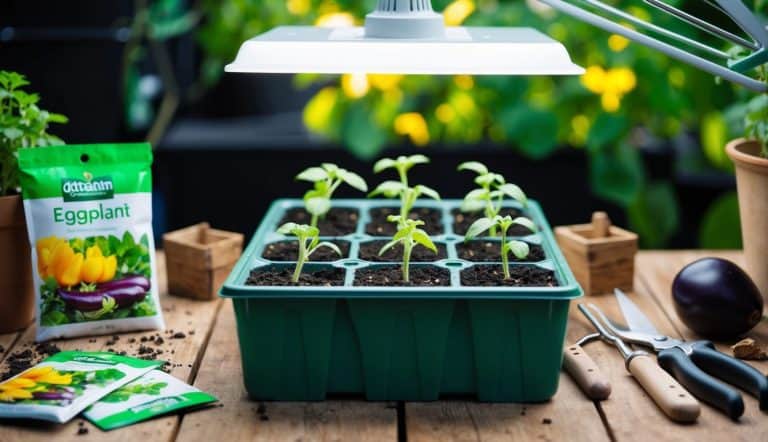
Spring is planting time for many edible crops. Start seeds indoors for warm-season plants like tomatoes and cucumbers. Once the soil warms up, transplant seedlings to the garden.

Direct sow cool-season crops like spinach, kale, and peas. These plants thrive in spring’s mild temps. Prepare garden beds by adding compost to enrich the soil.

Set up supports for climbing plants such as peas and pole beans. Plant fruit trees and bushes while they’re still dormant. Prune existing fruit trees before new growth starts.

  • Cool-season crops to plant: Lettuce, carrots, radishes
  • Warm-season seeds to start indoors: Peppers, eggplants
  • Fruit to plant: Strawberries, blueberries, raspberries

Summer Care and Maintenance

Summer is peak growing season for many edible plants. Water deeply and regularly, especially for thirsty crops like tomatoes and cucumbers. Mulch around plants to retain moisture and suppress weeds.

Keep an eye out for pests and diseases. Remove affected leaves or plants promptly. Harvest vegetables often to encourage continued production.

Prune and train vining crops like grapes. Thin fruit on trees to improve quality. Feed heavy feeders like tomatoes with organic fertilizer.

  • Daily tasks: Watering, harvesting, pest checks
  • Weekly tasks: Weeding, pruning, fertilizing
  • Monthly tasks: Planting successive crops, soil testing

Fall Harvest and Preparation

Fall brings the main harvest for many crops. Pick ripe tomatoes, peppers, and squash before frost hits. Harvest pumpkins and winter squash once vines die back.

Plant garlic and onions for next year’s crop. Sow quick-growing greens like arugula and spinach for fall salads. Clean up spent plants and add them to the compost pile.

Prepare for winter by bringing in tender herbs. Cover raised beds with row covers to extend the growing season. Collect seeds from open-pollinated plants for next year.

  • Crops to harvest: Potatoes, sweet potatoes, apples
  • Fall plantings: Lettuce, kale, carrots, radishes
  • Garden prep: Remove diseased plants, add compost

Winterizing Your Edible Garden

Winter is a time for garden planning and maintenance. Protect perennial plants like artichokes with a thick layer of mulch. Cover raised beds with plastic to prevent soil erosion.

Prune fruit trees and grape vines while dormant. Clean and sharpen garden tools. Order seeds for next season’s plantings.

Start planning next year’s garden layout. Rotate crop families to different areas to prevent pest and disease buildup. Consider adding new edible plants to try.

  • Indoor tasks: Inventory seeds, plan garden layout
  • Outdoor tasks: Mulching, pruning, protecting plants
  • Planning: Crop rotation, new varieties to try

Innovative Approaches to Edible Gardening

Edible gardening has evolved with creative methods to maximize space and blend food production with aesthetics. These approaches make growing food accessible and appealing for various living situations.

Vertical Gardening with Trellises

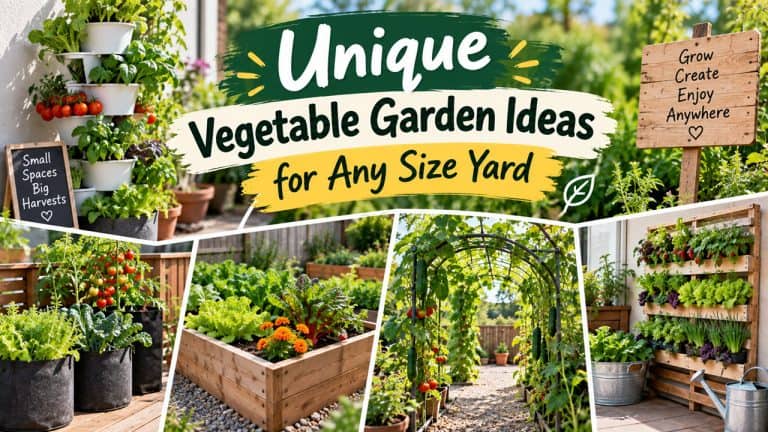
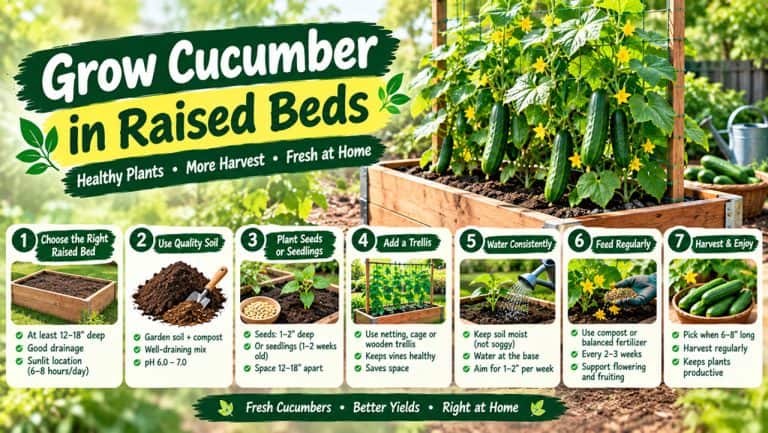
Vertical gardening uses trellises and other structures to grow plants upward. This method saves space and adds visual interest. Climbing vegetables like peas, beans, and cucumbers thrive on trellises. Small fruit trees can be trained to grow flat against walls.


MQHUAYU Cucumber Trellis for Raised Bed,47.2x47.2 inch U-Shape Garden Trellis for Climbing Plants Outdoor, Metal Arch Vegetables Trellis, Plant Support for Vegetable Fruit Flower Vine

Vertical planters and hanging baskets work well for herbs and small vegetables. These can be attached to fences or balcony railings. Living walls filled with edible plants create stunning green backdrops.

For small spaces, try a tower garden. These tall structures have planting pockets all around. They’re perfect for lettuce, strawberries, and compact herbs.

Incorporating Edible Plants into Ornamental Landscaping

Mixing edible and ornamental plants creates beautiful, productive gardens. Fruit trees can serve as focal points. Berry bushes make great hedges. Colorful vegetables like rainbow chard add visual appeal to flower beds.

Herbs are versatile in landscaping. Thyme makes an attractive ground cover. Rosemary can be shaped into low hedges. Chives offer pretty purple flowers.

Edible flowers like nasturtiums and pansies brighten up any garden. They’re great for salads too. Even traditional lawns can be replaced with low-growing edible plants like chamomile or creeping thyme.

Community and Urban Garden Projects

Community gardens bring people together to grow food. These shared spaces often have individual plots for residents. They provide access to fresh produce in urban areas. Community gardens also offer chances to learn from other gardeners.

Rooftop gardens make use of unused urban space. They can help cool buildings and manage stormwater. Container gardens work well on roofs. Raised beds are another option for rooftop growing.

Some cities have started food forests in public parks. These multi-layered gardens mimic natural ecosystems. They include fruit and nut trees, berry bushes, and perennial vegetables. Food forests provide free produce for the community.

Vegetable Gardening

Growing your own vegetables is rewarding and fun. You can enjoy fresh produce right from your backyard. Let’s explore how to start a vegetable garden, work with the seasons, and use raised beds.

Edible Gardening

Starting a Vegetable Garden

Pick a sunny spot for your garden. Most veggies need 6-8 hours of sun each day. Start small with a 10×10-foot plot or a few containers. Choose 3-5 types of vegetables you like to eat. Buy young plants or seeds from a garden center.

Test your soil and add compost to improve it. Water your plants often, especially when it’s hot and dry. Watch for pests and remove weeds regularly.

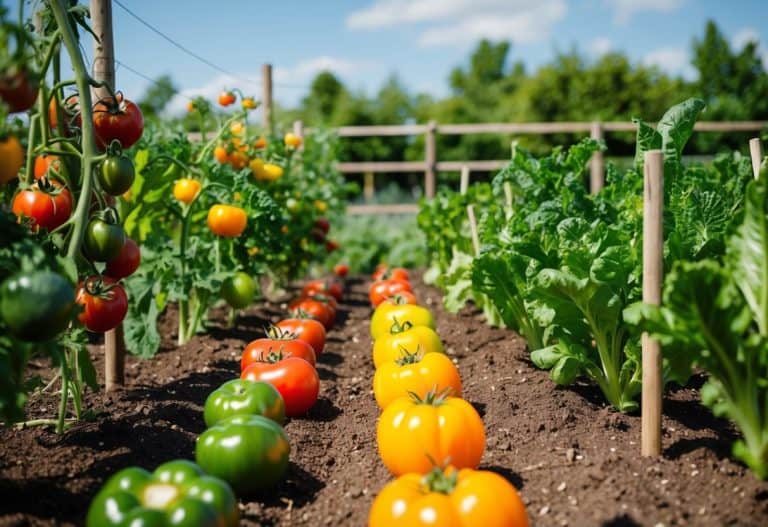
Try easy-to-grow vegetables like tomatoes, lettuce, and peppers. These plants come in many colors and can make your garden look nice too.


Yaheetech 8×4ft Wooden Horticulture Raised Garden Bed Divisible Elevated Planting Planter Box for Flowers/Vegetables/Herbs in Backyard/Patio Outdoor, Natural Wood, 93 x 48 x 10in

Understanding the Growing Season

Different vegetables grow best at certain times of the year. Some like cool weather, while others need heat.

Cool-season crops:

  • Lettuce
  • Spinach
  • Broccoli
  • Peas

Plant these in early spring or late summer.

Warm-season crops:

Plant these after the last frost in spring.

Check your local planting calendar to know when to start each crop. This helps you get the most from your garden all year round.

Utilizing Raised Beds for Vegetables

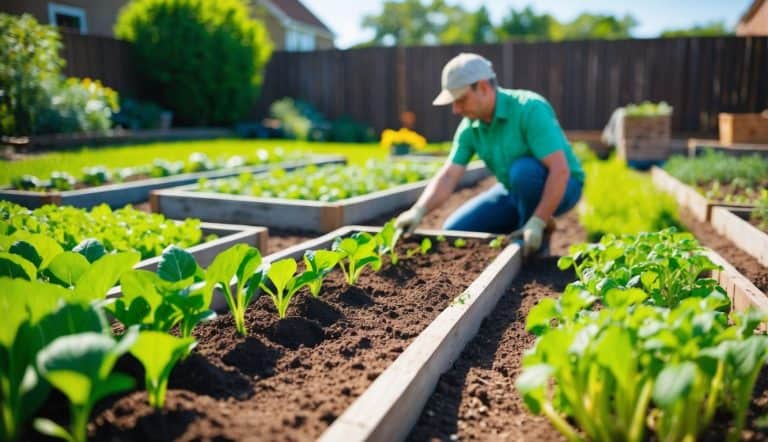
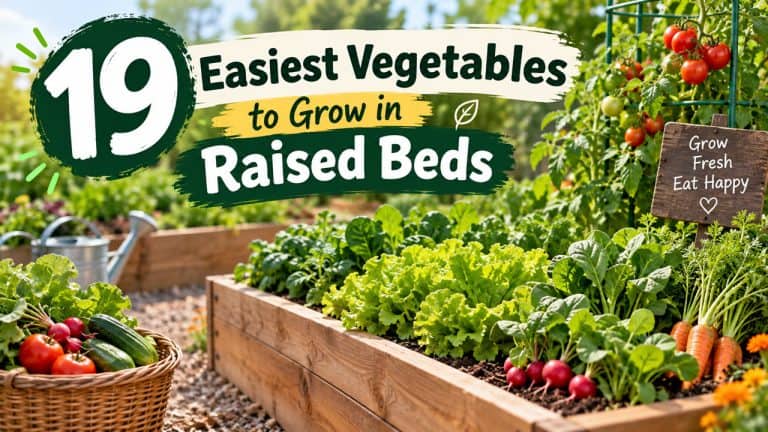
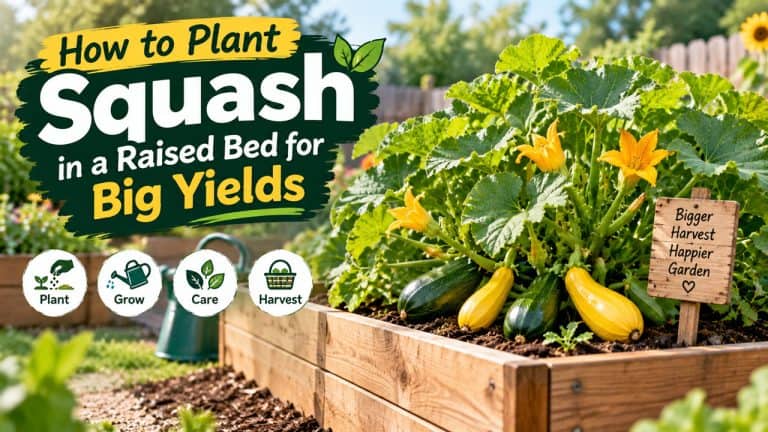
Raised beds are great for growing vegetables. They warm up faster in spring and have better drainage. You can control the soil quality more easily too.

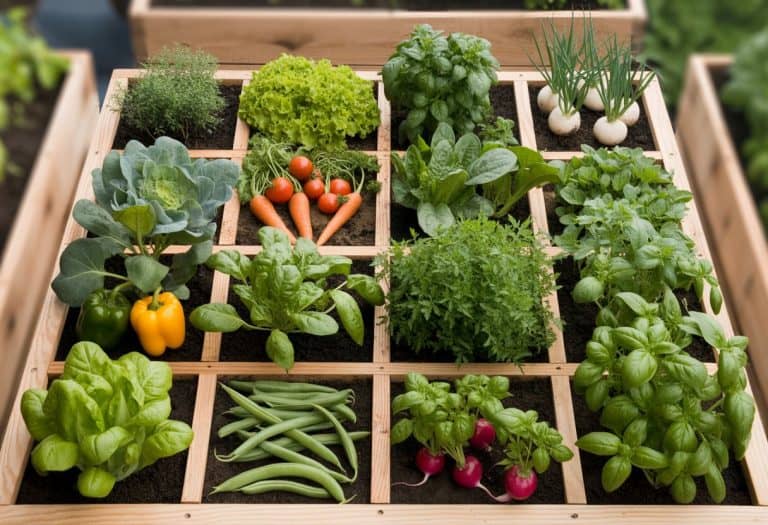
A 4×4-foot or 4×8-foot bed is a good size to start. Fill it with a mix of soil and compost. Space your plants closer in raised beds than in the ground.

Raised beds make it easier to reach your plants without stepping on the soil. This keeps the soil loose and helps roots grow better. You can also add covers to protect plants from pests or extend the growing season.

Try vertical gardening in your raised beds. Use trellises for climbing plants like peas and cucumbers. This saves space and looks nice too.


Best Choice Products 72x23x30in Raised Garden Bed, Elevated Wood Planter Box Stand for Backyard, Patio, Balcony w/Divider Panel, 6 Legs, 300lb Capacity - Natural

List of Vegetables to Grow in an Edible Garden

Tomatoes are a popular choice for edible gardens. They come in many varieties and can be grown in pots or in the ground.

Lettuce is easy to grow and provides fresh salad greens. It can be harvested multiple times throughout the season.

Carrots are root vegetables that thrive in well-drained soil. They’re packed with nutrients and add color to your garden.

Bell peppers offer sweet flavors and bright colors. They grow well in warm climates and can be eaten raw or cooked.

Cucumbers are perfect for salads and pickles. They need support to climb as they grow.

Zucchini plants produce abundantly. One or two plants can provide enough for a family.

Peas are great for cooler weather. They fix nitrogen in the soil, helping other plants grow.

Beans come in bush or pole varieties. They’re easy to grow and produce a good yield.

Herbs like basil, rosemary, and thyme add flavor to dishes. Many are perennial, coming back year after year.

Kale is a hardy green that can withstand cold temperatures. It’s packed with nutrients and grows well in most climates.

vegetable gardening

Supporting Pollinators and Wildlife

Edible gardens can do more than provide food for people. They can also support local wildlife and pollinators. Creating spaces for bees, butterflies, and other creatures helps maintain a healthy ecosystem balance.

Attracting Bees and Butterflies

Plant a mix of native flowers, herbs, and vegetables to draw in bees and butterflies. Choose plants with different bloom times to provide food all season. Some good options are:

  • Sunflowers
  • Squash
  • Borage
  • Oregano
  • Basil

Leave some areas of bare soil for ground-nesting bees. Avoid using pesticides, which can harm pollinators. Set up shallow water sources like birdbaths or pebble-filled dishes for insects to drink from.

Creating Habitats for Wildlife

Build homes for helpful garden creatures. Put up birdhouses and bat boxes. Make brush piles from fallen branches for small animals to hide in. Plant trees and shrubs that offer food and shelter.

Leave some plants standing over winter. The dead stems give insects places to lay eggs. Don’t clean up all fallen leaves – many butterflies overwinter in leaf litter.

Add a small pond or water feature if space allows. This draws in frogs, dragonflies, and birds. Use native plants around the edges to create cover.

Resources and Continuing Education

Gardeners can keep learning and improving their skills through various resources. These include books, online courses, and community groups focused on edible gardening.

Books and Guides

Many helpful books and guides exist for edible gardening. “The Vegetable Gardener’s Bible” by Edward C. Smith is a top choice for beginners and experts alike. It covers soil prep, pest control, and growing tips for over 100 vegetables.

“Square Foot Gardening” by Mel Bartholomew teaches an easy method for small spaces. The “All New Square Foot Gardening” edition updates the classic with new ideas.

For container gardens, “The Edible Container Garden” by Michael Guerra gives great advice. It shows how to grow fruits, veggies, and herbs in pots on patios or balconies.

Local gardening guides are also valuable. Many state extension offices publish free guides tailored to regional climates and growing conditions.

Online Courses and Workshops

The internet offers many options to learn about edible gardening. Websites like Udemy and Coursera have affordable online classes taught by experts. These cover topics from soil health to pest management.

Some universities offer free online courses too. Oregon State University has a “Vegetable Gardening” course through its extension program. It teaches planning, planting, and care basics.

Local garden centers often host workshops on edible gardening. These hands-on classes let you learn and ask questions in person. Topics might include starting seeds, composting, or preserving your harvest.

Gardening Communities and Forums

Joining a gardening community can provide support and advice. Many cities have community gardens where people share knowledge and resources. Working alongside other gardeners is a great way to learn new skills.

Online forums like Reddit’s r/vegetablegardening let you connect with gardeners worldwide. You can ask questions, share photos, and get tips from experienced growers.

Facebook groups focused on edible gardening are another good resource. These often have local groups where you can swap plants or get region-specific advice.

Local garden clubs usually welcome new members. They often organize plant swaps, garden tours, and guest speaker events about edible gardening.

Conclusion

Edible gardening transforms outdoor spaces into productive and beautiful areas. It brings fresh, organic food right to your doorstep. This practice saves money on groceries and reduces food miles.

Designing an edible landscape takes creativity. Mixing ornamental and food-producing plants creates visual appeal. Fruit trees, berry bushes, and colorful vegetables add diversity to gardens.

Proper planning is key for success. Consider sunlight, soil quality, and watering needs. Group plants with similar requirements together. Use companion planting to boost growth and deter pests naturally.

Edible gardens support local ecosystems. They attract pollinators and beneficial insects. This increases biodiversity in urban areas. It also helps create a more sustainable food system.

Maintenance is important for healthy plants. Regular pruning, weeding, and pest management keep the garden thriving. Harvesting at the right time ensures the best flavor and nutrition.

Edible landscaping connects people to their food sources. It promotes healthy eating habits and outdoor activity. Children learn about plant growth and nutrition firsthand.

This approach to gardening offers both practical and aesthetic benefits. It turns yards into productive, beautiful spaces that nourish body and soul.

You may also like:

vegetable garden ideas

10 Vegetable Garden Layout Ideas