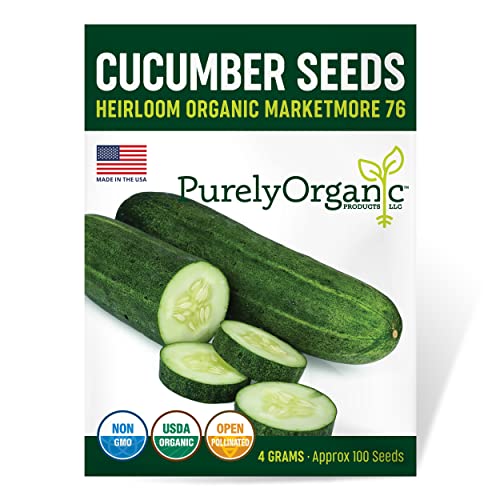
I get asked this all the time in my inbox and garden classes. Someone holds up a seed packet in each hand and asks, almost pleading, “Can I plant cucumber and watermelon together?” On the surface, it sounds smart because both crops love heat, sprawl across the soil, and scream summer harvest.

When I step back as a horticulturist, though, my answer is clear: I do not recommend planting cucumbers and watermelons side by side in the same bed. Because they are close botanical relatives, they:
- attract many of the same pests
- are vulnerable to the same diseases
- fight for the same sunlight, water, and nutrients
When they sit together, those problems stack up fast.
That does not mean the dream of growing both is over. In this guide I am going to walk through why these vines behave the way they do, the real risks of pairing them, the truth about cross‑pollination, and practical layouts that let both crops thrive in one garden.
I will also share my favorite companion plants so you can plan a smarter, more productive patch with confidence. The goal on Gardening Elsa is always the same: give clear, science‑based advice that works in real backyards, balconies, and community plots.
Why Cucumbers and Watermelons Are Botanical Relatives
Cucumbers and watermelons feel similar when planting them, and there is a good reason. Both belong to the same plant family, Cucurbitaceae, which gardeners usually call the cucurbit or gourd family.
This big family also includes pumpkins, zucchini and other summer squash, butternut and acorn squash, cantaloupe and other melons, along with ornamental gourds. The common cucumber is Cucumis sativus and watermelon is Citrullus lanatus, but they are cousins all the same.
Most members of this family share a vining, sometimes rambling, growth habit. They send out long stems that creep over the soil, form tendrils that grab supports, and carry big leaves that shade the ground. They also produce fleshy fruits with many seeds, which is why these crops fill so many summer salad bowls.
Because they are related, cucumbers and watermelons need very similar growing conditions. Both want:
- full sun for at least six to eight hours
- steady, deep moisture
- soil rich in organic matter
In my own beds, if I prepare a perfect spot for watermelon, it usually looks perfect for cucumbers as well.
That family bond also means they deal with the same insect pests and plant diseases. The bugs that chew on cucumber vines usually find watermelon vines just as tasty.
The fungi that spot cucumber leaves are happy to spread to watermelon leaves nearby. I often tell students to picture themselves as siblings who share not only good looks and food tastes, but also the same colds.
That shared background is the root reason gardeners run into trouble when they ask “Can I plant cucumber and watermelon together in one tight space?”
The Real Risks of Planting Cucumbers and Watermelons Together
When cucumbers and watermelons grow shoulder to shoulder, three big problems tend to show up. They invite the same pests, they spread the same diseases, and they compete hard for room and resources. I have watched this play out in many home gardens, and it rarely ends with the heavy harvest people hoped for.
Shared Pests That Devastate Both Crops
Planting the two crops together turns the bed into one large, easy target for hungry insects. Instead of hunting for scattered vines, pests land in one area and find all they need. That makes every single plant more likely to suffer.
Cucumber beetles are usually the worst visitors. Both the striped and the spotted kinds chew on leaves, flowers, stems, and even baby fruit of cucumbers and watermelons.
Light feeding already weakens plants and slows growth. The bigger danger is that striped cucumber beetles carry bacterial wilt inside their bodies, and they spread it as they feed from plant to plant.
Bacterial wilt clogs the plant’s water pipes, so vines that looked fine one day can collapse soon after. There is no cure once it appears, so infected plants must come out. When cucumbers and watermelons sit close together, one infected beetle can move down the row and spread that disease to both crops.
Melon aphids (Aphis gossypii) are another shared problem I see often. These tiny insects gather on the undersides of leaves and soft growing tips, sucking sap and draining strength.
Heavy colonies cause yellowing, curling leaves, and stunted vines. As they feed, they leave sticky honeydew that leads to sooty mold, a dark film that blocks sunlight from reaching the leaf surface.
When you crowd related crops together, you are rolling out a red carpet for pests — a line I repeat in nearly every Gardening Elsa class.
Fungal Diseases and the Air Circulation Problem
Even when insects stay away, fungal diseases love crowded cucumber and watermelon vines. Both plants are very prone to:
- powdery mildew, which looks like white flour dusted over leaves
- downy mildew, which starts as yellow spots on top with gray fuzz underneath
- anthracnose, which leaves dark, sunken spots on leaves and fruit
When these vines grow into each other, they create a thick mat of foliage. Air moves poorly through that tangle, especially after rain or overhead watering.
Moisture sits on the leaves for hours, which is perfect for fungal spores that land there. In that situation, a small patch of mildew on one vine can spread across the whole mixed bed very quickly.
Soil‑borne diseases also build up when cucurbits grow in the same patch year after year. The fungi and bacteria that bother cucumbers and watermelons can live in the soil over winter.
Good crop rotation—moving the cucurbit family to a different area every year—helps break that cycle. Planting many cucurbits together in one spot makes rotation harder to manage.
Competition for Space, Sunlight, and Nutrients
The third problem is a very simple one. Both crops are big, fast growers, and when they share a bed they tend to smother each other.
Many watermelon varieties send vines out fifteen to twenty feet, and cucumbers are not shy either. Mixed together on the soil, they form a dense jungle that is hard to walk through, weed, or harvest.
All those big leaves reach for the same sunlight. Cucumbers and watermelons both need full sun to flower well and set sweet fruit. When the vines overlap, some parts of each plant end up shaded. That leads to weaker shoots, fewer blossoms, and smaller fruit.
They also draw from the same pool of nutrients and water. Both cucumbers and watermelons are heavy feeders that need plenty of nitrogen, phosphorus, and potassium.
If they share one small bed, they can strip the soil quickly and show signs of stress unless feeding and watering are managed very carefully.
A simple table makes the overlap easy to see.
| Need | Cucumber | Watermelon |
|---|---|---|
| Sunlight | Full sun, six to eight hours | Full sun, six to eight hours |
| Water | High and steady | High and steady |
| Nutrients | Heavy feeder | Heavy feeder |
| Space for Vines | Vigorous spread | Very long vines, often to twenty feet |
When gardeners ask “Can I plant cucumber and watermelon together?” this shared wish list is a big part of my answer.
The Cross-Pollination Myth About Cucumbers and Watermelons
One of the most common worries I hear is a funny one. People tell me they are afraid to plant cucumbers and watermelons in the same garden because they do not want strange hybrid fruit that tastes odd. I am happy to say this fear is not based on how plants work.
Cucumbers belong to the genus Cucumis and watermelons belong to the genus Citrullus. Both sit in the cucurbit family, but they are different branches on the family tree.
For cross‑pollination to matter, plants must be the same species, not just distant relatives in the same family. Bees can move pollen between cucumber flowers and watermelon flowers, but the pollen is not compatible, so it does not change the fruit you pick that summer.
Cross‑pollination can happen between squash and pumpkins that share a species, and it can change the genetics of the seeds inside the fruit. Even in that case, the fruit people eat that season still looks and tastes normal. Only the next generation grown from saved seed might show mixed traits.
So, if someone asks “Can I plant cucumber and watermelon together?” and worries about off‑tasting fruit, I can say with confidence that cross‑pollination is not the issue. If a cucumber tastes bitter or a watermelon seems dull, the cause is more likely:
- stress from heat, drought, or poor soil
- incorrect harvest time
- disease or heavy pest pressure
The real reasons to give these crops space are the pests, diseases, and competition we already walked through.
How to Grow Both Crops If Space Is Limited
Space is one of the biggest challenges my readers face. Many gardeners have one small yard, a shared community plot, or a couple of raised beds, yet they still want fresh cucumbers and juicy watermelons in the same season.
The question “Can I plant cucumber and watermelon together?” often comes from this squeeze. The good news is that smart planning lets both crops grow in one garden without sitting on top of each other.
I often tell my Gardening Elsa students, “Healthy plants start with healthy spacing.”
Here are the strategies I rely on most in my own work and in Gardening Elsa garden plans.
- Maximize Distance
I start by placing cucumbers and watermelons as far apart as the space allows. Even a few extra feet between them helps slow pests and diseases. If I use more than one raised bed, I dedicate one bed to cucumbers and another to watermelons so their roots and vines stay somewhat contained. Clear paths between beds also make it easier to spot trouble early and to reach each plant for care. - Grow Vertically on Trellises
Training cucumbers up a strong trellis, fence, or A‑frame is one of my favorite tricks for small gardens. When the vines climb instead of crawl, air moves more freely around the leaves and many fungal problems become less common. Vertical growing gives both crops better light, keeps fruit clean and easy to find, and frees precious ground room for lower plants or walking space. Smaller watermelon varieties can also climb if the support is very sturdy and if each developing fruit sits in a soft fabric sling that holds its weight. - Create a Buffer Zone
When I must keep both crops in the same general area, I like to plant a strip of companion plants between them. Flowers such as marigolds and nasturtiums, along with herbs like basil, dill, or mint in containers, add color and scent. That strong smell can confuse pests that move by scent, making it harder for them to track down a solid block of cucurbit leaves. The buffer row also feels like a natural visual divider, which helps during daily checks. - Practice Intensive Pest Monitoring
Regular inspection is one of the best tools a home gardener has. I take a quick walk past my vines every day during warm weather and flip a few leaves to look for cucumber beetles or clusters of aphids. Yellow sticky traps near the bed help me notice beetles early, before a population explodes. At the first sign of trouble, I hand pick insects, rinse aphids off with water, or reach for approved organic controls based on Gardening Elsa pest care guides. - Feed the Soil Generously
Because both crops are heavy feeders, I prepare their separate beds with plenty of compost and a balanced organic fertilizer before planting. A thick layer of mulch helps the soil hold moisture and stay cooler on very hot days. During the season I side dress with more compost or use gentle liquid feeds to keep nutrients steady. When each crop has what it needs in its own area, the question “Can I plant cucumber and watermelon together?” becomes less about survival and more about good layout.
The Best Companion Plants for Watermelons and Cucumbers
Instead of squeezing cucumbers and watermelons into the same bed, I like to surround each crop with neighbors that help it stay healthy. Companion plants can confuse pests, draw in pollinators, and even add nutrients to the soil. Here is how I plan allies for each vine.
Best Companions for Watermelons
For watermelons, I often think about three jobs that helpers can do:
- Stop or Distract Pests
- Nasturtiums near watermelon hills attract aphids away from the main crop and their scent bothers cucumber beetles.
- Marigolds have a long history in vegetable beds, and gardeners use them to cut down on aphids, beetles, and other chewing insects.
- Strong‑smelling herbs such as garlic, mint, dill, and catnip add more scent confusion and help keep sap suckers moving along instead of settling in.
- Radishes and tansy also play a part in pushing cucumber beetles away from the patch. I tuck quick rows of radishes at the edges of watermelon beds, where they grow and finish long before vines fill the space. In some plantings I add corn or broccoli near—but not in the shade path of—watermelon vines, since many growers notice fewer cucumber beetles when these crops share the area.
- Invite Pollinators
Watermelon plants have separate male and female flowers and need bees to move pollen between them. I weave in blooms like borage, lavender, marigolds, and snapdragons, placing them where vines will not smother them later in the summer. A narrow strip of mixed native wildflowers just outside the bed can draw many kinds of native bees that work the patch all season. - Support the Soil
Pole beans and bush beans fix nitrogen in the soil, feeding the living community under our feet that then feeds the watermelon roots. When I grow pole beans near watermelons, I put their trellis to the north or east so it does not cast shade during the hottest part of the day.
Best Companions for Cucumbers
Cucumbers enjoy a similar group of friends. Some of my favorite cucumber companion plants are:
- Radishes sown among young cucumber plants; they help push cucumber beetles away while taking up little space.
- Marigolds and nasturtiums, which add bright color and steady help against many insects that want to chew or suck sap from the vines.
- A small clump of oregano nearby, adding another layer of scent that pests do not enjoy.
For pollination, borage is my star partner for cucumbers. Bees adore its blue flowers, and I see them move from borage blossoms straight onto cucumber blooms in the same bed.
For extra nutrients, I like to ring cucumber beds with bush beans or peas, which share nitrogen with the soil while growing a harvest of their own. In some gardens, I even let cucumbers climb up sturdy stalks of corn, turning one bed into a living trellis system.
Plants to Keep Away from Both Crops
Just as friends matter, so do neighbors that cause trouble. Some plants simply do not mix well with cucumbers and watermelons, for reasons that range from shared pests to space problems. I keep this quick table in mind when planning layouts.
| Plant | Reason to Avoid |
|---|---|
| Other cucurbits such as squash, pumpkins, and melons | Gather the same pests and diseases in one spot |
| Potatoes | Heavy feeder that competes for nutrients and may slow cucurbit growth |
| Sunflowers and roses | Often covered in aphids that can spread to vines |
| Tomatoes and peppers | Tall, dense plants that crowd vines and trap humid air |
| Sage planted near cucumbers | Linked by some gardeners to slow cucumber growth |
When someone asks “Can I plant cucumber and watermelon together?” I often widen the chat to this whole group of friends and foes, because a healthy bed is about the full cast of plants, not just one pair.
Conclusion
So where does this leave that big question, “Can I plant cucumber and watermelon together?” From both science and years of watching real gardens, my answer stays the same. It is possible, but it is not wise to plant them side by side in the same small bed, because they share pests, share diseases, and compete fiercely for space, light, water, and nutrients.
The better path is to grow them in separate spots within the same garden, use trellises and smart spacing, and surround each crop with helpful companions.
When you do that, cucumbers can climb and set crisp fruit while watermelons stretch and ripen sweetly, without tripping each other up. You can also let go of cross‑pollination worries, since that myth does not match how these plants reproduce.
Good gardens rarely come from guesswork; they come from planning, observation, and a willingness to adjust.
If this topic sparked new ideas for your own beds, I invite you to explore more of the companion planting, layout, and small‑space guides I share on Gardening Elsa. With thoughtful design, those summer vines can reward you for many seasons to come.
FAQs
Can cucumbers and watermelons cross-pollinate?
No, they cannot cross-pollinate. Cucumbers belong to the genus Cucumis, and watermelons belong to the genus Citrullus, so their pollen is not compatible. Cross‑pollination happens within the same species, not just the same family. The fruit you harvest from each plant will stay true to its type.
How far apart should I plant cucumbers and watermelons?
I prefer to keep them in completely separate sections of the garden when possible. In a yard with limited room, I place them at opposite ends of a bed and train at least one crop up a trellis to widen the gap. Separate raised beds make care, feeding, and pest control much easier for both cucumbers and watermelons.
What should you not plant next to watermelons?
I avoid planting watermelons beside other cucurbits such as cucumbers, squash, and pumpkins because they draw the same pests and diseases. I also keep them away from potatoes, which are heavy feeders, and from plants that attract many aphids such as sunflowers and roses. Very dense crops like tomatoes and peppers can crowd the vines and block airflow.
Can I grow cucumbers and watermelons in containers?
Yes, as long as the containers are large and the varieties are suited to pots. Bush or compact cucumbers do very well in roomy containers with a small trellis. Personal‑size watermelons, such as mini or icebox types, can grow in very large tubs with strong support. I still keep their containers apart so they do not share pests or compete for light.

Hello there! I’m Elsa, and gardening is my passion. As an avid gardener, I created GardeningElsa.com to share my knowledge and experience with fellow enthusiasts. My website is a comprehensive resource for gardeners of all levels, offering expert advice on a wide range of topics, including plants, flowers, herbs, and vegetable gardening. Whether you’re a beginner looking to start your first garden or a seasoned pro seeking to expand your knowledge, GardeningElsa.com has something for everyone. Read more about me.