Spotting aphids on your indoor plants is never a good feeling. These little sap-suckers multiply fast and can really mess up your favorite houseplants if you ignore them.
Aphids show up as tiny green, black, brown, or white bugs huddled on new shoots, stems, and especially the undersides of leaves.
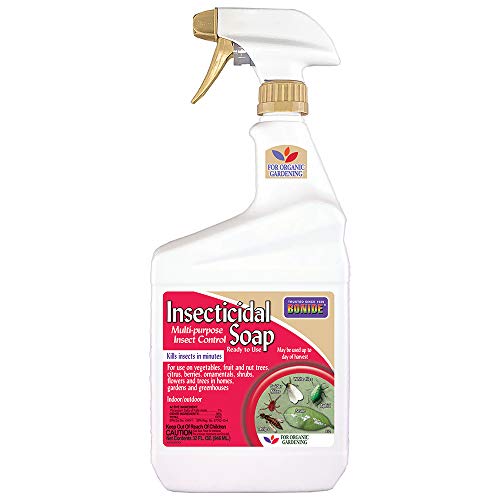
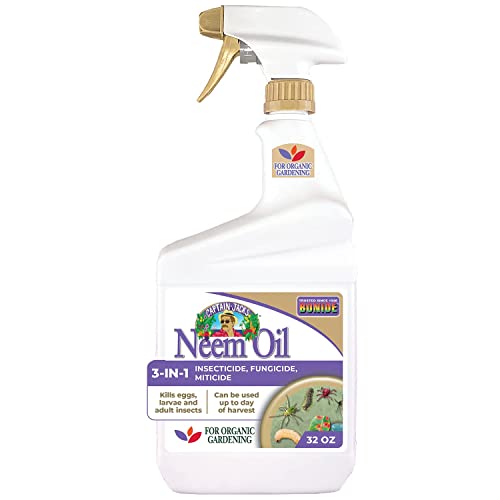
You can get rid of aphids on indoor plants with a few straightforward tricks. Try spraying your plants with water, wiping leaves with a damp cloth, or using insecticidal soap or neem oil solutions.
These methods physically remove the pests and interrupt their life cycle without resorting to harsh chemicals. Sometimes, just giving your plants a shower in the sink or tub does the trick.
This gentle approach knocks off the insects without harming the plant. If aphids keep coming back, mix a few drops of dish soap with water—this homemade spray breaks down their protective coating and helps control the problem.
Understanding Aphids on Indoor Plants
Aphids are common pests that can take over your houseplants surprisingly fast. They feed on plant sap and cause serious damage like yellowing leaves and stunted growth.
What Are Aphids?
Aphids are soft-bodied insects, usually about 1/16 to 1/8 inch long. They’ve got pear-shaped bodies and come in green, yellow, black, brown, or red—basically, a whole palette.
Look for two tiny tubes called cornicles sticking out of their rear ends. People sometimes call aphids “plant lice” because they cluster together and feed relentlessly.
They use piercing mouthparts to suck sap from new growth and the undersides of leaves. Most aphids on indoor plants are wingless, but when things get crowded or food gets scarce, some will grow wings and fly off in search of new plants.
This makes infestations tricky to contain, especially if you have a lot of houseplants close together.
Life Cycle and Reproduction
Aphids can reproduce at an almost unbelievable rate. Female aphids give birth to live young (called nymphs) without mating—this process is called parthenogenesis.
Under cozy indoor conditions, each female might pop out 3-6 babies a day. Nymphs look like mini adults and grow up fast, often reaching maturity within a week or so.
That’s why a small aphid problem can turn into a full-blown infestation in just a couple of weeks. Outdoors, aphids usually produce males and eggs for overwintering, but inside, they keep reproducing asexually all year.
In theory, one aphid could lead to billions of descendants in a single season if you don’t step in.
Types of Aphids Found Indoors
Green peach aphids are probably the most common ones you’ll see on houseplants. These pale green bugs munch on all sorts of plants, from herbs to flowers.
Black bean aphids show up on ferns and flowering plants like hibiscus. They’re dark brown to black and often form dense clusters on fresh growth.
Woolly aphids are easy to spot—they have a waxy, cottony coating that makes them look like little tufts of fluff. Root aphids are sneaky.
They feed below the soil line, attacking plant roots, and you might not notice them until your plant starts to decline for no obvious reason.
Signs and Symptoms of Aphid Infestation
Aphids leave pretty obvious signs on indoor plants if you know what to look for. Catching these symptoms early gives you a better shot at stopping them before things get out of hand.
Visible Aphids and Their Locations
Aphids are tiny—usually green, pink, white, gray, or black, and about 1/16 to 1/8 inch long. Their pear-shaped bodies gather in clusters, especially on new growth.
You’ll usually find them hiding on the undersides of leaves, where they’re a bit more protected. They also love tender shoots, buds, and stems where the plant tissue is soft.
Grab a magnifying glass if you want to spot them more easily. Flip leaves over and check carefully; aphids aren’t speedy, so if there are a lot, you’ll see them.
New growth is their favorite target, so pay extra attention there.
Aphid Damage to Indoor Plants
Aphids cause pretty recognizable damage. As they suck sap, you’ll see issues pop up all over the plant.
New leaves might come in stunted or twisted. Growth can get weirdly curled or deformed when aphids attack developing tissue.
Older leaves might start yellowing or browning, especially at the edges. Heavy infestations often mean stunted growth and plants that just don’t look right.
Flower buds may get warped or fail to open. If things get really bad, the whole plant weakens and becomes vulnerable to other issues.
Honeydew and Sooty Mold
Aphids leave behind a sticky mess called honeydew. This shiny, clear residue shows up on leaves and sometimes drips onto furniture or the floor beneath your plants.
Honeydew feels tacky and attracts ants, which actually “farm” aphids for this sugary treat. If you spot ants on your houseplants, check for aphids right away.
Sooty mold, a black fungus, often grows on honeydew. It forms a dark coating that blocks light and stresses the plant even more.
The fungus doesn’t hurt the plant directly, but it’s a sure sign you’ve got aphids. Sticky leaves or black residue under your plants are dead giveaways, even if you don’t see the bugs themselves.
Wilting, Curling, and Yellowing Leaves
Leaf symptoms are a big clue. Aphid-infested leaves tend to curl, wilt, or turn yellow as the infestation gets worse.
Curling happens when aphids feed on one side of a leaf, making growth uneven. Leaves can curl up or down depending on where the bugs are feeding.
Yellowing starts as aphids drain nutrients. This usually begins at the edges and spreads inward. Sometimes you’ll see yellow spots or whole leaves turning yellow.
Wilting can occur even when the soil is moist, as aphids interfere with the plant’s ability to transport water. New growth takes the hardest hit—young leaves might never develop right if aphids get to them early.
How Aphids Affect Indoor Plant Health
Aphids can really mess with houseplants by stealing sap and throwing off key plant functions. These pests weaken plants through feeding, nutrient loss, and by creating a perfect setup for other diseases.
Impaired Photosynthesis
Aphids mess with a plant’s ability to photosynthesize. When they feed, they puncture plant cells and suck out the sap, which is full of sugars the plant made from sunlight.
This leads to curling, yellowing, and distorted leaves. Damaged leaves can’t make energy as efficiently, so plants with lots of aphids often develop pale or discolored foliage.
Honeydew from aphids coats leaves and blocks light, making it even harder for the plant to get what it needs from the sun.
Nutrient Loss and Reduced Growth
Aphids steal nutrients by sucking sap from the plant’s phloem. This sap should be fueling new growth and keeping the plant healthy.
When aphid colonies feed nonstop, they drain the plant’s reserves. Even a moderate infestation can slow growth, since the plant has to spend energy repairing damage instead of growing new leaves or flowers.
Houseplants, with their limited potting soil and nutrients, feel the effects more than outdoor plants. You’ll notice smaller leaves, fewer flowers, and stunted growth.
Young shoots are especially vulnerable. If aphids get to them, new leaves and stems might never form correctly.
Transmission of Fungal and Viral Diseases
Aphids spread plant diseases by carrying pathogens from sick plants to healthy ones. Their mouthparts can inject viruses right into the plant while they feed.
Honeydew creates the perfect environment for sooty mold to grow. This black fungus further blocks light and makes your houseplants look pretty sad.
Some aphid species also inject toxins while feeding, stressing plants even more. This can weaken the plant’s natural defenses and open the door to other infections.
Viruses are tough to treat—once a plant is infected, there’s not much you can do. You might see mottled leaves, odd patterns, or stunted growth if a virus takes hold.
Early Detection and Inspection
Finding aphids early is the best way to keep them from taking over your houseplants. Regular checks let you catch them before they multiply and do real damage.
How to Spot Aphids Early
Aphids are small, pear-shaped bugs—usually 1/16 to 1/8 inch long and green, yellow, brown, red, or black. When you check your plants, look for little clusters on new growth, stems, and leaf undersides.
Honeydew is a big clue. This sticky, shiny substance attracts ants and can lead to sooty mold. If you see leaves curling, turning yellow, or looking weird, suspect aphids.
A magnifying glass helps spot these pests before they’re obvious. Yellow sticky traps can catch winged aphids and give you a heads-up.
Early signs also include stunted growth and buds that don’t open. If a plant suddenly looks off for no clear reason, check for aphids right away.
Places to Regularly Inspect
Start with the undersides of leaves—aphids love these sheltered spots. New growth is another favorite, since it’s soft and easy for them to feed on.
Check stem joints where leaves meet branches, and keep an eye on plants near open windows or ones you’ve recently brought in from outdoors.
Here’s where to look during your checks:
- Leaf undersides
- New, tender shoots
- Stem joints and leaf axils
- Flower buds and developing fruit
- Any area showing distortion or discoloration
Try to inspect your plants every week. Having a routine helps make sure you don’t miss anything. When you bring home new plants, quarantine them for a week or two and check carefully for aphids before mixing with your other houseplants.
Managing Aphids on Indoor Plants
Aphids can wreck houseplants fast if you let them. Managing them means getting hands-on—remove them manually and use strategic pruning to keep your plants healthy and pest-free.
Manual Removal Techniques
Spraying plants with water is one of the easiest ways to knock off aphids. Just take your infested plant to the sink, shower, or bathtub and use a moderate spray to blast the pests away.
This method physically removes aphids without any chemicals.
If aphids keep coming back, try insecticidal soap. Mix a few drops of mild dish soap with water and spray or gently wipe the affected areas.
The soap breaks down the aphids’ protective coating, making them vulnerable.
Neem oil is another solid option. Mix 2 teaspoons of neem oil per quart of water and spray it on all plant surfaces.
This natural remedy kills aphids and helps keep new ones away, though you’ll want to reapply as needed.
For those stubborn aphids hiding in tight spots, use cotton swabs dipped in rubbing alcohol. Dab the pests directly—it’s surprisingly effective and doesn’t hurt the plant.
Pruning Infested Plant Parts
Pruning can get rid of plant parts that are overrun with aphids. Use clean, sharp scissors or pruning shears to snip off leaves or stems where aphids cluster.
Seal up the pruned material in bags right away. Tossing infested bits into the compost just spreads the problem.
Focus your pruning on the worst areas but try not to cut more than 30% of the plant at once, or you might stress it out.
After pruning, keep an eye out for new aphid activity. Sometimes new growth pops up and attracts more pests, so it’s worth checking regularly.
Natural Aphid Control Methods
You really don’t need harsh chemicals to control aphids on indoor plants. There are several natural solutions that work well and keep your home safe.
Using Water and Soap-Based Solutions
A strong spray of water can knock aphids right off your plants. Take them to the sink or shower and spray thoroughly, especially under the leaves where aphids like to hide.
Repeat every few days until you stop seeing them.
Soap-based sprays are another good option. Mix 1-2 teaspoons of mild dish soap with a quart of water in a spray bottle.
Insecticidal soaps made for plants are even better. These break down the aphids’ outer layer and dry them out.
When using soap solutions, test on a small area first and spray all surfaces well. Avoid spraying in direct sun, and repeat every 5-7 days if needed.
Neem Oil and Horticultural Oils
Neem oil packs a punch against aphids. It contains azadirachtin, which messes with aphid feeding and growth.
To use neem oil, mix 2 teaspoons with a quart of water and a drop of dish soap. Spray all over the plant in the evening to avoid leaf burn.
Reapply weekly if the pests are stubborn.
Horticultural oils work by coating and suffocating aphids. Dilute them with water and spray onto the plant, focusing on bad infestations.
You might need to treat a few times, but it pays off.
Alcohol Solutions and Homemade Sprays
Rubbing alcohol zaps aphids fast. Mix 1 part 70% isopropyl alcohol with 4 parts water and dab directly onto aphids with a cotton swab for small spots.
For bigger problems, spray the solution onto the plant. Just keep an eye out for any leaf damage.
You can also make homemade sprays from kitchen ingredients. Garlic-pepper spray is a favorite: blend 4 garlic cloves and a teaspoon of cayenne, add to 4 cups of water, let it steep overnight, strain, then add a tablespoon of dish soap and spray away.
Onion spray works similarly—soak chopped onions overnight, strain, and spritz the plants. These pungent mixes repel aphids but don’t harm most indoor greenery.
Biological and Natural Predators
Nature gives us some pretty great allies against aphids. Beneficial insects can wipe out aphids without chemicals, and certain plant pairings help too.
Introducing Beneficial Insects
Ladybugs are classic aphid predators—both adults and larvae eat 50-60 aphids per day. You can buy them online or from garden centers and release them right onto your plants.
Green lacewing larvae (sometimes called “aphid lions”) are just as hungry for aphids. They’ll hunt down pests but leave your plants alone.
Parasitic wasps take a different approach. They lay eggs inside aphids, and when the larvae hatch, they eat the aphids from the inside out. It’s weirdly effective.
For indoor plants, predatory midges and rove beetles are also worth a try. You can get them from specialty suppliers if you’re serious about biological control.
Companion Planting Strategies
Smart plant combos can help keep aphids away. Chives give off a scent that repels aphids, so try growing them in small pots near your other plants.
Nasturtiums act as “trap plants,” luring aphids away from your favorites. Stick them where you notice the most pest activity.
Catnip has compounds that aphids hate. A pot of catnip among your indoor plants creates a natural barrier against these bugs.
Mustard plants can attract helpful insects that eat aphids. This works best if you have a bigger indoor setup and want to create a little ecosystem.
Physical and Mechanical Controls
Physical methods are a straightforward way to manage aphids indoors—no chemicals needed. These techniques rely on removing or trapping pests by hand or with simple tools.
Using Sticky Traps
Yellow sticky traps are great for catching adult aphids. Aphids love the bright yellow, land on the trap, and get stuck.
Hang traps near infested plants at leaf level. Place a few around the plant, especially near new growth where aphids tend to hang out.
The sticky stuff lasts for weeks and snags multiple generations. Swap out the traps when they’re full or lose their stickiness.
Applying Diatomaceous Earth
Diatomaceous earth is a handy physical barrier. It’s a fine powder made from fossilized aquatic organisms, and its sharp edges damage aphids’ exoskeletons.
Dust it lightly on dry leaves, stems, and soil where aphids gather. Focus on growth points and leaf undersides.
The powder slices through the aphids’ coating, drying them out. Reapply after watering or if the powder fades.
Always use food-grade diatomaceous earth indoors. It’s safe for people and pets, but wear a mask to avoid breathing in the dust.
Chemical Treatments and Considerations
If nothing else works, chemical treatments can control aphids on indoor plants. Use them carefully and as a last resort, especially since people and pets share the space.
Insecticides for Indoor Use
You’ve got a few options for indoor aphid insecticides. Pyrethrin-based sprays are popular—they come from chrysanthemum flowers and break down quickly, so they’re less risky when used right.
Synthetic pyrethroids like permethrin last longer but require more caution. For really bad infestations, systemic insecticides with imidacloprid work because the plant absorbs them and aphids die when they feed.
Ready-to-use sprays are handy for small jobs. Always pick products labeled for indoor use on houseplants.
Insecticidal soaps and horticultural oils are also good alternatives. They suffocate rather than poison aphids and are generally safer indoors.
Proper Label Reading and Application
Always read the whole product label before using any insecticide. The label has crucial info about how to use it, safety steps, and how much to apply.
Check for:
- Indoor use approval: Make sure it’s safe for houseplants
- Target pests: Confirm it controls aphids
- Application instructions: Follow the dilution rates
- Timing between applications: Don’t overdo it
- Plant safety: See if it’s safe for your plant type
Spray in well-ventilated areas or take the plant outside if you can. Protect your furniture and wear gloves when applying.
Never mix different insecticides unless the label says it’s okay.
Potential Risks to Indoor Environments
Chemical insecticides in enclosed spaces can be risky. Residues may stick around longer than they would outdoors.
Health considerations:
- Kids and pets might touch treated plants
- Some people are sensitive to insecticide smells or residues
- Chemicals can drift into kitchens or food areas
Environmental impacts:
- Some sprays may stain or damage furniture and fabrics
- Insecticides can harm good bugs that help control other pests
- Drainage water might carry chemical residues
To stay safe, always start with the least toxic option. Spot-treat rather than spraying the whole plant when you can. If possible, move treated plants somewhere less busy until everything dries.
Preventing Future Aphid Infestations
It’s way easier to prevent aphids than to fight them off later. By using regular maintenance and making your space less inviting to pests, you can keep indoor plants healthy.
Best Practices for Prevention
Check new plants carefully before bringing them inside. Aphids often hitch a ride on recent purchases, hiding under leaves and along stems.
Quarantine new plants for at least two weeks in a separate spot. This helps stop any surprise infestations from spreading.
Don’t overwater or overfertilize. Too much nitrogen makes soft, lush growth that aphids love. Use balanced, slow-release fertilizer instead of high-nitrogen types.
Wipe plant leaves regularly with a damp cloth to remove dust and any sneaky aphid eggs.
Keep some space between your plants. Crowded conditions make it easier for aphids to move around and create the kind of humidity they like.
Environmental Controls and Monitoring
Set up yellow sticky traps near your plants to catch flying aphids. These traps double as early warning systems, letting you know about infestations before things get out of hand.
Keep humidity levels between 40-60%. Dry air stresses plants and makes them easier targets for aphids.
Check your plants every week for signs of aphids. Watch for curling leaves, sticky honeydew, or tiny bugs hiding on stems and leaf undersides.
If you have a bigger indoor garden, think about using beneficial insects. Ladybugs and lacewings eat aphids and are easy to buy for greenhouses or sunrooms.
Mix up your prevention tactics instead of relying on just one. Integrated pest management is most effective when multiple strategies are combined.
Seasonal Maintenance for Indoor Gardens
Winter’s tough on indoor plants because heaters dry out the air. Humidity trays under your plants during cold months help keep things moist and less inviting for aphids.
Adjust watering schedules with the seasons. Plants slow down in winter and need less water, which helps avoid soggy conditions aphids love.
When spring rolls around, monitor your plants more closely. Aphid populations spike outdoors and can sneak inside.
Prune your plants in late winter before new growth starts. This gets rid of hiding spots and egg-laying areas for aphids.
Give windowsills and plant areas a good cleaning every season. Remove fallen leaves and debris—pests love to hide there.
Replace the potting soil of long-term houseplants once a year. Old soil can hide pest eggs or throw off nutrients, stressing your plants.
Related Pests and Issues in Indoor Plants
Aphids show up a lot on indoor plants, but they rarely come alone. Other pests and issues can tag along, so knowing what to look for helps you keep your indoor garden safe.
Ants and Their Relationship to Aphids
Ants and aphids have this odd partnership that can mess with your plants. Ants “farm” aphids, protecting them from predators and collecting the sweet honeydew aphids leave behind. It’s a weird team-up that can make aphid problems worse.
If you spot ants on your indoor plants, it’s a big clue to check for aphids. Ants transport aphids to new growth and defend them against their enemies. Sometimes they even carry aphids from plant to plant, spreading the trouble.
To break this cycle, you need to tackle both pests at the same time. Get rid of the aphids and the ants will usually lose interest, but you might need to block their access if they’ve found a steady route to your plants.
Fungus Gnats and Other Common Pests
Fungus gnats are tiny, annoying fliers that hang around houseplants, especially if the soil stays damp. Their larvae munch on organic matter and roots—not sap like aphids.
Other common indoor plant pests include:
- Spider mites: Tiny bugs that make leaves look speckled and yellow
- Mealybugs: White, fuzzy clusters in leaf joints
- Scale insects: Small, unmoving bumps on stems and leaves
- Thrips: Thin insects that leave silvery scars on leaves
Each pest needs its own approach. Good watering habits, inspecting new plants, and keeping air moving can stop a lot of these problems before they start.
Distinguishing Aphid Damage from Other Issues
Aphid damage has a few telltale signs. Sticky honeydew on leaves or surfaces below the plant usually means aphids, not spider mites or thrips.
Aphids usually cause:
- Curling or yellowing leaves
- Stunted new growth
- Sticky residue on leaves and nearby surfaces
- Clusters of small bugs on stems and leaf undersides
Fungal problems like powdery mildew look like white powder, while nutrient issues show up the same way on all leaves. Overwatering leads to wilting or root rot, but aphid damage sticks to certain spots.
Check your plants often to catch problems early. A magnifying glass helps you spot pests hiding on leaf undersides and stems before things get bad.
Frequently Asked Questions
Aphids often appear on indoor plants and can cause significant damage if left unattended. Here are some common questions and answers about handling these stubborn pests.
What are the signs that my indoor plants have an aphid infestation?
Look for small, pear-shaped bugs clustered on new growth, stems, or leaf undersides. Depending on the species, they might be green, black, brown, red, or white.
Sticky stuff on leaves or surfaces nearby means honeydew—aphids leave it behind, and it can lead to black sooty mold. If you see curling or yellowing leaves, or weird growth, aphids might be the culprit.
How can I effectively and safely eliminate aphids on my houseplants?
First, move infested plants away from others to keep aphids from spreading. This simple move can save the rest of your collection.
For light infestations, blast plants with a strong spray of water in the sink or shower. Insecticidal soap also works—spray it directly on the bugs, covering all plant surfaces, especially underneath the leaves.
Neem oil not only controls aphids but also leaves the foliage shiny. Use it as directed on the label for best results.
Why do my indoor plants suddenly have aphids, and what can I do about it?
Aphids often hitch a ride on new plants or come in through windows and doors. Always check new plants carefully before bringing them inside.
Stressed plants attract aphids. Not enough water, bad lighting, or temperature swings can make plants weaker. Big swings in aphid numbers usually happen in spring and fall. That’s when they’re searching for better conditions indoors.
Are there any homemade solutions for controlling aphids on indoor plants?
Soap spray is a classic fix. Mix a teaspoon of mild liquid dish soap with a quart of water and spray the plant.
Try garlic spray too—crush a few cloves, soak them overnight in water, strain, and spray. Some folks use a half-and-half mix of rubbing alcohol and water, but test a small spot first to avoid damaging your plant.
Can consistent use of soapy water remove aphids from my indoor plants?
Yep, soapy water does the trick if you stick with it. The soap breaks down the aphids’ coating, so they dry out and die.
Spray every 5-7 days until you don’t see any more. Just don’t use soaps with degreasers or detergents—they can harm your plants. Pure castile or insecticidal soap is safest.
What preventive measures can I take to protect my indoor plants from aphids in the future?
Check your plants regularly for early signs of pests. Give new growth and leaf undersides a weekly look—catching aphids early makes life much easier. Keep your plants healthy with the right water, light, and food. Strong plants naturally fight off pests better than stressed ones. If it fits your space, introduce beneficial insects like ladybugs. They’ll help keep aphid numbers down in a natural way.

Conclusion
Aphids on indoor plants can be a real headache. These tiny pests suck sap, resulting in yellow leaves and wilting.
When you spot aphids, isolation matters. Move affected plants away from your healthy ones right away so the problem doesn’t spread.
Cut off any parts of the plant that are heavily infested. Toss those clippings out—don’t just leave them lying around.
If the infestation’s small, wipe the leaves with a damp cloth or give them a gentle spray with water. That usually knocks off quite a few aphids.
Natural fixes like neem oil, insecticidal soap, or even some DIY sprays can work wonders. Honestly, these options feel safer when you’ve got kids or pets nearby.
Always check new plants before bringing them inside. Aphids love to hide under leaves and along stems, so take a close look.
Keep your plants healthy by providing the right amount of water, adequate light, and occasional fertilization. Strong plants appear to be more resilient against pests.
It might take a few tries, but don’t give up—most aphid problems can be managed with a little effort and patience. Sometimes, persistence is half the battle.

Hello there! I’m Elsa, and gardening is my passion. As an avid gardener, I created GardeningElsa.com to share my knowledge and experience with fellow enthusiasts. My website is a comprehensive resource for gardeners of all levels, offering expert advice on a wide range of topics, including plants, flowers, herbs, and vegetable gardening. Whether you’re a beginner looking to start your first garden or a seasoned pro seeking to expand your knowledge, GardeningElsa.com has something for everyone. Read more about me.