
Finding aphids on jade plant leaves can be a surprise, because jade is a tough succulent that rarely draws these pests. When aphids do show up, they cluster on soft new growth and flower buds.
The good news is that they are easy to control once you know what to do.
In this guide, I’ll show you how to spot aphids, why they appear, and which treatments are safe for jade’s waxy leaves. I’ll also cover how to tell aphids apart from mealybugs and scale, and how to keep them from coming back.
How to Spot Aphids on Jade
Aphids are tiny, soft-bodied, pear-shaped insects that gather in groups on new shoots, stem tips and flower buds. Look for clusters of green, black, gray or brownish bugs, along with sticky residue and curled or distorted new leaves.
Once the aphids are gone, keep your plant strong with my complete jade plant care routine so pests have a harder time coming back.
What Aphids Look Like
Aphids are small, usually about the size of a pinhead to a sesame seed. Their bodies are soft and rounded, with long legs and antennae.
Color varies a lot. On jade, you may see green, yellow, black, gray or pinkish aphids. Some have wings, but most you find on houseplants will be wingless.
Two tiny tubes stick out from the rear end of most aphids. You may need a magnifying glass to see them, but they are a reliable clue.
Where to Look First
Aphids love tender tissue. On a jade plant, that means the newest leaves at the stem tips and any flower clusters in late fall or winter.
My advice is to check these spots first:
- The growing tips of each branch
- Flower buds and flower stalks
- The joints where new leaves meet the stem
- The undersides of young, soft leaves
Older, thick leaves and woody stems are less appealing to aphids. If you see bugs there, you may be dealing with a different pest.
Signs of Damage and the Tools You’ll Need
Aphids suck sap from the plant. This can cause new leaves to curl, pucker or grow in odd shapes. Flower buds may drop before they open.
Aphids also leave behind honeydew, a sticky, shiny substance. Over time, a black fungus called sooty mold can grow on it. White flecks near a colony are often shed aphid skins.
Before you start treatment, gather two simple supplies: a bottle of 70% rubbing alcohol and a pack of cotton swabs. These are the backbone of safe, targeted pest control on jade.

| Sign | What It Means |
|---|---|
| Clusters of small soft bugs on tips | Active aphid colony |
| Sticky, shiny leaves | Honeydew from feeding |
| Black film on leaves or stems | Sooty mold growing on honeydew |
| White flakes near colonies | Shed aphid skins |
| Curled or stunted new leaves | Sap-sucking damage |
| Ants on the plant | Ants farming honeydew |
Why Jade Plants Get Aphids
Jade plants usually get aphids when the pests hitch a ride from somewhere else. New plants, open windows and summers spent outdoors are the most common sources.

How Aphids Arrive
Aphids are uncommon on jade, so an infestation almost always starts with an outside source. A newly bought plant is a frequent culprit, even if it looked clean at the store.
Winged aphids can also fly in through open windows or doors. If your jade spends summer on a patio, it can pick up aphids from nearby garden plants before you bring it back inside.
Cut flowers and produce from the garden can carry aphids too. Once indoors, they move to any plant with soft new growth.
Why Aphids Multiply So Fast
Aphids reproduce quickly. Many females give birth to live young without mating, and those young can start reproducing within about a week.
That’s why a few aphids can become a large colony in a short time. Indoors, there are no predators like ladybugs to keep them in check.
This fast cycle is also why one treatment is rarely enough. New aphids keep appearing even after you wipe out the ones you can see.
Conditions That Make Jade More Vulnerable
A stressed jade plant is easier for pests to settle on. Low light causes soft, stretched growth, and that tender tissue is exactly what aphids prefer.
Too much fertilizer can also cause a flush of soft, leafy growth. Jade only needs feeding at half strength 2 to 4 times in spring and summer.
If you notice jade leaves turning dark green and losing their red edges, your plant likely needs more light. A healthy, compact jade is less inviting to pests.
Quick Fixes: Water and Rubbing Alcohol
The fastest way to clear aphids from a jade plant is to rinse them off with water, then dab any stragglers with a cotton swab dipped in 70% rubbing alcohol. These two steps handle most light to moderate infestations.

Step 1: Isolate and Rinse
Move the plant away from your other houseplants right away. Aphids crawl and fly, so isolation keeps the problem from spreading.
Next, take the plant to a sink or tub. Use a gentle stream of lukewarm water to wash the aphids off the stem tips, buds and leaf undersides.
Keep the pressure mild. Jade stems and leaves can snap off if the spray is too strong. Tilt the pot so water runs off the plant rather than soaking the soil.
Step 2: Dab With Rubbing Alcohol
After rinsing, look closely for aphids still clinging to the plant. Dip a cotton swab in 70% rubbing alcohol and touch it directly to each bug.
The alcohol breaks down the insects’ soft bodies and kills them on contact. It also dries quickly, which is helpful on a succulent.
Always test a small area first. Dab one leaf, wait a day or two, and check for spotting or discoloration before treating the whole plant.
Step 3: Repeat on a Schedule
One round won’t get every aphid. Eggs and tiny nymphs are easy to miss, and new aphids keep hatching.
Repeat the rinse and alcohol treatment every 5 to 7 days for 2 to 3 weeks. Keep the plant isolated during this time.
| Day | Action |
|---|---|
| Day 1 | Isolate, rinse, dab with alcohol |
| Day 5 to 7 | Inspect, rinse, dab again |
| Day 10 to 14 | Inspect, repeat treatment |
| Day 15 to 21 | Final treatment and inspection |
| After week 3 | Check weekly before returning plant to its spot |
Here are a few tips that make this method work better:
- Use a fresh swab often so you don’t spread aphids around
- Work in good light so you can see small nymphs
- Pinch off badly infested flower stalks entirely
- Wipe sticky honeydew off leaves with a damp cloth
Using Insecticidal Soap Safely on Jade
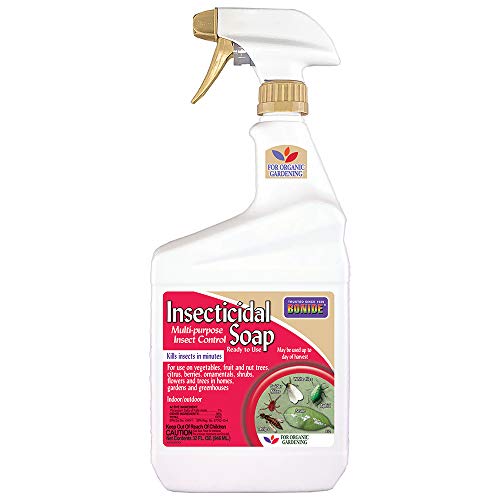
Insecticidal soap can kill aphids on jade, but jade can be sensitive to some soaps and oils. Spot-test first, use it sparingly, and never apply it in hot sun.
When to Reach for Insecticidal Soap
My advice is to start with water and rubbing alcohol. Those methods are gentle and targeted.
Insecticidal soap makes sense if the colony is large or keeps returning despite repeated rinsing and dabbing. It works by breaking down the outer layer of soft-bodied insects like aphids.
Soap only works on contact. It has no lasting effect once it dries, so you must hit the aphids directly.
How to Spot-Test
Because jade has a waxy coating on its leaves, some products can cause damage. Burned, spotted or yellowing leaves are possible.
To test, spray a ready-to-use insecticidal soap on one or two leaves only. Wait 24 to 48 hours and look for any spotting, browning or soft patches.
If the test leaves look fine, you can treat the rest of the plant. If you see damage, stick with water and rubbing alcohol instead.
Application Tips
Follow the product label exactly. More is not better, especially on succulents.
Here’s how I recommend applying it:
- Spray in the morning or evening, never in hot, direct sun
- Move the plant out of a sunny window until the leaves dry
- Cover the aphid colonies thoroughly, including leaf undersides
- Rinse the plant with plain water a few hours later if the label allows
- Avoid soaking the soil with soapy runoff
Use soap only as often as needed, following the same 5 to 7 day cycle. Stop if you see any sign of leaf damage.
Keep the plant away from pets during and after treatment. The ASPCA lists jade as toxic to cats and dogs, and you don’t want pets chewing treated leaves either.
Aphids vs. Mealybugs and Scale
Aphids are small, soft and often green or black, and they gather on new growth. Mealybugs look like bits of white cotton, while scale looks like tiny brown or tan bumps stuck to stems and leaves.
Mealybugs: The More Common Jade Pest
Mealybugs are far more common on jade than aphids. They are covered in a white, waxy, cottony coating.
You’ll usually find them tucked into leaf joints, along stems and around the base of the plant. They move slowly and cluster in protected spots.
If you see fluffy white specks, check out my guide to tiny white bugs on indoor plants. Mealybugs respond well to the same rubbing alcohol treatment.
Scale: The Hidden Pest
Scale insects attach to stems and leaves under a hard or soft shell. They look like small brown, tan or gray bumps and barely move once settled.
Many people mistake scale for part of the plant. Try gently scraping a bump with your fingernail. If it pops off, it’s likely scale.
Scale also produces honeydew, which leads to sooty mold. A black film on stems is often a sign of scale or mealybugs, not disease.
Side-by-Side Comparison
Correct identification matters because each pest hides in different places. Here’s a quick way to tell them apart.
| Feature | Aphids | Mealybugs | Scale |
|---|---|---|---|
| Look | Soft, pear-shaped, green, black or gray | White, cottony, fuzzy | Hard or waxy brown bumps |
| Movement | Crawl readily | Slow | Mostly stationary |
| Location on jade | New tips and flower buds | Leaf joints, stems, base | Stems and leaf surfaces |
| Honeydew | Yes | Yes | Yes |
| How common on jade | Uncommon | Common | Common |
Don’t confuse sooty mold with a stem problem. If you see a jade plant stem turning black and it feels soft and mushy, that points to rot from overwatering, not pests.
Spider mites can also show up on houseplants, though they look and act differently. They leave fine webbing and tiny speckles, which I cover in my guide to spider mites on indoor plants.
Keeping Aphids From Coming Back
The best way to prevent aphids is to quarantine new plants, inspect your jade weekly and control ants. A healthy plant in bright light is also less attractive to pests.
Quarantine and Inspect New Plants
Since aphids so often arrive on new plants, quarantine is your first line of defense. Keep new houseplants separate for two to three weeks.
During that time, check the stem tips, buds and leaf undersides for any bugs. Rinse new