Areca palms are popular indoor plants known for their attractive fronds and air-purifying qualities. These tropical beauties can bring a touch of nature to any space.
But like all plants, they can face problems that affect their health and looks.
Keeping an eye out for common pests and diseases is key to maintaining a healthy Areca palm. By learning about these issues, plant owners can spot problems early and take quick action.
This helps ensure their Areca palms stay lush and green for years to come.
Let’s look at what the 10 Common pests and diseases affecting Areca palm plants are one by one.
1) Spider Mites
Spider mites are tiny pests that can cause big problems for Areca palm plants. These small arachnids are barely visible to the naked eye but can quickly multiply and infest a plant.
Spider mites thrive in dry environments and feed on the sap of Areca palm leaves.
They use their piercing mouthparts to puncture plant cells and extract the contents.
As spider mites feed, they cause yellowing and discoloration of the leaves.
Affected leaves may develop a speckled appearance with tiny yellow or brown spots.
In severe infestations, spider mites produce fine webbing on the plant. This webbing is often visible between leaves or along the stems of the Areca palm.
To prevent spider mite infestations, it’s important to maintain proper humidity around the plant.
Regular misting or using a humidifier can help create an environment less favorable to these pests.
If spider mites are detected, immediate action is necessary. Isolating the affected plant can prevent the mites from spreading to other plants nearby.
Treatment options include using insecticidal soap or neem oil.
These products can be effective in controlling spider mite populations when applied correctly.
Regular inspection of Areca palms is crucial for early detection of spider mites.
Catching an infestation early makes it easier to control and prevent serious damage to the plant.
2) Mealybugs
Mealybugs are common pests that can infest Areca palm plants. These small, soft-bodied insects are covered in a white, powdery substance that gives them a cottony appearance.
Mealybugs feed on the sap of the Areca palm, causing damage to the plant’s leaves and stems.
They often gather in clusters on the undersides of leaves and in leaf axils.
Signs of a mealybug infestation include white, cotton-like masses on the plant, yellowing or wilting leaves, and stunted growth.
The insects may also secrete a sticky substance called honeydew, which can lead to the growth of sooty mold on the plant’s surfaces.
To control mealybugs, isolate the affected Areca palm to prevent the pests from spreading to other plants.
Wipe the insects off with a cotton swab dipped in rubbing alcohol or use insecticidal soap to treat the infestation.
For severe cases, neem oil can be an effective treatment.
Regular inspection and proper plant care can help prevent mealybug infestations in Areca palms.
3) Root Rot
Root rot is a serious problem that can affect Areca palm plants. It occurs when the roots are constantly wet and unable to breathe.
This condition is often caused by overwatering or poor drainage in the soil.
The first signs of root rot are usually seen in the leaves. They may turn yellow or brown and start to wilt. The plant may also stop growing and look generally unhealthy.
If you suspect root rot, gently remove the plant from its pot.
Healthy roots should be firm and white or light tan. Rotted roots will be soft, mushy, and dark brown or black.
Root rot can spread quickly and kill an Areca palm if not treated.
To save the plant, remove all damaged roots with clean, sharp tools. Then repot the palm in fresh, well-draining soil.
Prevention is key when it comes to root rot.
Make sure your Areca palm is in a pot with drainage holes. Water only when the top inch of soil feels dry to the touch.
It’s also important to use a potting mix that drains well.
Adding perlite or sand to regular potting soil can help improve drainage. Avoid letting the plant sit in standing water, especially in its saucer.
By taking these steps, you can help protect your Areca palm from the damaging effects of root rot.
Healthy roots are essential for a thriving, beautiful palm plant.
4) Scale Insects
Scale insects are common pests that affect areca palms. These tiny bugs attach themselves to the leaves and stems of the plant, sucking out sap and weakening the palm.
Scale insects appear as small, round, and flat bumps on the plant’s surface. They can be brown, gray, or white in color. At first glance, they might look like part of the plant rather than insects.
These pests multiply quickly and can form large colonies if left unchecked.
As they feed, scale insects secrete a sticky substance called honeydew. This attracts ants and can lead to the growth of sooty mold on the palm’s leaves.
To control scale insects, start by pruning heavily infested parts of the plant.
Wipe down remaining leaves with a damp cloth to remove any visible insects.
For larger infestations, use insecticidal soap or neem oil.
Regular inspections of your areca palm can help catch scale insect problems early.
Look for discolored or yellowing leaves, which may indicate an infestation.
Keeping your palm healthy through proper care can also make it more resistant to scale insects and other pests.
5) Leaf Spot Disease
Leaf spot disease is a common problem for Areca palm plants. Different types of fungi cause it. These fungi attack the leaves, causing spots to appear.
The spots start small and gradually increase in size over time. They can be brown, black, or yellow in color. The spots may have a dark edge around them.
As the disease gets worse, the spots join together. This makes larger dead areas on the leaves. In bad cases, whole leaves can turn yellow and die.
Wet conditions help leaf spot disease grow. This includes high humidity and too much water on the leaves. Poor air flow around the plant can also make it worse.
To fix leaf spot, remove the sick leaves. This stops the disease from spreading. Make sure to clean your tools after cutting.
Water the plant at the base, not on the leaves. This keeps the leaves dry. Good air flow around the plant helps too.
If the problem is bad, you might need to use a fungicide treatment. Follow the instructions on the label carefully.
To prevent leaf spot, don’t overcrowd your plants. Give them enough space for air to move. Water in the morning so leaves can dry during the day.
Regular checks of your Areca palm can catch leaf spot early. Early treatment is most effective in maintaining your plant’s health.
6) Fusarium Wilt
Fusarium wilt is a serious fungal disease that affects many plants, including Areca palms. It’s caused by the Fusarium oxysporum fungus, which attacks the plant’s vascular system.
This disease blocks water and nutrient flow within the palm. The first signs are usually yellowing and wilting of older fronds. This damage then moves up to younger leaves.
Fusarium wilt can spread quickly and harm the whole plant in a short time. Without proper care, it may even kill the Areca palm.
Careful management is needed to control this disease. Removing affected fronds can help slow its spread.
It’s also important to avoid overwatering, as excess moisture can make the problem worse.
Prevention is key in dealing with Fusarium wilt.
Using clean tools and avoiding injury to the palm can help. Proper watering and fertilization practices also keep plants strong and more resistant to disease.
If a palm is badly infected, it may need to be removed to protect other plants.
There is no cure for Fusarium wilt, so early detection and prevention are crucial.
7) Caterpillars
Caterpillars can be a nuisance for Areca palm plants. These pests are the larval stage of moths and butterflies.
They feed on the leaves of the palm, causing damage to the foliage.
Caterpillars chew holes in the fronds, leaving behind ragged edges. This can make the plant look unsightly and affect its overall health.
In severe cases, caterpillars may strip entire leaves bare.
To spot caterpillar damage, look for chewed leaves and small pellets of frass (caterpillar droppings) on or near the plant.
You might also see the caterpillars themselves hiding on the undersides of leaves.
Handpicking is an effective way to remove caterpillars from smaller Areca palms. For larger infestations, consider using natural insecticides like Bacillus thuringiensis (Bt).
This bacteria specifically targets caterpillars without harming beneficial insects.
Neem oil can also be an effective treatment. It disrupts the feeding habits of caterpillars and can prevent further egg-laying by adult moths and butterflies.
Regular inspection of your Areca palm is key to catching caterpillar problems early.
Look for signs of damage at least once a week during the growing season. Early detection makes control much easier.
Encouraging natural predators like birds can help keep caterpillar populations in check.
Consider adding bird feeders or baths near your Areca palms to attract these helpful allies.
8) Thrips
Thrips are tiny insects that can cause damage to Areca palm plants. These pests are often hard to spot due to their small size, but they can have a big impact on plant health.
Thrips feed on plant cells by piercing the leaves and sucking out the contents. This feeding habit results in silvery or bronze-colored patches on the leaves of Areca palms.
In severe cases, thrips can cause leaves to curl, become distorted, or even fall off prematurely. They can also spread plant viruses, leading to further damage.
To check for thrips, gently shake the palm fronds over a white piece of paper. If present, you’ll see small, slender insects moving on the paper.
Prevention and control methods for thrips include regular inspection of plants and maintaining proper humidity levels.
Misting the plant or using a humidifier can help deter these pests.
If you spot thrips on your Areca palm, isolate the plant to prevent spread.
Treat the affected plant with insecticidal soap or neem oil, making sure to cover all parts of the plant.
For severe infestations, you may need to use chemical insecticides.
Always follow the product instructions carefully when applying any treatments to your Areca palm.
9) Aphids
Aphids are tiny insects that can cause big problems for Areca palm plants. These soft-bodied pests come in various colors like green, yellow, or black.
They feed on plant sap, which can weaken the palm over time.
Aphids often gather on new growth and the undersides of leaves. They leave behind a sticky substance called honeydew, which can attract ants and promote mold growth.
This can make the palm look unsightly and affect its health.
These pests multiply quickly and can spread to other nearby plants.
Regular checks of your Areca palm can help catch an aphid problem early. Look for curled or distorted leaves, which can be a sign of infestation.
To get rid of aphids, you can spray the palm with water to knock them off.
For worse cases, try using insecticidal soap or neem oil. These options are safe for the plant and can be very effective.
Preventing aphids is easier than treating them.
Keep your Areca palm healthy with proper care. This includes the right amount of water, light, and nutrients. Healthy plants are less likely to attract pests.
10) Bacterial Blight
Bacterial blight is a serious disease that can affect Areca palm plants. It’s caused by harmful bacteria that attack the leaves and stems.
The first signs of bacterial blight are small, water-soaked spots on the leaves. These spots grow larger and turn brown or black over time.
As the disease progresses, the leaves may wilt and die. In severe cases, the entire plant can be killed by bacterial blight.
This disease spreads quickly in warm, humid conditions. It can move from plant to plant through water splashes or contaminated tools.
To prevent bacterial blight, avoid overhead watering.
Keep the leaves dry and provide good air circulation around the plants.
If you spot signs of bacterial blight, remove and destroy affected parts right away.
Use clean, sterilized tools when pruning to avoid spreading the bacteria.
Copper-based fungicides can help control bacterial blight. Apply them according to the product instructions.
Keeping your Areca palms healthy and stress-free can make them more resistant to bacterial blight. Proper watering, fertilizing, and light exposure are key.
Symptoms of Pests and Diseases
Areca palms can show signs of trouble through changes in their leaves and overall appearance. Spotting these signs early helps keep plants healthy.
Detecting Signs of Infestation
Pests on Areca palms often leave visible clues. Mealybugs, scales, and spider mites are common culprits. Look for tiny insects or webs on leaves and stems.
Mealybugs appear as white, fuzzy spots. Scales form as bumpy areas on stems. Spider mites create fine webbing between fronds.
Damaged leaves may show yellow or brown spots. Some leaves might curl or fall off too soon. Check the undersides of fronds, where pests often hide.
Sticky residue on leaves can signal pest activity. This “honeydew” comes from insects feeding on the plant. It can lead to black, sooty mold growth if left unchecked.
Identifying Disease Symptoms
Diseases in Areca palms usually affect the leaves first. Leaf spots are a common sign of fungal issues. These appear as dark or discolored areas on fronds.
Yellowing leaves can point to various problems. It might mean too much water, poor drainage, or nutrient deficiencies.
Brown leaf tips often suggest underwatering or low humidity.
Wilting fronds, despite proper watering, may indicate root rot. This serious condition results from overwatering or poor soil drainage.
Unusual growth patterns or deformed new leaves can signal disease or pest issues. Watch for stunted growth or fronds that don’t open properly.
Foul odors from the soil or roots typically mean severe rot problems. This requires immediate attention to save the plant.
Preventive Measures for Areca Palm Health
Good care practices keep Areca palms healthy. Proper pest prevention and soil management are key to avoiding problems.
Best Practices for Pest Prevention
Regular inspections are vital for early pest detection.
Check leaves, stems, and soil weekly for signs of bugs or damage. Keep the area around your palm clean and free of debris.
Prune dead or yellowing fronds to remove pest hideouts. Use sterile tools to avoid spreading diseases. Wipe leaves with a damp cloth to remove dust and pests.
Natural pest control methods work well:
- Neem oil spray repels many insects
- Insecticidal soap targets soft-bodied pests
- Beneficial insects like ladybugs eat harmful bugs
Quarantine new plants for 2-3 weeks before placing near other palms. This stops pests from spreading.
Soil and Water Management
Proper soil and water care prevents many Areca palm issues.
Use well-draining potting mix to avoid root rot. Add perlite or sand to improve drainage if needed.
Water only when the top inch of soil feels dry. Overwatering leads to pest and disease problems. Use pots with drainage holes to prevent water buildup.
Fertilize regularly with a balanced, palm-specific fertilizer. Follow package instructions for amounts. Too much fertilizer can burn roots and attract pests.
Monitor humidity levels. Areca palms prefer 40-50% humidity.
Use a pebble tray or humidifier in dry areas. Mist leaves occasionally, but avoid getting water on the trunk.
Treatment Options
Areca palm plants can be treated using natural or chemical methods. The right approach depends on the specific pest or disease affecting the plant. Proper treatment helps restore the palm’s health and prevents further damage.
Natural Remedies
Natural treatments are safe and eco-friendly options for areca palms.
For pest control, neem oil is effective against mealybugs, scales, and spider mites. Mix 1 tablespoon of neem oil with 1 quart of water and spray on affected areas.
Pruning infected leaves helps manage leaf spot disease. This improves air flow and stops the spread. Watering at the base of the plant, not on leaves, reduces fungal growth.
For spider mites, a strong spray of water can dislodge them. Repeat every few days. Introducing beneficial insects like ladybugs can also control pest populations naturally.
Chemical Treatments
Chemical options may be needed for severe infestations or diseases.
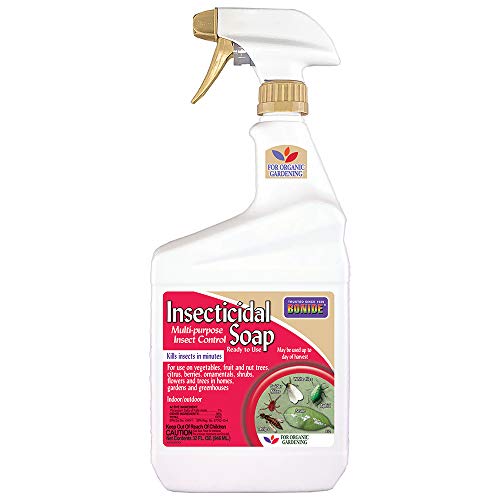
Insecticidal soaps effectively control many pests on areca palms. Apply as directed on the product label.
For fungal diseases, copper-based fungicides can be used. These treat leaf spots and other fungal issues. Follow package instructions carefully for proper dosage and application.
Systemic insecticides provide long-lasting protection against pests. They are absorbed by the plant and distributed throughout. This makes them effective against hidden pests.
Always wear protective gear when applying chemicals.
Test on a small area first to check for plant sensitivity. Avoid overuse of chemicals to prevent pest resistance.

Frequently Asked Questions
Areca palms face several common issues that can affect their health and appearance. Proper identification and treatment are key to keeping these plants thriving.
What are the common diseases affecting Areca palms and how are they treated?
Areca palms often deal with leaf spot disease. This fungal problem causes dark spots on leaves. Treat it by removing infected leaves and using a fungicide.
Root rot is another frequent issue. It happens when soil stays too wet. To fix this, improve drainage and cut back on watering.
How can I identify and treat pests on my Areca palm?
Spider mites, mealybugs, and scale insects are common Areca palm pests.
Spider mites cause tiny spots on leaves. Mealybugs look like white cotton. Scale insects form hard bumps on stems.
Use insecticidal soap or neem oil to treat these pests. Wipe leaves regularly to spot problems early.
What is causing the black spots on my Areca palm’s stems?
Black spots on stems often mean scale insects. These pests suck sap from the plant. They can weaken the palm if left untreated.
Remove scales by scraping them off. Then apply horticultural oil to prevent their return.
What symptoms indicate a fungal infection in Areca palms?
Yellowing leaves, brown spots, and wilting can point to fungal problems. Leaf edges may also turn brown or black.
Check the soil moisture. Too much water can lead to fungal growth. Improve air flow around the plant to help prevent infections.
Why is my Areca palm dying, and how can I save it?
Many issues can cause an Areca palm to decline.
Check for pest infestations, fungal diseases, or watering problems.
Prune away dead or diseased parts.
Adjust watering and light levels.
Treat any visible pests or diseases promptly.
How do you treat fungus found on the trunk of a palm tree?
Fungus on the trunk can be serious.
Cut away infected parts with clean tools. Apply a copper-based fungicide to the trunk.
Improve growing conditions.
Ensure good drainage and avoid overwatering.
These steps help prevent future fungal issues.

Hello there! I’m Elsa, and gardening is my passion. As an avid gardener, I created GardeningElsa.com to share my knowledge and experience with fellow enthusiasts. My website is a comprehensive resource for gardeners of all levels, offering expert advice on a wide range of topics, including plants, flowers, herbs, and vegetable gardening. Whether you’re a beginner looking to start your first garden or a seasoned pro seeking to expand your knowledge, GardeningElsa.com has something for everyone. Read more about me.