
To water air plants that are glued, mist the leaves thoroughly two to three times a week, or dunk the whole piece if the mount and glue can handle water, then tilt or flip it so the plant dries within about 4 hours. The goal is soaking-wet leaves and a base that never stays damp against the glue or wood.
I treat a glued Tillandsia like any other air plant that happens to be stuck in place. It still drinks through its leaves, it still rots if water sits in its center, and it still needs a full drying window before the next watering.
Why Do Glued Air Plants Need a Different Watering Method?
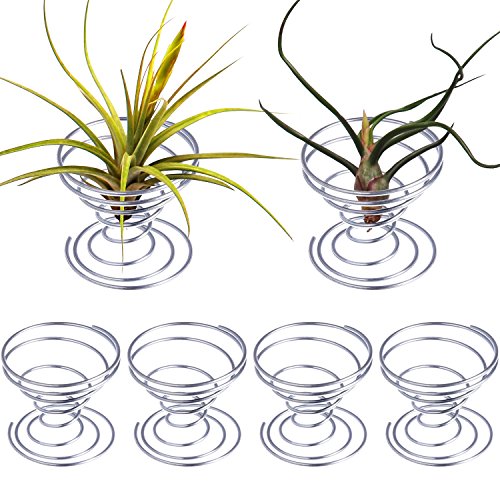
Glued air plants need extra care because the usual 20 to 30 minute soak can leave water trapped against the mount, the glue, and the plant’s base. If you are stocking up, a spray bottle is the first thing I would pick up.
Leaves absorb the water, and the base is where rot starts, so your method should wet the first and protect the second.
How Do Tillandsia Absorb Water?
Air plants are Tillandsia, a genus of roughly 650 species in the bromeliad family. They’re epiphytes, which means they grow on trees, rocks, or even wires without stealing anything from them.
Their leaves are covered in tiny scales called trichomes. These scales catch water and nutrients and pull them into the plant, while the roots only hold the plant in place.
That’s why a glued base causes no harm to drinking. As long as the leaves get thoroughly wet, mounted air plants can hydrate as well as loose ones.
Trichomes need a few minutes of contact to do their work. A light spritz that dries in a minute or two gives them very little, so a thorough soaking of the leaves counts for far more than how often you spray.
Why Does Moisture Trapped at the Base Cause Trouble?
Water trapped at the base is the number one killer of air plants. When moisture wicks down between tight leaves and sits there for hours, the tissue softens and rots from the center out.
A mount makes this worse in a few ways:
- Wood and cork soak up water and hold it against the base.
- A glue joint can create a little pocket where drops collect.
- A fixed display can’t be flipped upside down like a loose plant.
- Shells and bowl-shaped holders catch runoff right under the plant.
Rot often stays hidden for a week or more. By the time you notice a dark base, the plant usually can’t be saved, so prevention is the whole game.
How to Mist Glued Plants Thoroughly
Misting is the safest everyday method for glued plants, as long as you mist until the leaves are dripping wet. I’d plan on two to three thorough mistings a week in an average home.

Aim for Wet Leaves, Not a Wet Glue Joint
Use a spray bottle with a fine mist setting and room-temperature water. Hold it about 6 to 12 inches from the plant so the spray covers every leaf evenly.
Here’s how I’d do it:
- Spray the top of the plant until water beads and runs off the leaf tips.
- Turn the mount or tilt your bottle to hit the undersides of the leaves.
- Mist the outer leaves heavily and go light on the center and base.
- Stop when the whole plant looks darker green or silvery-wet.
- Tilt the piece so extra water runs away from the glue joint.
A few drops landing on the base won’t hurt. Steady streams pooling into the crown will, so angle your spray across the leaves and keep the nozzle pointed away from the base.
How to Mist a Display You Cannot Move
Wall frames, wreaths, and large driftwood pieces can’t always come down for watering. Lay a towel underneath, then mist from several angles so the back of the plant gets wet too.
Water in the morning so the plant has the whole day to dry. If you can, run a small fan on low a few feet away for a couple of hours afterward.
Check the base with a fingertip about 4 hours later. If it still feels cool and wet, use less water next time or improve the airflow around that spot.
When Can You Dunk the Whole Mount?
You can dunk the whole piece when the mount is waterproof, the glue is fully cured and holding firm, and the plant can dry quickly afterward.
Dunking gives the leaves a deeper drink than misting, so I like it as a weekly treat for sturdy mounted air plants.
Check the Mount and Adhesive Before Dunking
Before you dunk, look over the whole display. These materials handle a quick dip well:
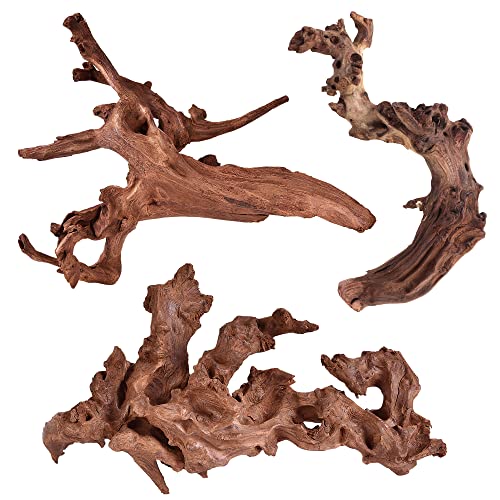
- Untreated driftwood, branches, and cork bark
- Stone, lava rock, and glazed ceramic
- Seashells (rinse out any trapped water afterward)
Skip dunking if the mount is painted, made of cardboard or paper, held together with craft glue, or has fabric or moss that stays soggy. Also skip it if the plant wobbles, since water can loosen a weak bond further.
Waterproof adhesives handle a short dunk fine. Long or repeated soaks can weaken some bonds over time, which is one more reason to keep dips brief.
Dip the Leaves Without Submerging a Vulnerable Base
Fill a bowl or sink with room-temperature water. Cold tap water in winter can shock the plant, so let it warm up first.
Hold the mount and dip the plant upside down so the leaves go under and the base stays above water. Swish it gently for 10 to 30 seconds, or up to a few minutes for a thirsty green plant.
If the whole mount must go under, keep it brief and lift it out right away. Then shake and dry it as described below. Avoid long full-mount soaks, since wood keeps holding water for hours afterward.
When Is a Quick Rinse Better Than a Soak?
A quick rinse is the better choice for bulbous plants, very fuzzy plants, and any glued plant you can easily hold under a faucet. It wets the leaves fast and drains away fast, which suits plants that hold water in their centers.
Rinse Bulbous or Very Fuzzy Plants Briefly
Some Tillandsia trap water more easily than others. T. bulbosa has a swollen base where water hides between the leaves, and T. xerographica has a crown that cups water like a bowl.
For these, I’d rinse the leaves for 30 to 60 seconds, then flip the plant and shake it.
Very fuzzy silver types like T. tectorum and T. harrisii are built for drier air, so a quick rinse every week or so keeps them happy without risking rot.
Keep Water Pressure Gentle and the Mount Secure
Turn the faucet to a soft, steady flow of room-temperature water. Strong pressure can rub off trichomes, bruise leaves, or pry the plant loose from the glue.
Hold the mount itself, never the plant, and tilt it so water runs off the leaf tips and away from the base. If you have a sprayer hose on the sink, use its gentlest setting.
How to Dry the Plant and Mount Without Rot
Drying is half of watering, and your mounted air plants should be fully dry within about 4 hours. If they stay wet longer, rot becomes a real risk, no matter how good your watering method was.
Shake Out Water and Dry Upside Down or Tilted
Right after watering, turn the piece upside down and give it a few firm but gentle shakes. Watch the water fall from between the leaves.
Then set it to dry where air moves freely:
- Rest small mounts upside down on a towel or in a dish rack.
- Lean larger pieces against a wall so the plant tilts sideways or downward.
- Hang wall pieces back up only after the base is dry.
- Keep them out of hot afternoon sun, which can scorch wet leaves.
- Avoid cold drafts while the plant is wet.
A low fan several feet away speeds things up. Gentle air movement works better than strong blowing.
Check for Moisture Between Leaves and Against Wood
Look into the center of the plant and between the lower leaves. Any shiny water there needs more drying time.
Then touch the wood or cork right under the glue joint. If the mount feels damp, the plant’s base is sitting against moisture, so leave the piece out longer before returning it to a shelf, frame, or globe.
Never put a damp plant back into a closed container. If you’re thinking about displaying air plants in a closed terrarium, know that the stale, humid air inside keeps the base wet and invites rot.
Which Water Should You Use?
Rainwater is my top pick, and filtered or dechlorinated tap water works well for most homes. Whatever you use, keep it at room temperature.
Choose Rainwater or Suitable Tap Water
These are all good choices:
- Rainwater collected in a clean container
- Pond or aquarium water, which carries trace nutrients
- Bottled spring water
- Filtered tap water
- Tap water left out overnight so chlorine can escape
If your tap water is very hard, you may see white mineral spots on the leaves over time. Switching to rainwater or spring water fixes that.
In spring and summer, you can add air plant or bromeliad fertilizer at quarter strength to your mist or dunk water about once a month. Pick one that’s urea-free and low in copper.

Avoid Distilled and Softened Water
Distilled water has had its minerals removed, so a plant on a steady diet of it slowly loses vigor. Reverse osmosis water has the same problem.
Softened water is worse. Home water softeners add salt, and salt builds up on the leaves and damages them. If your house has a softener, use an outdoor spigot that bypasses it or switch to rainwater or bottled spring water.