
Most air plants die from water trouble: either water trapped in the base that rots the plant from the center, or too little water that leaves it dry and crispy. Weak light, cold drafts, copper and the natural fade after blooming account for most of the rest.
The good news is that a thirsty Tillandsia often bounces back within days of a proper soak. A rotting one is a different story, so the first step is figuring out which problem you have.
Air plants give you clear clues if you know where to look.
Is Your Air Plant Dying or Just Thirsty?
A plant that’s curled, dull and light in your hand is usually just thirsty. A plant that’s dark, soft or falling apart at the center is in real trouble. Check the leaves first, then the base, before you change anything in your routine. If you are stocking up, a spray bottle is the first thing I would pick up.
What Do Dry, Curling Leaves Tell You?
Curling leaves mean your plant is short on water. Air plants roll their leaves inward to hold onto moisture, so a plant that looks tighter and more cupped than when you bought it wants a drink.
Other thirst signs to look for:
- Leaves look dull, wrinkled or a bit deflated
- The plant feels lighter than usual
- Leaf tips turn dry and brown
- Silvery types look extra pale or papery
Some species curl naturally, so compare the plant to how it looked when it was healthy. If you’re unsure what’s normal for your type, my guide to air plant leaves curling shows the difference.
How Can You Tell If an Air Plant Is Dead?
Hold the plant by its leaves and give a very gentle tug. If the center leaves slide out easily, or the whole plant falls apart, the core has rotted and the plant is dead.
A dead air plant also tends to have a black or dark brown base that feels mushy. It may smell sour. A dying air plant with a firm, green or silvery center still has a chance, even if the outer leaves look rough.
If the base is firm and only the outer leaves are dry, treat it as a thirsty plant. Soak it and watch for the leaves to plump up over the next few days.
Rot From Water Trapped in the Base
Rot is the number one killer of air plants, and it almost always starts with water sitting in the base after watering. Air plants drink through tiny scales called trichomes on their leaves.
Their roots only anchor them, so they’re built to get wet and then dry fast.
When water pools between the tight lower leaves, air can’t reach the tissue. Fungi and bacteria move in and break the plant down from the inside.

What Does a Rotting Air Plant Look Like?
A rotting plant shows damage at the base first, usually before the outer leaves look bad. Watch for these signs:
- The base turns dark brown or black
- The base feels soft or mushy when you squeeze it gently
- Leaves loosen and fall out from the center
- A sour or musty smell
- Brown that spreads upward from the bottom instead of down from the tips
That last point helps you tell rot from thirst. Thirst browns the tips; rot browns the base.
Can You Stop Rot Before It Reaches the Center?
Yes, if you catch it while only a few outer leaves are affected. Once the center is mushy, the plant can’t recover.
Here’s what I’d do with early rot:
- Gently peel away any soft, brown outer leaves at the base.
- Set the plant upside down on a dry towel in a spot with good airflow.
- Skip watering for several days so the base dries completely.
- Go back to soaking, but always shake the plant and dry it upside down afterward.
Your goal is to have the plant fully dry within about 4 hours of watering. Morning watering helps, because the plant has the whole day to dry out.
Dying air plants with rot rarely come back once the core goes, so prevention is your best tool.

Underwatering and Crispy Brown Tips
Underwatering is the second most common problem, and it’s the easiest to fix. Brown leaf tips that feel dry and crispy, plus extra curling, point straight to thirst. Many people buy air plants thinking they live on air alone, so they water too little.
Most air plants can go about 2 weeks without water without serious harm. Fuzzy silver types last longer, and green types less.
A month or more without water causes damage. You can read more about how long air plants can go without water if you travel.
Why Isn’t Occasional Misting Enough?
A quick mist wets the surface but doesn’t give the trichomes enough time to absorb a full drink. In most American homes, heating and air conditioning keep humidity around 30 to 50%, and a light mist evaporates within minutes.
Misting works as an extra between soaks in very dry homes. It isn’t enough as the only water source for most plants. Watering air plants by mist alone is one of the most common reasons for slow, crispy decline.
How Should You Soak and Dry a Thirsty Plant?
A soak gives the plant time to fully rehydrate. For a very dry plant, I’d start with a longer rescue soak, then switch to a regular routine.
- Fill a bowl with room-temperature rainwater, spring water or dechlorinated tap water.
- Submerge the plant completely. For a badly dried-out plant, soak it 1 to 2 hours.
- Lift it out and shake it gently, upside down, to get water out of the base.
- Lay it upside down or on its side on a towel in bright, airy light.
- Return it to its display only once it’s fully dry, within about 4 hours.
After the rescue soak, go to 20 to 30 minutes once a week. Give T. xerographica and other very fuzzy or bulb-shaped types a quick dunk or rinse, since their shape holds water longer.
Water That Can Stress Air Plants
The kind of water you use matters almost as much as how often you use it. Pure distilled water and softened water both cause slow problems that look like general decline.
Why Avoid Distilled and Softened Water?
Distilled water has had all its minerals removed. Air plants get their nutrients through their leaves from the water around them, so a steady diet of distilled water leaves them hungry over time. It can also pull minerals out of the leaf tissue.
Softened water is worse. Home water softeners swap hard minerals for sodium, and that salt builds up on the leaves. Over weeks, you’ll see brown tips and a dull, stressed look that no amount of soaking fixes.
Which Tap Water Alternatives Can You Use?
These options work well:
| Water type | Good choice? | Notes |
|---|---|---|
| Rainwater | Yes | My top pick; collect it in a clean bucket |
| Pond or aquarium water | Yes | Adds a little natural food |
| Bottled spring water | Yes | Easy for a small collection |
| Filtered tap water | Yes | Most pitcher filters are fine |
| Tap water left out overnight | Usually | Lets some chlorine escape |
| Distilled water | No | No minerals |
| Softened water | No | Too much sodium |
If your tap water is treated with chloramine, letting it sit won’t clear it. A filter or a dechlorinator from the aquarium aisle handles that. In hard-water areas like much of the Southwest, spring water or rainwater keeps white mineral spots off the leaves.
Too Little Light and Slow Decline
A plant in a dim spot fades slowly over months, so the cause is easy to miss. Air plants want bright indirect light or a few hours of gentle morning sun. In true low light, they lose color, stop growing and eventually die.
Signs of a light problem include faded or washed-out color, soft and floppy leaves, and no new growth over a full season. Green types handle lower light better than silvery ones, but none of them live long on a dark shelf.
Where Can You Find Enough Indoor Light?
The best spot is usually within 3 to 5 feet of an east-facing window, where the plant gets soft morning sun. A south or west window works if the plant sits back from the glass or behind a sheer curtain.
Bathrooms are popular, but only bright ones with a window work. A windowless bathroom gives humidity without light, and that combo leads to rot. For more detail on placement, see my post on whether air plants need sun.
Can a Grow Light Help in a Dim Room?
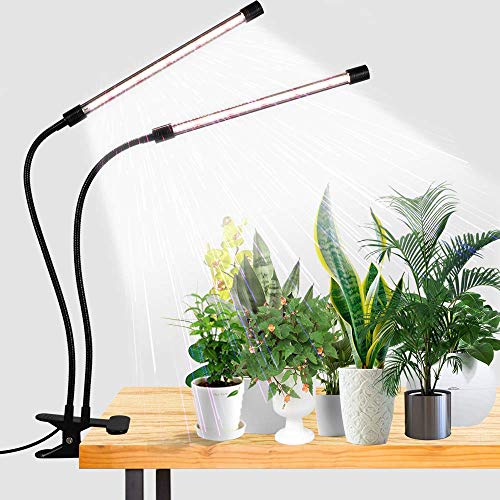
Yes, air plants grow well under artificial light. Use a full-spectrum LED or fluorescent light set 6 to 12 inches above the plants. Run it about 12 hours a day; a cheap outlet timer makes that easy.
Grow lights are a good fix for offices, basements and north-facing rooms. They also help in Northeast and Midwest winters, when days are short and gray.
Sun Scorch and Excess Heat
Too much direct sun burns air plants, especially hot afternoon sun through window glass. Glass magnifies heat, and a plant on a sunny sill can cook in a single afternoon.
How Do You Recognize Sunburn?
Sunburn shows up as bleached, white or tan patches on the leaves facing the window. Leaves may turn crispy and brown across the middle, not just at the tips. The plant dries out much faster than usual, too.
Don’t confuse sunburn with red color. Many species blush red or pink before blooming, and bright light can tint leaves red in a healthy way. Bleached and crispy means damage; rosy and plump is fine.
Which Air Plants Tolerate More Sun?
Silvery, fuzzy types handle the most light. Their dense trichomes act like a sun shield. Good picks for brighter spots include:
- T. xerographica
- T. tectorum
- T. harrisii
Green, smooth types such as T. bulbosa, T. brachycaulos and T. cyanea want less light and more water. In the Southwest and Southeast, I’d keep every type out of afternoon sun in summer and water a bit more often during heat waves above 90°F.
Cold Damage and Frost Exposure
Air plants are tropical and subtropical, and frost kills them. When water inside the cells freezes, it expands and bursts the tissue, and that damage can’t be undone.
What Temperatures Are Too Cold?
Air plants are happiest between 50 and 90°F. Short dips into the mid-40s cause stress, and anything near 32°F is deadly.
Cold damage shows up as:
- Leaves turning brown or black at the tips or edges
- Soft, water-soake