
To attach air plants to wood safely, fix only the base of the plant to clean, dry, untreated wood using a dab of waterproof, plant-safe glue, a loose loop of fishing line, or non-copper wire, and keep every leaf free. That one rule protects the plant, because air plants drink and feed through their leaves.
Air plants are Tillandsia, a genus of roughly 650 species in the bromeliad family. In the wild they’re epiphytes that cling to trees, rocks and even power lines without taking anything from them.
Your job when you attach air plants to wood is to copy that setup: a firm grip at the base, open air around the leaves, and wood that dries fast after watering.
A Safe Mount in Five Steps
Mounting air plants takes about 15 minutes of work plus a day of waiting for glue to cure. The safe order is to prep the wood first, check the plant, fasten only the base, and hold off on watering until the bond sets.
Gather a Plant, a Mount, and a Fastener
Start with a healthy, compact plant. Tillandsia ionantha is my top pick for a first mount because it’s small, sturdy and has a firm base that grips glue or line well.
Here’s what you’ll need:
- One or more air plants with firm, unbroken bases
- A piece of untreated wood with a groove, knot or flat spot
- A fastener: plant-safe waterproof glue, clear fishing line, or aluminum or steel wire
- Scissors or wire cutters, a soft brush, and a clean cloth
- A drill with a small bit (optional, for threading line or wire)
Clean and Dry the Wood
Scrub the wood with a soft brush and plain water to remove dust, loose bark and grit. Skip soap and bleach, since residue can sit on the surface where the plant will rest.
Sand down sharp splinters that could poke leaves. Then let the piece dry completely. Thick or porous wood such as driftwood can take two or three days indoors before it’s dry all the way through.
Check the Plant and Plan Its Position
Give the plant a 20 to 30 minute soak a day or two before mounting, then let it dry fully upside down. A hydrated plant handles the stress of moving better, and a dry base helps glue stick.
Gently pull off any dead lower leaves. Next, hold the plant against the wood in a few spots and pick one where:
- The base sits snug in a groove or on a flat area
- The plant tilts slightly sideways or downward so water can drain
- Leaves aren’t pressed flat against the wood
- You can reach the plant easily for watering
Avoid deep cups and holes where water would pool around the base.
Secure the Base Without Covering Leaves
Fasten only the hard bottom of the plant, where the leaves join together. Glue, line or wire on the leaves blocks the tiny scales called trichomes that soak up water and nutrients.
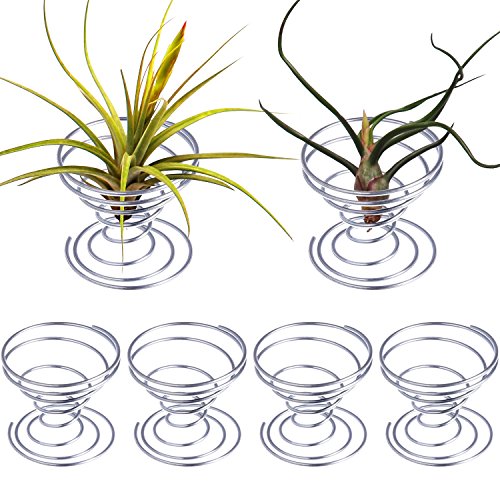
The plant should sit still when you tilt the wood, but no leaf should look pinched or creased. If it wobbles, add a second loop of line or a little more support. Don’t press harder.
Let the Mount Set Before Watering or Hanging
Plant-safe glues need about 24 to 48 hours to cure fully. Keep the mount flat and dry during that time.
Line and wire mounts are ready right away, but I’d still let the piece rest a day before hanging it. That gives you time to spot any slipping or leaning before the plant is up on a wall.
Which Woods Make the Best Mounts?
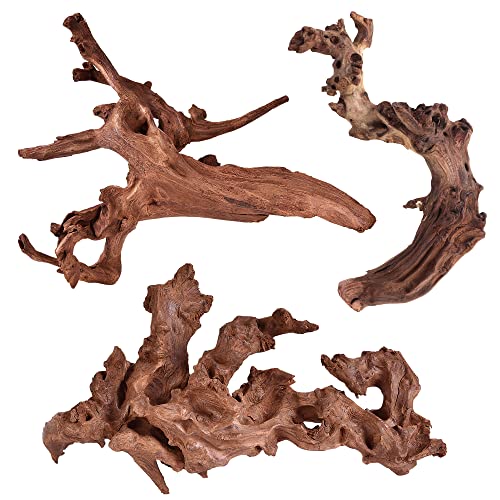
The best woods are dense, untreated pieces that shed water quickly and have natural nooks. Driftwood, grapevine, cholla, mopani, cork bark and oak all fit that bill.

Driftwood, Grapevine, and Cholla Wood
Driftwood is my favorite all-around choice. It’s already weathered and smooth, it dries fast, and its curves give you plenty of cradles for plant bases. Buy it from a craft or aquarium supply source, or rinse and dry beach-found pieces well before using them.
Grapevine wood is dense and twisty, with knots and holes left from years of pruning. It handles regular moisture well, and its tangled shape suits hanging displays.
Cholla wood is the dried skeleton of a desert cactus. It’s light and full of holes, so you can tuck small plants into openings with little or no fastener.
Mopani wood is heavy and two-toned, which makes it a steady base for tabletop pieces that won’t tip.
Cork Bark, Oak, and Other Sturdy Choices
Cork bark is light, water-friendly and full of crevices. Flat slabs make easy wall plaques, and curved tubes hold plants in natural pockets.
Oak branches and slices are hard and long-lasting. Pick pieces with the loose bark removed so water doesn’t get trapped underneath.
Reclaimed wood works if it’s raw and solid. Old barn boards or fence pieces are fine as long as they’ve never been painted, stained or treated.
| Wood | Weight | Dries fast? | Best use |
|---|---|---|---|
| Driftwood | Light to medium | Yes | Tabletop and hanging |
| Grapevine | Light | Yes | Hanging branches |
| Cholla | Very light | Yes | Small plants, no fastener |
| Mopani | Heavy | Medium | Stable tabletop bases |
| Cork bark | Very light | Yes | Wall plaques |
| Oak | Medium to heavy | Medium | Branches and slices |
Which Woods and Finishes Should You Avoid?
Skip any wood that carries chemicals, holds moisture, or is breaking down. These problems lead straight to a sick or rotting plant.
Pressure-Treated, Painted, or Chemically Finished Wood
Pressure-treated lumber is the biggest one to avoid. Many treatments contain copper compounds, and copper is toxic to air plants. Treated boards often have a greenish tint or small slit marks on the surface.

Paint, stain, varnish and heavy sealers are also poor choices. They can flake or leach when wet, and they keep the surface from drying evenly.
If you love a piece of reclaimed wood, use it only if it’s raw all the way through, or strip and sand it down to bare wood first.
Damp, Crumbling, or Salt-Crusted Pieces
Soft, spongy or crumbling wood holds water like a sponge. That keeps the plant’s base wet for hours, which is how rot starts.
Watch for these warning signs on any piece:
- A musty or sour smell
- Mold, mildew or white fuzz
- Bark peeling away in sheets
- Insect holes with fresh sawdust
- A white, crusty film from salt water
Salt-crusted driftwood needs a long soak in fresh water with a few water changes, then several days of drying. Wood that still smells musty after that belongs in the yard waste bin.
How to Use Glue Without Harming the Plant
You can safely glue air plants to wood as long as you use a waterproof, non-toxic adhesive and keep it on the base only. A small amount, a full cure, and careful placement make the difference.
Choose a Waterproof, Plant-Safe Adhesive
Look for a clear, flexible craft adhesive labeled waterproof and non-toxic once dry. Gel-style glues sold for aquarium and terrarium use also work well because they’re made to sit in water.
Flexibility helps, since the plant’s base swells a bit when it takes up water. Stay away from leftover builder’s or construction glues from other projects. Their solvents can burn plant tissue.
Apply a Small Amount to the Base and Let It Cure
Use a pea-sized dot for small plants and about a dime-sized dot for larger ones. Put the glue on the wood or on the very bottom of the base, never on the leaves.
Wait about a minute until the glue turns tacky, then press the base in place and hold it for 30 seconds. For heavier plants, a loose tie of twine can hold things steady while the glue sets.
Leave the mount dry for 24 to 48 hours before watering.
Once it’s cured, a glued plant needs a slightly different routine. I cover the details in my guide on how to water air plants that are glued.
Why Super Glue and Hot Glue Need Caution
Super glue (cyanoacrylate) is waterproof and non-toxic once dry, and gel versions are popular for aquariums. The risk is in handling. It sets in seconds, so a slip can bond a leaf or your fingers. Use it only on the hard base, in tiny amounts.
Hot glue is risky because heat can scald soft plant tissue. If you use it, choose a low-temperature gun, put the glue on the wood, and wait until it’s warm, not hot, before setting the plant in.
Hot glue also lets go more easily after many soakings, so I’d save it for small, light plants.
How to Secure Plants with Wire or Fishing Line
Line and wire are my first choice for most mounts because you can remove the plant for a proper soak. They hold tillandsias firmly without any chemicals touching the plant.
Loop Wire or Line Loosely Around the Base
Cut about 12 inches of clear fishing line. Wrap it once or twice around the base, slipping it between the lowest leaves, then thread it through a groove or drilled hole in the wood.
Tie a double knot on the back side and trim the ends. For wire, choose aluminum bonsai wire or plastic-coated floral wire. Wrap the base once, twist the tails behind the wood, and leave enough slack that nothing digs in.
Check the fit every few months. The base grows slowly, and a loop that was fine in spring can start to pinch by fall.
Use Twine for a Removable, Natural-Looking Mount
Natural twine, such as thin jute or cotton, blends into bark and gives a rustic look. Tie it around the base and the branch, then knot it underneath.
Twine soaks up water, so it stays damp longer than fishing line. I’d use it on mounts that hang in bright, breezy spots, and replace it once it turns dark or frayed, usually within a year.