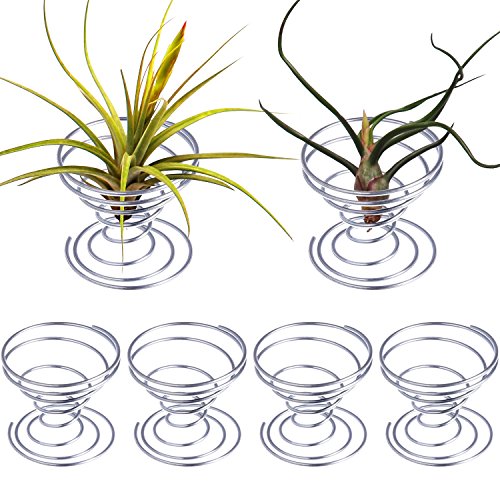
Air plants (Tillandsia) have gained immense popularity among plant enthusiasts across the United States for their unique appearance and relatively low maintenance care requirements. As these soilless wonders make their way into more American homes, one question frequently arises: “Do air plants need sun?”
In short, yes, air plants do need sunlight to thrive, but not direct, intense sun. Most Tillandsia species prefer bright, indirect light for 4-6 hours daily. While they can tolerate some direct morning sun, prolonged exposure to harsh afternoon sunlight can quickly damage these delicate plants. Many air plant varieties that naturally grow attached to trees have evolved to thrive in filtered, dappled light rather than full sun conditions.
Understanding Air Plants: Native Habitats and Light Adaptation
Air plants are epiphytes native to forests and mountains throughout Central and South America, with some species extending into the southern United States, particularly Florida and Texas. In their natural environments, these fascinating plants grow attached to trees, rocks, and other surfaces rather than in soil.
This unique growing style means that most air plants receive filtered light through a canopy of leaves in nature. They’ve specifically adapted to thrive in these dappled light conditions where direct sunlight is broken up by branches and foliage above.
Some Tillandsia species, like the silver-leaved varieties found in drier regions, have evolved specialized adaptations. Their silvery trichomes (tiny hair-like structures) reflect excess light and help the plant absorb moisture from the air more efficiently.
The Science Behind Air Plants and Sunlight
Air plants utilize a specialized form of photosynthesis called CAM (Crassulacean Acid Metabolism). Unlike typical plants, Tillandsia open their stomata at night to absorb carbon dioxide, which they then process during daylight hours.
This adaptation helps air plants conserve water in their natural environments where moisture can be scarce. However, they still require adequate light to complete photosynthesis and generate energy.
Without sufficient light, air plants cannot produce the energy needed for growth, flowering, and pups (baby air plants). Proper light exposure is therefore essential for long-term air plant health and propagation.
Check out Do Air Plants Die After Flowering?
Signs Your Air Plant Needs More Light
Identifying light deficiency in air plants can help you adjust their conditions before serious problems develop. Here are key indicators your Tillandsia may need more light:
- Elongated or stretched growth: Plants reaching or leaning toward light sources
- Pale, washed-out coloration: Loss of vibrant colors or patterns
- Reduced growth rate: Noticeably slower development compared to normal
- Failure to bloom: Mature plants not producing flowers despite proper care
- Weak or floppy leaves: Lack of structural integrity in the foliage
- Reduced pup production: Fewer or no baby plants forming at the base
If you notice several of these symptoms, consider gradually moving your air plant to a brighter location. Remember to make light changes incrementally to avoid shocking the plant.
Signs Your Air Plant Is Getting Too Much Light
Just as insufficient light harms air plants, excessive sun exposure can be equally damaging. Watch for these warning signs of too much light:
- Brown or crispy leaf tips: Initial sign of sun damage
- Bleached appearance: Faded coloration, especially on exposed areas
- Dry, brittle texture: Leaves losing flexibility and becoming fragile
- Curling leaves: Foliage curling inward as a protective response
- Sunburn patches: Brown, dry spots on areas facing direct light
- Overall wilted appearance: Plant appears dehydrated despite adequate watering
If you notice these symptoms, promptly move your air plant to a more sheltered position with bright, indirect light rather than direct sun exposure.
Check out How Fast Do Air Plants Grow?
Ideal Light Conditions for Different Air Plant Varieties
Different Tillandsia species have varying light requirements based on their native habitats. Here’s a helpful guide for some popular varieties found in American homes:
| Air Plant Type | Light Preference | Notes for American Growers |
|---|---|---|
| T. ionantha | Bright indirect light | Tolerates some morning direct sun, popular in California and Florida homes |
| T. xerographica | Bright light to partial sun | Thrives in Southwest conditions, needs protection from afternoon heat |
| T. bulbosa | Moderate to bright indirect light | Perfect for bright bathrooms in Northern states |
| T. caput-medusae | Bright filtered light | Does well near east-facing windows in most US regions |
| T. tectorum | Bright light to partial sun | Silver foliage handles more light, popular in Arizona and Texas |
| T. stricta | Moderate indirect light | Ideal for apartments with limited natural light |
| T. cyanea | Bright indirect light | Needs consistent humidity with light, great for terrariums |
This table provides general guidelines, but observing your specific plant’s response to light conditions remains the best way to determine its individual needs.
Check out 9 Steps to Grow Air Plants from Cuttings
Best Locations for Air Plants in American Homes
Finding the perfect spot for your air plants can make all the difference in their health and appearance. Consider these common placement options:
Windows
East-facing windows provide ideal morning light for most air plants. The gentle morning sun won’t burn your Tillandsia and is sufficiently bright for photosynthesis.
North-facing windows work well for more delicate species that prefer moderate light. These windows provide consistent indirect light throughout the day, especially in southern states with stronger ambient light.
South and west-facing windows typically provide too intense light for most air plants, particularly during summer. If using these locations, place plants several feet back from the window or filter the light with sheer curtains.
Outdoors
In mild climates like Southern California, Florida, and parts of Texas, air plants can thrive outdoors in sheltered locations. Patios, covered porches, and tree branches can provide excellent dappled light conditions.
When placing air plants outdoors, ensure they’re protected from afternoon sun, especially during summer months when UV intensity increases dramatically across the United States.
Remember that outdoor air plants may need more frequent watering due to air circulation and potentially lower humidity levels, particularly in drier western states.
Check out 8 Steps to Trim Air Plants
Artificial Light Options for Air Plants
Not every home has ideal natural light conditions, particularly in northern states with shorter winter days or in apartments with limited windows. Fortunately, air plants can thrive under artificial lighting with the right setup.
Grow Lights
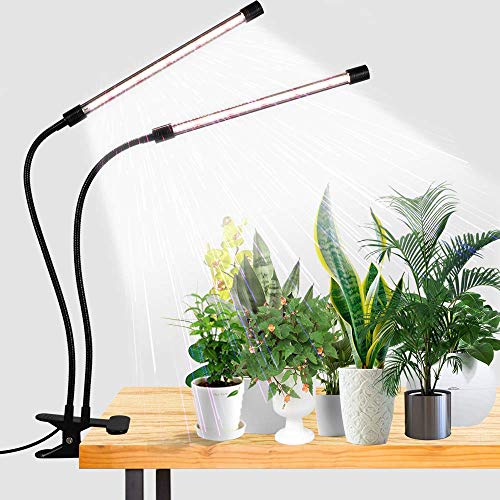
Full-spectrum LED grow lights have become increasingly affordable and effective for indoor plants. To simulate natural conditions, position them 12-18 inches above your air plants and run them for 8-12 hours daily.
Popular American brands like Mars Hydro, Spider Farmer, and Vivosun offer excellent options that provide the light spectrum air plants need without excessive heat that could damage them.
Regular Household Lighting
Standard fluorescent lights can supplement natural light but typically don’t provide enough intensity alone. Place air plants within 12 inches of fluorescent bulbs for maximum benefit if using office or home lighting.
LED household bulbs with “daylight” color temperatures (5000-6500K) provide better spectrum coverage than warm white bulbs. Major retailers like Home Depot and Lowe’s carry these specialized bulbs nationwide.
Read Can Air Plants Survive in Low Light?
Seasonal Light Adjustments for Air Plants
As seasons change across America, adjusting your air plant care routine becomes essential for maintaining optimal health.
Summer Considerations
During summer months, especially in southern states, protect air plants from intensified sunlight. Move them further from windows or add filtering curtains during peak daylight hours (10am-4pm).
Increased air conditioning during American summers can create drier indoor environments. Consider increasing misting frequency or relocating plants away from direct air vents.
Winter Adjustments
Winter brings shorter days across the United States, particularly in northern regions. You may need to relocate plants closer to light sources or supplement with grow lights during these months.
Heating systems reduce indoor humidity during winter, potentially stressing air plants. To maintain proper hydration levels, compensate with more frequent misting and occasional soaking baths.
Combining Light and Watering Needs
Light and water requirements are closely interconnected for air plants. Understanding this relationship helps create optimal growing conditions.
Air plants in brighter locations typically need more frequent watering due to faster evaporation and increased metabolic activity. Plants receiving direct morning sun may require watering 2-3 times weekly instead of once weekly.
Conversely, Tillandsia in lower light conditions require less frequent watering since their growth rate and transpiration slow down. Over-watering under-lit plants often leads to rot issues, a common problem for new air plant owners.
For optimal results, adjust your watering schedule based on both light exposure and seasonal changes in your specific location, whether you’re in the humid Southeast or the arid Southwest.
Read 8 Tips to Attach Air Plants to Wood
Creative Display Ideas That Meet Light Requirements
Air plants offer unique decorative possibilities that can be tailored to meet their light needs. Here are some display ideas popular among American plant enthusiasts:
Hanging Displays
Glass terrariums suspended near east-facing windows create beautiful displays while providing filtered light. These are particularly popular in modern urban apartments in cities like New York, Chicago, and San Francisco.
Macramé hangers positioned near windows but out of direct sunlight offer both style and functionality. This boho-chic approach has gained tremendous popularity across social media platforms.
Mounted Arrangements
Air plants attached to driftwood or decorative wood pieces can be positioned on shelves near windows but protected from direct sun. This natural aesthetic works beautifully in coastal-themed homes from Maine to California.
Vertical living walls incorporating air plants add dimension and interest while allowing you to position each plant according to its light preferences. These statement pieces have become designer favorites in upscale American homes.
Common Light-Related Mistakes to Avoid
Even experienced plant owners sometimes make these common errors when it comes to air plant light exposure:
Mistake 1: Window Glass Magnification
Placing air plants directly against window glass can create a magnifying effect that burns foliage, especially in southern-facing windows. Always position plants a few inches away from the actual glass pane.
Mistake 2: Sudden Light Changes
Abruptly moving air plants from low light to bright conditions can cause shock and sunburn. Always transition gradually over 1-2 weeks, allowing plants to adapt to increased light intensity.
Mistake 3: Ignoring Seasonal Changes
Many plant owners set a care routine and forget to adjust for seasonal light variations. Remember that window light intensity changes dramatically between summer and winter, particularly in northern states.
Mistake 4: One-Size-Fits-All Approach
Treating all air plant varieties the same regarding light needs ignores their natural habitat adaptations. Research your specific varieties to provide tailored care based on their origins.
Adapting Air Plant Care for American Climate Zones
The continental United States encompasses a wide range of climate zones, each presenting unique challenges for air plant care. Understanding your specific region helps optimize light management for these versatile plants.
Northeast and Midwest Considerations
Winter days are significantly shorter in regions with lower light intensity, such as New England, New York, and the Upper Midwest. During these months, positioning air plants closer to south-facing windows (with appropriate filtering) can help compensate for reduced daylight.
Snow reflection can actually benefit air plants during winter months, bouncing additional light through north-facing windows. However, keep plants away from drafty windows where cold air might stress them.
Southern States Approach
Protecting air plants from excessive summer sun becomes the primary concern in states like Florida, Texas, and Georgia. Even indoor plants near windows may need additional filtering during peak summer months.
The higher humidity in southeastern states can partially compensate for brighter light conditions, as plants are less likely to dehydrate quickly. This regional advantage allows for slightly more flexibility in placement.
Western and Southwestern Adaptations
The intense sun in states like Arizona, New Mexico, and Southern California requires extra caution when placing air plants. Even brief exposure to direct sunlight through windows can quickly damage plants in these regions.
The characteristically dry air in western states compounds sun intensity issues, as plants dehydrate more rapidly. Consider more regular misting for air plants in brighter locations throughout these regions.
Special Considerations for Popular Display Methods
Different display methods affect how air plants receive light, requiring specific adjustments to ensure proper exposure.
Glass Containers and Terrariums
Glass enclosures create a greenhouse effect that intensifies light and heat. Position these displays further from windows than you would bare air plants, especially in southern and western regions of the country.
Glass globes and terrariums with narrow openings restrict airflow, exacerbating heat buildup from light exposure. These displays work best in areas with moderate, indirect light rather than near bright windows.
Wall-Mounted Displays
Vertical wall displays place some plants higher than others, creating varying light exposure levels. Use this to your advantage by positioning high-light varieties at the top of the arrangement where light is typically stronger.
Air plants mounted against dark backdrops may absorb more heat than those against light-colored surfaces. Consider this factor when positioning mounted displays in relation to windows or artificial light sources.
Enhancing Growth with Proper Light Exposure
When air plants receive optimal light, they reward owners with specific growth milestones that demonstrate their health and vitality.
Encouraging Blooming
Most air plants require proper light cycles to trigger their flowering process. In mature specimens, consistent exposure to appropriate light levels for 6-8 months often precedes blooming.
When exposed to proper light levels during development, the colorful inflorescences (flower structures) often display more vibrant colors. Plants grown in insufficient light may produce smaller, less colorful blooms or fail to flower entirely.
Supporting Pup Development
After flowering, healthy air plants produce offsets (pups) at their base. Adequate light ensures these baby plants develop strongly from the beginning with proper coloration and form.
Mother plants with sufficient light reserves have more energy for producing multiple healthy pups. Proper lighting is essential for enthusiasts looking to expand their collections through propagation.
Integrating Air Plants into Existing Plant Collections
Many Americans already maintain houseplant collections, making it important to understand how air plants can integrate with existing plant communities and their light requirements.
Companion Planting Considerations
Air plants can share space with tropical houseplants that prefer similar bright, indirect light, such as Pothos, Philodendron, and some Ferns. These arrangements are particularly popular in biophilic home office designs across the country.
Avoid placing air plants under the canopy of larger plants that cast dense shade, as this often creates insufficient light conditions. Instead, position them at similar heights to companion plants for comparable light exposure.
Terrarium Communities
When incorporating air plants into enclosed terrariums with other plants, choose companions with similar light requirements. Moss, small ferns, and certain miniature orchids often work well with the same light conditions that suit air plants.
Position mixed terrariums where all inhabitants receive appropriate light—typically in bright, indirect settings rather than low-light areas or direct sun exposure that might suit only one of the plant types.

FAQs About Air Plants and Sunlight
Can air plants survive in bathrooms with limited natural light?
Yes, many air plants can survive in bathrooms with limited natural light, especially if the bathroom has a window that provides at least some indirect brightness. The high humidity in bathrooms actually benefits air plants, compensating somewhat for less-than-ideal light conditions. Species like T. bulbosa and T. ionantha are particularly well-suited for bathroom environments. However, even these adaptive plants eventually need some exposure to better light conditions—consider rotating them to brighter locations for a few days each week or using a small grow light if your bathroom is particularly dark.
Will air plants grow under fluorescent office lighting?
Air plants can survive under standard fluorescent office lighting, but they typically won’t thrive or reproduce without supplemental light. If office lighting is your only option, choose air plant varieties with green rather than silver foliage, as they’re generally more tolerant of lower light conditions. Position plants as close as possible to the light fixture—ideally within 12-18 inches. For better results, consider adding a small desk-mounted grow light that provides full-spectrum illumination for at least 8 hours daily. Without adequate light, office air plants may survive but show stunted growth and rarely flower.
How can I tell if my air plant is getting enough light?
By observing its growth patterns and coloration, you can determine if your air plant is receiving adequate light. Healthy air plants receiving proper light maintain compact growth forms rather than becoming elongated or “leggy.” Their leaves should display vibrant coloration appropriate for their variety—whether that’s silver, green, red, or purple tones. Another reliable indicator is the plant’s life cycle progression: air plants with sufficient light will eventually flower and produce offsets (pups) when mature. If your plant maintains steady growth, retains proper coloration, and follows its natural reproductive cycle, it’s likely receiving appropriate light levels.
Do air plants need darkness at night?
Yes, air plants benefit from a natural day-night cycle with periods of darkness. During the night, air plants perform a crucial part of their CAM photosynthesis process by opening their stomata to absorb carbon dioxide, which they then process during daylight hours. This adaptation allows them to conserve water by avoiding water loss during hot daylight hours. Providing 8-12 hours of darkness helps maintain this natural rhythm. While brief exposure to household lighting during evening hours won’t harm your plants, avoid keeping grow lights running 24/7, as this disrupts their natural metabolic processes and can stress the plants over time.
Can air plants get too much sun, even indoors?
Absolutely, air plants can get too much sun even when kept indoors. South and west-facing windows in American homes can concentrate intense sunlight, especially during summer months when the sun angle is higher. Signs of excessive light include bleached or faded foliage, brown crispy patches, and curling leaves. Window glass can actually magnify sunlight, creating hot spots that burn delicate air plant tissues. If you notice these symptoms, move the plant further from the window or filter the light with sheer curtains. Remember that locations that work perfectly in winter may become too intense during summer, so seasonal adjustments are often necessary even for indoor plants.
Conclusion: Finding the Sweet Spot for Your Air Plants
Air plants do need sunlight, but finding the right balance is key to their health and longevity. Most Tillandsia thrive in bright, indirect light that mimics their natural habitat beneath forest canopies. With thoughtful placement and seasonal adjustments, these fascinating plants can flourish in homes throughout the United States.
Remember that individual air plant varieties have specific preferences, and observation remains your best tool for determining whether your plants are receiving appropriate light. Watch for signs of both insufficient and excessive light, adjusting placement gradually until you find each plant’s sweet spot.
By understanding the relationship between light, water, and air circulation, you’ll create the perfect microclimate for your air plants to display their unique beauty. Whether you’re growing them in sunny California or during snowy Minnesota winters, these adaptable plants will reward your attention with healthy growth, stunning blooms, and abundant pups to expand your collection.
The versatility of air plants makes them perfect additions to any home, regardless of architecture, window placement, or regional climate. With the knowledge you’ve gained about their light requirements, you’re well-equipped to provide these fascinating plants with the conditions they need to thrive for years to come.

Hello there! I’m Elsa, and gardening is my passion. As an avid gardener, I created GardeningElsa.com to share my knowledge and experience with fellow enthusiasts. My website is a comprehensive resource for gardeners of all levels, offering expert advice on a wide range of topics, including plants, flowers, herbs, and vegetable gardening. Whether you’re a beginner looking to start your first garden or a seasoned pro seeking to expand your knowledge, GardeningElsa.com has something for everyone. Read more about me.