
Powdery mildew on indoor plants looks like someone dusted your leaves with flour, and it keeps spreading until you change the conditions that let it grow.
The fix is to isolate the plant, cut off the worst leaves, spray the rest with potassium bicarbonate or neem oil, and then give the plant more space, steadier airflow, and better light so the fungus can’t settle back in.
The good news is that powdery mildew on houseplants rarely kills a healthy plant when you catch it early. Sprays only slow it down, though.
The real cure is a spot where the fungus struggles to grow, and once you know what to look for, that’s an easy change to make.
How Can You Tell It’s Powdery Mildew?
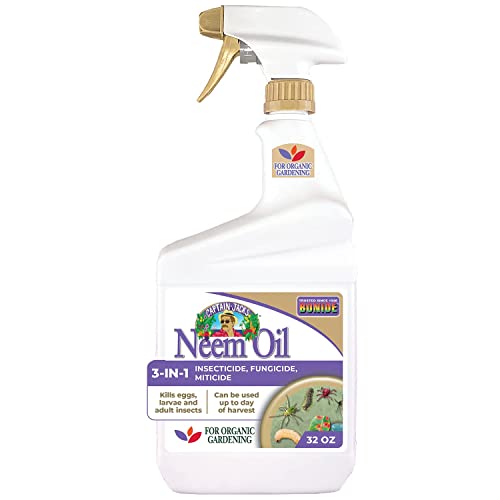
Powdery mildew shows up as dry, white to gray, dusty patches on the tops of leaves that smear off when you rub them and come back a few days later. If you are stocking up, a bottle of neem oil is the first thing I would pick up.
Before you treat anything, it helps to rule out dust, soil mold, and a few small pests that leave white marks behind.
White Powder on Leaves, Stems, and Flowers
The first sign is a few small, round white spots, usually on the upper side of a leaf. Over a week or two, those spots grow and merge into a felt-like coating that can cover whole leaves, stems, buds, and flowers. If you are stocking up, a bottle of neem oil is the first thing I would pick up.
That coating is the fungus itself plus millions of powdery mildew spores ready to blow onto the next leaf. People often mistake it for dirt or dust on indoor plants, which is why it gets ignored until it’s widespread.
As the infection goes on, look for these changes:
- Leaves turning yellow under the white patches
- New growth coming in curled, small, or twisted
- Flower buds that stall and never open
- Older, heavily coated leaves browning and dropping
Among houseplant diseases, powdery mildew is unusual because it lives mostly on the surface of the leaf. It sends tiny feeding threads into the outer cells, shades the leaf, and slowly drains the plant’s energy.
How to Distinguish Mildew from Dust, Soil Mold, and Pests
A quick finger test sorts out most cases. Wipe a leaf gently with a damp paper towel and check again in three to five days.
| What you see | Where it is | What happens when you wipe it |
|---|---|---|
| Powdery mildew | Leaf tops, stems, buds | Wipes off, then returns in spots |
| Household dust | Flat leaf tops, evenly spread | Wipes off and stays gone |
| White soil fungus | Top of the potting mix | Fuzzy, sits on soil, not leaves |
| Mealybugs or other pests | Leaf joints, undersides | Cottony clumps that move or smear sticky |
If the fuzz is on the potting mix, that’s a different problem, usually a harmless fungus feeding on damp soil. My guide to white mold on indoor plants covers that one.
Cottony bits tucked into leaf joints point to insects. If that’s what you’re seeing, check my notes on tiny white bugs on plants. Fine webbing with speckled, pale leaves points to spider mites on indoor plants instead.
Why Does Mildew Show Up Indoors?
Mildew shows up indoors when air sits still around crowded leaves, humidity builds in that pocket of air, and the plant is already a bit weak from low light.

Fungal spores float in on air currents, clothes, and new plants, so they’re almost always present. The conditions decide whether they take hold.
Crowding, Still Air, and Humidity Around Leaves
Poor air circulation is the biggest trigger I see described by extension experts. When pots sit shoulder to shoulder on a shelf or windowsill, leaves touch and trap a layer of damp air between them.
Here’s the odd part. Powdery mildew doesn’t need water sitting on leaves to infect them. Its spores carry their own moisture, so they sprout on dry leaves as long as the air right around them stays humid.
That’s why high humidity combined with still air is so risky. A bathroom shelf, a corner behind a curtain, or a tight cluster of plants on a tray all hold that humid, stagnant air in place.
Dense, bushy plants create the same problem inside their own canopy. A begonia with leaves stacked on top of each other has its own little greenhouse in the middle.
How Low Light and Temperature Changes Add to the Risk
Poor air circulation, low light, and mild temperatures around 70°F favor powdery mildew on plants indoors. That describes a lot of American living rooms from fall through early spring.
Low light weakens the plant and slows how fast leaves dry. It also produces soft, stretched growth that the fungus attacks first.
Temperature swings make it worse. Warm days followed by cool nights, especially on a drafty windowsill, raise humidity right at the leaf surface overnight. That’s the window spores need to sprout.
Too much nitrogen fertilizer adds fuel, since it pushes out tender new shoots.
If you’re unsure about your schedule, my guide on how often to fertilize indoor plants lays out a gentler routine: half-strength liquid feed every 2 to 4 weeks in spring and summer, and little or none from late fall to late winter.
Which Houseplants Are Most Susceptible?
Begonias top the list, followed by African violets, ivy, kalanchoe, jade plant, and indoor rosemary. Many tropical foliage plants, like pothos and monstera, rarely get it, so if mildew keeps hitting one plant and skipping the rest, the plant type is part of the reason.
Begonias, African Violets, and Ivy
Begonias are the plant I’d watch most closely. Their soft leaves, dense growth, and preference for moderate light put them right in mildew’s comfort zone. Rex and cane begonias grown in a dim corner are especially prone.
African violets get it on leaves and flowers. Their fuzzy leaves hold the white coating tightly, and an infection can ruin a whole bloom cycle. Since they also hate water on their leaves, treatment takes extra care.
Ivy grown indoors, particularly English ivy trained up a support or trailing in a crowded hanging basket, picks up mildew when the vines tangle together. Thinning the strands helps a lot.
If you have pets, keep in mind that the ASPCA lists begonias and English ivy as toxic to cats and dogs. African violets are listed as non-toxic.
Kalanchoe, Jade Plants, and Indoor Rosemary
Succulents surprise a lot of people here. Kalanchoe and jade plant are both common mildew hosts, especially when they spend winter in lower light than they’d like or sit in a humid bathroom.
On jade, mildew can leave rough, corky brown scars after the white patches fade. On kalanchoe, it often starts on older leaves near the base where air moves least. The ASPCA lists both as toxic to cats and dogs.
Rosemary brought indoors for winter is one of the most mildew-prone herbs you can grow inside. It wants bright sun and moving air, two things most homes lack from November to March.
The fungi behind powdery mildew are picky. The species that attacks your rosemary is different from the one on your African violet, which is why one plant can be coated while its neighbor stays clean.
Step 1: Isolate the Plant and Remove Infected Growth
Move the infected plant at least a room away from your other houseplants, then remove the worst leaves before you spray anything. Every coated leaf releases fungal spores, so cutting them off lowers the load before treatment starts.
How to Prune Without Stripping the Plant Bare
Carry the plant gently. Shaking or bumping it knocks powdery mildew spores into the air.
Then sort the leaves into three groups:
- Heavily coated or yellowing leaves: Remove these. They won’t recover and they’re spore factories.
- Leaves with a few small spots: Keep these and treat them, as long as they’re still green.
- Clean leaves: Leave them alone, but plan to spray them too.
I’d limit pruning to about one-third of the plant’s leaves at a time. Taking more than that leaves the plant too weak to grow back, especially in winter light.
Cut each leaf at its base with clean scissors or pruners. Also thin any crossing stems or crowded growth in the center so air can move through once the plant goes back on display.
How to Dispose of Leaves and Clean Your Tools
Drop the cut leaves straight into a plastic bag, seal it, and put it in the trash. Skip the compost bin, since a home pile rarely gets hot enough to kill spores.
Pick up any fallen leaves on the soil surface too. They keep producing spores as they dry.
Wipe your pruners with 70% rubbing alcohol before you touch another plant. Wash your hands, and wipe down the shelf or saucer where the plant sat.
Step 2: Choose a Treatment That Suits the Plant
For an active infection, I recommend potassium bicarbonate first, with neem oil or horticultural oil as a second choice. Labeled indoor fungicides are worth it for valuable plants that don’t respond, and anything you pick needs a test patch before you spray the whole plant.

Potassium Bicarbonate for Active Mildew
Potassium bicarbonate is my top pick for mildew you can already see. It works on contact, drying out and breaking down the fungus where the spray lands, and it’s sold as a ready-made fungicide labeled for powdery mildew.
Commercial products are the easiest route because the strength is already set. If you mix your own from food-grade or garden potassium bicarbonate, a common rate is 1 tablespoon plus ½ teaspoon of mild liquid soap per gallon of water.
It leaves a faint white film on some leaves as it dries. That’s residue, and it wipes off on