
White mold on indoor plants is almost always a harmless fungus feeding on damp potting mix, and you fix it by scraping it off, letting the soil dry, and changing how you water. That soft white fuzz is a sign the top of the pot stays wet too long, with too little air and light to dry it out.
The trick is making sure it’s fuzz on the soil and not something else. A dusty coating on leaves, cottony clumps in stem joints, or a hard white crust on the pot rim each need a different fix.
Once you can tell them apart, you’ll know whether to grab a spoon, a spray, or a cotton swab.
What Is the White Stuff on Your Houseplant?
White growth on a houseplant usually falls into one of four groups: soil mold, powdery mildew, pests, or mineral salts. Where it sits and how it feels tell you which one you have. If you are stocking up, a soil moisture meter is the first thing I would pick up.
Soft fuzz on the mix points to mold, dusty film on leaves points to mildew, cotton in leaf joints points to mealybugs, and hard crust points to salts.
Fuzzy Soil Growth vs. Powdery Leaves
Mold on houseplants that grows on the soil looks like fine white threads, a thin web, or cottony patches. It sits on the surface of damp mix, often around bits of bark or a fallen leaf. If you touch it, it collapses.
Powdery mildew lives on the plant itself. It looks like someone dusted the leaves with flour, and it wipes off partway before coming back.
| What you see | Where it shows up | Likely cause |
|---|---|---|
| Soft white fuzz or webbing | Soil surface | Saprophytic fungus (soil mold) |
| Dusty white film | Tops of leaves, stems, buds | Powdery mildew |
| Cottony clumps, sometimes sticky | Leaf joints, undersides | Mealybugs |
| Fine webbing with speckled leaves | Undersides, between leaves | Spider mites |
| Hard, gritty white crust | Soil, pot rim, clay pots | Mineral or fertilizer salts |
How to Spot Mealybugs and Mineral Salts
Mealybugs are tiny, oval, soft-bodied insects coated in white wax. You’ll find them tucked into the spots where leaves meet stems, and they often leave sticky residue behind.
Poke a clump with a toothpick; if something small and oval moves or smears pinkish, it’s a bug.
If the white specks are crawling on the soil instead, my guide to tiny white bugs on plants helps you sort out which pest you’re seeing. Fine webbing paired with pale, speckled leaves points to spider mites on indoor plants, which love hot, dry air.
Mineral salts feel hard and crusty, like scale inside a kettle. These white-to-gray deposits are a sign of salt buildup, not the soft growth of a soil fungus. Hard tap water and fertilizer leave these salts behind as water evaporates.

Why Does White Fuzz Grow on Potting Soil?
White fuzz grows on potting soil because the surface stays wet long enough for fungi to feed on it. Most indoor mixes contain peat, coir, bark, or compost, and all of that is food for the right fungus.
Add still air and dim light, and you have ideal conditions.
Persistent Moisture and Decaying Potting Mix
Overwatering is the number one cause. In most cases it means watering too often, not pouring too much at once. A plant in a dim corner may stay wet for a week or more, while the same plant in a bright window dries in days.
The fuzz itself is mycelium, the threadlike body of saprophytic fungi. These fungi eat dead plant matter, not living roots. That’s why you’ll often see fuzz around a dropped leaf, old bark chunks, or decorative moss sitting on top of the soil.
Other triggers I see often:
- Pots with no drainage hole
- Water left sitting in a saucer or cachepot
- Old, dense potting mix that has broken down and compacted
- A pot much larger than the root ball, so extra soil never dries
- Cool rooms in winter, when plants drink less
How Fungi Spread Between Pots
Fungal spores float in the air of every home, so you can’t keep them out. They land everywhere and only grow where they find steady moisture and food. A bag of potting mix that got damp in storage can also bring mold in with it.

That’s why a whole shelf of plants can sprout fuzz at once. The fungus isn’t jumping from pot to pot so much as every pot on that shelf is getting the same heavy watering, low light, and stale air.
Is It Harmful to Plants, People, or Pets?
Fuzzy soil mold is harmless to the plant itself and poses little risk to healthy people. The real concern is what it tells you about the soil below the surface. Soggy mix is what leads to rotting roots and pest problems.
When Soil Mold Is Mostly a Warning Sign
The saprophytic fungi behind soil fuzz break down dead material and don’t attack healthy roots. A heavy layer can compete with your plant for nutrients, but a light patch does no damage on its own.
For people, I’d still keep exposure low. If you have mold allergies, asthma, or a weak immune system, wear a mask and gloves when you scrape it, and do the job away from the kitchen.
Pets are a smaller worry. Keep dogs and cats from digging in or eating moldy soil, since it can upset their stomachs. If you use any spray afterward, check the label and keep pets off treated leaves until they dry.
Signs of Root Rot and Other Trouble
Root rot starts when roots sit in waterlogged soil and run out of air. The soil fuzz and the rot share one cause, so take a closer look if mold shows up with any of these:
- Wilting even though the soil is wet
- Yellow lower leaves that keep spreading
- Soft, dark, or mushy stems at the soil line
- A sour, swampy, or rotten smell from the pot
- Fungus gnats hovering around the plant
Fungus gnats are small dark flies that breed in damp soil, and their larvae live in the top 1 to 2 inches. My guide to bugs in houseplant soil covers them in detail.

If your plant is going downhill even after you’ve dealt with the mold, this rundown of why your houseplant is dying helps you check other causes.
How to Remove Mold from Houseplant Soil
You remove white mold on houseplants by scooping it off and then letting the soil dry before you water again. Most plants don’t need repotting for a small patch. Scraping without changing your watering just means the fuzz comes back in a week or two.
Scoop Away the Growth and Clear Dead Debris
Here’s the method I recommend:
- Move the plant outside, to a porch, or into a bathtub so spores don’t land on furniture or food.
- Put on gloves, plus a mask if you’re sensitive to mold.
- Use a spoon to lift off the fuzz and the top ½ to 1 inch of mix underneath it.
- Pick out dead leaves, spent flowers, and any decorative moss or mulch.
- Bag the removed soil and toss it in the outdoor trash.
- Wipe the pot rim with a damp paper towel, then wash the spoon with hot, soapy water.
Don’t stir the mold back into the soil. If you removed a lot of mix, top it up with fresh, dry potting mix after the rest of the pot has dried a bit.
Check the Soil Before Watering Again
Hold off watering until the plant needs it. Push a finger or a wooden skewer down into the mix, or use a soil moisture meter; if it comes out damp or with soil stuck to it, wait.
How dry is dry enough depends on the plant:
- Most tropical foliage plants: top 1 to 2 inches dry
- Succulents and cacti: most of the pot dry
- Ferns and other moisture lovers: surface dry but the soil below still lightly moist
You can also lift the pot. A dry pot feels noticeably lighter, and after a few checks you’ll learn the difference by feel.
What If the White Growth Is on Leaves or Stems?
White growth on leaves or stems is usually powdery mildew or a pest, and both need a different approach from soil mold. Powdery mildew is a true plant disease that weakens leaves. Cottony clusters are almost always mealybugs.
Treat Powdery Mildew Without Spreading It
Powdery mildew on indoor plants shows up most on African violets, begonias, kalanchoe, and jade plants. Grape ivy and pileas get it too. Several fungi cause it, including Podosphaera xanthii, and it favors crowded plants, still air, and humid air around dry leaves.
Don’t wipe the powder off with your fingers. That spreads spores to clean leaves. Instead:
- Move the plant away from your others.
- Snip off the worst leaves with clean scissors and bag them.
- Give the plant more space and brighter indirect light.
- Water at the soil and keep the leaves dry.
- Spray with potassium bicarbonate or neem oil, covering tops and undersides of leaves.
Test any spray on a few leaves first and wait a day for damage. Repeat every 5 to 7 days for 2 to 3 weeks. For a full treatment plan, see my guide to powdery mildew on indoor plants.
Check Cottony Clusters for Pests
What looks like white mold on plants in the leaf joints is almost always mealybugs. Dab each cluster with a cotton swab dipped in 70% rubbing alcohol; the bugs die on contact.
After the first cleanup, spray the plant with insecticidal soap or neem oil, focusing on leaf undersides and stem joints. Repeat every 5 to 7 days for 2 to 3 weeks to catch newly hatched young.
Check the roots and the pot rim too, since mealybugs hide there.
Fix Watering and Drainage So Soil Can Dry
The lasting fix for soil mold is watering only when the plant needs it and using a pot that lets extra water escape. Overwatering and poor drainage cause most moldy soil and most root rot.
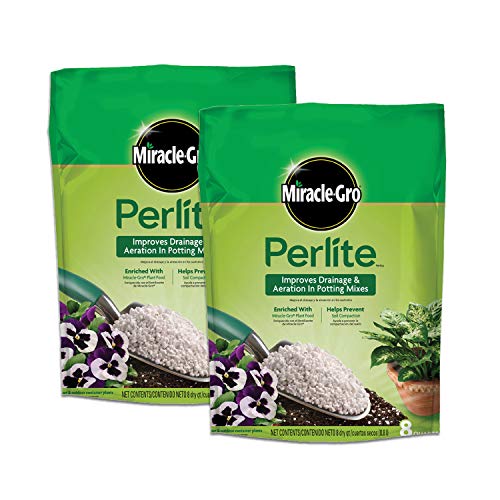
Fix these two and the fuzz has nothing to live on.
Use Soil Moisture, Not a Fixed Schedule
“Every Sunday” watering is a common cause of mold. Plants drink fast in bright summer light and slowly in short winter days, so a set schedule ends up too generous for half the year.
My advice is to ch