How to Make Organic Mushroom Compost [Step-by-Step Guide]

Organic mushroom compost is a nutrient-rich soil amendment that can boost your garden’s health and productivity. This special blend of organic materials provides a wealth of benefits for plants and improves soil structure. To make organic mushroom compost at home, mix soil, straw, and animal manure in equal parts.

The process is simple but requires some patience. Combine the ingredients thoroughly and allow the mixture to decompose for several weeks. Turn the pile regularly to speed up decomposition and ensure even breakdown of materials. The result is a dark, crumbly compost teeming with beneficial microorganisms.

Gardeners can use mushroom compost as a top dressing, soil amendment, or mulch. Its moisture-retaining properties make it ideal for dry climates or water-conscious gardening. When added to garden beds, this organic compost slowly releases nutrients, feeding plants over an extended period.

Understanding Mushroom Compost

Mushroom compost is a nutrient-rich soil amendment made from organic materials. It helps plants grow and improves soil quality. This special compost has many uses in gardens and farms.


Garick Bg40mcov Organic Valley Mushroom Compost, 40 Lb

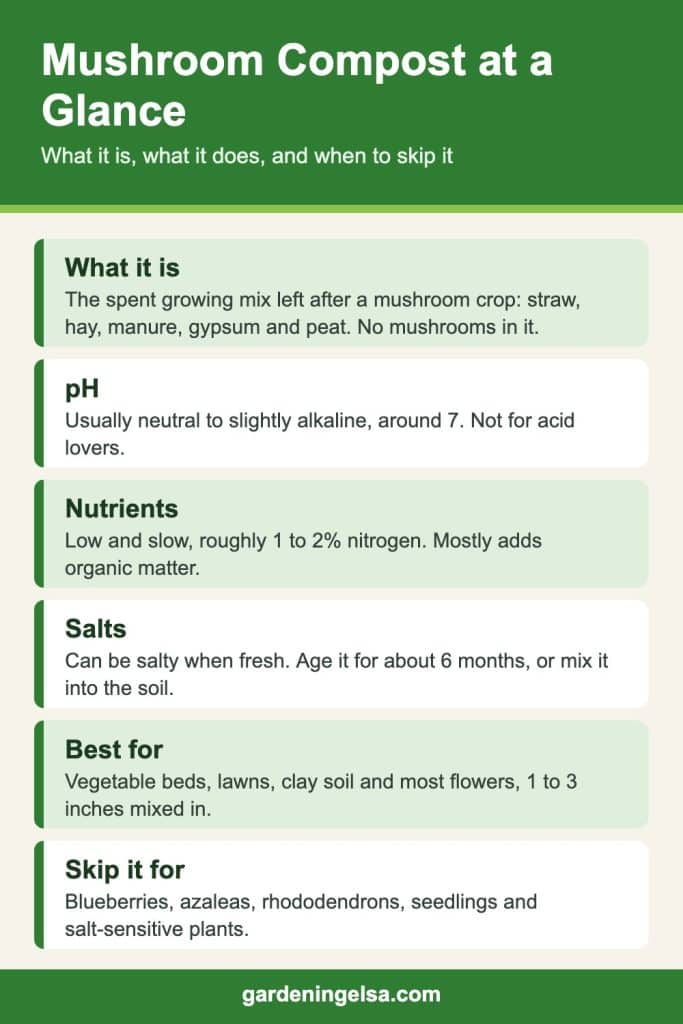
Mushroom compost is a mix of organic matter used to grow mushrooms. It’s made from things like straw, hay, and animal manure. After mushrooms grow in it, the leftover material becomes mushroom compost.

This compost is full of nutrients that help plants grow strong. The composting process kills weed seeds, so it’s clean to use in gardens.

Farmers and gardeners often call it “spent mushroom substrate.” This name comes from its past use as a mushroom growing medium.

Benefits of Mushroom Compost

Mushroom compost improves soil in many ways. It adds organic matter that helps soil hold water, which is good for plants during dry times.

The compost feeds plants slowly over time. It won’t burn plants like some chemical fertilizers can. It also helps soil drain better, allowing more air to reach plant roots.

Good bacteria and fungi live in mushroom compost. These tiny helpers break down nutrients for plants to use and fight off bad germs that can hurt plants.

Mushroom compost can make soil less acidic. Most plants like soil that’s not too acidic, so this helps them grow better.

Key Components of Mushroom Compost

The main parts of mushroom compost are:

  1. Straw or hay
  2. Animal manure (often from horses or chickens)
  3. Gypsum (a mineral that adds calcium)
  4. Corn cobs or other plant waste

These materials are mixed and allowed to heat up. The heat kills weed seeds and harmful germs. It also helps break down the materials faster.

After mushrooms grow in this mix, it becomes even richer. The mushroom growing process adds more nutrients, making it a great food source for other plants.

Check out 9 Mushroom Compost Benefits

Choosing the Right Materials

Selecting the proper ingredients is key for successful organic mushroom compost. The right mix of materials provides nutrients and structure for mushroom growth.


Espoma MC75 0.75 Cubic Ft Mushroom Compost

Selecting Base Materials

Straw and hay form the backbone of mushroom compost. They add bulk and provide carbon. Wheat straw is ideal, but oat or barley straw work too. Hay offers more nutrients but can contain weed seeds.

Wood chips are another good base material. They break down slowly, improving soil structure over time. Use hardwood chips like oak or maple. Avoid cedar, pine, or other aromatic woods.

Mix different base materials for best results. A combo of straw and wood chips creates a balanced compost.

Manures and Nutrition

Manure adds nitrogen and other nutrients. Horse manure is traditional and works great. Cow manure is also good. Chicken and poultry manure are very high in nitrogen – use sparingly.

Fresh manure can be too “hot” and harm mushrooms. Age it for a few months first. Or mix fresh and aged manure for a balance of quick and slow-release nutrients.

Gypsum is often added to mushroom compost. It improves texture and adds calcium and sulfur.

Adjusting Carbon-to-Nitrogen Ratios

The right carbon-to-nitrogen (C) ratio is crucial. Aim for 25-30 parts carbon to 1 part nitrogen.

Straw and wood chips are high in carbon. Manures are high in nitrogen. Mix them to get the right balance.

Too much nitrogen causes excess heat and ammonia. Too little leads to slow decomposition. Adjust ratios by adding more straw for carbon or manure for nitrogen.

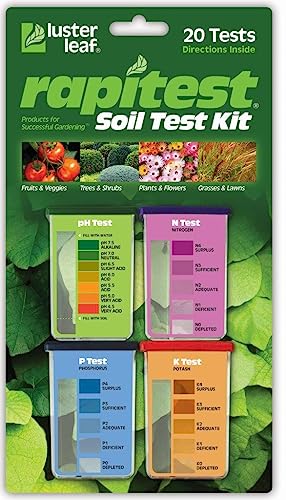
Test C ratio with a soil test kit. Or estimate based on material mix. Fine-tune as you gain experience.

Preparing the Compost Pile

Creating the right environment is key for making organic mushroom compost. The process involves layering materials, managing moisture, and kickstarting decomposition.


Garick Bg40mcov Organic Valley Mushroom Compost, 40 Lb

Layering Your Materials

Start with a base layer of straw or hay about 6 inches deep. Add a 2-inch layer of manure on top. Chicken or cow manure works well. Sprinkle a thin layer of gypsum over the manure. This helps balance the pH.

Repeat these layers until your pile is 3-4 feet tall. The layering helps mix materials and creates air pockets, which supports the breakdown of the organic matter.

Build your pile on a concrete pad or plastic sheeting for best results. This keeps nutrients from leaching into the ground.

Managing Moisture and Aeration

Proper moisture is vital for the composting process. The pile should feel like a damp sponge when squeezed. If it’s too dry, add water. If it’s too wet, mix in dry materials like straw.

Turn the pile every 5-7 days to add air. This helps helpful microbes thrive. It also speeds up the composting process. Use a pitchfork or small tractor to mix the layers thoroughly.

Cover the pile with a tarp between turnings. This helps retain moisture and heat.

Initial Stages of Composting

In the first few weeks, the pile will heat up. This is a sign that microbes are hard at work. The center of the pile may reach 150-160°F. This high heat kills weed seeds and harmful bacteria.

As the pile cools, it will shrink in size. This is normal. The materials are breaking down into rich compost.

After about 3-4 weeks, the pile will stop heating up. At this point, it’s ready for the next phase of mushroom compost production.

Composting Process

Making organic mushroom compost involves a careful process that promotes decomposition. Temperature, pH, and microbial activity play key roles in breaking down organic matter into nutrient-rich compost.

Controlling Temperature and pH Levels

The composting process requires close monitoring of temperature and pH. Ideal temperatures range from 130°F to 160°F (54°C to 71°C). This heat kills weed seeds and harmful bacteria.

pH levels should stay between 6.5 and 7.5 for optimal microbial activity. Gypsum is often added to maintain the right pH balance.

Regular testing helps keep conditions in check. Adjustments can be made by adding water or turning the pile as needed.

The Role of Microbial Activity

Microbes are the workhorses of composting. Bacteria, fungi, and other tiny organisms break down organic matter.

These microbes thrive in warm, moist environments. They consume carbon-rich materials like straw and nitrogen-rich materials like manure.

As they work, microbes release heat and carbon dioxide. This process changes the compost’s chemical makeup. It also helps create a rich, dark material full of nutrients.

Hot-Composting Method

Hot composting is the preferred method for making mushroom compost. It speeds up decomposition and kills pathogens.

Steps for hot composting:

  1. Mix organic materials (straw, hay, manure)
  2. Add water to reach 50-60% moisture
  3. Form into a pile or put in a container
  4. Turn the pile every few days
  5. Monitor temperature daily

This method takes about 3-4 weeks. The compost is ready when it cools down and smells earthy. At this point, it’s safe to use for growing mushrooms or as a soil amendment.

Post Composting Steps

After creating mushroom compost, several key steps ensure its quality and effectiveness. These processes refine the compost, control unwanted growth, and prepare it for use.

Curing and Maturation

Curing allows the compost to cool and stabilize. Place the compost in a well-ventilated area for 2-4 weeks. Turn it weekly to add oxygen. This step helps break down remaining organic material and balances nutrients.

During curing, beneficial microbes continue to work. They transform raw materials into a more uniform substance. The compost’s smell changes from strong to earthy.

Watch for temperature drops. When the pile stays cool, it’s nearing completion. The color should darken to a rich brown.

Pasturization and Weed Control

Heat treating compost kills weed seeds and harmful organisms. Raise the temperature to 55-65°C (131-149°F) for 3-5 days. This process is called pasteurization.

Use a compost thermometer to check temperatures. Turn the pile if needed to ensure even heating. Steam pasteurization is another option for larger batches.

This step reduces the risk of weed growth in your garden. It also helps control fungal and bacterial diseases.

Assessing Compost Readiness

Look for a dark, crumbly texture. The compost should smell earthy, not sour or ammonia-like. It should be cool to the touch.

Perform a simple seed test. Plant a few seeds in a small compost sample. If they sprout and grow well, the compost is ready.

Check the moisture level. Squeeze a handful of compost. It should feel like a damp sponge. If water drips out, it’s too wet. If it’s dusty, add water.

The pH should be neutral, around 6.5-7.5. Use a soil pH test kit to check.

Storage and Handling

Store finished compost in a dry, covered area. This prevents nutrient loss from rain or sun exposure. Use bins, tarps, or bags for storage.

Keep the compost slightly moist. If it dries out, sprinkle with water and mix. Avoid overwatering, which can lead to nutrient leaching.

Use gloves when handling compost. While it’s safe, it contains microbes that may irritate skin. Store away from food and living areas.

Label batches with creation dates. Use older compost first for best results. Properly stored compost can last 1-2 years.

Applying Mushroom Compost

Mushroom compost is a versatile soil amendment that can boost plant growth and soil health. It improves soil structure, increases water holding capacity, and adds nutrients to your garden.

Soil Building with Mushroom Compost

Mix mushroom compost into garden beds before planting to improve soil quality. Add 1-3 inches of compost and work it into the top 6-8 inches of soil. This enhances soil structure and boosts fertility.

Mushroom compost helps break up compacted areas in heavy clay soils. It creates air pockets that improve drainage and root growth. In sandy soils, it increases water retention.

Mushroom compost also adds organic matter. This feeds beneficial soil microbes and helps create a healthy soil ecosystem.

Top Dressing and Mulching

Spread a thin layer of mushroom compost around plants as a top dressing. Use 1/2 to 1 inch for most plants. This slow-release fertilizer feeds plants over time.

As mulch, apply a 2-3 inch layer around trees, shrubs, and perennials. Keep it a few inches away from plant stems. Mulching helps retain soil moisture and suppress weeds.

For lawns, sprinkle a thin 1/4 inch layer over the grass. Water it in well. This can help fill in bare patches and boost overall lawn health.

Using Compost in Potting Mixes

Add mushroom compost to potting soil for container plants. Mix 1 part compost with 3 parts potting soil. This improves drainage and water retention in pots.

For seed starting, use a light touch. Add just 10-20% compost to your seed starting mix. Too much can be too strong for delicate seedlings.

Mushroom compost works well for houseplants too. Add a small amount to refresh potting soil between repotting.

Suitability for Different Plants

Mushroom compost thrives with most vegetables. It’s great for nutrient-hungry plants like tomatoes, squash, and leafy greens. Use it in raised beds or in-ground gardens.

Fruit trees and berry bushes benefit from yearly compost applications. Spread it under the drip line of the tree canopy.

Some plants prefer less rich soil. Use mushroom compost sparingly around herbs, root crops, and acid-loving plants like blueberries. Always check the needs of specific plants before applying.

Mushroom compost generally does well with flowers and ornamentals. It can boost blooms and overall plant health. Just avoid using it on very young or delicate plants.


GRO WELL BRANDS CP Cuft, Mushroom Compost, an Ideal Soil Amendment & for Planting Flowers

Frequently Asked Questions

Making and using mushroom compost raises some common questions for gardeners. Here are answers to help you get started with this organic soil amendment.

What materials do I need to create my own mushroom compost for an organic garden?

The main ingredients for mushroom compost are straw, manure, and gypsum. Horse or poultry manure works well. You’ll also need corn cobs, peat moss, and lime. Mix these materials in the right ratios. Add water to keep the pile moist as it breaks down.

Can I use mushroom compost for all types of plants or are there exceptions?

Mushroom compost benefits many plants but isn’t ideal for all. It works great for vegetables, herbs, and flowers. Avoid using it for acid-loving plants like blueberries or azaleas. The compost’s neutral pH can be too high for them.

What is the step-by-step process for making mushroom compost at home?

Start by mixing straw, manure, and gypsum. Add corn cobs and peat moss. Wet the pile and let it heat up. Turn the pile every few days. Keep it moist. After 2-3 weeks, add lime. Let it cure for another week or two before using.

Are there any safety concerns associated with using mushroom compost in gardening?

Mushroom compost is generally safe to use. However, to avoid breathing in dust, wear gloves and a mask when handling it. Also, make sure the compost is fully broken down before using it, as fresh compost can burn plant roots.

How does mushroom compost benefit plants in organic gardening?

Mushroom compost adds nutrients to the soil. It improves soil structure and water retention. Plants grow stronger and produce more with this rich organic matter. It also helps suppress some plant diseases.

What are the common drawbacks or limitations of using mushroom compost?

Mushroom compost can be salty. Use it sparingly on young plants or seedlings. It may be too rich for some plants. Mix it with regular soil rather than using it alone.

Make Organic Mushroom Compost

Conclusion

Making organic mushroom compost is a simple and rewarding process. It turns waste materials into a valuable soil amendment. This nutrient-rich compost improves soil structure and plant health.

The main ingredients are straw, manure, and gypsum. Mixing these creates an ideal growing medium for mushrooms. After mushroom production, the spent substrate becomes excellent compost.

Home gardeners can make a similar compost by combining soil, straw, and manure. This “mock” version offers many of the same benefits as commercial mushroom compost.

Mushroom compost boosts water retention in sandy soils. It also enhances drainage in clay soils. The pH level of around 6.6 suits most plants.

Using mushroom compost in gardens promotes sustainable practices. It recycles agricultural byproducts and reduces waste. This organic fertilizer supports healthy plant growth without synthetic chemicals.

Gardeners should use mushroom compost as a soil amendment, not a replacement for regular compost. When applied properly, it can significantly improve soil quality and plant productivity.

You may also like:

vegetable garden ideas

10 Vegetable Garden Layout Ideas