How to Start Hydroponic Gardening for Beginners (Step by Step)

Hydroponic gardening lets you grow plants without soil. This method uses water and nutrients to feed plants directly. It’s a great way to grow fresh food at home year-round.

Starting a hydroponic garden is easier than many people think. You need a few key items: a water reservoir, nutrient solution, growing medium, and light source. The setup can be as simple or complex as you want. Many beginners start with small systems that fit on a countertop.

Hydroponics offers some big benefits for new gardeners. Plants often grow faster and produce more in hydroponic systems. They also use less water than traditional soil gardens. With the right setup, you can grow tasty herbs and veggies even if you don’t have outdoor space.

Table of Contents

Understanding Hydroponics

Hydroponics is a method of growing plants without soil. It uses water and nutrients to help plants grow. This approach has many benefits for gardeners.


Misting 15 Pods Hydroponic Growing System Herb Garden Kit Indoor, 5L Large Tank Plant Germination Kit with Adjustable Height Grow Light to “20", Quiet Pump, Auto Timer, Gardening Christmas Gifts

History and Basics of Hydroponic Systems

Hydroponics has roots in ancient times. The Hanging Gardens of Babylon used early forms of hydroponics. Modern hydroponics began in the 1930s with work by Dr. William Gericke.

In hydroponic systems, plants grow in nutrient-rich water. Their roots don’t need soil. Instead, they get oxygen and nutrients directly from the water. This helps plants grow faster and bigger.

Hydroponic gardens can be set up indoors or outdoors. They work well in small spaces like apartments or areas with poor soil.

Differences Between Hydroponics and Traditional Soil Gardening

Hydroponic gardening is very different from soil gardening. In soil, plants must search for nutrients. In hydroponics, nutrients come right to the roots.

Hydroponic plants often grow faster. They can produce more food in less space. These gardens use less water than soil gardens. They also have fewer pest problems.

Soil gardens are easier to start. They cost less at first. However, hydroponic gardens can be more productive over time.

Types of Hydroponic Systems

There are several types of hydroponic systems:

  1. Deep Water Culture: Plants float on water in containers.
  2. Nutrient Film Technique: A thin film of water flows over plant roots.
  3. Ebb and Flow: Water floods a tray of plants and then drains out.
  4. Wick System: A wick brings water to plant roots.
  5. Aeroponics: Plant roots hang in air and are misted with nutrient water.

Each system has its own benefits. Some work better for certain types of plants.


RAINPOINT Indoor Hydroponics Growing System,13 Pods Hydroponic Garden Planter, Vegetable Growing System Kit, Kitchen for Women, Hydro Garden Herb Grower

Advantages of Hydroponic Gardening

Hydroponic gardening offers many benefits:

  • Faster plant growth
  • Higher yields in less space
  • Year-round growing
  • Water conservation
  • Fewer pests and diseases
  • No weeds
  • Better control over plant nutrition

Hydroponics allows growing food in places with poor soil. It can be used in cities or dry areas. This method gives more people access to fresh food.

Hydroponic systems can be set up vertically. This saves even more space. It’s great for growing herbs and leafy greens indoors.

Setting Up Your Hydroponic Garden

Creating a hydroponic garden requires careful planning and setup. The right location, system, and components are key to success. Let’s explore how to get started.

Choosing the Right Location

Pick a spot with good light and access to electricity. A spare room, garage, or basement can work well for indoor gardens. Make sure the area stays between 60-75°F (15-24°C).


Indoor Garden Hydroponics Growing System: 10 Pods Plant Germination Kit Aeroponic Herb Vegetable Growth Lamp Countertop with LED Grow Light - Hydrophonic Planter Grower Harvest Veggie Lettuce, White

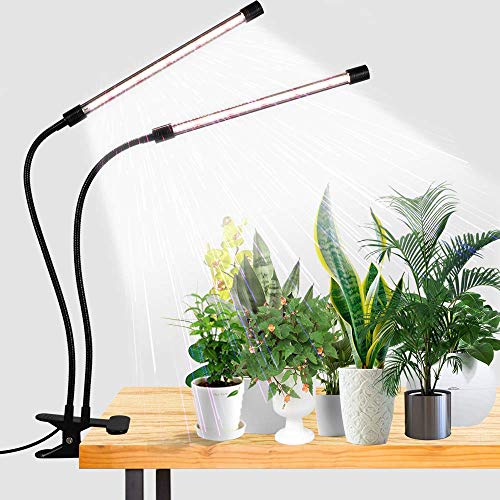
Natural light from windows is great, but may not be enough. Grow lights can help plants thrive year-round. LED or fluorescent lights work best. Hang them 6-12 inches above plants.

Consider space needs too. Some systems are compact, while others need more room. Measure your area and choose a setup that fits.

Selecting a Hydroponic System

There are several types of hydroponic systems to choose from. Each has pros and cons.

Deep water culture (DWC) is simple and good for beginners. Plants float in nutrient-rich water. An air pump keeps roots oxygenated.

Ebb and flow systems flood plants with nutrients, then drain. This works well for larger setups.

Nutrient film technique (NFT) uses a thin film of water. It’s great for leafy greens and herbs.

Aeroponics mists roots with nutrients. It’s efficient but can be complex.

Pick a system that matches your skills and goals.


30 Pods Hydroponics Tower Garden Hydroponic Growing System Aeroponics Growing Kit for Herbs, Fruits and Vegetables with Hydrating Pump, Adapter, Net Pots, Timer for Herbs, Fruits and Vegetables

Acquiring the Essential Components

Every hydroponic system needs certain parts. Here’s a basic list:

  • Growing tray or containers
  • Water reservoir
  • Air pump and stone (for oxygenation)
  • Water pump (for some systems)
  • Grow lights (if indoors)
  • Growing medium (like rockwool or perlite)
  • Nutrients
  • pH testing kit

Buy quality components. They’ll last longer and work better. Look for kits that include most items you need.

Assembling the Hydroponic Setup

Start by cleaning all parts with mild soap. Rinse well.

Set up your reservoir and fill with water. Add the air pump and stone. This keeps water oxygenated.

Place your growing tray above the reservoir. If using a pump, connect it now.

Add your growing medium to containers or the tray. Plant your seeds or seedlings.

Hang grow lights if needed. Keep them close, but not touching plants.

Mix nutrients according to package instructions. Add to the reservoir. Test pH and adjust if needed.

Turn on pumps and lights. Your hydroponic garden is ready to grow!


Sjzx Hydroponics Growing System,Indoor Smart Garden,Nursery Germination Kit Including Smart Plug,Water Pump(No Seedlings Included)

Growing Medium and Nutrients

Hydroponic gardening relies on nutrient-rich water and specialized growing mediums. These elements work together to support plant growth without soil.

Identifying Suitable Growing Mediums

Growing mediums in hydroponics support plants and help roots access nutrients. Popular options include:

  • Perlite: Light, porous volcanic rock that drains well
  • Rockwool: Made from spun rock fibers, holds water and air well
  • Clay pebbles: Provide good drainage and aeration

Each medium has pros and cons. Perlite is cheap but can float in water. Rockwool retains moisture but isn’t eco-friendly. Clay pebbles are reusable but can be heavy.

Pick a medium based on your system type and plants. Some gardeners mix mediums for better results.

Formulating the Nutrient Solution

Hydroponic nutrient solutions contain all the elements plants need to grow. Key components include:

  • Macronutrients: Nitrogen, phosphorus, potassium
  • Secondary nutrients: Calcium, magnesium, sulfur
  • Micronutrients: Iron, manganese, zinc, and others

Buy pre-mixed solutions or make your own. Follow package instructions for mixing ratios. Start with half-strength for seedlings and increase as plants grow.

Test your solution regularly with an EC meter. This helps maintain proper nutrient levels for healthy plants.


LetPot LPH-SE Hydroponics Growing System, 12 Pods Smart Herb Garden Kit Indoor, Indoor Garden, APP & WiFi Controlled, with 24W Growing LED, 5.5L Water Tank, Pump System, Automatic Timer

Understanding pH and Nutrient Availability

pH affects how well plants can absorb nutrients. Most hydroponic plants prefer a pH between 5.5 and 6.5.

Use a pH meter to check your nutrient solution daily. Adjust as needed:

  • To lower pH: Add phosphoric acid or pH down solution
  • To raise pH: Use potassium hydroxide or pH up solution

Make small adjustments and retest. Big swings in pH can stress plants.

Some nutrients become less available outside the ideal pH range. Iron, for example, is harder for plants to absorb in alkaline conditions.

Monitor your plants for signs of nutrient deficiencies. Yellow leaves might mean lack of nitrogen. Purple stems could indicate phosphorus shortage.

Plant Selection and Care

Choosing the right plants and caring for them properly are key to hydroponic gardening success. The best plants grow quickly and thrive in water-based systems.

Selecting Plants for Your Hydroponic Garden

Leafy greens and herbs are great starter plants for hydroponics. Lettuce, spinach, and kale grow fast and don’t need much space. Herbs like basil, mint, and cilantro also do well.

For more advanced growers, tomatoes and strawberries can be good choices. These plants need more care but can produce lots of tasty fruit.

When picking plants, think about:

  • How much light they need
  • How big they’ll get
  • How long they take to grow

Start with easy plants at first. As you learn more, you can try growing other types.


VIVOSUN Hydroponics Growing System 108 Plant Sites, 3 Layers 12 Food-Grade PVC-U Pipes Gardening System Grow Kit with Water Pump Timer, Nest Basket and Sponge for Leafy Vegetables

Planting and Transplanting

To start plants, you can use seeds or seedlings. Seeds are cheaper but take longer. Seedlings grow faster but cost more.

Steps for planting:

  1. Clean your growing area
  2. Put seeds or seedlings in growing media
  3. Add water and nutrients
  4. Give plants light

When moving plants to a bigger system:

  • Be gentle with roots
  • Keep roots moist
  • Make sure new spot has right nutrients

Maintaining Plant Health

Healthy plants need the right mix of water, nutrients, and light. Check your plants daily for any problems.

Signs of unhealthy plants:

  • Yellow leaves
  • Slow growth
  • Wilting

To keep plants healthy:

  • Test pH levels often
  • Change nutrient solution regularly
  • Clean your system to prevent mold

Watch for pests like aphids or spider mites. If you see them, remove them right away. You can use safe sprays if needed.

Give your plants the right amount of light. Too much or too little can hurt growth. Most plants need 14-16 hours of light each day.

Lighting and Climate Control

Proper lighting and climate control are essential for successful hydroponic gardening. These factors create the ideal environment for plants to thrive without soil.


OneBlis Hydroponics Growing System Kit, 3 Mode Lights 12 PodsHerb Garden System Kits, Adjustable Height 7.6-16.6", Smart Water Pump Planter Indoor Gardening for Fruit, Vegetable, Stems, Plant

Choosing the Right Lighting

Grow lights are crucial for indoor hydroponic setups. LED grow lights are a popular choice due to their energy efficiency and low heat output. These lights come in different spectrums to match plant needs at various growth stages.

Full-spectrum LED lights work well for most plants. They provide the right mix of blue and red light to promote leaf growth and flowering. Some growers use adjustable spectrum lights to fine-tune light output as plants develop.

Light fixtures should be placed close to plants, but not so close they cause heat damage. Adjust the height as plants grow taller. Many growers use timers to control light exposure, typically providing 14-16 hours of light daily for most crops.

Managing Temperature and Humidity

Temperature control is key for plant health in hydroponic systems. Most plants prefer temperatures between 65-75°F (18-24°C) during the day and slightly cooler at night.

Use fans to circulate air and prevent hot spots. In warmer climates, air conditioning may be needed to keep temperatures stable. Cold weather may require heaters to maintain ideal conditions.

Humidity levels also affect plant growth. Aim for 50-70% relative humidity for most plants. Use a hygrometer to monitor humidity levels. Increase humidity with a small humidifier if needed, or reduce it with dehumidifiers or increased air circulation.


Gardyn Studio Hydroponics Growing System Kit & Vertical Indoor Garden Planter | Smart Herb Garden | Includes 16 Non-GMO Indoor Plants, Herbs, Vegetables & LED Grow Light for Your Home Gardening System

Maintenance and Troubleshooting

Taking care of your hydroponic garden involves regular upkeep and solving issues that may come up. Proper maintenance keeps plants healthy and productive.

Daily and Weekly Maintenance Tasks

Check water levels daily. Top up the reservoir as needed. Test pH and nutrient levels twice a week. Adjust as required to keep them in the right range.

Clean pump filters weekly to prevent clogs. Wipe down grow trays and equipment to stop algae growth. Trim any dead leaves or stems from plants.

Inspect plants for signs of pests or disease. Look closely at leaves and stems. Remove any unhealthy plants right away to stop problems from spreading.

Common Problems and Solutions

Yellowing leaves often mean nutrient deficiencies. Check your hydroponic fertilizer mix and adjust as needed. Brown leaf edges point to nutrient burn. Reduce fertilizer strength if this happens.

Wilting plants may need more water or oxygen. Check pump function and air stone bubbles. Slimy roots suggest root rot. Increase oxygen levels and consider a hydrogen peroxide treatment.

Pest issues require quick action. Remove affected parts and spray with neem oil. For fungal problems, improve air flow and lower humidity. Clean equipment thoroughly between grow cycles.


AeroGarden Harvest Elite Indoor Garden Hydroponic System with LED Grow Light and Seed Kit, Holds up to 6 Pods, Stainless Steel

Harvesting and Enjoying Your Produce

Picking your hydroponic crops at the right time ensures the best flavor and nutrition. Proper handling after harvest keeps your produce fresh longer.

Harvesting Techniques

Cut leafy greens when they reach 4-6 inches tall. Snip off outer leaves, letting inner ones keep growing. For herbs, pinch stems just above a leaf node. This encourages bushier growth.

Tomatoes and peppers should be firm and fully colored. Cucumbers are ready when they reach 6-8 inches long. Eggplants are ripe when the skin is glossy.

Microgreens can be harvested as soon as their first true leaves appear, usually 1-2 weeks after planting. Cut them just above the soil line with clean scissors.

Post-Harvest Handling and Storage

Rinse produce in cool water right after picking. Pat dry with paper towels. Store leafy greens and herbs in plastic bags with a damp paper towel.

Keep tomatoes at room temperature. Refrigerate cucumbers and peppers in the crisper drawer. They’ll last about a week.

For longer storage, blanch and freeze vegetables. Or try making pestos, sauces, and pickles. Dry herbs by hanging bunches upside down in a warm, dark place.

Expanding Your Hydroponic Garden

Growing your hydroponic setup lets you produce more food and try new things. You can add space for more plants and test different crops.

Scaling Up Your System

To make your garden bigger, get a larger reservoir. This holds more water and nutrients. Add extra growing spots for more plants. You might need stronger pumps to move water through a bigger system.

Think about vertical space too. Stack growing trays on shelves to fit more plants in the same floor area. Make sure all plants get enough light if you go vertical.

As you scale up, watch your plants closely. Bigger systems may need tweaks to keep the water and nutrients just right. Keep notes on what works well.

Experimenting with Different Crops and Techniques

Try growing new plants in your hydroponic garden. Leafy greens are easy, but you can also grow tomatoes, peppers, and herbs. Some plants need special care, so read up on each crop’s needs.

Test out various growing methods. Deep water culture works well for beginners. Nutrient film technique is good for small plants like lettuce. Drip systems suit larger plants such as tomatoes.

Play with different nutrients and growing mediums. Some plants do better with certain mixes. You might find clay pebbles work great for one crop, while rockwool is best for another.

Keep track of what you try. Write down which plants and methods give you the best results.

Start Hydroponic Gardening for Beginners

Frequently Asked Questions

Starting a hydroponic garden can be exciting, but it often raises questions for beginners. Here are answers to some common questions about hydroponic gardening.

What materials are needed to set up a basic hydroponic system for beginners?

A basic hydroponic system needs a few key items. You’ll need a container to hold the nutrient solution, a growing tray, and a pump to move water. You also need an air stone and air pump to add oxygen to the water. Get some net pots to hold your plants and growing medium like perlite or coconut coir. Don’t forget hydroponic nutrients and pH testing tools. A timer for your pump and grow lights are helpful too.

Can you explain the different types of hydroponic systems available for new gardeners?

There are six main types of hydroponic systems. The wick system is the simplest, using a string to move water from a reservoir to plants. Deep water culture systems have plants floating in nutrient-rich water. Nutrient film technique uses a thin film of water flowing over plant roots. Ebb and flow systems flood and drain the growing tray. Drip systems slowly drip water onto plants. Aeroponics mists plant roots with nutrient solution.

How can you maintain optimal nutrient levels for plants in a hydroponic garden?

Keeping nutrient levels right is key for healthy plants. Test your nutrient solution’s pH and EC (electrical conductivity) regularly. Adjust pH to the right range for your plants, usually between 5.5 and 6.5. Add nutrients as needed to keep EC levels steady. Change out your nutrient solution every 1-2 weeks. This helps prevent buildup of salts and keeps nutrients fresh for your plants.

What is the step-by-step process for planting in a hydroponic system?

Start by cleaning your system and filling it with nutrient solution. Next, prepare your growing medium by rinsing it well. Place the growing medium in net pots. Make a small hole in the medium for your seed or seedling. Put the seed or seedling in the hole and gently cover it. Place the net pots in your growing tray. Turn on your pump and lights. Monitor your plants daily, checking water levels and plant health.

What common pitfalls should beginners avoid when setting up their first hydroponic garden?

One big mistake is not checking pH levels often. This can lead to nutrient lockout and unhealthy plants. Another error is overfeeding plants with too many nutrients. This can burn roots and stunt growth. Forgetting to clean your system regularly can lead to algae growth and clogged pumps. Keep everything clean for best results. Not providing enough light is another common issue. Make sure your plants get the right amount and type of light they need.

Which vegetables and herbs are best suited for a beginner’s hydroponic garden?

Leafy greens are great for beginners. Try growing lettuce, spinach, or kale. These grow quickly and don’t need much space. Herbs like basil, mint, and cilantro also do well in hydroponic systems. They’re easy to grow and harvest. Tomatoes and peppers can be grown hydroponically too. These take more care but can be very rewarding. Start with easier plants and work your way up to more challenging ones as you gain experience.

Conclusion

Starting a hydroponic garden can be an exciting and rewarding experience. It offers a unique way to grow fresh produce year-round, even in small spaces. Hydroponic systems allow for efficient use of water and nutrients, leading to faster plant growth and higher yields.

With the right setup and care, beginners can successfully grow a variety of plants hydroponically. Key steps include choosing a suitable system, maintaining proper nutrient levels, and monitoring pH. Regular upkeep and attention to plant health are important for success.

Hydroponic gardening provides opportunities to experiment with different crops and growing techniques. It can be a fun hobby or a way to ensure a steady supply of fresh herbs and vegetables. As skills improve, gardeners can expand their systems and try more advanced methods.

While there may be initial challenges, the benefits of hydroponic gardening often outweigh the difficulties. With patience and practice, novice gardeners can develop the knowledge needed to thrive in this innovative form of cultivation.

vegetable garden ideas

10 Vegetable Garden Layout Ideas