
Indoors, a money tree (Pachira aquatica) usually grows 6 to 8 feet tall and about 3 to 5 feet wide over several years.
In its native wetlands of Central and South America, the same species can reach 60 feet. That big gap comes down to pot size, light, and how often you prune.
The good news is that you control most of it. With yearly pruning and a modest pot, I’d expect you to keep a money tree between 3 and 6 feet for as long as you like.
With bright light and room to grow, it can brush an 8-foot ceiling.
Indoor vs. Wild: What Size Should You Expect?
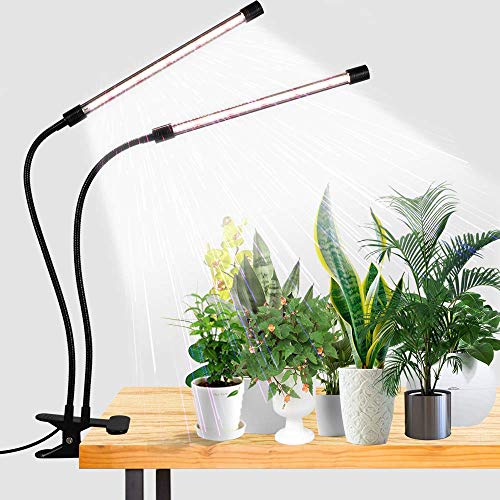
Money tree size depends on where it grows. Most houseplants top out between 6 and 8 feet. If you are stocking up, a LED grow light is the first thing I would pick up.
In-ground trees in the tropics become true shade trees, from 30 feet up to 60. The species is the same in both places.
The roots and the light are what change.
Typical Height and Spread in a Home
Most money trees sold in the US start as 1 to 3 foot braided plants. Given a few years in bright, indirect light, they reach 6 to 8 feet tall with a canopy 3 to 5 feet wide.
A plant in a dim room or a small pot stays shorter, often 3 to 5 feet. A plant near a bright south or west window with a sheer curtain can pass 8 feet if you never prune it.
The leaves add more width than people expect. Each leaf has five to nine leaflets that spread like an open hand, so a 6-foot tree takes up about as much floor space as a small armchair.
Why Trees in the Wild Can Reach 60 Feet
In the wild, money trees grow along riverbanks and swampy floodplains. Their roots spread freely through wet, rich soil, and the warm, humid weather lasts all year.
With no pot walls and no winter slowdown, the trunk thickens into a broad, gray-brown base. The tree flowers, sets large woody seed pods, and keeps climbing toward the light.
The same plant on your windowsill has none of those advantages, which is why it stays so much smaller.
How Fast Does a Money Tree Grow?
Money tree growth is moderate to fast. A healthy indoor plant in good light adds roughly 6 to 12 inches of height a year, and up to about 2 feet in ideal conditions. Most of that growth happens from spring through summer.

What Changes Its Growth Rate?
Light drives speed more than anything else. A plant 3 to 5 feet from a bright window grows far faster than one across the room.
These factors also speed it up or slow it down:
- Pot size: A crowded root ball slows new growth. A pot 1 to 2 inches wider gives it a push.
- Water: Steady moisture with good drainage keeps it growing. Soggy soil stalls it.
- Feeding: A half-strength balanced liquid fertilizer once a month in spring and summer supports new leaves.
- Temperature: Growth is strongest between 65 and 80°F.
- Pruning: Each cut triggers a flush of new branches below it.
Young plants grow fastest. Once a tree hits 5 or 6 feet, yearly gains shrink to a few inches.
Why Growth Slows in Winter
Shorter days mean less light, and a money tree responds by resting. From about November through February, you’ll see few new leaves, sometimes none.
That pause is normal. Cut back on water, stop feeding, and keep the plant away from cold windows and heat vents. Growth picks back up once days lengthen in March or April.

How Do Indoor Conditions Affect Its Mature Size?
An indoor money tree reaches its full 6 to 8 feet only when its light, warmth, water, and roots are all in good shape. Weak spots in any one area keep the plant shorter and sparser.
Bright indirect sunlight and well-draining soil do the most work.
Light, Temperature, and Humidity
Bright, indirect sunlight is ideal, and the plant tolerates medium light. Gentle morning sun is fine. Hot afternoon sun through a south or west window scorches the leaves, so filter it with a sheer curtain.
In low light, a money tree grows leggy. Stems stretch out with long gaps between leaves, and the lower leaves yellow and drop. Rotate the pot every week or two so it doesn’t lean toward the window.

Keep the room between 65 and 80°F and never let it dip below 50°F. Humidity of 50% or higher is ideal, though average home humidity works. In dry winter homes in the Northeast and Midwest, a humidifier helps far more than misting.
Watering, Soil, and Root Space
Water when the top 2 inches of soil are dry. That works out to about every 1 to 2 weeks indoors, and less in winter. My guide on how often to water a money tree covers the finger test and seasonal changes.
Use a fast-draining peat- or coir-based mix with perlite or pine bark, in a pot with drainage holes. The best soil for a money tree holds a little moisture and lets the rest run out freely.
Root space sets the ceiling. A tree in a 6-inch pot stays short. A tree in a 12 to 14 inch pot has the roots to support a 6 to 8 foot frame.
How Large Can It Grow Outdoors in USDA Zones 10 to 12?
Planted in the ground in USDA zones 10 to 12, a money tree grows into a real landscape tree, commonly 30 to 45 feet tall and sometimes up to 60 feet. Everywhere else, it can only spend the warm months outside in a pot.
In-Ground Growth in Frost-Free Areas
In South Florida, Hawaii, and the warmest coastal pockets of Southern California, money trees grow year-round. They form a rounded canopy that spreads 25 feet or more, with a thick trunk that flares at the base.
Give an in-ground tree consistently moist soil and partial shade, especially in the afternoon. Plant it at least 15 to 20 feet from your house, since the roots and canopy spread wide. My article on planting a money tree outside explains siting in more detail.
Summering a Potted Tree Outside in Colder Regions
Across most of the US, including the Southeast outside Florida, the Pacific Northwest, and the Northeast, a potted money tree can enjoy summer on a shaded porch or patio. Move it outside once nights stay above 50°F.
Start in full shade for a week, then let it settle where it gets bright shade or a little morning sun. Outdoor light and humidity speed growth noticeably, so expect a fuller plant by fall.
Bring it back inside before nights drop below 50°F. Check under leaves and along stems for pests before it comes in.
How Small Can Tabletop and Bonsai Forms Stay?
A money tree can stay under 12 inches tall for years as a bonsai, and a tabletop braid can stay at 1 to 2 feet with regular trimming. These plants are ordinary Pachira aquatica, kept small through pruning and a tight pot.
Choosing a Size for a Desk or Shelf
Small braided money trees, 8 to 16 inches tall in 4 to 6 inch pots, fit desks and side tables well. Check how much light that spot gets first. A desk 10 feet from a window won’t support steady growth.
For a shelf, I’d pick a plant no taller than two-thirds of the shelf’s clear height. That leaves room for a season of new leaves before you need to trim.
What Long-Term Miniature Care Involves
Keeping a money tree tiny is ongoing work. Expect to pinch new shoot tips every few weeks during spring and summer.
Every 2 to 3 years, trim the outer inch of roots and repot into the same container with fresh mix. Small pots dry out fast, so check the soil every few days in summer. Feed lightly, at quarter to half strength, so growth stays compact.
Does a Braided Trunk Limit Height?
No. A braided money tree grows just as tall as a single-trunk plant. The braid shapes the bottom of the trunk only, and the stems above it keep climbing and leafing out.
How Young Trunks Are Braided
Growers braid 3 to 5 young trunks while they are still green, flexible, and under about 1/2 inch thick. They weave the stems loosely and tie a soft band at the top to hold them in place.
Older woody trunks are too stiff to braid. If you want to braid a money tree yourself, start with young nursery plants that have several thin stems in one pot.
How to Make Room for a Thickening Braid
Each trunk widens every year, and a tight tie can cut into the bark. Check ties every few months and loosen or remove them once the braid holds its shape.
If one trunk turns soft or hollow, it has died. Cut it out at the base so rot doesn’t spread to the healthy stems. The remaining trunks keep growing normally.
How Can You Keep an Indoor Tree Small?
Yearly pruning and a pot that grows only slowly are the two tools that hold a money tree at 3 to 6 feet. Used together, they keep the plant healthy and compact.
Prune for Height and Fuller Branching
Prune in spring or early summer, when the plant recovers fastest. Cut just above a node, the small bump where a leaf grows from the stem. New branches sprout just below the cut, so the plant gets bushier as it gets shorter.
Remove no more than about a third of the plant at once. For a tree that has hit your ceiling, cut the tallest stems back to the height you want, then trim side branches to balance the shape.
My step-by-step guide on how to prune a money tree shows where to cut.
Use clean, sharp pruners, and wipe the blades with rubbing alcohol between plants.
Choose a Pot That Fits the Roots Without Oversizing
Move up only 1 to 2 inches in pot width at a time, and only when roots circle the bottom or poke out the drainage holes.
A jump from 8 inches to 14 inches triggers a burst of top growth and leaves lots of wet soil around the roots.
To keep the plant the same size for years, root-prune it. Slide it out in spring, trim the outer inch of roots, and replant in the same pot with fresh mix.