
Yes, you can plant a money tree outside year-round if you live in USDA zones 10 to 12, where frost doesn’t happen. Everywhere else, you can keep it outdoors in a pot for the summer and bring it in before nights drop below 50°F.
The money tree (Pachira aquatica) comes from the warm wetlands of Central and South America. A money tree outdoors in the right spot grows faster and fuller than it ever will on a windowsill.
One cold night, though, can undo a whole season of growth, so timing and placement decide how it turns out.
Where Can a Money Tree Grow Outside Year-Round?
A money tree can live outside all year only in USDA hardiness zones 10 to 12. In the US, that means South Florida, Hawaii, the warmest coastal parts of Southern California, and a few frost-free pockets of South Texas. If you are stocking up, a insecticidal soap is the first thing I would pick up.
Gardeners in colder zones can still give the plant a summer outdoors, as long as it lives in a container that can come back inside.
Why Are USDA Zones 10 to 12 the Best Fit?
Zones 10 to 12 are the only US zones where winter lows stay above 30°F, and most of zone 10b and up stays well above that. Money trees are tropical plants with no frost tolerance at all. They don’t go dormant like maples or oaks.
In these zones, the money tree acts like any other evergreen landscape tree. It keeps its leaves, grows most from spring through fall, and slows a bit in the cooler months.
Even in zone 10a, I’d watch the forecast in January. A rare cold snap into the upper 30s can scorch leaves on young trees. Older, in-ground trees handle a brief dip better than newly planted ones.
Can You Grow One Outside in Colder Zones?
Yes, as a summer plant in a pot. In zones 3 to 9, which cover the Northeast, Midwest, Pacific Northwest, Southwest uplands, and most of the Southeast, a money tree does well on a shaded porch or patio from late spring to early fall.
Planting it in the ground in these zones isn’t worth it. The tree would die at the first frost, and digging up an established root system in fall stresses it badly.
Think of the summer outside as a growth season. Many outdoor plants and houseplants benefit from fresh air and brighter light, and my guide on moving houseplants outside covers the general rules for other species too.
What Temperatures Can an Outdoor Money Tree Handle?
A money tree grows best between 65 and 80°F and should never sit below 50°F for long. It handles summer heat into the 90s when it has shade and steady water, but cold is what kills it.
Pachira aquatica also likes humidity of 50% or higher. That’s easy in the Southeast and Florida in summer. In the dry Southwest, hot wind and low humidity crisp the leaf edges faster than heat alone.

| Temperature | What happens to a money tree |
|---|---|
| 65 to 80°F | Ideal growth range |
| 80 to 95°F | Fine with shade and regular water |
| 50 to 64°F | Growth slows; okay for short spells |
| Below 50°F | Chill stress, leaf drop |
| 32°F or below | Frost damage, likely death |
When Is It Warm Enough to Move the Plant Outside?
Move your money tree outside once nighttime lows stay above 50°F for at least a week. Daytime highs should be in the 65°F range or warmer.

Here’s a rough idea of timing by region:
- Southeast and Gulf Coast: mid to late April
- Mid-Atlantic and lower Midwest: mid to late May
- Northeast and upper Midwest: late May to early June
- Pacific Northwest: June, since nights stay cool well into late spring
Check your local 10-day forecast before you commit. A warm afternoon in April doesn’t mean nights are safe.
How Do Cold Nights and Frost Affect It?
Cold nights cause chill injury before frost ever shows up. Below 50°F, leaves turn dull, droop, and then yellow or drop over the next week or two.
Frost does more serious harm. Ice forms inside the leaf cells and ruptures them, so leaves turn black and mushy within a day. A hard freeze can damage the trunk and roots too.
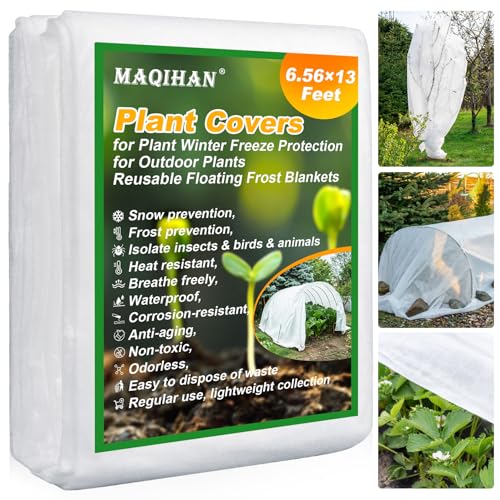
If a surprise cold night hits, move a potted tree into a garage or the house. For an in-ground tree in zone 10, cover it overnight with a frost cloth or old bedsheet that reaches the ground, and remove it in the morning.
How Much Sun Should a Money Tree Get Outside?
Outdoors, a money tree does best in bright, filtered light with about 4 to 6 hours of gentle sun, mostly in the morning. Full afternoon sun burns the leaves, especially on a plant that grew up indoors.
In the wild, this tree grows under taller forest trees, so dappled shade suits it. Partial sunlight through a canopy or a patio cover mimics that well. Indirect sunlight on a bright covered porch works too.
Where Can You Find Gentle Morning Sun and Afternoon Shade?
An east-facing spot is the easiest choice. It gets soft morning sun, then falls into shade by noon.
Good outdoor spots include:
- A covered porch or patio facing east or north
- Under a large shade tree with an open canopy
- Beneath a pergola or lath cover that gives filtered light
- Against an east-facing wall or fence
- Under a shade cloth rated 30 to 50%
Avoid spots next to light-colored walls, concrete driveways, or pools. They bounce heat and light back onto the leaves. In the Southwest and Texas, I’d lean toward more shade than you think you need.
What Are the Signs of Sun Scorch?
Sun scorch shows up as pale, bleached patches on the leaves, usually on the side facing the sun. Within a few days, those patches turn tan or brown and feel papery.
Other signs include crispy brown edges, leaves curling inward, and a washed-out yellow-green color across the top of the plant. Scorch happens fast, sometimes in a single afternoon.
Damaged leaves won’t turn green again. Move the plant into deeper shade right away, then trim off badly burned leaves once new growth appears. Lightly scorched leaves can stay on and still feed the plant.
How Do You Acclimate an Indoor Money Tree to Outdoor Conditions?
Give an indoor money tree 1 to 2 weeks to adjust before it lives outside full-time. This process, called hardening off, lets the leaves toughen up against stronger light, wind, and temperature swings.
Skipping it is the most common mistake I see with a money tree outdoors. Indoor leaves are thinner and softer, and outdoor light is many times brighter than even a sunny window.
How Should You Increase Its Outdoor Time?
Start in full shade and add time and light a little each day. Here’s a schedule I’d follow:
- Days 1 to 3: 2 to 3 hours outside in full shade, then back in.
- Days 4 to 6: 4 to 6 hours outside, still in shade.
- Days 7 to 9: All day in shade. Leave it out overnight if lows stay above 55°F.
- Days 10 to 14: Move it into its summer spot with 1 to 2 hours of morning sun, adding a little each few days.
Pick calm days to start. Strong wind dries out soft leaves quickly. Check the soil daily, since pots dry out much faster outside.
What Should You Do If Leaves Wilt or Drop?
Some leaf drop during the move is normal. Money trees react to any change in light or location by shedding a few leaves, and new ones grow in better suited to their new conditions.
If the leaves wilt, check the soil first. Dry soil means it needs a deep watering. Wet soil with wilting points to too much heat or sun, so move it to deeper shade.
If the plant drops more than a quarter of its leaves, slow down. Pull it back into full shade for a week before trying more light again.
How Do You Plant a Money Tree in the Ground?
In zones 10 to 12, plant a money tree in spring in a sheltered spot with well-draining soil and afternoon shade. Drainage decides more about success than anything else, because soggy soil leads to root rot.
Pachira aquatica grows near water in the wild, but its roots still need air. Rainwater that drains away quickly is fine. Water that sits for days isn’t.
How Do You Choose a Sheltered, Well-Drained Site?
Look for a spot that gets morning sun, afternoon shade, and some protection from strong wind. Plant it at least 15 to 20 feet from your house, since the canopy and roots spread wide over time.
Test drainage before planting. Dig a hole 12 inches deep, fill it with water, and let it drain. Fill it again and time it. If the water takes more than 4 hours to drain, the site is too wet.
To plant:
- Dig a hole twice as wide as the root ball and just as deep.
- Loosen circling roots gently with your fingers.
- Set the tree so the top of the root ball sits level with or slightly above the ground.
- Backfill with the native soil, mixed with a few shovels of compost if the soil is sandy.
- Water deeply, then spread 2 to 3 inches of mulch, keeping it a few inches from the trunk.
In heavy clay, build a raised mound or bed 12 to 18 inches high and plant into that.
When Is a Container the Safer Choice?
A container is the safer choice anywhere outside zones 10 to 12, and in zone 10a where cold snaps happen. It’s also smart if your yard has poor drainage or you rent your home.
Use a pot with drainage holes, 2 to 4 inches wider than the root ball. Fill it with a fast-draining peat- or coir-based mix with perlite or pine bark. My article on the best soil for a money tree covers good mix ratios.
Large pots get heavy. I’d set anything over 14 inches wide on a plant caddy with wheels so moving it in fall is easy.
How Do You Water and Feed a Money Tree Outdoors?
Water an outdoor money tree whenever the top 2 inches of soil feel dry, and feed it half-strength balanced liquid fertilizer about once a month from spring through summer. Outdoor plants dry out faster, so you’ll water more often than you do indoors.
Well-draining soil makes this easier. It lets you water deeply without leaving roots soaking, which is how root rot starts.
How Should Rain and Heat Change Your Watering?
Heat and wind speed things up, while rain and humidity slow things down. In a July heat wave, a potted money tree may need water every 1 to 2 days. During a rainy week, it may need none.
Some practical rules:
- Stick your finger in the soil before every watering.
- Water until it runs out the bottom of the pot, then let it drain.
- Never leave a pot sitting in a full saucer outdoors, since rain fills it fast.
- After heavy rain, tip potted plants slightly to drain trapped water.
- In-ground trees need deep watering once or twice a week in dry spells.
Low humidity in the Southwest calls for grouping pots together and keeping them shaded. Misting does little o