
Plant 16 carrots in each square of a square foot garden, set in a 4 by 4 grid of spots about 3 inches apart.
For carrots in a square foot garden, I recommend 16 per square, sown 1/4 inch deep in at least 12 inches of loose mix for full-length types, or in a 6-inch bed if you pick short or round varieties.
That small square can hold a surprising number of sweet roots. The catch is underground: carrots fork, crack, or stall when the mix is too shallow, too rich, or too uneven in moisture.
Once you get spacing, depth, and watering right, growing carrots turns into one of the easiest wins in a raised bed.
How Many Carrots Fit in One Square Foot?
Sixteen carrots fit in one square foot, which is the standard spacing in square foot gardening. Mark the square into a grid, drop a few seeds in each spot, and thin to one carrot per spot once they sprout.
How to Mark 16 Spots with a Seed Spacer
The easiest way to get 16 carrots per square is a 4 by 4 pattern with each spot about 3 inches from its neighbors. A plastic seed spacer tool (a 12-inch template with pre-punched holes) makes this fast.
Lay it over the square, poke through the 16-hole pattern, and lift it off.
No template? Use your fingers instead:
- Draw lines in the mix to divide the square into four equal sections.
- Divide each section into four smaller boxes, giving you 16.
- Press a fingertip into the center of each box, 1/4 inch deep.
A 4 by 4 foot bed has 16 squares, so if you give two squares to carrots, you’ll grow 32. Giving all 16 squares to carrots would mean 256 roots, which is more than most households need at once.
How Many Carrot Seeds Should You Sow Per Spot?
Sow 2 or 3 carrot seeds in each spot. Carrot seed is tiny and germinates unevenly, so a few extras make sure each spot gets at least one seedling.
Pelleted carrot seeds (seeds coated in clay to make them bigger) are easier to handle with fingers. I’d use them if you have trouble placing raw seed. Plan on cutting the extras later so only one carrot grows in each spot.

How Deep Should the Bed Be for Straight Roots?
Long carrot varieties need 12 inches of loose mix, while short and round types do fine in 6 inches. The rule is simple: a root needs at least as much loose depth as its mature length, plus a little extra.
Prepare Loose, Stone-Free Mix for Root Growth
A carrot’s taproot stops, bends, or splits the moment it hits something hard. Root growth depends on what’s below the surface, so check for compacted layers by pushing a long screwdriver straight down. Where it stops sliding easily, your loose depth ends.

The classic square foot gardening soil mix is equal thirds by volume of blended compost, peat moss or coco coir, and coarse vermiculite. It drains fast, stays loose, and needs no tilling. Before sowing:
- Pull out stones, sticks, and clumps of undecomposed organic matter.
- Crumble any lumps between your fingers.
- Use only finished compost, never fresh manure.
- Smooth the top inch so tiny seedlings can push through.
Carrots like a pH of about 6.0 to 6.8, which a simple soil test will confirm.
Choose a Short Variety or Add Depth to a 6-Inch Bed
Most square foot beds are 6 inches deep, which suits lettuce and herbs but cuts off longer carrots. You have two good options.
First, grow short carrots that finish within 6 inches. Second, build a bottomless 12-inch box (a “top hat”) and set it on top of a few squares, then fill it with the same mix.
I like the second option if you want classic full-length carrots without rebuilding the whole bed.

Which Carrot Varieties Suit Your Bed?
Match carrot varieties to the depth you have. Round and short types handle shallow mix, while Nantes carrots and Danvers carrots need closer to a full foot.
| Type | Root length | Loose mix needed |
|---|---|---|
| Round (Paris Market type) | 1 to 2 inches across | 6 to 8 inches |
| Chantenay | 4 to 5 inches | 8 to 10 inches |
| Nantes | 6 to 7 inches | 10 to 12 inches |
| Danvers | 6 to 8 inches | 10 to 12 inches |
| Imperator | 8 to 10 inches | 15 to 18 inches |
Short and Round Carrots for Shallow Squares
Round carrots grow into little balls about the size of a golf ball. They’re my top pick for a 6-inch bed because they never run out of room. ‘Paris Market’ and ‘Thumbelina’ are classic round types.
Chantenay carrots are short and stout, with wide shoulders. They handle shallow beds well. Baby types like ‘Little Finger’ stay around 4 inches and mature quickly too.
Nantes and Danvers Carrots for Deeper Mix
Nantes carrots are cylinder-shaped with blunt tips, sweet and crisp. At 6 to 7 inches long, they’re the best fit for a 12-inch square foot bed or top hat. ‘Scarlet Nantes’, ‘Bolero’, and ‘Nelson’ are reliable choices.
Danvers carrots are cone-shaped and slightly longer. They’re sturdy and forgiving. I’d skip Imperator types, the long grocery-store style, unless your mix runs 15 inches or deeper.
When Should You Sow Carrots?
Sow carrots 2 to 4 weeks before your last spring frost, then sow again in late summer for a fall crop. Carrots are a cool-season crop and get sweeter in cool weather.
Time Spring Sowing Around the Last Frost
Start planting carrots as soon as the mix is workable and 2 to 4 weeks before your average last frost. Raised beds warm faster than ground soil, which gives you a head start.
Cold soil slows germination, so early sowings may take the full three weeks to show up. Sow a new square every 2 to 3 weeks through spring for a steady harvest. Stop spring sowing once summer heat is near, because hot soil makes germination patchy.
Plan a Fall Crop for Your US Region
For fall carrots, sow about 10 to 12 weeks before your first hard frost. Light frost sweetens the roots, but harvest before the ground freezes solid.
| US region | Spring sowing | Fall sowing |
|---|---|---|
| Deep South and Gulf Coast | January to February | September |
| Southeast and Southern Plains | February to March | August |
| Mid-Atlantic and Ohio Valley | Late March to April | July |
| Midwest and Great Lakes | Mid-April to May | July |
| Northeast and New England | Late April to May | Early July |
| Mountain West and Pacific Northwest | Late April to May | Early July in mild areas |
In parts of the Southwest and Florida, carrots grow best through fall and winter.
How to Plant Carrot Seeds Step by Step
Knowing how to plant carrots in a square foot garden comes down to shallow sowing, constant surface moisture, and thinning carrots to one per spot. Carrots must be sown directly, since transplanting damages the young taproot and causes forking.
Sow Directly at the Right Depth
- Water the square the day before so the mix is evenly damp.
- Mark 16 spots, each 1/4 inch deep.
- Drop 2 or 3 seeds into each spot.
- Cover with fine mix or sifted compost.
- Press gently with your palm for good seed contact.
- Label the square with the variety and date.
Deeper than 1/4 inch, the tiny seed runs out of energy before it reaches light.
Keep the Surface Moist Until Seeds Sprout
Carrot seeds need a damp surface for 1 to 3 weeks before they sprout. If the top dries out even once, germination suffers. Mist or water gently once or twice a day in warm, dry weather.
A piece of burlap or a board laid over the square holds in moisture. Check under it daily and remove it as soon as the first green threads appear. This also stops a hard crust from forming, which can trap seedlings.
Thin Seedlings to One Carrot per Spot
When seedlings stand 1 to 2 inches tall, keep the strongest one in each spot. Snip the extras at soil level with small scissors. Pulling them disturbs the roots of the one you’re keeping.
Crowded carrots twist around each other and stay pencil-thin, so don’t skip this step. Thin in the evening and water lightly afterward, since the scent of crushed leaves draws carrot flies.
How Should You Lay Out the Surrounding Squares?
Put carrot squares on the sunny south side of the bed and keep tall crops north of them. Carrots need at least 6 hours of direct sun, and neighboring squares can help or hurt.
Keep Tall Crops and Trellises from Shading Carrots
Trellises and tall crops belong on the north side of the bed. That includes vertical crops like pole beans in square foot gardening at 8 per square, plus trellised tomatoes. Planted on the south side, they’d shade your carrots for most of the day.
Watch out for big, sprawling plants too. Zucchini takes a 2 by 2 block of squares and its leaves can spill over carrot squares. Keep at least one square of low crops between them.
Place Onions and Lettuce in Neighboring Squares
Onions make good neighbors because their strong scent helps hide carrots from carrot flies. Bulbing onions go 9 per square, and green onions fit 16 per square. My guide to onions in a square foot garden covers timing for both.
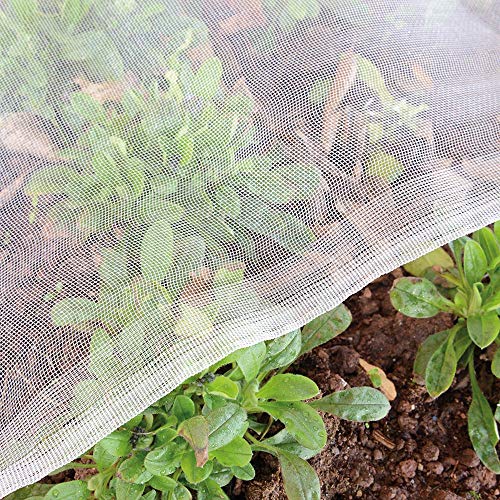
Lettuce works well beside carrots since it feeds shallow and finishes early. Leaf lettuce fits 4 per square.
In spring, peas in a square foot garden on a north-side trellis can share the bed too. Keep dill away from carrots, as it’s c