
Yes, air plants need sun. They make all their food from light, the same as any houseplant, even though they never touch soil.
Air plants need bright indirect sunlight for most of the day, and a few hours of gentle morning sun is fine for most of them, but hot afternoon sun through glass will scorch their leaves.
In my experience as a gardener, light is the care detail people get wrong most often with Tillandsia. A plant on a dim bookshelf can look fine for months while it slowly starves.
The fixes are easy once you know what your windows deliver and which type of air plant you have.
The Light Air Plants Need to Thrive
Air plants thrive in strong, steady brightness without long stretches of harsh rays on the leaves. Plan on at least 4 to 6 hours of bright light a day. Silvery types can take a little direct morning sun, and greener types want filtered light only.
How Many Hours of Light Should They Get?
I’d aim for 4 to 6 hours of bright, indirect light at a minimum, and more is better if the spot stays cool. A room that never gets that much daylight won’t keep a Tillandsia going for long.
A simple test helps. If you can comfortably read a book at midday without turning on a lamp, the light is in the right range. If you need a lamp, your plant needs a brighter spot or a grow light.
Give any new spot 10 to 14 days before you judge it. Old leaves won’t change much, so watch the newest growth in the center of the rosette.
Why Do Soil-Free Plants Still Need Light?
Air plants are epiphytes, which means they grow on trees, rocks, or even power lines without stealing anything from their host. Tiny scales called trichomes on the leaves soak up water and nutrients, and the roots only hold on.
That setup handles water and minerals. Energy still comes from photosynthesis, so the leaves need light to turn air and water into sugar. In the wild, many Tillandsia climb trees to reach brighter light near the canopy.
Without enough light, a plant can’t build reserves to bloom or make pups. You’ll find more on the full routine in my guide to air plant care.
What Counts as Bright, Indirect Light?
Bright, indirect light is a spot that sees a wide view of open sky but keeps the sun’s rays off the leaves for most of the day. Filtered sunlight through a sheer curtain counts.
So does a spot a foot or two to the side of a sunny window.
How to Tell Filtered Light from Direct Sun
Use the shadow test. Hold your hand about a foot above the plant at the brightest time of day.
- Sharp, dark shadow: direct sunlight. Fine for an hour or two in the morning, risky after noon.
- Soft shadow with fuzzy edges: bright, filtered light. This is the sweet spot.
- Faint or no shadow: low light. Fine for a short visit, too dim for a permanent home.
Sheer curtains, frosted film, and a leafy tree outside the glass all soften direct sun into filtered light. Heavy drapes and closed blinds cut it too much.
How Far from a Window Should You Place Them?
For air plants indoors, I’d keep them within 1 to 3 feet of a bright window. Light drops off fast as you move back into a room, so a table 8 feet away gets a small fraction of what the sill does.

With a hot south or west window, move the plant a little to the side of the glass, or hang a sheer between them. With a north or east window, put it right up close.
How Xeric and Mesic Air Plants Differ
Xeric air plants are the silvery, fuzzy ones from dry, sunny places, and they handle more light. Mesic air plants are greener and smoother, come from shady humid forests, and need softer light.
A quick look at the leaves usually tells you which one you have, even without a name tag.
The silver coating is a thick layer of trichomes. Those scales reflect strong light and slow water loss, so more fuzz means more sun tolerance.

Which Silvery Species Tolerate Brighter Light?
These xeric types can take bright light plus 1 to 3 hours of direct morning sun once they’re used to it:
- Tillandsia xerographica, the big curly silver rosette
- Tillandsia tectorum, the very fuzzy, snowy-looking one
- Tillandsia harrisii
- Tillandsia streptophylla, with its wavy, curling leaves
- Tillandsia caput-medusae, the octopus-shaped one with a bulb base
Tillandsia ionantha falls in the middle. It has decent trichome cover and likes very bright indirect light, but I’d keep hot direct sun off it.
Which Greener Species Prefer Gentler Light?
Mesic air plants look green, smooth, and a bit glossy. Their leaves are softer and bend easily.
- Tillandsia bulbosa, with its swollen base and twisting arms
- Tillandsia brachycaulos, a green rosette that blushes red
- Tillandsia cyanea, the pink quill
Give these bright filtered light and no direct midday rays. They also want more water than the silvery types, so a weekly soak suits them well.
Which Window Is Best for Air Plants?
An east-facing window is the best spot for most air plants. A west or south window works with some filtering, and a north window is the dimmest choice, so the plant should sit right at the glass.
| Window | Light it gets | Best placement |
|---|---|---|
| East | Gentle morning sun, bright the rest of the day | Right on or near the sill |
| South | Strong light all day, hottest in summer | 2 to 3 feet back or behind a sheer |
| West | Hot afternoon sun | Behind a sheer or off to the side |
| North | Soft, even light, weak in winter | Right at the glass |
East-Facing Windows and Gentle Morning Sun
Morning sun is cooler and softer, so an east window gives you a few hours of mild direct light and then bright shade. That pattern lines up with what most Tillandsia like.
Both xeric and mesic types do well here. I’d still put green types an inch or two back from the glass.
West- and South-Facing Windows in the Afternoon
Afternoon sun through west glass gets hot, and the glass traps that heat around the plant. That combination dries out leaves and burns them.
South windows deliver the most light in US homes, especially in winter when the sun is low. In the Southwest and Southeast summer, I’d pull plants back several feet or hang a sheer curtain. Silvery types can sit closer than green ones.
North-Facing Windows and Winter Light
North light stays even and never burns, which makes it safe. It’s also the weakest, and in the Northeast, Midwest, and Pacific Northwest winter it can fall too low.
Put the plant directly against the glass and keep the window clean. If new growth looks stretched by midwinter, add a grow light or move the plant to a brighter window until spring.
When Is Direct Sun Safe for Air Plants?
Direct sunlight is safe for an hour or two in the early morning, and only after the plant has been eased into it. Silvery xeric types like xerographica can build up to 2 or 3 hours.
Green mesic types do best with filtered sunlight all day.
A little direct light brings out stronger color in many species, which is why some growers like it.
Why Morning Sun Is Different from Hot Afternoon Sun
Morning light arrives after a cool night, so leaves start the day hydrated and the air is mild. By mid-afternoon, the room is warmer and the sun is beating on the same spot for hours.
Behind glass, that heat builds. Air plants run best at 50 to 90°F, and a sunny sill in July can climb well past that. The leaves lose water faster than the trichomes can replace it.
How to Move an Air Plant into Brighter Light Gradually
A plant raised in a shaded greenhouse can burn if you move it straight into sun. Take it in steps:
- Week one: put it in bright, filtered light near the window.
- Week two: allow 30 to 60 minutes of direct morning sun.
- Week three: stretch that to 1 to 2 hours if the new leaves look firm.
- Keep checking the youngest leaves for pale patches or crisp tips, and back off at the first sign.
Water on schedule during the move. A thirsty plant burns faster.
Can Air Plants Survive in Low Light?
Air plants can survive in low light for a while, but they don’t last long there. They decline slowly over months, so the damage is easy to miss until the plant is weak.
Mesic air plants handle dim spots a bit better than silvery ones, and even they need real brightness to stay healthy.
There are no true low-light air plants. Labels that say otherwise mean “tolerates a dim spot for a short time.”
What Happens in a Dim Room Over Time?
The plant first stops growing. Then new leaves come in pale and spaced out, and the rosette loosens and stretches toward whatever light it can find.
It won’t bloom or make pups. Slow drying in a dark, cool room also leaves leaves damp longer, which raises the risk of rot at the base.
If your plant has reached that stage, my guide on why an air plant is dying can help you sort out what went wrong.
Where to Put a Plant When Natural Light Is Limited
If you love the look of air plants indoors on a dark shelf, try rotating them. On watering day, move the shelf plants to your brightest window and bring the window plants to the shelf.
A weekend in good light won’t make up for weeks in a dark corner, so keep the dim stints short. Hanging plants high near a window or perching them on a sill with a sheer works better.
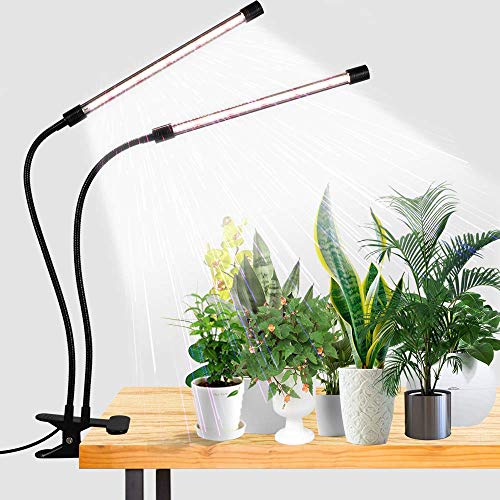
For truly dark rooms, a small grow light is the most reliable fix.