
Ferns want three things above all: soft light, steady moisture, and humid air. Give a fern bright indirect light indoors or open shade outdoors.
Keep its soil evenly damp but never soggy, and protect tropical types from cold and dry heat. With those basics in place, most ferns grow lush with very little fuss.
To care for ferns, start by matching the fern to its spot, then water when the top inch of soil feels dry, raise indoor humidity to 50% or higher, and feed lightly only in spring and summer. Ferns have been around for hundreds of millions of years, so they’re tougher than their lacy fronds suggest.
They just don’t forgive dry air or hot afternoon sun.
Fern Care at a Glance
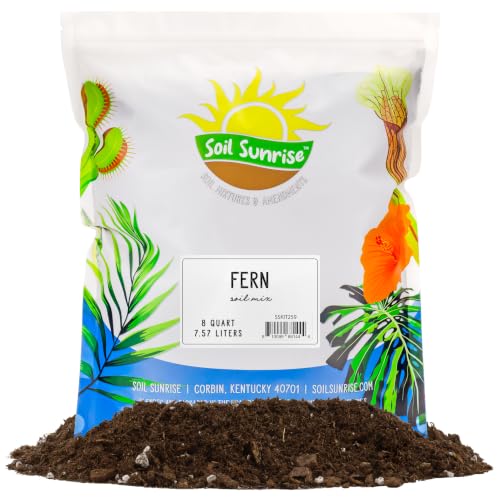
Good fern care comes down to a handful of steady conditions, and this chart gives you the starting numbers for the most common ferns. If you are stocking up, a good potting mix is the first thing I would pick up.
| Care need | Indoor tropical ferns (Boston, maidenhair, bird’s nest) | Outdoor hardy ferns (ostrich, lady, Christmas, Japanese painted) |
|---|---|---|
| Light | Bright indirect light; no direct midday sun | Open or dappled shade; morning sun at most |
| Water | When the top inch feels dry | Keep soil damp, extra water in dry spells |
| Humidity | 50% or higher | Natural outdoor air is fine |
| Temperature | 60 to 75°F; keep above 50°F | Cold-hardy in USDA zones 3 to 8 |
| Feeding | Half-strength liquid feed monthly, spring and summer | Compost or leaf mulch each spring |
| Winter | Less water, no fertilizer | Dormant; leave fronds until spring |
Use these numbers as a baseline, then watch your plant. A fern that keeps pushing out new fiddleheads (the tightly curled young fronds) is telling you the setup works.
What Changes Between Indoor and Outdoor Ferns?
The biggest difference is cold tolerance. Indoor ferns are mostly tropical plants that can’t handle frost, while many outdoor ferns are hardy natives that die back in fall and return each spring.
Choosing Ferns for Your Home or Garden
For indoor ferns, I’d start with a Boston fern (Nephrolepis exaltata ‘Bostoniensis’). It’s forgiving, easy to find, and looks great in a hanging basket. The ASPCA lists Boston fern as non-toxic to cats and dogs, which makes it a good pick for pet homes.
Maidenhair fern is prettier but fussier. Its thin leaflets dry out fast, so it needs steady moisture and humid air. Bird’s nest fern is tougher, with wide, glossy fronds that handle normal room air better.
Staghorn fern is a different animal. It grows on tree bark in the wild, so you mount it on a board or grow it in a very chunky mix. Don’t treat it like a regular potted fern.
Outdoors, hardy ferns are the easy choice for shady beds:
- Ostrich fern: tall, upright, and quick to spread in moist soil.
- Japanese painted fern: silvery fronds with a purple blush, great for brightening dark corners.
- Christmas fern: evergreen and fine in drier shade across much of the East.
- Lady fern and cinnamon fern: good for damp spots.
These natives are cold-hardy in zones 3 to 8. Be careful with climbing fern, though. Some types, like Japanese climbing fern, spread aggressively in the Southeast and can smother native plants.

One more warning: asparagus fern isn’t a true fern at all. It’s a flowering plant, and the ASPCA lists it as toxic to cats and dogs.
Caring for Outdoor Ferns Through Summer
Summer heat is the main stress for outdoor ferns. Keep their soil damp, especially during dry spells and their first year in the ground. Water the soil at the base, not the crown, since a wet crown can rot.
A 2-inch layer of shredded leaves or compost helps hold moisture and keeps roots cool. Leave the crown itself uncovered.
If you set a potted Boston fern on the porch for summer, move it out gradually over a week or so. Potted ferns dry out much faster than ferns in the ground, so check them daily when it’s hot.
In the Southwest and other dry regions, that might mean watering every day.
In fall, watch the forecast and learn when to bring ferns inside. Boston ferns should come in before nights drop below 50°F. They can stay out year-round only in zones 9 to 11.
How Much Light Do Ferns Need?
Most ferns grow best in bright, indirect light, the kind you’d find a few feet back from a window or under a high tree canopy. Too much sun scorches fern fronds, and too little leaves them thin and slow.
Finding the Right Indoor Spot
An east-facing window is my favorite spot for indoor ferns. It gives gentle morning light without the harsh afternoon heat.
South and west windows work if you set the fern 3 to 5 feet back or hang a sheer curtain. North windows can be enough for some ferns, but in winter the light gets weak.
Watch for these signs of too little light:
- New fronds come in small, pale, or sparse.
- The plant leans hard toward the window.
- The soil stays wet for many days after watering.
A bathroom is only a good spot if it has a window. Humidity won’t help a fern that can’t make food from light.

Choosing Shade Outdoors and Reading Scorched Fronds
Outdoors, plant ferns where they get morning sun and afternoon shade, or dappled shade all day. North and east sides of the house work well. In the hot Southeast and Southwest, give ferns more shade than you would in the Pacific Northwest or Northeast.
Scorch shows up as bleached, tan, or crispy patches, often on the side facing the sun. If you see that, the fern is getting more light than it can handle, or it’s too dry for that much sun.
Move potted ferns into deeper shade. For a fern in the ground, add shade with a nearby shrub or keep the soil wetter through summer.
How and When Should You Water Ferns?
Water a fern when the top inch of soil feels dry, then soak it until water runs out the bottom. Ferns like soil that stays evenly moist, like a wrung-out sponge.
Checking Soil Moisture Before Watering
Push your finger into the soil up to the first knuckle. If it’s dry there, water. If it’s still damp, wait a day and check again.
Lifting the pot works too. A freshly watered pot feels heavy, and a dry one feels light. After a few weeks, you’ll know the difference by feel.
When you water, pour slowly until water drains out the holes. Then empty the saucer within 15 minutes so roots don’t sit in water. Little sips every day only wet the top layer and leave deeper roots dry.
For more detail, I’ve written about how much water ferns need in different setups.
Adjusting for Pots, Weather, and the Season
Your schedule will change with conditions. Hanging baskets dry fastest because air moves all around them. Clay pots dry faster than plastic ones.
In summer, indoor ferns might need water once or twice a week. In winter, with less light and slower growth, once every 7 to 10 days is common. Outdoor ferns in the ground need extra water mainly during dry spells and their first year.
If your tap water is hard or treated, sensitive ferns like maidenhair can get brown tips from built-up salts or fluoride. Rainwater or distilled water helps, and flushing the pot with plain water every few months clears salts out.
How Can You Raise Humidity for Indoor Ferns?
A room humidifier is the most reliable way to keep indoor air at the 50% humidity most ferns like. Winter heating in the Northeast and Midwest can drop indoor humidity to 20% or 30%, which is when fronds start to crisp.
Why a Humidifier Works Better Than Misting
Misting raises humidity around the plant for only a few minutes. Once the droplets dry, the air is just as dry as before. Wet fronds sitting in still air can also invite leaf spots.
A humidifier keeps the whole room steady all day. Set it a few feet from your ferns and aim for 50% to 60%. A cheap hygrometer (a small humidity gauge) shows you the real reading so you aren’t guessing.
Keep ferns away from heating vents, radiators, and air conditioner blasts. Moving air from those sources pulls moisture out of fronds fast.
What Grouping Plants and Pebble Trays Can Do
Grouping several plants together creates a slightly more humid pocket, since each plant releases moisture through its leaves. It’s a small help, and it costs nothing.
A pebble tray is a shallow tray filled with pebbles and water, with the pot sitting on top of the pebbles. It helps a little, mostly right around the pot. Keep the water below the pot’s bottom so roots don’t soak.
I’d use these as extras alongside a humidifier for touchy ferns like maidenhair. A Boston fern in an average room often does fine with grouping alone, as long as it stays away from vents.
What Soil and Pots Help Fern Roots Thrive?
Ferns need a mix that holds moisture but still drains fast, in a pot with at least one drainage hole. Fine fern roots rot in soggy soil and dry out in sandy, thin mixes.
Choosing a Moisture-Retentive, Free-Draining Potting Mix
For growing ferns in containers, start with a good indoor potting mix based on peat or coir. Add a few handfuls of perlite or fine bark per gallon if your mix stays wet too long.
Avoid garden soil in pots. It packs down, drains poorly, and can carry weeds and pests indoors.
Skip the old trick of putting gravel in the bottom of a pot. Gravel doesn’t improve drainage. Water collects in the soil just above it, so you end up with a soggier root zone.
Staghorn ferns and other epiphytes (plants that grow on trees) need a much chunkier mix, like orchid bark, or a wooden mount with moss.
Planting Ferns in Containers and Garden Beds
When planting ferns in pots, choose one only 1 to 2 inches wider than the root ball. A huge pot holds extra wet soil that roots can’t reach. Set the crown at the same depth it grew before, never deeper.
For garden beds, plant in spring or early fall when the weather is cool. Dig a hole as deep as the root ball and twice as wide. Mix compost or leaf mold into the soil if it’s heavy clay or sandy.
Under big trees, soil can be dry even in deep shade. Water new ferns there faithfully through their first season while roots get established.
How Much Fertilizer Do Ferns Need?
Ferns are light feeders, so a little fertilizer goes a long way. In nature they live off fallen leaves and rainwater, and too much feed hurts them faster than too little.