
Staghorn ferns cost more than most houseplants because they grow slowly, take a year or more to propagate from spores, and need hands-on mounting before they look like the wall display you want to buy.
A nursery has to water, feed, and protect each plant for 2 to 3 years after starting it from a pup before it reaches a good selling size, and spore-grown plants take longer still.
Size multiplies that cost fast. A small pup in a nursery pot is affordable, while a mature, mounted specimen represents years of greenhouse space, labor, and risk, plus careful packing to ship it without snapping fronds.
I’ll show you where that money goes and how you can get a healthy staghorn for less.
What Drives the Higher Price?
A staghorn fern’s price mostly reflects time: years of growing, plus skilled labor to mount and ship it. Rarity adds to that for collector species, while common types stay fairly reasonable at small sizes. If you are stocking up, a spray bottle is the first thing I would pick up.
Which Costs Matter Most?
Here are the biggest cost drivers, roughly in order of how much they add to the tag:
- Growing time. Every month a plant sits on a nursery bench costs water, fertilizer, heat, and space.
- Propagation. Spores need sterile containers and 12 to 18 months before a plant is mountable.
- Mounting. Boards, moss, wire, and an hour of careful hand work go into each finished piece.
- Losses. Plants that rot, dry out, or fail to root still cost the grower money.
- Shipping. Wide fronds and heavy, wet mounts need big boxes and extra padding.
Size ties all of these together. A larger plant has spent more time growing and survived more chances to fail.
Are All Staghorn Ferns Expensive?
No. The common staghorn, Platycerium bifurcatum, makes pups readily, so growers can produce plenty of small ones at friendly prices.
The high prices show up in two places: large, established mounts of any species, and rare species that never make pups. A small common staghorn in a 4-inch pot is one of the more affordable ways to own an unusual fern.
Why Does Slow Growth Raise the Cost?
Slow growth raises the cost because the grower pays for care every week the plant isn’t ready to sell.

Staghorns put out only a few new fronds each year, so a saleable plant ties up bench space for seasons, and a showpiece ties it up for years.
Time Spent Growing a Saleable Plant
A nursery that starts a staghorn from a pup needs about 2 to 3 years of watering, feeding, and pest checks before the plant fills out enough to sell well.

During that time it occupies warm, humid greenhouse space that could hold several crops of faster plants.
Compare that with a pothos or spider plant, which can go from cutting to sale in a few months. That gap in turnover is a big reason staghorns cost more per inch of plant.
Why a Mature Display Takes Longer
A dramatic mounted staghorn has layers of shield fronds stacked against the board and antler fronds reaching 2 to 3 feet long. Building those layers can take many years, especially in cooler conditions where growth slows down.
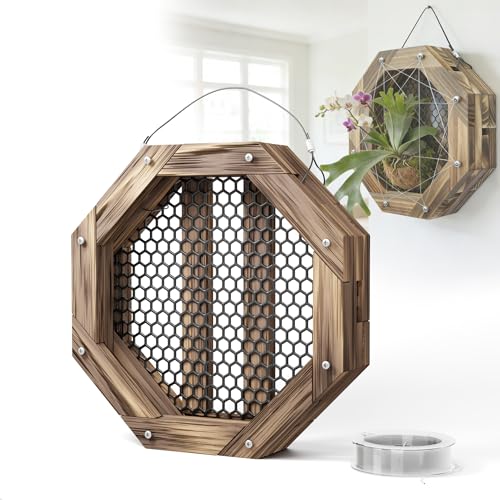
Mature plants also get heavy. A soaked mount weighs 5 to 10 pounds and gets heavier as the plant grows, so larger specimens often need remounting onto a bigger board along the way, which adds more labor to the final price.
Why Do Spores and Pups Take Time to Propagate?
Staghorns reproduce in only two ways, by spores or by pups, and neither one is quick. Spores take 12 to 18 months to become a mountable plant, while pups need to grow their own roots and shield frond before anyone can safely remove them.
Growing From Spores
Spores form in brown, velvety patches under the antler fronds. A grower collects them, sows them on sterile, damp sphagnum in a sealed container, and keeps it at about 70 to 80°F in bright, indirect light.

A green film of tiny heart-shaped structures shows up in 2 to 4 weeks.
Fern sperm have to swim through a film of water to reach the egg, so the container must stay evenly moist the whole time; that’s part of why ferns like damp places.
The first true baby fronds appear around months 4 to 8, and the plants need roughly 12 to 15 months before they’re big enough to mount.
Mold and algae ruin many home sowings, which is why commercial spore growing needs careful, clean setups. If you’d like to try it yourself, you can grow ferns from spores using the same basic method.
Separating and Establishing Pups
A baby staghorn fern, or pup, grows from the creeping rhizome at the edge of the parent plant. It’s ready to remove when it’s about 4 inches wide, has its own shield frond, and shows visible roots under the moss.
Pull it too early and it often fails. After separation, the pup needs 4 to 8 weeks to settle onto its new mount, and it can’t be rushed.
Some big species, like P. grande and P. superbum, never make pups at all. Growers can only raise them from spores, which keeps their supply low.
What Goes Into Mounting a Staghorn Fern?
Mounting takes real materials and careful hands, and that labor shows up in the price. Staghorns are epiphytic plants, meaning they grow on trees in the wild, so a proper display needs a board, a moss bed, and secure wiring.
Materials and Hands-On Labor
A basic mount uses these supplies:
- A rot-resistant board like cedar or a slab of cork bark, sized well beyond the plant
- Long-fiber sphagnum moss, soaked and squeezed damp
- A handful of orchid bark mixed in for air pockets
- Fishing line or coated wire to hold the plant in place
- Screws as tie-down points and sturdy hanging hardware
The grower soaks the moss, builds a mound, sets the fern with its shield frond facing the board, and wraps the line without cutting into living tissue. Untreated wood matters here, because copper-based preservatives in pressure-treated lumber damage the fine roots.
Why a Finished Mount Costs More Than a Potted Plant
A potted staghorn skips the board, the moss bed, the wiring, and the extra hour of skilled work. You’re also paying for the weeks the grower waits for the plant to grip its new mount before it’s safe to sell.
Good mounts last a long time. Cedar boards hold up for about 8 to 10 years and cork bark for 10 to 15, so a well-built mount saves you a remount down the road.
How Do Size and Age Affect What You Pay?
Size is the single biggest swing in staghorn pricing, because a bigger plant has spent more years growing. A large staghorn fern also needs more space, more water, and more careful shipping than a small one.
Small Plants Versus Established Specimens
| Feature | Small pup or 4-inch pot | Established mounted specimen |
|---|---|---|
| Approximate age | Under 1 year | Several years or more |
| Antler frond length | A few inches | 2 to 3 feet |
| Mounted? | Usually not | Yes |
| Weight when wet | Under 1 pound | 5 to 10+ pounds |
| Instant impact | Low | High |
A small plant gives you the same species for much less. You just trade money for patience.
What to Check Before Buying a Large Plant
Before you pay for a big specimen, look closely at its health:
- Shield fronds: Green new shields and tan, papery older ones are normal. Black or mushy shields signal rot.
- Crown: The center should feel firm, with no dark, soft spots.
- Antler fronds: Look for fresh growth and no crisp, brown tips across the plant.
- Pests: Check under fronds for scale, mealybugs, or sticky residue.
- Mount: The board shouldn’t be soft, cracked, or rotting behind the moss.
- Weight and hanging: Make sure your wall or beam can hold it when soaked.
Don’t wipe off the white, fuzzy coating on the fronds. Those tiny hairs protect the plant from sun and drying out.
Are Some Staghorn Species Harder to Find?
Yes, and the hard-to-find species carry the highest prices. The common staghorn shows up in garden centers everywhere, while collector species come from fewer growers in much smaller numbers.
Common Staghorns Versus Collector Species
P. bifurcatum and P. veitchii are easy, pup-producing species that suit beginners, so supply stays steady. P. veitchii also handles more sun and drier spells than most.
Collector species cost more for clear reasons:
- P. grande and P. superbum: Giant solitary crowns that make no pups, so growers rely on spores.
- P. ridleyi: Compact and sculptural, but hard to grow from spores and fussy about warmth and humidity.
- P. willinckii: Long, draping fronds; its cultivars don’t always come true from spores, so growers divide favorite plants slowly.
Why Provenance Matters for Rare Plants
Provenance means knowing where a plant came from. For rare staghorns, my advice is to buy only nursery-grown plants from sellers who can tell you how they were propagated.
Some wild staghorn species are losing forest habitat, and moving rare plants across borders requires inspections and permits. A legally sourced, nursery-raised plant costs more upfront, and it’s also more likely to adapt to life in your home.
Why Does Their Appearance Add to Demand?
Staghorns look like nothing else in a plant shop, and that striking shape keeps demand high. When more people want a plant that grows slowly, prices stay firm.