
Ferns grow well outside in pots when you give them three things: a container with open drainage holes, a light, moisture-holding potting mix, and a spot with filtered shade and shelter from wind.
To grow ferns outside in pots, pick a fern suited to your USDA zone, plant it in a pot only an inch or two wider than its root ball, keep the mix evenly moist but never soggy, and park it where it gets morning sun or dappled light.
The catch is that pots dry out faster and freeze harder than garden soil. That means watering, feeding, and winter plans all look a little different from in-ground ferns.
Once you know which type of fern you have, tropical or cold-hardy, the rest of the care falls into place.
Which Ferns Grow Best in Outdoor Pots?
Outdoor ferns split into two camps for container growing. Tropical fern species like the Boston fern give you big, lush fronds all summer but can’t take frost. Cold-hardy natives like the Japanese painted fern and lady fern can live outside year-round in many zones.
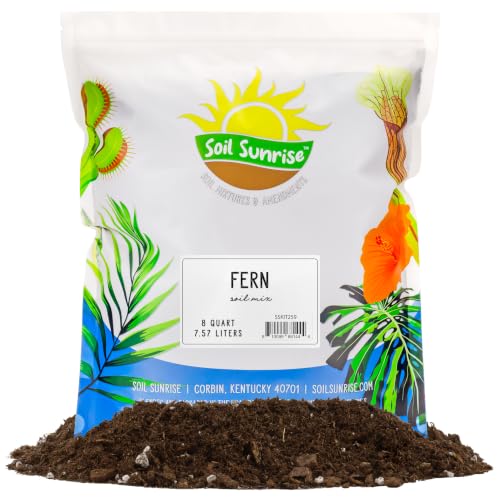
If you are stocking up, a good potting mix is the first thing I would pick up.
Boston Ferns for Warm-Weather Displays
The Boston fern (Nephrolepis exaltata ‘Bostoniensis’) is my top pick for porches and hanging baskets. Its arching fronds fill out fast, and it handles container life better than most ferns.
It wants bright, indirect light, since direct sun scorches the fronds. It grows best between 60 and 75°F and likes humidity of 50% or higher, which makes humid summers in the Southeast and Midwest a good fit.
Boston ferns can stay outdoors year-round only in USDA zones 9 to 11. Everywhere else, treat them as summer guests. You’ll find more detail in my guide on Boston ferns outside.
Pet owners can relax with this one. The ASPCA lists Boston fern as non-toxic to cats and dogs. Asparagus fern, which isn’t a true fern, is toxic, so don’t mix the two up.
Cold-Hardy Ferns for Shaded Patios
If you want a fern that comes back every spring, choose a hardy type. Many native and temperate ferns are cold-hardy in zones 3 to 8 and go dormant in winter:
- Japanese painted fern: silvery fronds with purple-red stems; brightens dark corners.
- Lady fern: soft, lacy, arching fronds that reach 1 to 3 feet.
- Ostrich fern: tall, upright plumes up to 3 to 6 feet; needs a big, heavy pot.
- Christmas fern: evergreen, tough, and compact.
- Autumn fern: coppery new fronds that turn green; hardy in zones 5 to 9.
I’d steer most patio growers toward compact types. Ferns that stay under 2 to 3 feet won’t outgrow their containers in a single season.
When Maidenhair Ferns Need Extra Care
The maidenhair fern is gorgeous but fussy in a pot. Its thin, wiry stems and tiny leaflets dry out and crisp within a day of missed watering.
Tropical maidenhairs can’t take frost, while the northern maidenhair (Adiantum pedatum) is hardy in zones 3 to 8. Either way, give it full shade, shelter from wind, and steady moisture. I’d only pick maidenhair if you can check it daily during hot weather.
How Should You Choose a Pot and Drainage?
Pick a container with at least one open drainage hole, sized just a bit larger than the root ball. Growing ferns in pots fails most often because water has nowhere to go, and root rot sets in.
Match the Pot to the Root Ball
Choose a pot about 1 to 2 inches wider than the fern’s current root ball. Ferns have shallow, fibrous roots, so a wide, medium-depth pot suits them better than a deep, narrow one.
An oversized pot holds extra mix the roots can’t reach yet. That mix stays wet for days and invites rot, especially in cool spring weather.
For tall ferns like ostrich fern or a large Boston fern, pick a wide-based or heavy container so wind doesn’t tip it.
Choose a Material That Suits Your Climate
Pot material changes how fast the mix dries:
| Material | Moisture | Best for |
|---|---|---|
| Plastic or resin | Holds water longer | Hot, dry regions like the Southwest |
| Unglazed terra-cotta | Dries fast through the walls | Humid areas or people who tend to overwater |
| Glazed ceramic | Holds water, heavy and stable | Large ferns; check for a drainage hole |
| Hanging basket | Dries fastest from air flow | Boston ferns; needs frequent watering |
In cold zones, terra-cotta and thin ceramic can crack when wet soil freezes. I’d use frost-proof resin or thick plastic for hardy ferns that stay out all winter.
Keep Drainage Open and Empty Standing Water
Pots with drainage holes are a must. If you love a decorative pot without one, keep the fern in a plastic nursery pot inside it and lift it out to water.
Skip the gravel layer at the bottom. Gravel doesn’t improve drainage; it pushes soggy mix higher toward the roots. A small square of mesh over the hole keeps soil in without blocking water.
Empty saucers within 30 minutes after watering or rain. A fern sitting in a puddle will rot from the bottom up.
What Potting Mix Keeps Fern Roots Moist but Healthy?
Use a light, peat-based or coir-based potting mix loosened with perlite or pumice. Ferns need a mix that stays evenly damp yet keeps tiny air pockets around their fine roots. Never use garden soil in a pot, since it packs down and stays wet.
Combine Moisture Retention with Airflow
A simple blend I recommend:
- 2 parts quality potting mix (peat or coir based)
- 1 part perlite or pumice
- 1 part fine pine bark or extra coir
Squeeze a handful after watering. It should clump lightly and then fall apart. If it stays in a muddy ball, add more perlite. If water rushes straight through, add more coir.
Ferns like slightly acidic mix, around pH 5.5 to 6.5, which most peat and coir blends already provide.
Add Organic Matter Without Packing the Mix Down
A little organic matter feeds ferns gently, the way leaf litter does on a forest floor. Mix in about 10% compost, leaf mold, or worm castings.

Don’t go heavier than that. Too much fine compost breaks down, settles, and chokes the air spaces. Fill the pot loosely and tap it on the ground to settle the mix; don’t press it down with your fists.
Where Should Outdoor Potted Ferns Sit?
Place your fern where it gets bright, filtered light or a few hours of gentle morning sun, with shade from noon on. A covered porch, the north or east side of a house, or the shade under a tree all work well.
Give Them Filtered Light or Gentle Morning Sun
Morning sun until about 10 or 11 a.m. is fine for most ferns. Dappled light through tree leaves is even better. Deep, dark shade keeps hardy ferns alive, but they’ll grow thin and slow.
If your fern looks pale or bleached, it’s probably getting too much light. My post on a Boston fern turning light green covers how to tell light damage from hunger.

Regional tip: in the Pacific Northwest and Northeast, ferns can handle a bit more sun. In the Southeast and Southwest, keep them in shade all afternoon.
Shield Fronds from Wind and Afternoon Heat
Wind dries fronds faster than sun does. Tuck pots against a wall, behind larger plants, or in a corner of the porch.
Hot pavement and west-facing walls bake pots from below. Raise containers on pot feet or set them on a wooden deck.
Grouping several pots together creates a moist pocket of air that ferns love. For good companions, see my ideas for plants to grow with ferns in pots.
How Do You Water Ferns in Containers?
Water potted ferns whenever the top inch of mix feels dry, and soak them until water runs out the drainage hole. In summer, that’s every 1 to 3 days for most outdoor pots.
Growing outdoor ferns in pots means checking more often than you would for garden ferns.
Check the Mix Before Watering
Push your finger an inch into the mix. Dry? Water. Still damp? Wait and check again tomorrow.
Water at the base and keep pouring slowly until it drains freely. Light sips only wet the top and leave the lower roots thirsty. Morning watering is best, so fronds dry before evening. For more on this, see how much water ferns need.
Adjust for Heat, Rain, and Hanging Baskets
Plan on more water when:
- Temperatures climb above 75°F
- It’s windy or very dry
- The pot is small, terra-cotta, or hanging
Hanging baskets dry fastest of all and often need water daily in July and August. My guide on how often to water hanging plants helps you set a rhythm.
After a good rain, check the mix anyway. Dense fronds can shed rain away from the pot, leaving the soil dry underneath.
Recognize Dry Soil and Waterlogged Roots
Both problems cause drooping, so feel the mix before reacting.
- Too dry: crispy brown tips, shriveled fronds, mix pulling away from the pot edge, pot feels light.
- Too wet: yellowing fronds, mushy base, sour smell, pot stays heavy for days.
For a dry pot, soak it in a bucket of water for 20 minutes. For a soggy one, stop watering, empty the saucer, and repot into fresh mix if the roots smell rotten.
How Much Fertilizer Do Potted Ferns Need?
Potted ferns need only a little: half-strength balanced liquid fertilizer about once a month in spring an