
Air plants don’t pull bugs into your house. They have no soil, no flowers most of the year, and no sweet smell that lures insects in from outside.
Air plants do not attract bugs, but a stressed or newly bought plant can carry a few pests, mostly mealybugs or scale, that hide where the leaves meet the base.
That’s the part worth watching. A healthy Tillandsia in a bright, breezy spot rarely has trouble, and when something does show up, you can clear it with plain water, a soft brush, and a cotton swab.
Most “bug problems” on air plants turn out to be watering problems, so it helps to know which is which before you reach for any spray.
The Short Answer: Bugs Are Uncommon Indoors
Pests on indoor air plants are rare. When they do appear, they almost always rode in on the plant or hopped over from another houseplant nearby. The plant itself doesn’t draw insects inside, and with simple air plant care most collections stay clean for years.
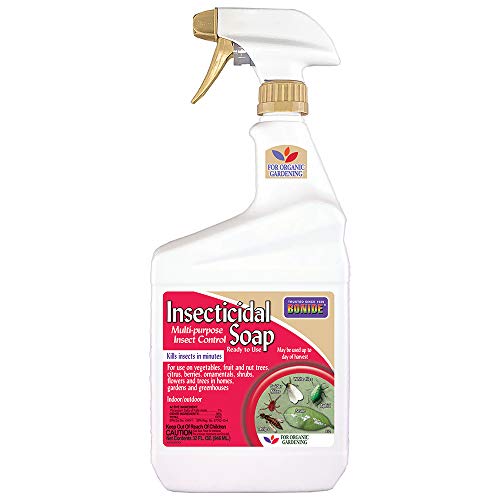
If you are stocking up, a insecticidal soap is the first thing I would pick up.
Why an Air Plant Won’t Draw Bugs Into Your Home
Air plants are Tillandsia, a group of roughly 650 species in the bromeliad family. They grow on trees, rocks, and even power lines in the southern US, Mexico, Central and South America, and the Caribbean.
They have no potting mix, which removes the damp, rotting material that pulls in many household pests. Their roots only hold on. Tiny scales on the leaves, called trichomes, soak up water and nutrients.
Indoors, most kinds stay in bloom for only a short stretch once in their lives. So there’s little nectar or scent to tempt flying insects through an open window.
How Bugs Can Still Arrive on a Plant
Bugs come along for the ride. The common routes look like this:
- New plants from a nursery or online seller, where hundreds of plants sit close together.
- Neighboring houseplants that already have mealybugs or scale.
- Summers outdoors on a porch or tree, where ants, aphids, and mites wander onto the leaves.
- Cut flowers or wreaths set right next to your display.
A weak plant also has a harder time shaking off a few insects. Rot, poor light, and long dry spells all leave a plant easier to colonize.
Which Pests Can Live on Air Plants?
Sap-sucking insects are the main group to know. Mealybugs and scale cause most real trouble, while spider mites, aphids, and the ants that tend aphids turn up less often and mostly on plants that spent time outside.
Mealybugs and Scale: The Most Likely Pests
Mealybugs look like small bits of white cotton. They tuck into the leaf joints and the base, where they’re easy to miss. You may also notice a sticky film on the leaves or the surface under the plant.
Scale insects look like tiny tan, brown, or gray bumps that don’t move. Many people think they’re part of the leaf. If you can lift one with a fingernail and see a soft body underneath, it’s scale.
Both pests suck plant juices. A light case causes yellow patches. A heavy one stunts new growth and can kill a small plant over a few months.
Spider Mites, Aphids, and the Ants That Follow Them
Spider mites are about the size of a period on this page. Look for fine webbing near the base and pale, speckled leaves. They like hot, dry rooms.
Aphids are soft, pear-shaped insects in green, black, or brown. They cluster on new growth or a fresh bloom spike, mostly outdoors.
Ants don’t eat air plants. They farm aphids and mealybugs for the sugary honeydew those pests make. If you see ants marching up a mount, I’d check that plant closely for the insects they’re tending.

Why Are Fungus Gnats Rare on Air Plants?
Fungus gnats need wet soil or rotting organic matter to lay eggs, and a healthy air plant gives them neither. Their larvae live in the top layer of damp potting mix, feeding on fungus and decaying roots.
With no pot of soil, the life cycle has nowhere to start.
No Potting Soil Means No Usual Breeding Site
A fungus gnat female lays her eggs in moist soil, and the young grow there for a couple of weeks before turning into adults. Air plants hang in the open on wood, wire, or a holder.
The one exception is a plant kept in moss, bark, or pebbles that stay soggy. Overwatering a setup like that, or letting the base rot, can create a small patch where gnats breed.
Where to Look if Gnats Are Flying Nearby
Small dark flies near your air plants are almost always coming from somewhere else. Check these spots first:
- Potted houseplants within a few feet, especially ones you water often.
- Decorative moss or bark packed around the air plant.
- A tray or bowl holding standing water.
- Your kitchen drain or fruit bowl, since drain flies and fruit flies get mixed up with gnats.
Yellow sticky cards near the plants show you where the most flies gather. Let the top inch of soil in nearby pots dry before watering again, and the gnats fade out in about three to four weeks.
How Can You Tell Pests From Watering Damage?
Look closely first, because many problems blamed on bugs come from too much or too little water. If you find cotton, bumps, or webbing, it’s pests. If you find nothing but the plant still looks bad, check for rot or thirst.
Check Leaf Joints for Bugs, Bumps, and Webbing
Hold the plant in good light and gently fan the outer leaves open. A cheap magnifying glass helps a lot. I also keep a spray bottle of plain water handy to rinse off anything I find.
| What you see | Likely cause |
|---|---|
| White fluff in leaf joints, sticky residue | Mealybugs |
| Hard, still bumps you can pop off | Scale insects |
| Fine webbing, tiny speckled spots | Spider mites |
| Clusters of soft bugs on new growth | Aphids |
| Dark, mushy base, no insects | Rot from overwatering |
| Curled, crispy, light leaves, no insects | Thirst |
Look for Rot or Dryness When No Pest Is Visible
Overwatering is the top killer of air plants. Rot shows up as a dark, soft base, a sour smell, or leaves falling out from the center when you touch them. Once the core turns to mush, the plant usually can’t be saved.
Thirst looks different. Leaves roll inward more than usual, turn dull or wrinkled, and get brown, dry tips. The plant also feels lighter. If you’re still unsure, my guide on why an air plant is dying walks through each symptom.
Does Outdoor Spanish Moss Harbor Chiggers?
Spanish moss hanging in trees is very unlikely to have chiggers. Spanish moss (Tillandsia usneoides) is an air plant, and the old warning to stay away from it is mostly myth. The risk changes once the moss lands on the ground.
What the Chigger Story Gets Wrong
Chiggers are tiny mite larvae that live in grass, leaf litter, and low brush. They wait near the ground to grab onto passing animals and people. A moss strand high on an oak branch is the wrong place for them to find a meal.
Moss lying on the ground is another story. Once wind or squirrels knock it down, chiggers in the grass can crawl into it. That’s likely where the reputation came from.
Why Wild-Collected Moss Still Needs Inspection
Tree moss can still hold spiders, mosquitoes, small insects, and sometimes lizards or nesting material. If you gather it in the Southeast or Texas, pull it from branches, not the ground.
Before bringing it inside, shake it out well over the yard. Then rinse it in a bucket of water, look it over, and let it dry fully in bright shade outdoors for a day or two.

How Should You Check a New Air Plant?
Every new plant deserves a close look before it joins the others. Most indoor pest problems start with a single infested purchase, and a five-minute check catches mealybugs and scale insects before they spread.
Inspect the Base and Between the Leaves
Turn the plant upside down and look into the base, where leaves overlap. This is the favorite hiding spot for mealybugs. Gently spread the outer leaves and check both sides.
Run a clean fingertip along any bumps to see if they lift off. Look for sticky spots, white fuzz, or webbing. Also check any roots, the bloom spike, and the packaging the plant came in.
Keep New or Infested Plants Apart From Your Collection
I’d keep new plants in a separate room or at least several feet away for two to three weeks. Many pest eggs are too small to see, and that’s long enough for a new batch to hatch.
Water quarantined plants separately, in their own bowl. If one of your current plants turns up with bugs, move it out right away and check every plant that touched it or shared its soak water.
How Do You Remove Bugs Without Harming the Plant?
Gentle natural pest control works best on air plants. Plain water, a soft brush, and rubbing alcohol on a swab clear most infestations without hurting the delicate trichomes that feed the plant.
Rinse and Gently Brush Away Visible Pests
Start by holding the plant under a gentle stream of room-temperature water. Rinse every side, aiming between the leaves.
Then use a soft toothbrush or small paintbrush to sweep pests out of the leaf joints. Work from the base outward and don’t scrub hard, since rough brushing strips the silvery scales.
Follow with a 20- to 30-minute soak in clean water to float off stragglers.