Growing vegetables in summer can be rewarding, especially when you choose fast-growing varieties that deliver quick results. These speedy crops allow gardeners to enjoy fresh produce without waiting the entire season for a harvest.
The fastest growing summer vegetables can be ready to harvest in as little as 2-4 weeks after planting, making them perfect choices for gardeners who want quick satisfaction or need to maximize their growing season. Many of these quick-growing vegetables are also well-suited for beginners and can thrive even in smaller garden spaces or containers, providing bountiful harvests with minimal effort.
1. Radishes
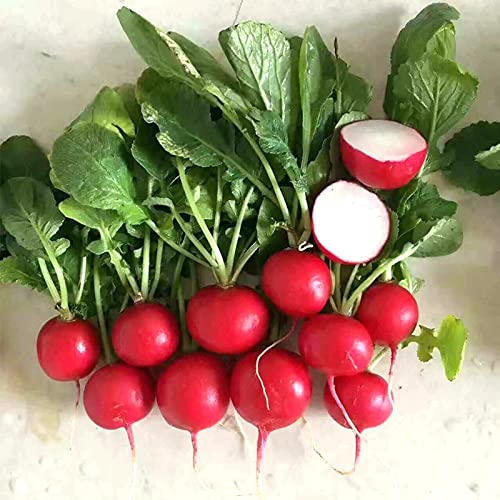
Radishes are the speed champions of the vegetable garden. They typically grow from seed to harvest in just 21-30 days, making them the fastest growing vegetable you can plant.
Radishes thrive in cool weather but can be grown throughout summer if planted in partial shade. For best results in summer, choose heat-tolerant varieties and provide consistent moisture.
These round, crisp root vegetables come in many colors, including red, white, purple, and black. Depending on the variety and growing conditions, their flavor ranges from mild to spicy.
Both the bulbs and greens of radishes are edible. The greens can be harvested young for salads or mature for cooking like other leafy greens.
Radishes don’t need much space, making them perfect for small gardens, containers, or even window boxes. Their shallow root system means they can grow in as little as 6 inches of soil.
Planting radishes is straightforward. Sow seeds directly in the garden about half an inch deep and one inch apart. Once they emerge, thin seedlings to about 2 inches apart.
Plant small batches of radish seeds every 7-10 days for a continuous harvest throughout summer. This succession planting ensures you’ll always have fresh radishes ready to pick.
Radishes make excellent companion plants for slower-growing vegetables. They can mark rows of carrots or beets, which take longer to germinate, and will be harvested before competing for space.
Most radish varieties have excellent germination rates, often sprouting within 3-5 days of planting. This quick emergence makes them particularly satisfying for new gardeners or children.
Harvesting radishes at the right time is important. If left in the ground too long, especially in hot weather, they can become woody, hollow, or excessively spicy.
2. Bush Beans
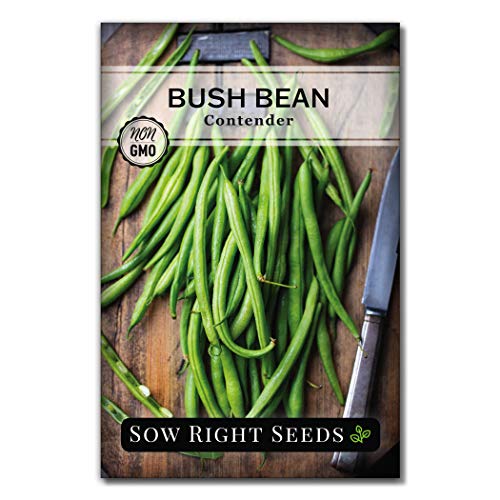
Bush beans are one of the fastest growing vegetables in summer gardens across the United States. These compact plants don’t require staking or trellising, making them perfect for beginner gardeners.
Bush beans typically go from seed to harvest in just 50-60 days. This quick turnaround makes them ideal for mid-summer planting when you want results fast.
Unlike pole beans, bush beans grow on self-supporting plants that reach about 2 feet tall. Their compact size means they work well in containers or small garden spaces.
For summer planting, varieties like ‘Provider’ and ‘Maxibel French Filet’ are excellent choices. They handle summer heat well and produce tender, flavorful beans.
Direct sowing is the best method for bush beans. They don’t transplant well, but fortunately, they germinate quickly when planted directly in warm soil.
Bush beans prefer full sun and well-draining soil. Plant seeds 1 inch deep and 2-3 inches apart in rows that are 18-24 inches apart.
Most bush bean varieties produce heavily for about 3 weeks. For a continuous harvest throughout summer, plant new seeds every 2-3 weeks.
Bush beans are ready to pick when pods are firm and have reached their mature size but before seeds inside become too large. Harvesting regularly encourages the plants to keep producing.
These plants are not only fast-growing but also productive. During their productive period, a 10-foot row of bush beans can yield 4-5 pounds of beans.
Bush beans fix nitrogen in the soil, making them beneficial companions for heavy-feeding vegetables. After harvesting, their roots continue to enrich the soil for future plantings.
3. Cucumbers
Cucumbers are fast-growing vegetables that can go from seed to harvest in as little as 50-70 days. They thrive in warm weather and are perfect for summer gardens across the United States. These refreshing vegetables need plenty of sunshine and warm soil to grow their best.
Cucumbers cannot tolerate frost, so it’s important not to plant them too early in spring. Many gardeners start cucumber seeds indoors to get a head start on the growing season. You can transplant the seedlings outdoors once all danger of frost has passed and soil temperatures reach at least 60°F.
These vining plants produce tendrils as they grow and will climb supports if provided. Trellising cucumbers saves garden space and helps keep the fruits clean and straight. It also improves air circulation, which can reduce disease problems.
Cucumber plants need consistent moisture to produce tender, non-bitter fruits. Water deeply and regularly, especially during dry spells. Adding mulch around plants helps maintain soil moisture and suppress weeds.
There are many cucumber varieties to choose from, including slicing types for fresh eating and pickling types for preserving. Some popular varieties like ‘Picolino’ grow particularly quickly and are well-suited for summer gardens.
Bush varieties of cucumbers take up less space and are good choices for container gardens or small spaces. Vining types produce more cucumbers over a longer period but require more room to sprawl or climb.
Plant cucumber seeds every two weeks through early summer for a continuous harvest. This succession planting ensures you’ll have fresh cucumbers throughout the growing season.
4. Zucchini
Zucchini is one of the fastest growing vegetables you can plant in your summer garden. It typically takes just 50 to 60 days from seed to first harvest, making it ideal for gardeners who want quick results.
In optimal growing conditions, zucchini plants develop quickly and produce abundantly. They thrive in warm weather and fertile soil, which are common during summer months across the United States.
What makes zucchini particularly appealing is how quickly it produces once flowering begins. After female flowers are pollinated, small zucchini can be ready to harvest in as little as 4-7 days.
Zucchini plants are prolific producers. Once they start bearing fruit, they can continue producing throughout the summer with proper care and regular harvesting.
Most gardeners find they need only a few plants to supply a family with plenty of zucchini. In fact, many gardeners joke about having too much zucchini by mid-summer.
For the fastest growth, plant zucchini when soil temperatures have warmed to at least 60°F. In most parts of the United States, this usually means late spring to early summer.
Zucchini grows best in full sun with at least 6 hours of direct sunlight daily. It also prefers well-draining soil rich in organic matter.
Regular watering helps maintain steady growth, especially during hot summer periods. Depending on your local conditions, aim to provide about 1-2 inches of water per week.
Harvest zucchini when they’re still relatively small, to maximize production and encourage fast growth, about 6-8 inches long. This prompts the plant to produce more fruit.
Gardeners in warmer zones can plant a second crop in late summer for fall harvest. This extends the growing season and provides fresh zucchini for a longer period.
5. Kale
Kale is a fast-growing vegetable that can be ready to harvest in as little as 40 days after planting. This leafy green belongs to the Brassica family and is known for its nutritional value and versatility in the kitchen.
While kale is often considered a cold-weather crop, it can also thrive during summer months in many parts of the United States. For summer growing, look for heat-tolerant varieties and provide some afternoon shade in hotter regions.
Kale grows quickly in well-drained soil with consistent moisture. It prefers a soil pH between 6.0 and 7.0 and benefits from compost added before planting.
You can start harvesting kale by picking the outer leaves when they reach about 6 inches long. This allows the center of the plant to continue producing new leaves for weeks or even months.
Fresh kale can be added to mixed salads, cooked in soups or casseroles, or made into popular kale chips. The younger leaves tend to have a milder flavor that many people prefer for eating raw.
Summer-grown kale may bolt (go to seed) in extreme heat, so planting in partial shade can help extend its growing season. Regular harvesting also helps prevent bolting and encourages new growth.
Try succession planting every 2-3 weeks for a continuous summer harvest. This ensures you’ll have fresh kale throughout the season rather than one large harvest all at once.
6. Beets
Beets are a fast-growing root vegetable that can be ready to harvest in just 50 to 70 days. This makes them perfect for summer gardening when you want quick results. Both the roots and the leafy greens are edible, giving you two harvests from one plant.
Beets grow well in full sun but can tolerate partial shade in hotter regions. They prefer loose, well-draining soil that’s free of rocks and other obstacles that might impede the root’s growth.
You can plant beet seeds directly in the garden after the soil has warmed in late spring. For a continuous harvest throughout summer, try succession planting every 2-3 weeks.
Some gardeners choose to harvest beets early as “baby beets,” which are more tender and sweeter. These can be ready in as little as 30-40 days after planting, making them one of the quickest vegetables you can grow.
The leafy green tops can be harvested even before the roots are ready. Young beet greens make excellent additions to salads, while mature greens can be cooked like spinach or added to soups.
Once established, beets are fairly drought-tolerant, though consistent moisture will produce better-quality roots. A layer of mulch helps retain soil moisture and keeps weeds at bay.
Common summer-growing varieties include Detroit Dark Red, Early Wonder, and Chioggia, which has striking red and white rings when sliced. Each variety offers slightly different flavors and growing times.
For the best flavor, harvest beets when they’re about 1-3 inches in diameter. Larger beets tend to become woody and less flavorful, so don’t wait too long to harvest.
7. Pole Beans
Pole beans are a summer garden favorite that grow quickly and produce a high yield. Unlike bush beans, pole beans climb upward on supports and can reach heights of 6-10 feet. This vertical growth habit makes them perfect for small gardens where space is limited.
Pole beans typically mature in 60-90 days after planting. While this is longer than bush beans, they make up for it by producing continuously once they start. A small number of plants can provide beans for weeks or even months.
The best time to plant pole beans is after all danger of frost has passed. For optimal germination, the soil should be at least 45°F, but ideally around 55°F. This means planting in late spring in most parts of the United States.
Gardeners can plant pole beans in succession for a continuous harvest throughout summer. A second planting in late July to mid-August can provide fresh beans until the first frost arrives in the fall.
Popular varieties include Kentucky Wonder, Blue Lake, and Scarlet Runner. These varieties are known for their reliability and excellent flavor. They’re also relatively disease-resistant compared to other vegetables.
Pole beans need strong support to climb. Trellises, teepees made of bamboo poles, or sturdy netting work well. Make sure the support is in place before planting so you don’t disturb the roots later.
One advantage of pole beans is that they’re easier to harvest than bush beans. Since they grow upright, you don’t need to bend down as much to pick them. This makes them a good choice for gardeners with back problems.
Pole beans prefer full sun and consistent moisture. They’ll produce best with at least 6-8 hours of direct sunlight daily. A layer of mulch helps maintain soil moisture and suppress weeds.
With proper care, pole beans can be one of the most productive plants in a summer garden. A single plant can produce up to a pound of beans over the growing season, making them an excellent choice for gardeners wanting a big harvest from a small space.
8. Carrots
Carrots are surprisingly quick-growing vegetables that can thrive in summer gardens across the United States. While many think of carrots as a cool-season crop, certain varieties are well-suited for summer planting and harvesting.
Fast-growing carrot varieties, especially those labeled as “half long,” can be ready to harvest in just 50 days after planting. This makes them an excellent choice for gardeners looking to get quick results during the summer months.
Carrots take about three weeks to germinate, and their first leaves look similar to grass. Don’t be fooled by their delicate appearance – these young plants will develop into nutritious root vegetables.
For summer planting, choose heat-tolerant carrot varieties that can withstand warmer soil temperatures. Varieties like Nantes, Danvers, and Little Finger perform well during summer in many growing zones.
Carrots prefer deep, loose soil free of rocks and clumps that might cause the roots to fork or become misshapen. Before planting, work the soil to a depth of at least 12 inches to give carrot roots room to develop properly.
Direct sowing is best for carrots as they don’t transplant well. Plant seeds about 1/4 inch deep and moisten the soil until germination occurs. Thin seedlings to prevent overcrowding.
Summer-planted carrots can be harvested in early fall, providing a sweet crop as temperatures begin to cool. The cooler weather at harvest time can actually improve the flavor of carrots planted in late summer.
Many gardeners also plant carrots in late summer for a fall harvest. These fall carrots often develop sweeter flavors as they mature in the cooling temperatures of autumn.
Carrots are not only quick to grow but also offer excellent nutritional value. They’re packed with beta-carotene, fiber, vitamin K, and potassium, making them a healthy addition to any garden.
With proper care and attention, summer-grown carrots can provide a bountiful harvest before the season ends. Their relatively short growing period makes them perfect for gardeners who want to maximize their summer garden productivity.
9. Turnips
Turnips are often overlooked but deserve a spot on our list of fast-growing summer vegetables. These root vegetables can mature in just 30-60 days after planting, making them an excellent choice for gardeners looking for quick results.
Both the roots and leaves of turnips are edible, giving you two harvests from one plant. The leafy greens can be harvested even earlier than the roots, providing a nutritious addition to salads and cooked dishes.
Turnips are cool-weather crops that grow best in spring and fall. However, heat-tolerant varieties can be grown during summer in many parts of the United States, especially in northern regions with milder summer temperatures.
For summer planting, look for heat-resistant turnip varieties. These types can better withstand warmer conditions while still producing quickly. Some gardeners have success with summer turnips by providing partial shade during the hottest part of the day.
The quick growth rate of turnips makes them ideal for succession planting. You can sow seeds every two weeks to ensure a continuous harvest throughout the growing season.
Turnips require consistent moisture to develop properly. Regular watering helps prevent the roots from becoming woody or bitter, especially during summer heat.
These vegetables are not demanding in terms of soil fertility. They can grow in average garden soil as long as it’s well-draining. Adding compost before planting will help improve growing conditions.
Harvesting turnips at the right time is important for the best flavor. Smaller turnips (about 2-3 inches in diameter) are usually more tender and sweet than larger, more mature ones.
Climate Considerations
Growing vegetables successfully in summer requires understanding your specific climate conditions. Different regions across the United States experience varying levels of heat, humidity, and daylight hours that directly impact plant growth and productivity.
Understanding USDA Hardiness Zones
The United States is divided into 13 USDA hardiness zones based on average annual minimum temperatures. Zones 9-11 represent the hottest regions, including central Florida, southern Texas, and Hawaii. Zones 5-8 cover much of the central and eastern US.
Your hardiness zone determines which vegetables will thrive in your summer garden. For example, sweet potatoes excel in Zones 8-11, while cucumbers can adapt to Zones 4-11 with proper care.
Gardeners in northern zones (3-5) have shorter growing seasons but intense summer sunlight. Southern zones (8-11) have extended growing seasons but must contend with extreme heat that can stress even heat-loving plants.
Temperature and Sunlight Requirements
Fast-growing summer vegetables typically require 6-8 hours of direct sunlight daily. Morning sun is preferable in very hot regions, as afternoon shade can protect plants from scorching.
Most summer vegetables thrive when daytime temperatures range between 75-95°F. When temperatures consistently exceed 95°F, plants may need extra water and partial shade to prevent heat stress.
Heat-loving vegetables like tomatoes, peppers, and eggplants stop producing fruit when nighttime temperatures stay above 85°F or drop below 55°F. Green beans and cucumbers continue producing even during hot spells if properly watered.
Consider microclimate factors in your garden: south-facing areas receive more intense heat, while areas near walls can trap additional warmth for heat-loving crops.
Soil Preparation Techniques
Proper soil preparation is the foundation for growing fast summer vegetables. Good soil ensures your plants get the nutrients and moisture they need during hot summer months when vegetables grow quickly.
Optimal Soil Types for Vegetable Growth
Most summer vegetables thrive in loamy soil that drains well but holds moisture. This soil type contains a balance of sand, silt, and clay. Loamy soil warms up quickly in spring and allows roots to spread easily.
Sandy loam works best for root vegetables like radishes and carrots. These fast-growing vegetables need loose soil to develop properly without obstacles.
Clay-heavy soils often cause problems for summer vegetables as they drain poorly and become compacted. If you have clay soil, add organic matter to improve its structure.
The ideal soil pH for most summer vegetables ranges from 6.0 to 7.0. Test your soil before planting to ensure it falls within this range.
Amending Soil for Better Yield
Add a 3-4 inch layer of compost to your garden bed before planting. Work it into the top 6-8 inches of soil using a garden fork or tiller. Compost improves both clay and sandy soils while adding nutrients.
For fast-growing summer vegetables, incorporate decomposed leaves, straw, or grass clippings several months before planting. These materials add organic matter and improve soil structure.
Consider adding balanced organic fertilizer to boost nutrient levels. Follow package directions for application rates based on your garden size.
Mulch around plants with straw or grass clippings to maintain soil moisture and temperature. This helps fast-growing vegetables develop without stress during summer heat.
Keep soil temperature between 60-75°F for optimal growth of summer vegetables. Too hot or cold soil can slow down even the fastest growing varieties.
Frequently Asked Questions
Growing vegetables quickly during summer allows gardeners to enjoy fresh produce without long waiting periods. Many vegetables can go from seed to harvest in surprisingly short timeframes, especially in warm weather.
What are the top vegetables that can be harvested within two weeks of planting?
Radishes are the champions of quick harvests, often ready in just 21-30 days. Some varieties like ‘Cherry Belle’ can be harvested in as little as 18 days. Green onions (scallions) can be harvested as baby plants within 14 days of planting. Microgreens from various vegetables can be ready to cut in 7-14 days, providing nutrient-dense additions to summer salads.
What is the quickest-maturing vegetable crop for summer gardens?
Radishes consistently rank as the fastest-maturing vegetable crop. Their rapid growth makes them perfect for impatient gardeners or those wanting quick results. Some lettuce varieties, particularly loose-leaf types, can be harvested as baby greens in about 21 days. Spinach can also be harvested young as baby spinach in approximately 28 days in cooler summer climates.
Which vegetables can I grow in a short timeframe from seed to harvest during the summer?
Bush beans mature quickly, often producing harvestable pods in 45-60 days from seeding. They thrive in warm summer conditions. Cucumbers can be ready to harvest in 50-70 days, with some varieties producing earlier. Zucchini and summer squash grow incredibly fast, often yielding fruits within 40-50 days of planting.
Can you list vegetables that are suitable for rapid growth in containers during the hot season?
Bush beans work excellently in containers, requiring minimal space while producing quickly. Leaf lettuce varieties can grow well in partial shade containers during summer, ready for harvest in about 30 days. Radishes, green onions, and baby carrots all thrive in containers at least 6 inches deep. Dwarf cucumber varieties bred specifically for containers can produce fruits in about 55-60 days.
What are some vegetables that can be ready to harvest within one week of planting?
Sprouts like mung beans, lentils, and alfalfa can be ready in 3-7 days, though these are grown indoors rather than in garden soil. When grown in ideal conditions, microgreens from fast-growing seeds like mustard, arugula, and cress can be harvested within 7 days. Garden cress can be ready to snip in about 5-7 days, making it one of the fastest outdoor options.
Are there any fruit-bearing plants that demonstrate notably quick growth in summer conditions?
Zucchini and summer squash are technically fruits that grow remarkably fast, often producing harvestable fruits within 45 days of planting. Cucumbers demonstrate impressively quick growth in summer heat, with some varieties ready in as little as 50 days. Bush beans, while botanically considered fruits, mature quickly in summer conditions and can produce harvestable pods in about 45-60 days after planting.

Conclusion
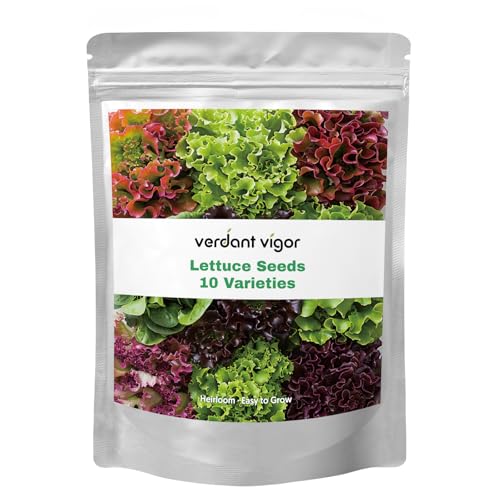
Growing fast-producing vegetables in summer allows gardeners to enjoy fresh harvests without waiting all season. Bush beans, radishes, and lettuce can go from seed to table in under 60 days.
These quick-growing options are perfect for beginning gardeners or those with limited space. They provide satisfying results even when planted in mid-summer for late harvests.
Cold-tolerant options like peas and turnips can be planted as summer transitions to fall. This extends the growing season and maximizes garden productivity.
Fast-growing vegetables often require less maintenance and fewer resources than longer-season crops. They also help fill gaps in garden beds after spring harvests.
For best results, choose varieties specifically bred for summer heat tolerance. Provide consistent water and some afternoon shade in the hottest regions.
With these fast-growing vegetables, gardeners across the United States can enjoy multiple harvests throughout the summer months. Even with limited time or experience, it’s possible to grow nutritious food at home.

Hello there! I’m Elsa, and gardening is my passion. As an avid gardener, I created GardeningElsa.com to share my knowledge and experience with fellow enthusiasts. My website is a comprehensive resource for gardeners of all levels, offering expert advice on a wide range of topics, including plants, flowers, herbs, and vegetable gardening. Whether you’re a beginner looking to start your first garden or a seasoned pro seeking to expand your knowledge, GardeningElsa.com has something for everyone. Read more about me.