
A hot summer can turn a lush hanging basket into a crispy mess in just a few days. Baskets hang in the open air, so sun and wind hit them from every side.
My advice is to start with plants built for heat and then give them the right basket, mix and watering routine.
In this guide, I’ll walk you through the best hanging plants that survive high temps, from tough flowering trailers to foliage plants and succulents.
You’ll also learn how to water during a heat wave, what to feed, where to hang your baskets and how to spot heat stress before it’s too late.
What Makes a Hanging Plant Heat Tolerant?
A heat-tolerant hanging plant can handle strong sun, hot air and fast-drying soil without stalling or collapsing. Most of these plants come from warm climates and have thick leaves, waxy surfaces or deep roots that help them hold onto moisture.
Natural Traits That Help Plants Handle Heat
Some plants are simply wired for hot weather. Thick, fleshy leaves store water, which is why portulaca and purslane shrug off sun that would fry a fuchsia.
Other plants have small or waxy leaves that lose less water to the air. Lantana, for example, has tough, slightly rough leaves and keeps blooming through long stretches of hot days.
Here are the traits I look for when picking hanging plants for summer:
- Thick or succulent leaves that store water
- Small, waxy or fuzzy leaves that slow moisture loss
- A native range in warm or dry climates
- Steady blooming without needing cool nights
- A trailing or mounding habit that fits a basket
Why Hanging Baskets Get Hotter Than Garden Beds
A plant in the ground has a huge reservoir of soil around its roots. A hanging basket has only a few gallons of mix, and that small volume heats up and dries out fast.
Wind and sun hit hanging baskets on all sides, including from below. That’s why a plant that grows happily in a bed can struggle in a basket during the same heat wave.
| Factor | Garden Bed | Hanging Basket |
|---|---|---|
| Soil volume | Large | Small |
| Sun exposure | Mostly from above | Top, sides and below |
| Wind exposure | Partial | All sides |
| Drying speed | Slow | Fast |
| Root temperature | Stays cooler | Heats up quickly |
Tools That Make Hot-Weather Care Easier
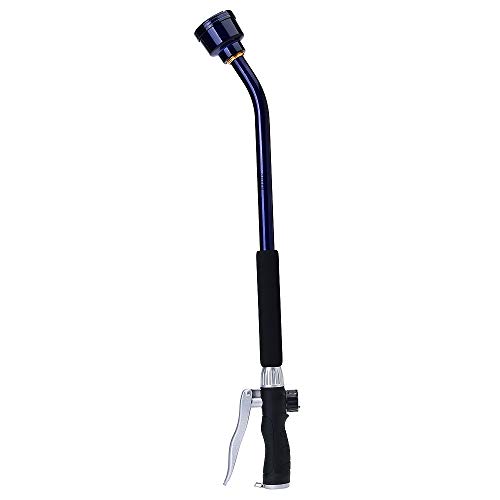
The right gear makes a big difference when temperatures climb. A hose wand with a shower setting lets you reach high baskets and water gently, so you soak the mix without blasting soil out of the pot.
A self-watering hanging basket is another smart choice for hot climates. It has a built-in reservoir at the bottom that feeds water up to the roots between waterings, which buys you extra time on scorching afternoons.
Best Flowering Hanging Plants for Hot Weather
The best flowering hanging plants for hot weather are lantana, portulaca, trailing verbena, scaevola, vinca, mandevilla and bougainvillea. Calibrachoa and ivy geranium can also work well if you keep up with watering.
Top Sun-Loving Bloomers
Lantana is one of my favorite picks for hot, sunny spots. It blooms in clusters of bright colors and keeps going through the hottest part of summer.
Portulaca, also called moss rose, has succulent leaves and cheerful cup-shaped flowers. The blooms open in sun and close on cloudy days, and the plant handles dry spells better than most.

Trailing verbena spills over basket edges with clusters of small flowers. Scaevola, or fan flower, produces fan-shaped blooms in blue, purple or white and holds up well to heat.
Vinca, also called Madagascar periwinkle (Catharanthus roseus), loves heat and sun. It has glossy leaves and flat, five-petaled flowers, and it doesn’t like soggy soil.
Tropical Climbers and Mounding Plants
Mandevilla is a tropical vine with large, trumpet-shaped flowers. Look for compact basket types, which trail or mound instead of climbing a trellis.
Bougainvillea thrives in heat and full sun. It actually blooms best when it’s slightly root-bound and allowed to dry a little between waterings.
Pentas has a mounding habit rather than a trailing one, so it works well in the center of a mixed basket. Its star-shaped flower clusters are a favorite with butterflies, and they’re among the best hanging plants that attract hummingbirds too.
Bloomers That Need a Little Extra Care
Calibrachoa looks like a tiny petunia and comes in almost every color. It takes heat well, but only if you water it consistently, since it sulks quickly when the mix dries out.
Ivy geranium handles heat better than zonal geraniums in many areas. Still, it often slows down and blooms less once temperatures stay above about 90°F.
If you love soft color schemes, many of these plants come in rosy and violet shades. I’ve rounded up more ideas in my guide to hanging plants with pink and purple flowers.

| Plant | Habit | Heat Tolerance | Notes |
|---|---|---|---|
| Lantana | Trailing/mounding | Excellent | Blooms all summer |
| Portulaca (moss rose) | Trailing | Excellent | Succulent leaves |
| Trailing verbena | Trailing | Very good | Clusters of small flowers |
| Scaevola (fan flower) | Trailing | Very good | Fan-shaped blooms |
| Vinca | Mounding | Excellent | Dislikes soggy soil |
| Pentas | Mounding | Very good | Great for pollinators |
| Mandevilla (basket types) | Trailing/mounding | Excellent | Tropical trumpets |
| Bougainvillea | Trailing | Excellent | Likes to dry slightly |
| Calibrachoa | Trailing | Good with steady water | Dries out fast |
| Ivy geranium | Trailing | Good | Slows above about 90°F |
Best Foliage and Succulent Choices for Heat
For foliage, sweet potato vine and purslane are top picks for hot, sunny baskets. For succulents, string of pearls and burro’s tail can handle warm weather, but they prefer bright light with afternoon shade outdoors in extreme heat.
Sweet Potato Vine and Other Foliage Fillers
Sweet potato vine is grown for its leaves, not its flowers. It comes in shades of chartreuse, deep purple and bronze, and it grows fast in hot weather.
It’s a great “spiller” for mixed baskets. Just be ready to trim it, because it can quickly smother slower plants growing beside it.
Purslane is a close cousin of portulaca with slightly larger leaves. It adds both foliage and small flowers, and its fleshy stems store water well.
Succulents That Trail Beautifully
String of pearls has round, bead-like leaves on thin trailing stems. Burro’s tail has plump, overlapping leaves that hang in thick ropes.
Both store water in their leaves, but they aren’t desert sun-worshippers in a hanging pot. Outdoors in extreme heat, give them bright light with shade in the afternoon to prevent scorching.
Handle burro’s tail gently. Its leaves pop off easily, so hang it where people and pets won’t brush against it.
Pairing Foliage With Flowers
My favorite combinations mix a bold flowering plant with a foliage spiller. Try lantana with chartreuse sweet potato vine, or purple scaevola with a dark-leaved sweet potato vine.
When you mix plants, group ones with similar water needs. Succulents like string of pearls want to dry out between waterings, so don’t pair them with thirsty calibrachoa.
- Lantana + chartreuse sweet potato vine
- Pentas + trailing verbena
- Vinca + portulaca
- Mandevilla on its own for a bold tropical look
Watering Hanging Baskets in a Heat Wave
In a heat wave, check your hanging baskets every day and water until water drains out the bottom. Above 90°F, most baskets need water once a day, and many need it twice.
How Much and How Often to Water
Hanging baskets dry out much faster than garden beds because of sun and wind on all sides. When temperatures climb above 90°F, I check every basket each morning without fail.
Water slowly until you see it running out of the drainage holes. A quick splash only wets the top inch, and the roots below stay dry.
In extreme heat, check again in the late afternoon. Small baskets and thirsty plants like calibrachoa often need a second drink. For a full breakdown by season and basket type, see my guide on how often to water hanging plants.
The Best Time of Day to Water
Morning is the best time to water. The plant gets a full supply of moisture before the hottest part of the day hits.
If your basket is wilting badly in the evening, water it then too. Try to keep water on the soil rather than the leaves to cut down on disease.
| Temperature | How Often to Check | Typical Watering |
|---|---|---|
| Below 80°F | Every 1 to 2 days | Every 1 to 3 days |
| 80°F to 90°F | Daily | About once a day |
| Above 90°F | Daily, plus afternoon | Once or twice a day |
| 95°F and up | Morning and afternoon | Often twice a day |
How to Check If a Basket Needs Water
The finger test is simple. Push your finger about an inch into the mix, and if it feels dry, it’s time to water.
You can also lift the basket from below. A dry basket feels surprisingly light, while a well-watered one feels heavy.
Going away during a hot spell is risky for baskets. Before you leave, read my tips on keeping plants watered on vacation so you don’t come home to crispy plants.
Basket Size, Liners and Potting Mix
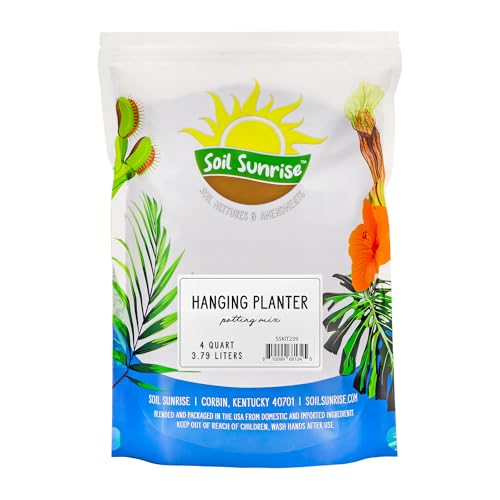
Bigger baskets, moisture-holding potting mix and the right liner all help plants survive heat. A 14- to 16-inch basket with quality mix will stay moist much longer than a small 10-inch basket.