
Yes, you can put your ZZ plant outside for the summer, and it often grows faster out there than it does on a shelf indoors.
You can move a ZZ plant (Zamioculcas zamiifolia) outdoors once nights stay above 55°F, as long as it sits in shade or filtered light and comes back inside before nights drop below 50°F.
Living outside all year is a different story. The ZZ plant is a tropical aroid from eastern Africa, and it only survives year-round in the ground or on a patio in USDA zones 10 to 12, where frost doesn’t happen.
Everywhere else, think of it as a summer vacation with a firm return date.
When Can a ZZ Plant Live Outside?
A ZZ plant can spend the warm months outside almost anywhere in the US, but it can only stay out through winter in frost-free areas.
The difference comes down to cold: this plant stores water in thick underground rhizomes, and freezing temperatures turn that stored water into mush.
Summer Outdoors vs. Year-Round Growing
Most of the country falls into the summer-only group. In the Northeast, Midwest, and Pacific Northwest, your window usually runs from late May or June through early or mid-September.
In the Southeast and Southwest, the season starts earlier and ends later. But hot afternoon sun and summer storms bring their own problems.
Year-round outdoor growing works in USDA zones 10 to 12. That covers South Florida, parts of coastal Southern California, Hawaii, and Puerto Rico. Even there, the plant needs shade and fast-draining soil.
| Situation | Where it applies | What I recommend |
|---|---|---|
| Summer only | Zones 3 to 9 (most of the US) | Pot it, move it out after nights stay above 55°F |
| Year-round | Zones 10 to 12 | Ground or pot, in shade |
| Zone 9 edge | Gulf Coast, parts of Arizona and California | Keep it potted so you can move it during cold snaps |
A Simple Check Before You Move It
Before you carry your ZZ plant outside, run through this short checklist:
- Nights: Your forecast shows lows above 55°F for the next 10 days.
- Health: The plant has firm stems and no soft, dark spots at the base.
- Pot: The container has drainage holes.
- Spot: You’ve picked a place with shade from noon onward.
If any answer is no, I’d wait. A stressed plant moved outdoors usually gets worse, not better. If you’re unsure whether your other houseplants can join it, my guide on moving indoor plants outside covers the general rules.

What Temperatures Are Safe for an Outdoor ZZ Plant?
A ZZ plant is happiest between 65 and 79°F, and it handles summer days into the low 90s if it has shade and isn’t bone-dry. Cold is the bigger danger.
Growth stops below about 55°F, cold stress starts below 50°F, and frost kills the leaves and can rot the rhizomes.
Wait for Nights Above 55°F
Daytime highs can fool you in spring. A 75°F afternoon followed by a 45°F night will still chill the plant.
I go by nighttime lows. Once lows hold steady above 55°F, it’s safe to start the move outside. In much of the Northeast and Midwest, that’s late May or early June. In the Southeast, it’s often mid-April.
Cold plus wet soil is the worst combination. A chilled ZZ drinks very little, so a spring rain on a cool night leaves the rhizomes sitting in cold, soggy mix.
Bring It Inside Before Nights Fall Below 50°F
Watch your forecast closely starting in late August. Once lows start dipping toward 50°F, bring the plant in.
Signs that it already got too cold include:
- Leaves that turn dull or look slightly see-through
- Soft, dark, water-soaked patches on leaflets
- Yellowing that starts on the lower leaves and moves up
- Stems going soft at the soil line
If the rhizomes still feel firm, the plant will likely recover indoors. Keep it warm, let the soil dry, and trim damaged stems once it settles.
Where Should You Place It Outdoors?
The best outdoor spot for a ZZ plant gets bright indirect light or dappled shade, with no direct sun after late morning.

In its native range, it grows under taller trees and shrubs, so a shaded porch or the north side of your house suits it well.
Choose Filtered Light and Shelter from Afternoon Sun
Good outdoor spots include:
- A covered porch or patio
- Under a tree with an open canopy, where light comes through as dappled shade
- The north or east side of a house or fence
- Under a pergola or shade cloth
A little morning sun before about 10 a.m. is fine in most regions. Partial shade that blocks afternoon sun matters most in the Southeast and Southwest, where midday light is intense.
Wind is the other thing I watch. ZZ stems are heavy with stored water, and a strong gust can bend or snap them.
A spot near a wall gives shelter. For more on how much light this plant wants, see my post on ZZ plant light requirements.
Recognize Sunburn Before More Leaves Are Damaged
Sunburn shows up fast, sometimes within a day or two. Look for:
- Pale, bleached, or white patches on the leaves facing the sun
- Yellow-brown spots with a dry, papery feel
- Crispy brown edges on the most exposed leaflets
Burned leaves won’t turn green again. Move the plant to deeper shade right away, then trim the worst stems at the base once the plant has settled. New shoots will come up from the rhizomes, though slowly.
How Do You Acclimate a ZZ Plant to Outdoor Conditions?
You acclimate a ZZ plant by giving it a little more time outside each day over 1 to 2 weeks, starting in full shade. Indoor leaves aren’t built for outdoor light, and even shade outdoors is much brighter than most living rooms.
Increase Its Time Outside Over 1 to 2 Weeks
Here’s the schedule I suggest:
- Days 1 to 2: Set it in full shade for 1 to 2 hours in the morning, then bring it in.
- Days 3 to 5: Leave it out 3 to 4 hours in shade.
- Days 6 to 9: Leave it out most of the day, still in shade.
- Days 10 to 14: Move it to its summer spot and leave it out overnight if lows stay above 55°F.
If the leaves stay glossy and firm, you’re on track. If you see pale patches, slow down and go back a step.
Protect It from Sudden Sun, Wind, and Heat
The most common mistake is putting it straight into its final spot on day one. The shift from a dim room to a bright patio is a big shock.
Pick calm, mild days for the first sessions. Skip the first day out during a heat wave above 90°F or on very windy days. Hot, dry wind dries the soil much faster than you expect, so check moisture more often during the first weeks.
How Should You Handle Rain, Pots, and Drainage?
Drainage decides whether a ZZ plant survives a rainy summer. Too much water rots the rhizomes, and that is the top cause of ZZ deaths indoors and out.
A light summer shower is fine. A week of steady rain in a pot without holes is not.
Use a Fast-Draining Mix and a Pot with Drainage Holes
The pot must have drainage holes. A pot without them fills like a bucket in the first storm.
For the soil, I use regular potting mix blended about half and half with perlite or pumice, or a mix that’s part cactus soil. You want the mix to dry out within about a week after a soaking.
My post on the best potting soil for a ZZ plant goes into blends in more detail.
A few more pot tips for outdoors:
- Skip saucers outside, or empty them after every rain.
- Raise the pot on pot feet or bricks so water drains freely.
- Pick a heavy pot, like terracotta or glazed ceramic, so wind can’t tip it.
Move the Pot Under Cover During Prolonged Rain
One rainy afternoon won’t hurt a healthy ZZ in a good mix. Several days of rain in a row will, especially when nights also turn cool.
If your forecast shows rain for three or more days, move the pot under a porch roof or eave. Summer thunderstorms in the Southeast and the late-season rains of the Pacific Northwest are the times to watch most.
After a heavy rain, tip the pot slightly to let trapped water run out.
How Do Watering and Feeding Change Outside?
An outdoor ZZ plant usually needs water more often than it does indoors, because heat, wind, and brighter light dry the soil faster. Rain also waters it for you, so a fixed schedule won’t work. Base every watering on how dry the soil is.
Check for Completely Dry Soil Instead of Following a Schedule
Water only when the soil is completely dry. Push your finger 2 inches into the mix. If you feel any moisture at all, wait.
Lifting the pot works too. A dry pot feels noticeably lighter than one you watered recently.
During a hot, dry stretch, that might mean watering every 7 to 10 days. In a rainy week, you may not water at all.
When you do water, soak the pot until water runs out the bottom, then leave it alone. See my guide on how often to water a ZZ plant for indoor timing once it comes back in.
Feed Lightly During the Growing Season
Summer is the plant’s main growing season, so a little food helps. I use a balanced liquid fertilizer mixed at half the label strength, about once a month from spring through August.

Stop feeding in late August or early September, a few weeks before it comes back inside. Extra fertilizer builds up salts in the soil and can burn roots. Never feed a plant with bone-dry soil; water first, then feed the next time.
Which Outdoor Pests Should You Watch For?
Outdoors, the ZZ plant gets visits from pests it rarely sees inside: mealybugs, aphids, spider mites, scale insects, plus slugs and snails if it sits near the ground.
The waxy leaves and the plant’s calcium oxalate crystals discourage many bugs, so infestations stay small if you catch them early.
Inspect Leaves, Stems, and New Growth
I check outdoor plants once a week, usually while checking the soil. Here’s what each pest looks like:
| Pest | What you’ll see | Where to look |
|---|---|---|
| Mealybugs | White, cottony clumps | Where leaves meet stems |
| Aphids | Tiny green, black, or brown bugs; sticky residue | New, soft shoots |
| Spider mites | Fine webbing, tiny pale speckles | Leaf undersides, in hot, dry weather |
| Scale insects | Brown, flat bumps that don’t move | Stems and leaf stalks |
| Slugs and snails | Slime trails, ragged holes | Lower leaves, pot rim |
Sticky leaves or black, sooty spots usually mean sap-sucking bugs are feeding nearby.
Treat Pests and Check the Plant Before Bringing It Indoors
For light problems, wipe bugs off with a damp cloth or a cotton swab dipped in rubbing alcohol. Scrape scale off with a soft toothbrush. A strong spray of water knocks aphids loose.
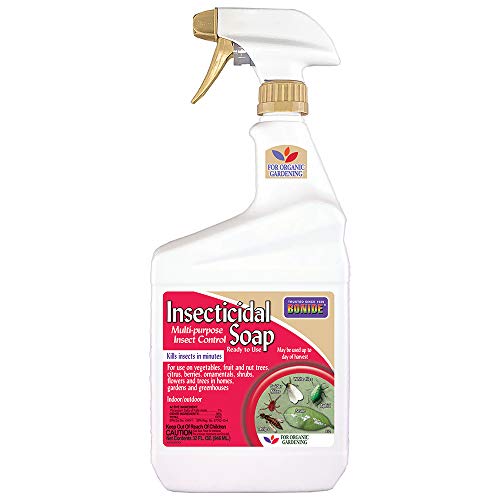
For bigger infestations, spray with insecticidal soap or neem oil, following the label. Coat the leaf undersides and stems well, and repeat every 5 to 7 days until the pests are gone.
Spray in the evening or on a cloudy day so the leaves don’t burn.
Pick slugs and snails off by hand. Raising the pot on feet keeps most of them away.
Can You Grow a ZZ Plant in the Ground?
Yes, but only where it never freezes. In USDA zones 10 to 12, Zamioculcas zamiifolia makes a slow-growing, glossy ground cover or border plant for shady beds, usually reaching 2 to 3 feet tall.
Limit Year-Round Planting to USDA Zones 10 to 12
These zones rarely see temperatures below 30 to 40°F. Even then, a rare cold night below 40°F can damage leaves, and frost can kill the plant to the ground.
In zone 9, I’d keep it in a pot. That way you can roll it into a garage or the house during a cold snap. Planting a zone 9 ZZ in the ground is a gamble that a single bad winter can end.
All types share the same cold limits. ZZ Raven, with its near-black leaves, makes a dramatic contrast in shady beds, while Zenzi stays compact and works well along front edges. My post on ZZ plant varieties compares them side by side.
Pick a Shaded Site with Soil That Drains Quickly
Choose a spot with shade or partial shade all afternoon, like under a tree or on the north side of a building.
Drainage is the make-or-break part. To check, dig a hole about 12 inches deep, fill it with water, and time it. If the water is still standing after a few hours, the spot drains too slowly.
For heavy clay soil:
- Mix in coarse sand, fine gravel, or pumice to loosen the soil.
- Plant on a low mound or in a raised bed so water runs away from the rhizomes.
- Set the rhizomes at the same depth they sat in the pot.
- Water once to settle the soil, then let it dry out fully before watering again.
How Do You Bring an Outdoor ZZ Plant Back Inside?
Bring your ZZ plant indoors before nights drop below 50°F, and clean it first so you don’t carry pests inside. Then expect a short adjustment period, because indoor light is much dimmer than outdoor shade.
Inspect and Clean It Before the Move
A week or so before the move, give the plant a good check:
- Look under every leaf and along the stems for the pests listed above.
- Rinse the leaves with a gentle hose spray, letting the pot drain well afterward.
- Check the pot’s drainage holes and underside for slugs, earwigs, or ants.
- Pull off any dead leaves or debris from the soil surface.
If you find pests, treat them outside and wait until they’re gone. If possible, keep the plant away from other houseplants for 2 weeks once it’s inside, just in case.
Adjust Watering and Watch for Leaf Drop or Yellowing
Indoors, the plant uses much less water. Go back to watering only when the soil is completely dry, usually every 2 to 4 weeks, and even less in winter.
Some leaf drop or a yellow lower leaf or two in the first few weeks is normal as it adjusts. Place it near a bright window out of direct sun to soften the change.
Widespread yellowing or soft stems point to a problem, often too much water. My guide on a ZZ plant turning yellow helps you sort out the cause. For general indoor routines, see my ZZ plant care guide.
How Do You Keep Children and Pets Safe Around It?
Keep the ZZ plant where kids and pets can’t chew it, and wear gloves when you handle cut stems. The plant contains calcium oxalate crystals that can cause mouth irritation, drooling, pawing at the mouth, and vomiting if chewed. It isn’t deadly, but it’s uncomfortable.
Place the Plant Out of Reach
Outdoors, a plant on the ground is easy access for dogs, cats, and toddlers. I’d set it on a plant stand, a raised ledge, or a table they can’t reach.
Pick up fallen leaves and trimmings right away. A dropped leaflet on the patio is still something a puppy can chew. Use a heavy pot so a dog can’t knock it over.
If your pet chews it and shows trouble breathing or swallowing, go to an emergency vet. For other cases, call your vet or the ASPCA Animal Poison Control Center at (888) 426-4435. For cat-specific details, see my post on ZZ plants and cats.
Avoid Contact with Irritating Sap
The sap from cut or broken stems can redden or itch sensitive skin. Wear gloves when you prune, divide, or repot.
Wash your hands after handling the plant, and avoid touching your eyes. Rinse any skin that gets sap on it with soap and water. You may have heard that ZZ plants cause cancer; that’s a myth with no evidence behind it.
Frequently Asked Questions
What temperature is too cold for a ZZ plant outside?
Anything below 50°F is too cold for long. Growth stops below about 55°F, leaves get damaged below 45°F, and frost can kill the plant, so bring it in before nights hit 50°F.
Can a ZZ plant take full sun?
No, full sun scorches its leaves, often within a day or two. A little early morning sun is fine, but it needs shade from late morning on, especially in the South and Southwest.
Should I bring my ZZ plant in when it rains?
A short summer rain is fine if the pot has drainage holes and fast-draining soil. Move it under cover for several days of steady rain, especially if nights are also cool.
Can ZZ plants grow in the ground?
Yes, but only in USDA zones 10 to 12, where it never freezes. Plant it in shade in soil that drains quickly, and use a mound or raised bed if you have clay.
Why is my ZZ plant yellowing after being outside?
The most common causes are soggy soil from rain, a cold night below 50°F, or sunburn. A leaf or two yellowing after the move back indoors is normal, but widespread yellowing means you should check the soil and rhizomes. My guide to saving a dying ZZ plant walks through recovery steps.

Hello there! I’m Elsa, and gardening is my passion. As an avid gardener, I created GardeningElsa.com to share my knowledge and experience with fellow enthusiasts. My website is a comprehensive resource for gardeners of all levels, offering expert advice on a wide range of topics, including plants, flowers, herbs, and vegetable gardening. Whether you’re a beginner looking to start your first garden or a seasoned pro seeking to expand your knowledge, GardeningElsa.com has something for everyone. Read more about me.